A backyard keeper’s guide to when to use chick starter, move to grower, and switch to layer feed, plus safe timing, typical protein ranges, calcium, and comm...
The Cluck Loom
15 Toxic Foods You Should Never Feed Backyard Chickens
A practical, backyard-tested list of 15 foods and plants to avoid for chickens, plus safer treats, prevention tips, and what to do if your flock eats something risky.

Maggie Harper
Maggie Harper is a passionate backyard chicken keeper with over a decade of hands-on experience raising mixed flocks. Through CluckLoom, she shares practical advice on coop building, flock health, and egg production to help beginners and seasoned enthusiasts alike raise happy, healthy chickens.
Published
October 22, 2026
Last updated
October 22, 2026
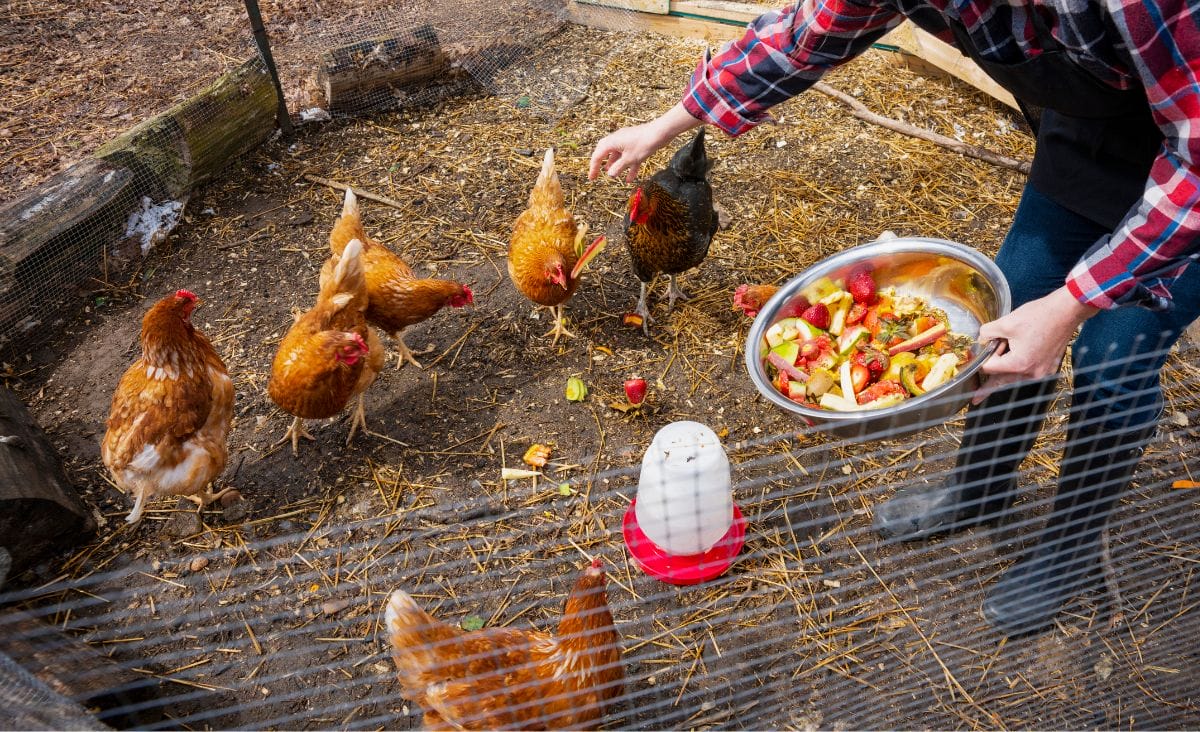
If you have chickens, you already know the golden rule: if it looks like food, a chicken will try it. My hens have sprinted across the run for a single noodle like it was an Olympic event. That enthusiasm is adorable until you realize how many everyday kitchen scraps and yard plants can make a bird truly sick.
This list covers the big offenders I see most often in backyard flocks. Some are outright toxic, some are risky in realistic backyard quantities, and a few are the sneaky ones people forget about like moldy leftovers.
Quick note on “a little won’t hurt”
Chickens are small. A bite of something that would barely bother a dog can be a big deal for a 4 to 6 pound hen. Dose matters, and different birds may react differently, especially chicks, elderly hens, or birds already stressed by heat, molt, or illness.
If you are ever unsure, skip it. There are plenty of safe treats.
15 foods and plants to avoid
1) Avocado (especially the skin and pit)
Avocado contains persin, a toxin that can cause breathing trouble and heart issues in birds. The highest concentrations are in the pit, skin, and leaves. Many vets and experienced keepers recommend avoiding all avocado parts for backyard birds, because it is hard to control what they actually eat once it is in the run.
- Highest risk: peels, pits, leaves, guacamole scraps
- Safer swap: cucumbers or a few blueberries
2) Chocolate
Chocolate contains theobromine and caffeine, both dangerous for chickens. The risk is dose-dependent, but even relatively small amounts can cause signs like tremors, abnormal heart rhythm, and seizures.
- Common ways it happens: brownies in the trash, chocolate chips dropped by kids, holiday candy
- Safer swap: a little plain oatmeal or chopped strawberries
3) Caffeine (coffee, tea, energy drinks)
Caffeine is hard on a chicken’s nervous system and heart. Coffee grounds and used tea bags also tend to be tempting because they smell “interesting,” which is apparently a major food group to a hen.
- Keep away: brewed coffee, grounds, tea bags, soda, energy drinks
- Safer swap: plain scrambled egg or mealworms
4) Alcohol and fermented fruit
Alcohol affects chickens quickly. Access can lead to intoxication and serious illness, so I treat it as a strict no. Fermented fruit on the ground can also be a problem, especially under apple trees or near compost.
- Watch for: spilled beer, cooking wine, boozy desserts, fallen fruit that is fermenting
- Safer swap: fresh apple slices with seeds removed
5) Moldy or spoiled food
This is one of the most common backyard “oops.” Mold can produce mycotoxins that cause severe illness and can kill poultry. Spoiled food can also grow harmful bacteria.
- Do not feed: moldy bread, slimy leftovers, questionable fridge clean-outs
- Rule I use: if I would not eat it myself, the chickens do not get it
6) Dry or undercooked beans (especially kidney beans)
Raw or undercooked beans contain phytohaemagglutinin, which is toxic. Fully cooked beans are generally safe, but “soaked and tossed in” is not the same as cooked.
- Highest risk: dry beans, raw kidney beans, undercooked beans
- Safer swap: cooked lentils or cooked eggs
7) Green potatoes and potato sprouts
Potatoes that are green or sprouting contain higher levels of solanine, a toxin that can cause digestive and neurological issues. Plain cooked potato flesh is sometimes fed in small amounts, but the green parts are the danger zone.
- Keep away: green skins, sprouts, peels from sprouting potatoes
- Safer swap: cooked sweet potato (plain)
8) Potato peels and trimmings (use extra caution)
This is where I keep it simple. If peels are green, bitter, or from sprouting potatoes, they belong in a secured compost or the trash, not the run. Plain potato is safest when it is cooked, unseasoned, and given as an occasional treat instead of a staple.
- Highest risk: green peels, sprout eyes, peel piles from questionable potatoes
- Safer swap: a little cooked potato mash with no butter, salt, or seasoning
9) Onions (and lots of garlic)
Alliums like onions contain compounds that can damage red blood cells in some animals and may contribute to anemia if fed in quantity. A tiny bit cooked into something is less concerning than a pile of onion scraps, but in the backyard it is easy to overdo it.
- Highest risk: onion skins and ends tossed from meal prep
- Safer swap: chopped zucchini or bell pepper (no hot peppers)
10) High-salt foods
Chips, pretzels, salty fries, deli foods, and heavily salted leftovers can lead to dehydration and salt toxicity. Chickens need some sodium, but processed human snacks can blow past safe levels fast.
- Watch for: snack bowls left outside, greasy takeout leftovers
- Safer swap: plain popcorn (air-popped, no salt, no butter) in small amounts
11) Xylitol (sugar-free gum and candy)
Xylitol is best known as a dog toxin. For chickens, the data is not as clear, but it is not food, it is easy to drop, and it is absolutely not worth experimenting with. I treat it as off-limits.
- Keep away: sugar-free gum, mints, candy, baked goods with xylitol
- Better habit: keep “pocket snacks” out of the coop and run entirely
12) Stone fruit pits and apple seeds
Many fruit pits and seeds contain amygdalin, which can release cyanide when crushed and digested. The risk goes up if a pit is cracked or birds have repeated access. Chickens love pecking at a peach pit like it personally offended them, so I do not give them the chance.
- Keep away: cherry pits, peach pits, apricot pits, apple cores with seeds
- Safer swap: the fruit flesh itself, chopped into manageable pieces
13) Rhubarb leaves
Rhubarb leaves contain oxalic acid and other compounds that can cause kidney issues and weakness. The stalks are what people eat. The leaves should never go to the chickens.
- Common backyard risk: tossing garden trimmings into the run
- Safer swap: lettuce or cucumber
14) Nightshade plant leaves and stems
Chickens can usually enjoy ripe tomatoes and peppers in moderation, but the plant parts are the problem. Leaves and stems contain higher concentrations of alkaloids like solanine.
- Keep away: tomato vines, potato vines, eggplant leaves, pepper leaves
- Garden tip: compost nightshade trimmings where chickens cannot access them
15) Ornamental and wild toxic plants
Yard browsing is wonderful enrichment, but it comes with plant risks. If your birds free-range, learn what grows in your space. Amount matters with plant toxins, but I fence these off entirely:
- Azalea and rhododendron: can cause serious digestive and heart symptoms
- Foxglove: affects the heart
- Lily of the valley: highly toxic
- Oleander: extremely toxic
- Yew: very dangerous
If any of these are in your yard, block access or choose a different free-range zone.
Safe treats I actually use
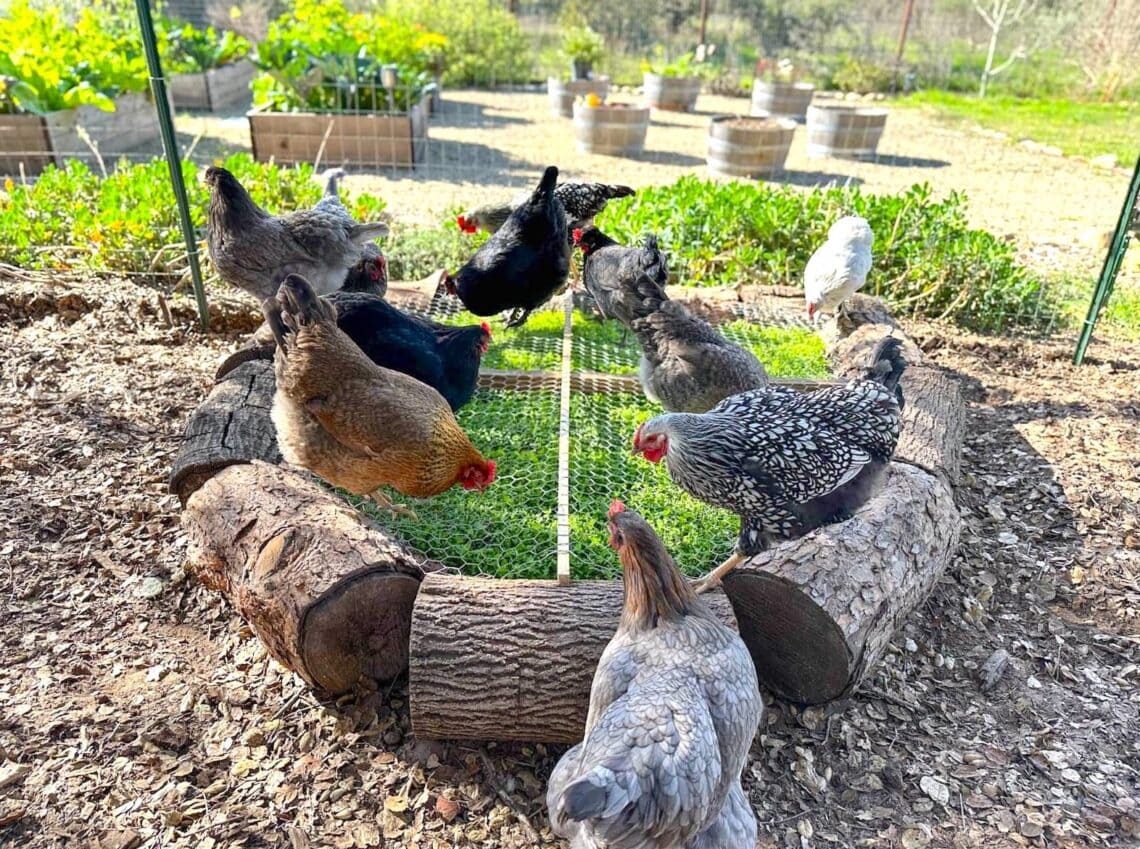
If this list feels like everything is dangerous, here is the calming counterbalance. These are my go-to treats that are easy on chicken digestion when offered in moderation:
- Chopped cucumber or zucchini
- Leafy greens like romaine, kale, and lettuce
- Berries like blueberries, strawberries, and raspberries
- Plain cooked egg (scrambled or hard-boiled)
- Plain cooked vegetables like carrots, peas, or sweet potato
Treats should stay a small part of the diet. A good layer feed still does the heavy lifting.
Not toxic, but still a bad idea
A few foods are not classic poisons, but they cause real problems in backyard flocks when fed often or in big amounts.
- Bread and crackers: fill birds up without much nutrition, can contribute to sour crop if overdone
- Greasy foods: upset digestion and can make droppings messy fast
- Very sugary treats: can throw off gut health and encourage pests
If you want to give treats, keep them to a small portion of the diet and stick to basics like leafy greens, cucumber, berries, and a little plain cooked egg.
If your chicken eats something toxic
First, do not beat yourself up. Chickens are talented at finding trouble. Focus on quick, calm action.
- Remove the source so no other birds can access it.
- Separate the bird if you can, especially if you do not know how much was eaten.
- Call an avian vet or an experienced livestock vet. Describe exactly what was eaten, approximately how much, and when.
- Do not try home antidotes like oil, milk, or activated charcoal unless a vet tells you to. You can make things worse or delay real treatment.
- Watch for urgent symptoms: weakness, wobbling, tremors, seizures, trouble breathing, severe diarrhea, sudden collapse, very pale comb or wattles.
Bring a sample of the food or plant to the vet if that helps identification. Time matters with toxins.
How I prevent accidents
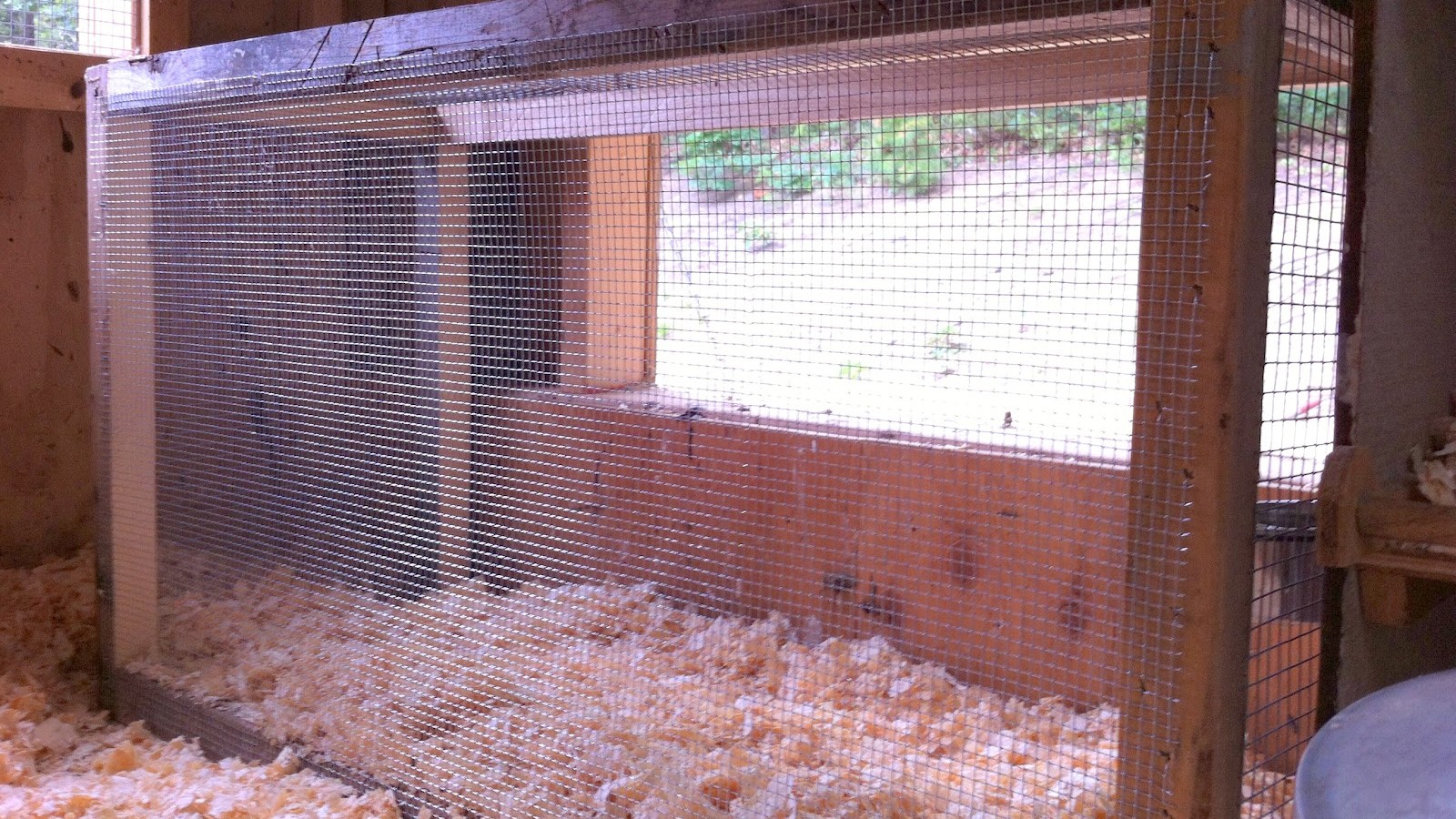
- Use a lidded metal trash can for kitchen scraps if you save them for compost.
- Compost behind a barrier so hens cannot scratch through it.
- Do a plant walk twice a year, spring and late summer, and remove or fence off toxic ornamentals.
- Feed treats in a bowl so you control what goes down and what gets trampled.
- Teach the family the no-go list, especially kids who love sharing snacks with the flock.
FAQ
Are tomato scraps safe for chickens?
Ripe tomato flesh is generally fine in moderation. Avoid feeding tomato leaves, stems, and unripe green parts, and do not toss whole vines into the run.
Can chickens eat garlic?
Small amounts are unlikely to be harmful, but large amounts of alliums (garlic and onion family) are not a good idea. I treat garlic as an occasional flavor in leftovers at most, not a “supplement.”
Is it okay to feed chickens leftover table food?
Sometimes, yes, if it is plain and not spoiled. Skip anything moldy, very salty, greasy, or heavily seasoned, and avoid the items in the list above.
Can chickens eat rice?
Cooked rice is generally fine as an occasional treat. Uncooked rice is not a helpful snack and can swell with moisture, so I do not offer it. If a few grains hit the ground during cooking, I do not panic, but I do not use dry rice as chicken feed.
What about citrus?
Most citrus is not considered toxic, but many chickens do not love it, and too much acidic fruit can upset some birds. If you offer it, keep it small and occasional, and remove peels before they get moldy.
The simple rule
If a scrap is questionable, compost it securely or throw it away. Your flock will be just as thrilled with a handful of chopped greens or a cucumber as they would be with whatever mystery casserole is lurking in the fridge. The goal is happy hens, steady eggs, and no emergency vet trips.