A practical checklist for picking healthy day-old chicks: what to look for in their eyes, vents, legs, fluff, and behavior, plus questions to ask before you ...
The Cluck Loom
Chicken Feed Stages: Starter, Grower, and Layer
Know what to feed chicks, pullets, and laying hens. Learn starter vs grower vs layer feed, typical protein and calcium ranges, and how to switch rations smoothly.

Maggie Harper
Maggie Harper is a passionate backyard chicken keeper with over a decade of hands-on experience raising mixed flocks. Through CluckLoom, she shares practical advice on coop building, flock health, and egg production to help beginners and seasoned enthusiasts alike raise happy, healthy chickens.
Published
October 22, 2026
Last updated
October 22, 2026
I still remember my first three Rhode Island Reds peeping their heads out of a cardboard brooder while I stared at a bag of “starter” feed like it was advanced calculus. Chicken feed labels can feel like a maze, but the idea is simple: as your birds grow, their bodies need different building blocks. Protein starts higher for muscle and feather growth, then eases off, and calcium ramps up when laying begins.
This guide walks you through starter, grower, and layer rations for backyard chickens, including when to switch, what to look for on the tag, and how to avoid the most common “oops” moments that can cause loose droppings, slowed growth, or egg problems.
The three stages at a glance
If you want the quick roadmap before we dig in, here it is. Your exact timing can vary by breed, season, and feed brand, but these ranges match the typical labels you will see for backyard flocks.
| Stage | Typical age range | Protein target (common) | Key goal |
|---|---|---|---|
| Chick starter | 0 to 6 weeks (sometimes to 8) | 18% to 22% | Fast early growth, feather development, overall resilience |
| Grower (or developer) | 6 to 16 weeks (sometimes to 18) | 14% to 18% | Steady growth without pushing early lay |
| Layer | When laying begins (often 18 to 24 weeks) | 15% to 17% (varies) | Egg production with higher calcium |
My rule of thumb: switch to layer feed based on eggs, not birthdays. A pullet that is not laying yet does not need layer-level calcium.
Stage 1: Chick starter feed (0 to 6 weeks)
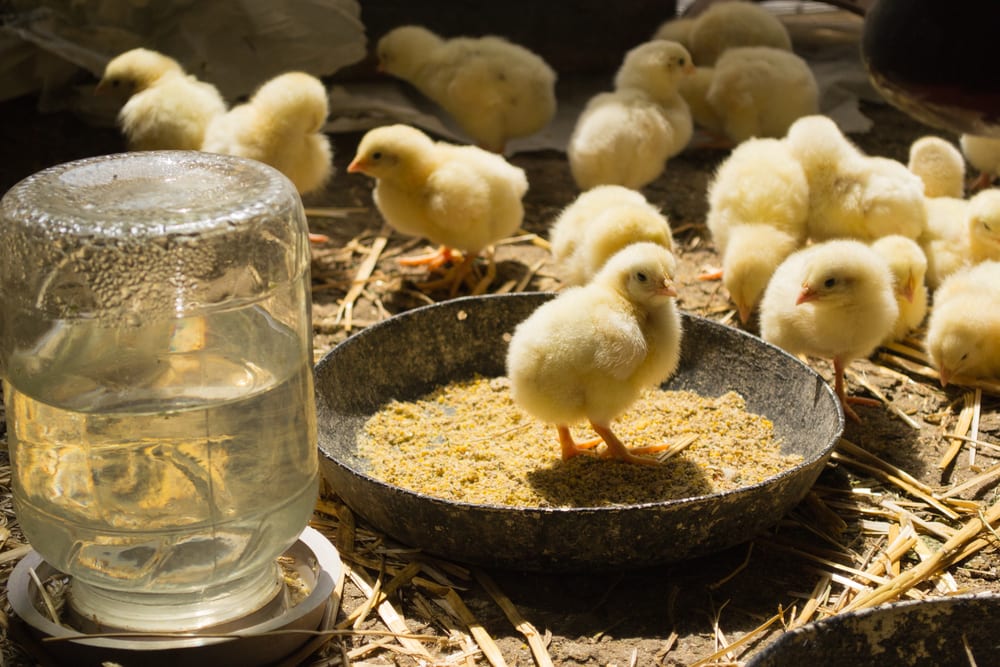
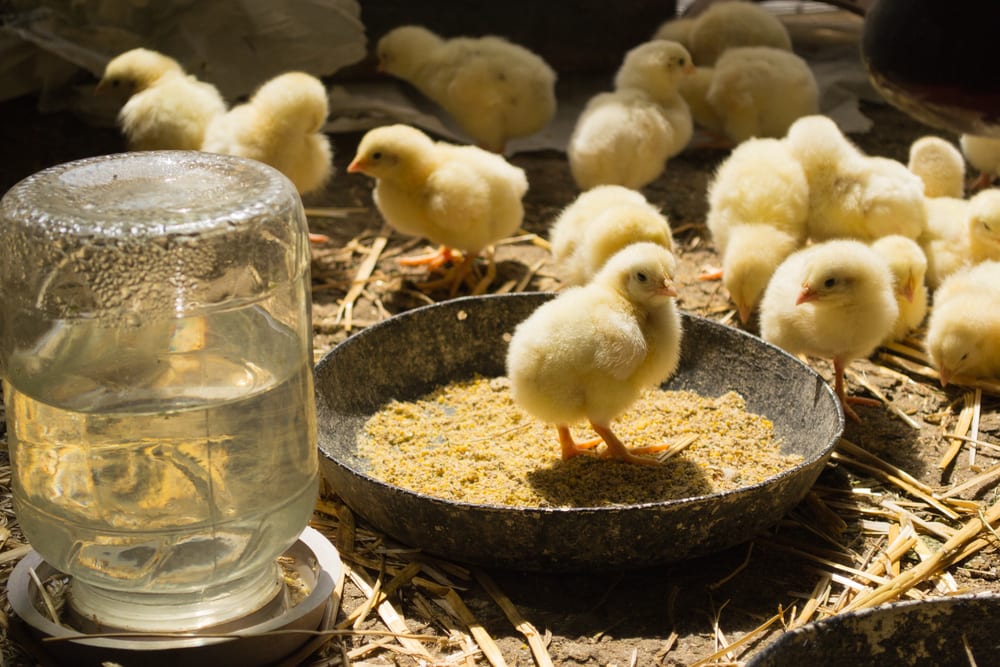
Chicks grow at an absurd speed. Starter feed is designed to keep up, with higher protein and a vitamin and mineral balance that supports bone development, organs, and feathers.
What to look for on the label
- Protein: commonly 18% to 20% for most backyard chicks. You will also see 20% to 22% formulas, often marketed for faster growth or meat birds.
- Form: crumbles are easiest for most chicks, especially in the first couple of weeks.
- Medicated vs non-medicated: in many regions, medicated starter commonly uses amprolium to help manage coccidiosis risk. It is not an antibiotic, but always read the tag since “medicated” can vary by brand and location.
Medicated starter: should you use it?
This is one of those topics where you will hear confident opinions on both sides. Here is my practical backyard take:
- Medicated starter can be helpful if you are brooding on the ground, have had coccidiosis before, or you are raising chicks in damp conditions where poo builds up fast.
- Non-medicated is fine if your brooder stays dry, you clean frequently, and you are using good biosecurity (fresh bedding, clean waterers, not tracking coop manure into the brooder).
- If you vaccinate for coccidiosis, follow the hatchery’s guidance. Many recommend non-medicated feed so the vaccine can do its job.
Either way, clean water and a dry brooder are your real “medicine.” Wet bedding is where trouble gets cozy.
How long to feed starter
Most keepers use starter until 6 weeks. Some extend to 8 weeks for slower-growing breeds or if birds are feathering out late in cool weather.
Tip from my own brooder chaos: If you notice a sudden uptick in spilled feed, swap to a feeder with a lip and raise it just a bit. Chicks treat low feeders like sandbox toys.
Stage 2: Grower or developer feed (6 to 16 weeks)
Once your chicks have a decent set of feathers and their growth rate steadies, grower feed takes over. The protein level is lower than starter because we are shifting from rapid baby growth to steady adolescent development.
Why not just keep feeding starter?
Feeding starter longer than necessary is not usually an emergency, but it can be wasteful and sometimes pushes growth faster than you want, especially in heavier breeds. Grower is a good middle ground that supports healthy development without trying to turn your pullets into egg machines before their bodies are ready.
What to look for on the label
- Protein: commonly 15% to 18%. (Some “developer” feeds run more like 14% to 16%, which is fine if growth is steady.)
- Calcium: should be lower than layer feed. Growers do not need the high calcium levels designed for shell production.
- Form: pellets or crumbles both work, depending on feeder setup and what your birds prefer.
Stage 3: Layer feed (when laying starts)
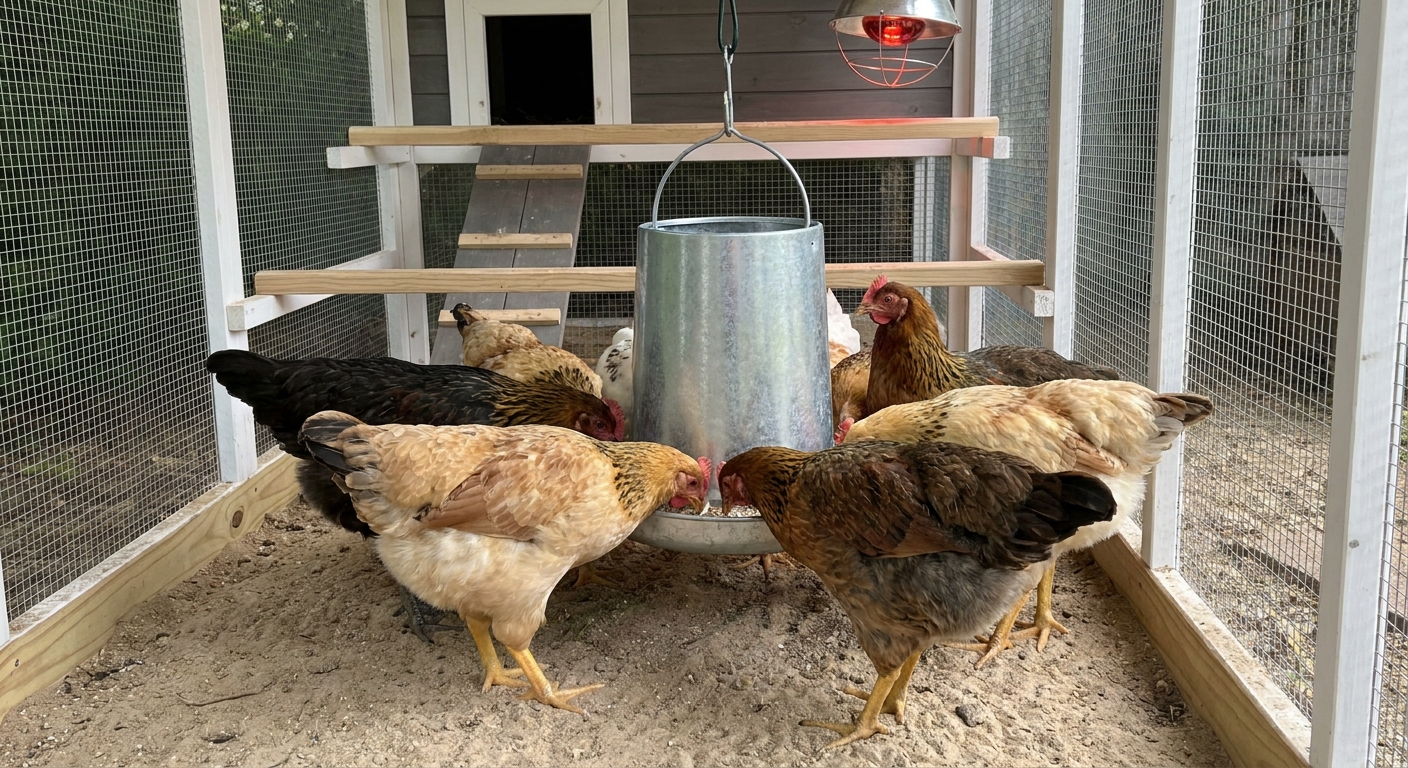
Layer feed is built around one big job: making eggs. The standout difference is calcium, typically around 3.5% to 4%, compared to much lower levels in starter or grower feeds. That calcium supports strong shells and helps prevent your hen from pulling calcium from her own bones.
When to switch to layer feed
Switch when you see one of these:
- Your first real egg (even if it is tiny, wonky, or looks like it was assembled by a committee).
- Clear signs that laying is imminent: bright red comb and wattles, more frequent squatting, and spending time in nest boxes.
Age-wise, many backyard breeds begin laying around 18 to 24 weeks, but I have had Ameraucanas read the calendar at their own pace.
Why timing matters
High-calcium layer feed is great for laying hens, but feeding it to birds that are not laying may increase kidney strain over time, especially if it becomes the long-term base diet. That is why I avoid switching the whole flock to layer feed “just because they look grown.” Let the first egg be your green light.
Layer pellets vs layer crumbles
- Pellets: less waste, less selective eating.
- Crumble: easier for smaller breeds or flocks that dislike pellets.
How to switch feeds smoothly
Chickens are not delicate flowers, but sudden feed changes can cause loose droppings and picky eating. I transition over about a week when I can, especially with young birds.
Quick note on droppings: a day or two of softer poop during a switch can happen. If you see blood, severe lethargy, persistent watery droppings, or chicks that stop eating and drinking, treat that as a red flag and investigate right away.
A simple 7-day switch plan
- Days 1 to 2: 75% old feed, 25% new feed
- Days 3 to 4: 50% old feed, 50% new feed
- Days 5 to 6: 25% old feed, 75% new feed
- Day 7: 100% new feed
If you are out of the old bag and have to switch fast, it is usually fine. Just keep treats minimal for a few days and make sure water stays clean and easy to access.
Feeding mixed-age flocks
In a perfect world, everyone in your coop would be the same age. In a backyard, you might have chicks in a brooder, pullets in a grow-out pen, and adult hens who believe breakfast should be served five minutes ago.
Best option: separate by stage
If you can, feed chicks and pullets separately from laying hens. It makes everything easier, especially calcium management.
If you cannot separate
- Feed grower or all-flock as the base ration for everyone until most birds are laying.
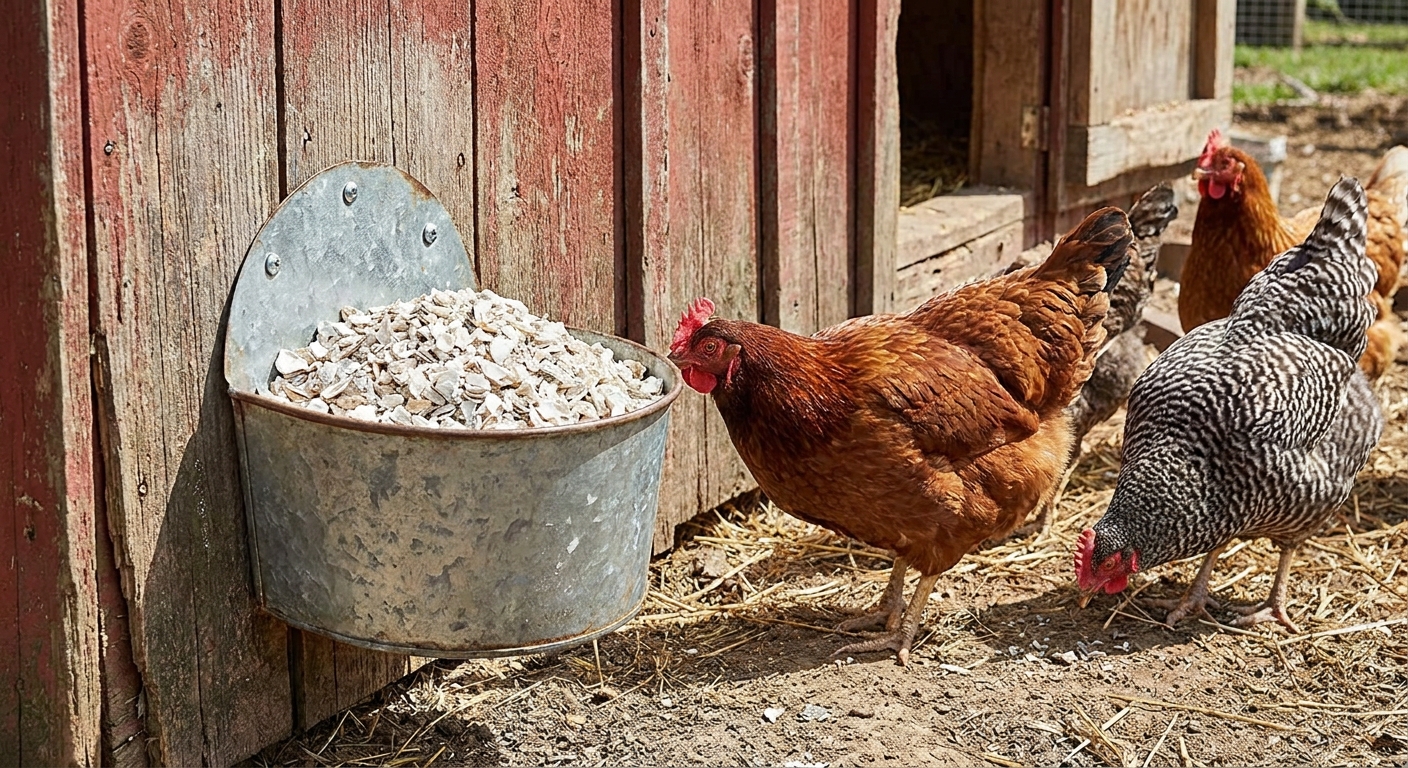
- Offer calcium free-choice on the side for active layers only, using oyster shell in a separate dish.
- Avoid forcing layer feed on non-layers for long stretches, including roosters and older hens that are not currently laying.
Most pullets will nibble at oyster shell out of curiosity once or twice, then ignore it. Hens in lay will seek it out like it is a snack bar.
Treats, scratch, and scraps
I love sharing extra garden bits with my flock, but treats can quietly unbalance a ration if they creep past “fun” and into “diet.”
- Keep treats to 10% or less of daily intake, especially for chicks and pullets.
- Wait on scratch grains until birds are older and fully feathered, and use them as an occasional cold-weather snack, not a meal.
- Protein treats like mealworms are fine in moderation, but they are not a replacement for a balanced starter or grower feed.
If eggshells are on your menu as a calcium option, bake or dry them thoroughly, crush them finely, and offer them in a separate dish. I still prefer oyster shell for consistency, but eggshell can help in a pinch.
Small but important note: chick starter is formulated for chicks. If you are raising ducklings or other waterfowl, their needs differ (niacin is the big one), so choose a feed made for them or supplement appropriately.
Common feed mistakes
Switching to layer feed too early
This is the big one. High calcium is for active egg production. Use grower longer if you are unsure.
Letting birds pick out the “good bits”
If you feed a loose mash or a mixed ration where birds can sort ingredients, they will. Pellets reduce selective eating and usually cut waste.
Overdoing treats because they look hungry
Chickens are professional beggars. A balanced ration should be available free-choice for most backyard setups. Treats should be the side quest.
Storing feed in a way that invites pests
Use a sealed bin with a tight lid, keep it dry, and buy what you can use in a reasonable timeframe. Rancid feed can cause poor appetite and off performance.
Frequently asked questions
Can chicks eat layer feed?
It is best to avoid it. Layer feed’s higher calcium is not designed for growing birds. If you are in a temporary pinch for a day or two, it is unlikely to cause disaster, but switch back to starter or grower as soon as you can.
Can laying hens eat grower feed?
For short periods, yes, but long-term it can lead to thin shells because grower feed is lower in calcium. If you must feed grower or all-flock as a base ration, offer oyster shell free-choice.
Do I need grit?
If your chickens eat only crumbles or pellets, they often do not need supplemental grit because the feed is already processed. If they eat whole grains, grass, weeds, kitchen scraps, or they free-range, provide insoluble grit (small stones) or they will usually find some in the soil. When in doubt, offering a small dish of grit is an easy insurance policy.
What about all-flock feed?
All-flock or “flock raiser” feeds can be a nice solution for mixed-age groups. They typically have moderate protein and lower calcium than layer feed. You then offer oyster shell separately for hens that are actively laying.
What should roosters eat?
Roosters and other non-layers do best on grower, all-flock, or a maintenance ration with no added calcium. If your flock eats a shared base feed, keep oyster shell separate so the layers can choose it and the boys can ignore it.
My pullets are 20 weeks and not laying. Should I switch anyway?
No rush. Some breeds, especially in fall and winter, take longer. Keep them on grower or all-flock and let the first egg (or very clear pre-lay signs) be your cue.
What if my hens stop laying in winter or during molt?
If your hens take a laying break, you can keep them on layer feed, or switch to an all-flock ration and offer oyster shell free-choice for the birds still laying. The main goal is keeping the base diet sensible for whoever is not actively producing eggs.
A simple plan
If you want the calm, no-second-guessing version:
- 0 to 6 weeks: chick starter (crumbles are easiest)
- 6 to 16 weeks: grower or developer
- When eggs start: transition to layer feed over a week
- Mixed ages: use grower or all-flock as the base, then offer oyster shell free-choice for active layers
Once you get the rhythm, feed stages stop feeling like a big decision and start feeling like a routine. And trust me, you will have plenty of other chicken mysteries to solve, like how they can turn a freshly raked run into a crater field in under ten minutes.