Calculate the right coop size, roost space, nesting boxes, and run area for backyard chickens with simple formulas, examples, and practical tips that help pr...
The Cluck Loom
Bantam vs. Standard Chickens
Bantam or standard chickens? Compare space needs, feed costs, egg size, temperament, noise, and breed options so you can pick the right birds for your backyard coop.

Maggie Harper
Maggie Harper is a passionate backyard chicken keeper with over a decade of hands-on experience raising mixed flocks. Through CluckLoom, she shares practical advice on coop building, flock health, and egg production to help beginners and seasoned enthusiasts alike raise happy, healthy chickens.
Published
October 22, 2026
Last updated
October 22, 2026
If you have ever stood in the feed store aisle holding a bag of chick starter and thinking, “Do I want tiny chickens or regular ones?” you are in good company. I started out with three Rhode Island Reds because that is what everyone around me seemed to have. Years later, after adding fluffier birds and a few pocket-sized personalities, I learned there is no single “right” size. There is only the right fit for your coop, your neighbors, and your egg goals.
This bantam vs. standard breakdown will help you choose with clear tradeoffs: space, feed, eggs, temperament, noise, and predator pressure. By the end, you will know whether you should go mini, full-size, or do what many of us eventually do and keep a mixed flock.

The quick difference
Standard chickens are full-sized breeds. Adult hens are often around 4 to 8 pounds, with lighter Mediterranean types sometimes under that and the biggest breeds reaching well beyond it (especially roosters).
Bantams are miniature chickens, usually about one quarter to one half the size of their standard counterparts. Some are true bantams (only exist in bantam size, like Seramas), and some are bantam versions of standard breeds (like Bantam Cochins or Bantam Wyandottes).
Both can be excellent backyard birds. The “best” choice depends on what you are trying to get out of your flock.
Space
Coop space
As a rule of thumb, these are common minimums:
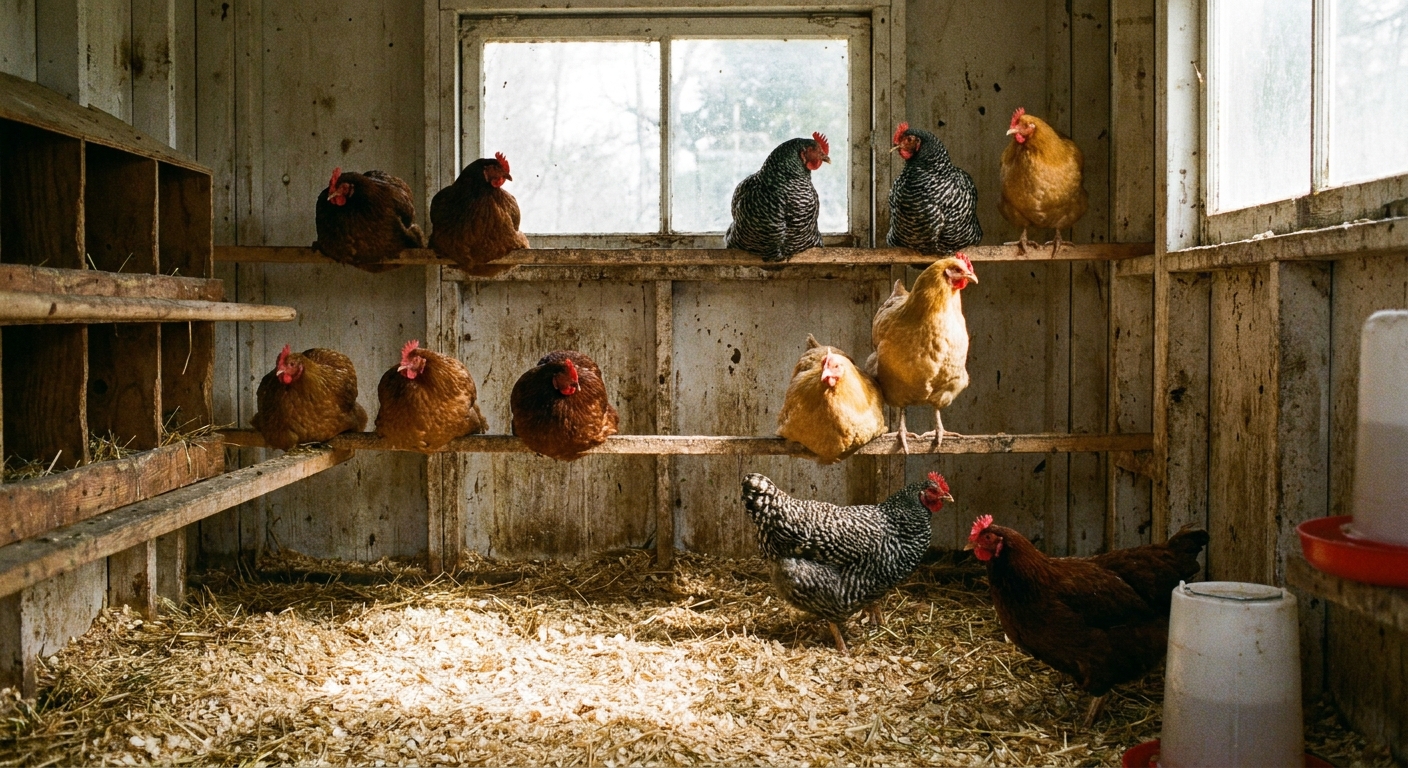
- Standard hens: about 4 sq ft per bird inside the coop
- Bantam hens: about 2 sq ft per bird inside the coop
That sounds simple, but there is a backyard chicken truth hiding in there: tighter housing usually means more mess, more moisture, and more squabbles. So even with bantams, I lean roomy if you can swing it.
Run space
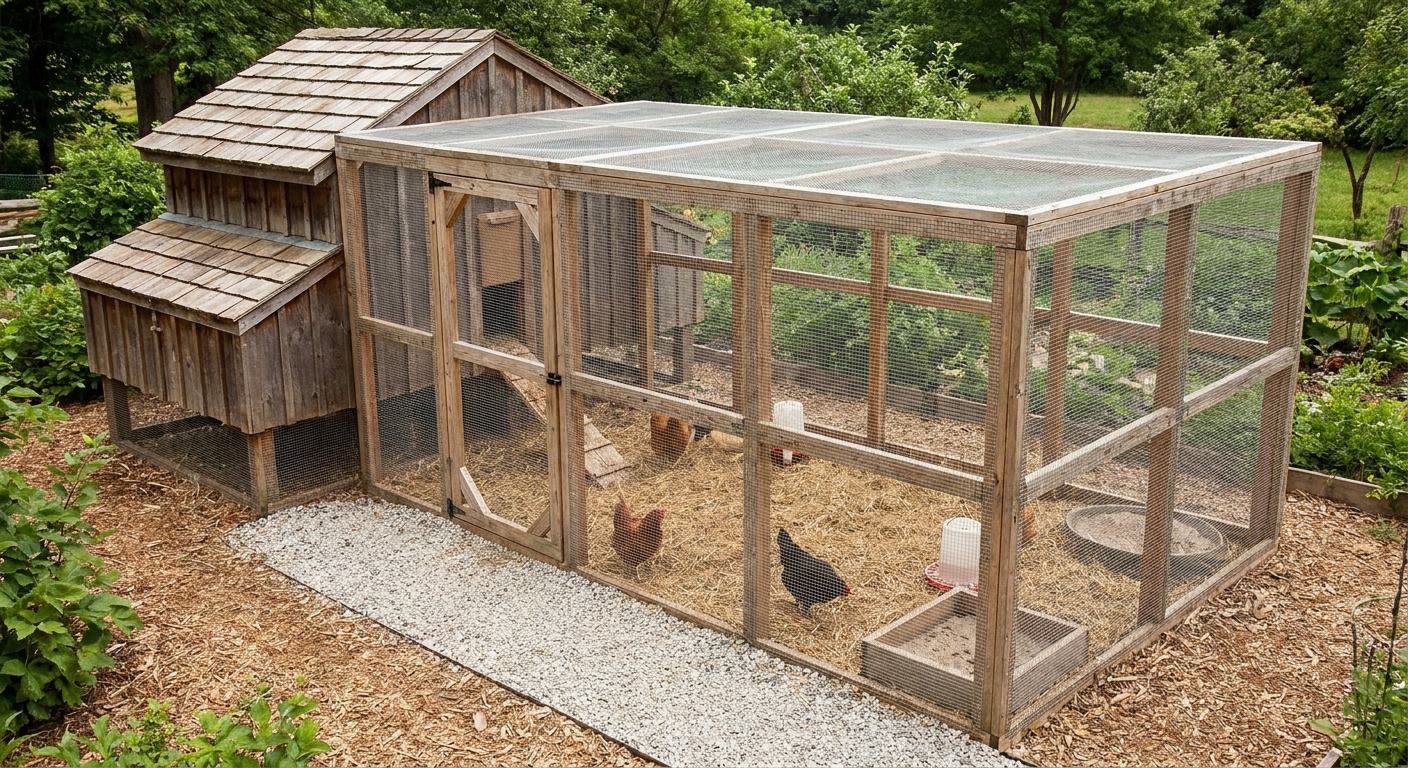
- Standard hens: about 8 to 10 sq ft per bird in the run
- Bantam hens: about 4 to 6 sq ft per bird in the run
If your birds are confined most of the time (no free-ranging), more run space is almost always better for boredom, bullying, and mud control.
Important caveat: bantams fly better. If your run is open-top, bantams are the ones you will find on the compost bin like they own the neighborhood.
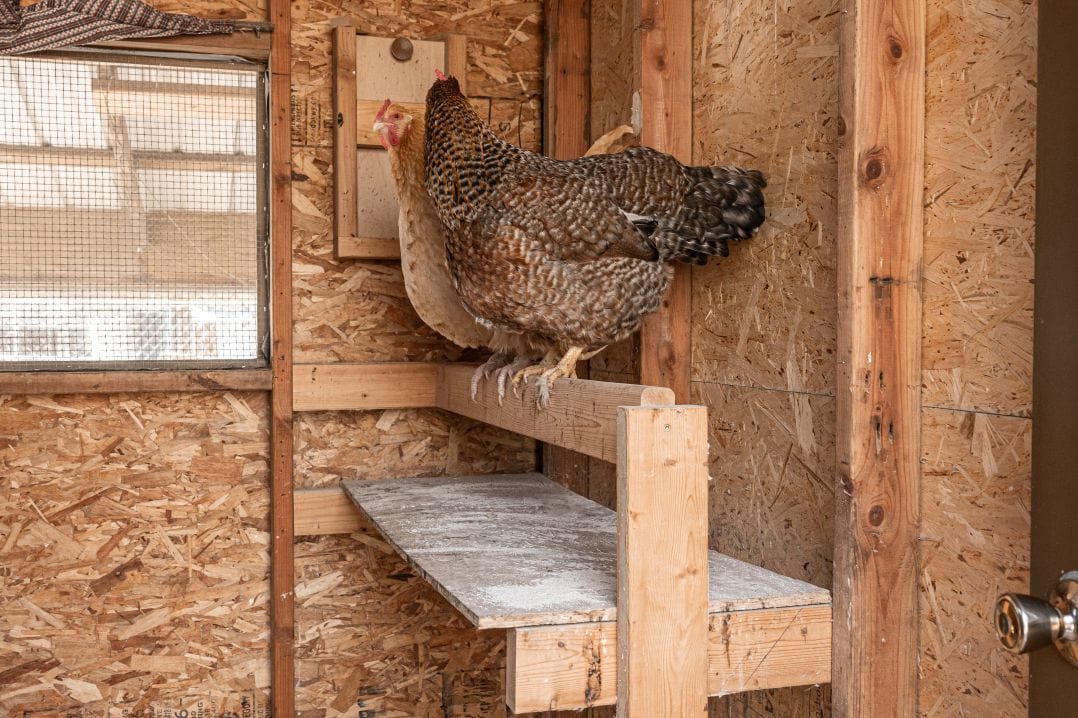
Roosts, ramps, and nest boxes
Standards like a sturdier roost. A 2x4 with the wide side up works well. Bantams can use the same, but they also do fine with slightly smaller perches.
Pop doors and coop ramps need to fit your biggest bird. If you are planning bantams only, you can build smaller, but most people end up adding a larger hen someday. It happens. Chickens have a way of “following you home.”
Two small details that matter with bantams:
- Nest box height and lip: bantams appreciate boxes that are a bit lower and easier to step into, with a modest lip so eggs do not roll out.
- Roost access: if roosts are high, add a step or ladder with closer spacing so small birds can get up and down safely.
Feed costs
Bantams eat less. That part is true and noticeable. What surprises people is that the savings are not always as dramatic as expected, because waste and feeding style matter.
Typical daily feed
These are typical backyard averages for birds on complete feed, with plenty of variation by season, activity level, and whether a hen is actively laying:
- Standard hen: roughly 3 to 5 ounces (about 0.20 to 0.30 lb) per day
- Bantam hen: roughly 1.5 to 3 ounces (about 0.10 to 0.18 lb) per day
A heavy standard like an Orpington will eat more than a smaller standard like a Leghorn. A bantam that spends all day sprinting around the yard like a wind-up toy will also eat more than you think.
Cost per egg is the real math
If your main goal is economical eggs, standards usually win because they lay larger eggs, and many standard production breeds lay more often.
Bantam eggs are smaller, so you may use more of them in recipes. As a rough kitchen reality check, bantam eggs are often around 30 to 40 grams while a large standard egg is often around 50 to 57 grams. That is why “two bantam eggs equals one large” is not a perfect rule, but it is a decent starting point for baking.
Waste watch
Bantams are adorable, but some are champion flickers of crumble. A feeder that reduces scratching and tossing can save you money regardless of chicken size.
Egg production
Egg size
This is the simplest difference. Standard hens generally lay large to extra-large eggs. Bantams lay smaller eggs, often closer to “small” store eggs.
In the kitchen, bantam eggs are wonderful. The yolk-to-white ratio feels richer, and they make the cutest deviled eggs you have ever seen. But for a family that goes through eggs quickly, standard eggs are easier to keep up with.
Eggs per week
It depends heavily on breed and line, but here is a backyard-keeper expectation that holds up pretty well in peak season:
- Standard laying breeds: often 4 to 6 eggs per week (some production hybrids can push higher in ideal conditions)
- Bantams: often 2 to 5 eggs per week, with lots of variation and more seasonal swings in some lines
Some bantams lay very respectably. Others prioritize hobbies like being broody, exploring every corner of your landscaping, and doing dramatic dust baths right before company arrives.
Broodiness
Many bantam breeds are more likely to go broody, meaning they stop laying and commit full-time to “nesting box security.” If you want chicks, bantams can be excellent little mothers. If you want steady eggs, broodiness can be frustrating.

Temperament
Bantams
Bantams often have big personalities in small bodies. Many are friendly and easy to handle, especially if raised with regular gentle interaction. But some bantams can be quick, wiggly, and flighty, mostly because they are lighter and faster. For kids, bantams can be a great choice if the birds are calm and the child is supervised, but the catching part can be tougher.
Standard chickens
Standard chickens are generally easier to scoop up and hold securely, and heavier breeds tend to be calmer. My Orpingtons, for example, act like feathered ottomans. They are not in a rush to go anywhere.
Roosters
If you can legally keep a rooster, bantam roosters are not automatically easier. They are smaller, yes, but they can still be spicy, and their crow can be surprisingly sharp. Standard roosters are larger and can be more intimidating, which matters if you have children or a small yard.
Noise
Chicken noise varies more by breed and individual personality than by size. You may notice that some bantams are a bit more “chatty” and higher-pitched, and some larger hens are quieter day to day, but there are plenty of exceptions in both directions.
In close neighborhoods, the bigger issue is usually roosters, not hens. If you are trying to keep peace with nearby patios and nap schedules, plan your flock around hens only, regardless of size.
One more neighbor tip: local rules and HOA guidelines often focus on roosters, flock size, and setbacks. It is worth checking before you bring home chicks, even if everyone on your street seems relaxed about it.
Predators
I am going to say the un-fun part plainly: bantams are easier for predators to take. Their smaller size means:
- hawks can target them more readily
- they can slip through larger gaps in fencing, and predators can sometimes reach them through those same gaps
- they are more vulnerable if they get separated from the flock
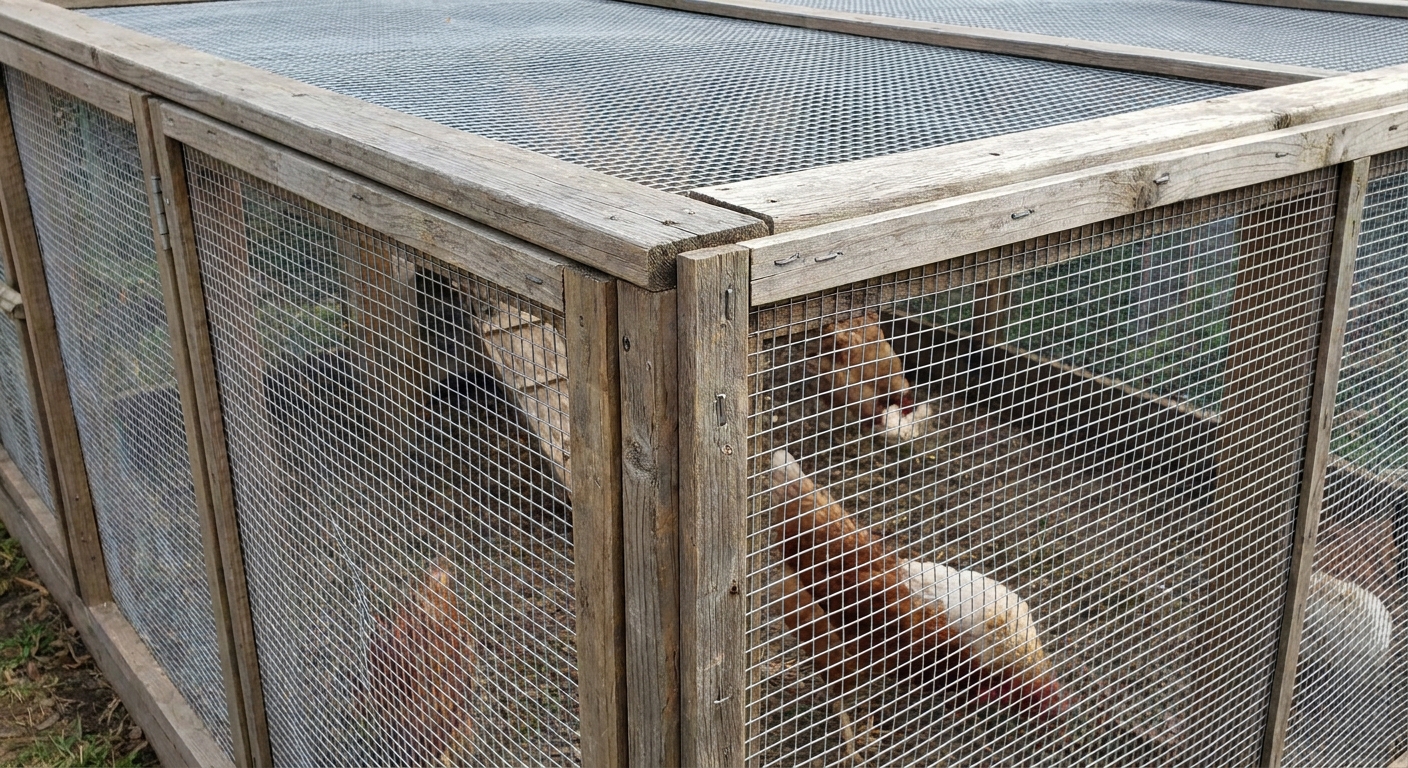
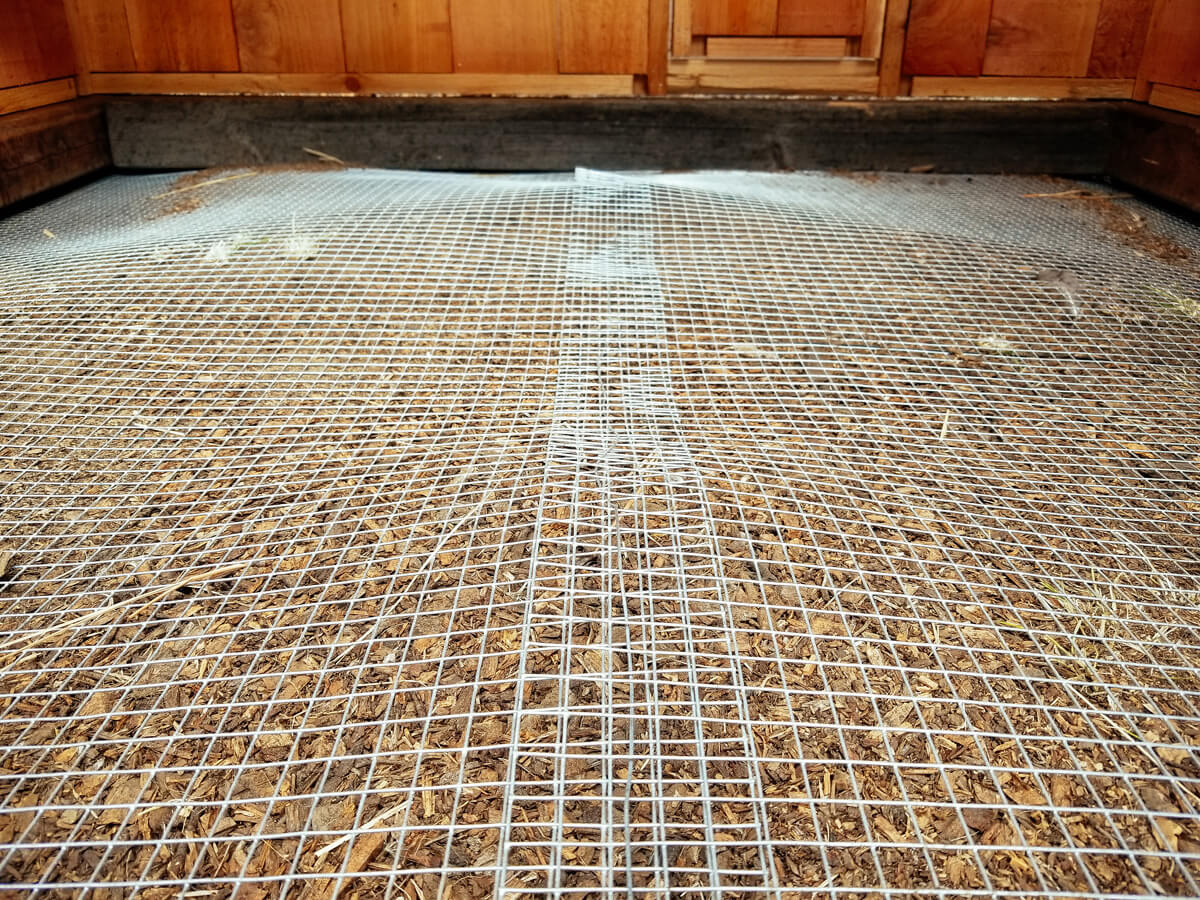
If you choose bantams, make predator-proofing non-negotiable: hardware cloth (not chicken wire) on the run, a secure top, solid latches, and no “temporary” gaps you mean to fix later. Predators love later.
If you are building or retrofitting, 1/2-inch hardware cloth is a solid default. For extra-small bantams (and for keeping out smaller predators), going tighter can help.
Weather
Cold
Smaller bodies lose heat faster, so bantams can struggle more in deep cold, especially if they have large combs that are prone to frostbite. That does not mean bantams cannot live in cold climates. They can, but they need a dry, draft-controlled coop and enough space to roost comfortably.
Also, size is not the whole story. Feather density and comb type can matter as much as weight. A small, tight-combed bantam with good feathering may handle winter better than a bigger bird with a large comb.
Many standard breeds, especially heavier ones, handle winter more easily. My Wyandottes and Orpingtons act like they were built for January.
Heat
In hot climates, body size is only part of the equation. Comb size, feather density, shade, airflow, and cool water access matter most. Some smaller birds do fine in heat, and some fluffy bantams struggle.
If you live where summers are brutal, prioritize ventilation, shade, and plenty of water stations, no matter what size you choose.
Breed options
Both bantams and standard chickens come in a wide range of colors, comb types, and feather styles. A few common patterns you will see:
Popular standard picks
- Rhode Island Red: productive, hardy, sometimes a little bossy
- Buff Orpington: friendly, calm, good for families, fluffy in winter
- Plymouth Rock: steady layers and generally easygoing
- Australorp: great production, usually gentle
Popular bantam picks
- Silkie: sweet, broody, not a top egg layer, needs extra care in wet weather
- Belgian d’Uccle: charming, often friendly, can be more delicate
- Serama: tiny and personable, best with secure housing
- Bantam Cochin: fluffy, often broody, more pet-like than production-focused
If eggs are your main purpose, pick the bird based on breed and line, not just size. A productive standard breed will out-lay most bantams, but a low-production standard will not magically beat a good-laying bantam.
Mixing sizes
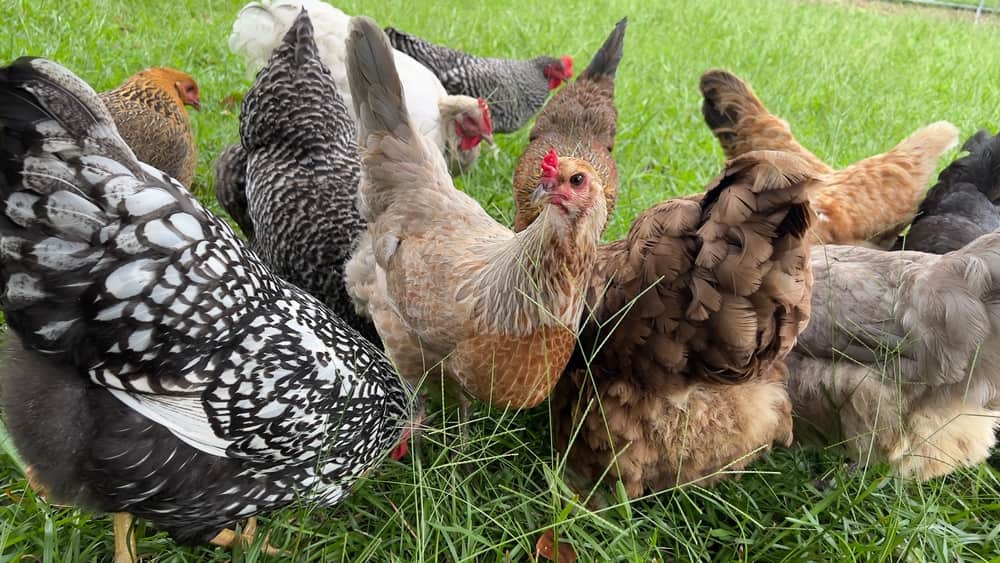
Yes, you can mix bantams and standard chickens, and many backyard keepers do. But you need to manage two things: pecking order and access to resources.
How to make it work
- Add multiples, not a single tiny bird. A lone bantam added to a group of big hens is more likely to get bullied.
- Provide extra feeders and waterers. Put one set in a spot where a timid bantam can eat without being shoulder-checked.
- Watch roosting. Make sure bantams are not getting bumped off at night.
- Choose calmer standard breeds. Gentle giants are easier roommates.
I have found that confident bantams do fine with polite standards, but a pushy large hen can make life stressful for smaller birds. Your job is basically chicken hall monitor for the first few weeks.
Decision time
Choose bantams if you want:
- more birds in a smaller coop and run (within reason)
- pet-like charm and personality
- smaller eggs for smaller households, or for fun variety
- broody hens for hatching and raising chicks
Choose standard chickens if you want:
- bigger eggs and often more consistent production
- birds that are typically easier to handle and contain
- more cold hardiness in many climates and breeds
- a flock that is often simpler to manage in the pecking order
Choose a mixed flock if you want:
- good egg supply plus a few tiny personalities
- variety in size, color, and egg basket surprises
- to learn chicken behavior fast, because mixed flocks will teach you
FAQ
Are bantams easier for beginners?
They can be, especially if you are keeping chickens as pets and you want a smaller daily feed bill. But bantams are not automatically easier. They often require tighter predator-proofing and may be harder to catch and handle.
Do bantams lay every day?
Some do during peak season, but many bantams lay less frequently than strong standard laying breeds. Breed choice matters a lot, and broodiness can interrupt laying.
How many bantams equal one standard chicken?
For space, many keepers plan for roughly two bantams in the footprint of one standard. For eggs, it is not a perfect conversion, but in the kitchen you may use two bantam eggs where you would use one large standard egg, especially in baking.
Can bantams use the same coop as standard chickens?
Yes, if the coop is secure and roomy, and you provide enough feeding and watering stations. Make sure roosts are accessible and that bantams are not being pushed away from food.
My backyard bottom line
If your priority is a steady basket of big breakfast eggs, go with standard chickens and pick a proven laying breed. If your priority is charm, variety, and fitting more birds into a modest setup, bantams can be pure joy, as long as you take predator-proofing seriously.
And if you are on the fence, here is my neighbor-over-the-fence advice: start with calm standard hens for your foundation, then add a couple bantams once your coop routine feels easy. That way you get the eggs and the entertainment, which is, honestly, what most of us wanted in the first place.