A backyard-tested comparison of custom-built coops vs. store-bought kits, including cost, longevity, space benchmarks, predator-proofing, climate considerati...
The Cluck Loom
Predator-Proof Your Chicken Coop and Run
Lock down your coop and run with hardware cloth, predator aprons, secure latches, and smart layout tips. Practical protection from foxes, raccoons, hawks, and diggers.

Maggie Harper
Maggie Harper is a passionate backyard chicken keeper with over a decade of hands-on experience raising mixed flocks. Through CluckLoom, she shares practical advice on coop building, flock health, and egg production to help beginners and seasoned enthusiasts alike raise happy, healthy chickens.
Published
October 22, 2026
Last updated
October 22, 2026
If you keep chickens long enough, you learn two things: predators are patient, and they only need one weak spot. Most heartbreak stories I hear start the same way: “It was fine for months… until it wasn’t.” The good news is predator-proofing is not magic. It is just a handful of very specific upgrades done thoroughly.
I started twelve years ago with three Rhode Island Reds and a coop that was basically optimism with a roof. I learned quickly that raccoons are little engineering students with hands, foxes are quiet as gossip, and hawks can turn your free-ranging dream into a panic sprint across the yard.
This guide will walk you through the big threats, the common failure points, and the upgrades that actually hold up in real backyards.
Know the predators
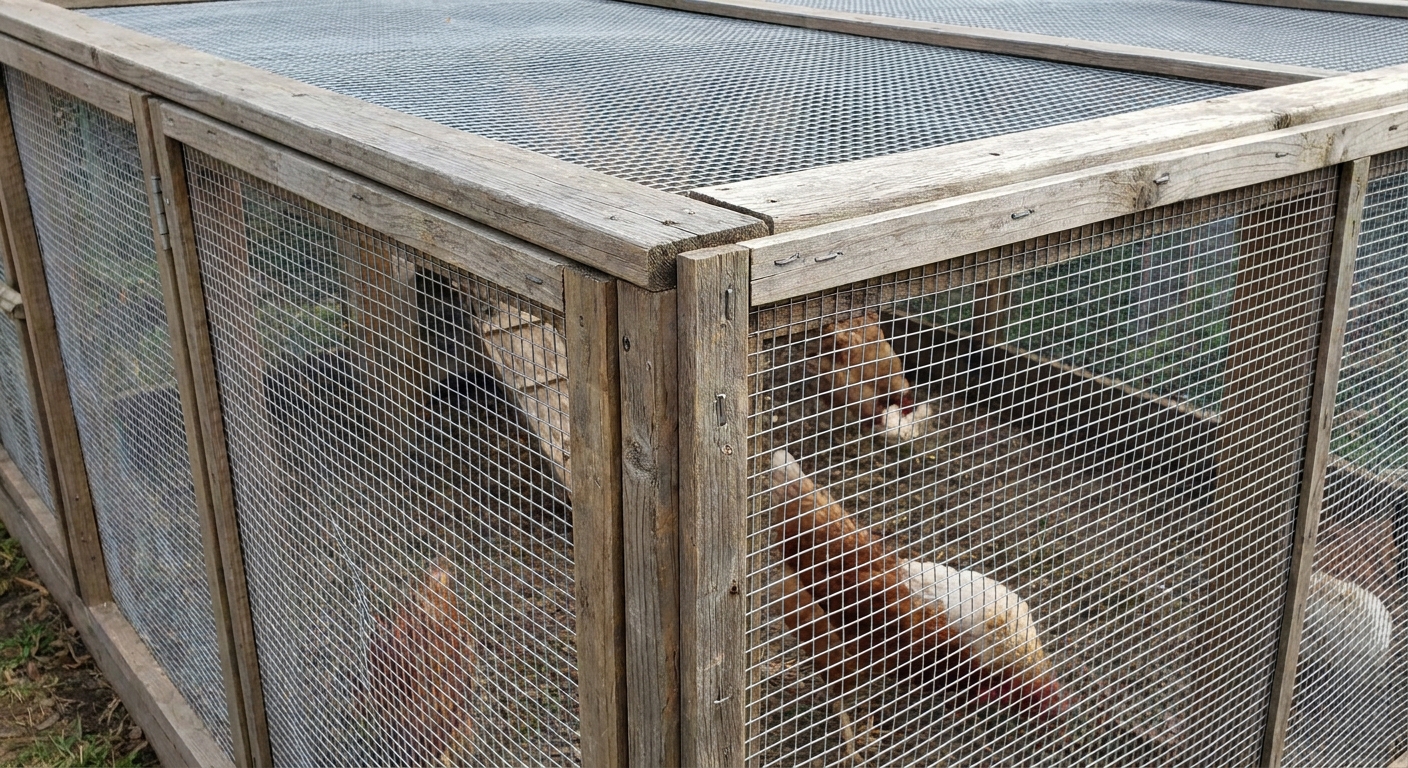
Predator-proofing works best when you match your defenses to the way each animal hunts. Here are the usual suspects and what they are looking for.
Raccoons
Raccoons are the safecracker of the backyard. They reach through gaps, undo simple latches, and pull at wire until something gives. They are also notorious for grabbing a bird through fencing if the openings are big enough.
Foxes and coyotes
These guys are diggers and opportunists. A fox often tests the perimeter, finds the easiest spot, and comes back with a plan. Coyotes are less “sneaky hands” and more “strong, persistent pressure.”
Hawks and owls
Hawks hunt by sight in daylight. Owls tend to hunt at dusk and night, and some can be active in low light. A covered run and smart hiding spots reduce losses dramatically, especially for smaller hens, bantams, and young birds.
Small and digging predators
Weasels and mink can fit through shockingly small gaps and can kill multiple birds quickly. Mink are especially a concern in some areas, particularly near water. Dogs may not mean to “hunt,” but they can rip through flimsy fencing in seconds. Skunks tend to go for eggs and chicks, but they will also exploit weak doors and gaps.
Start with the pressure points
If you remember nothing else, remember where coops fail: corners, seams, door edges, vents, and anywhere a predator can pry and peel. Predators rarely “charge” a wall. They probe for an edge that moves.
- Seams: overlap and fasten like you expect tugging.
- Corners: reinforce and cap loose wire edges.
- Doors: tight fit plus latches that cannot be flipped open.
- Base: stop digging right at the perimeter with an apron or barrier.
Rule one: upgrade chicken wire
Chicken wire is everywhere and it is cheaper. It can be fine for keeping chickens in and it may discourage very low-pressure pests, but it is a poor choice for predator protection. It bends, tears, and has openings large enough for grabbing paws and snouts. If you have raccoons, dogs, foxes, or persistent pressure, chicken wire is the weak link.
What to use instead
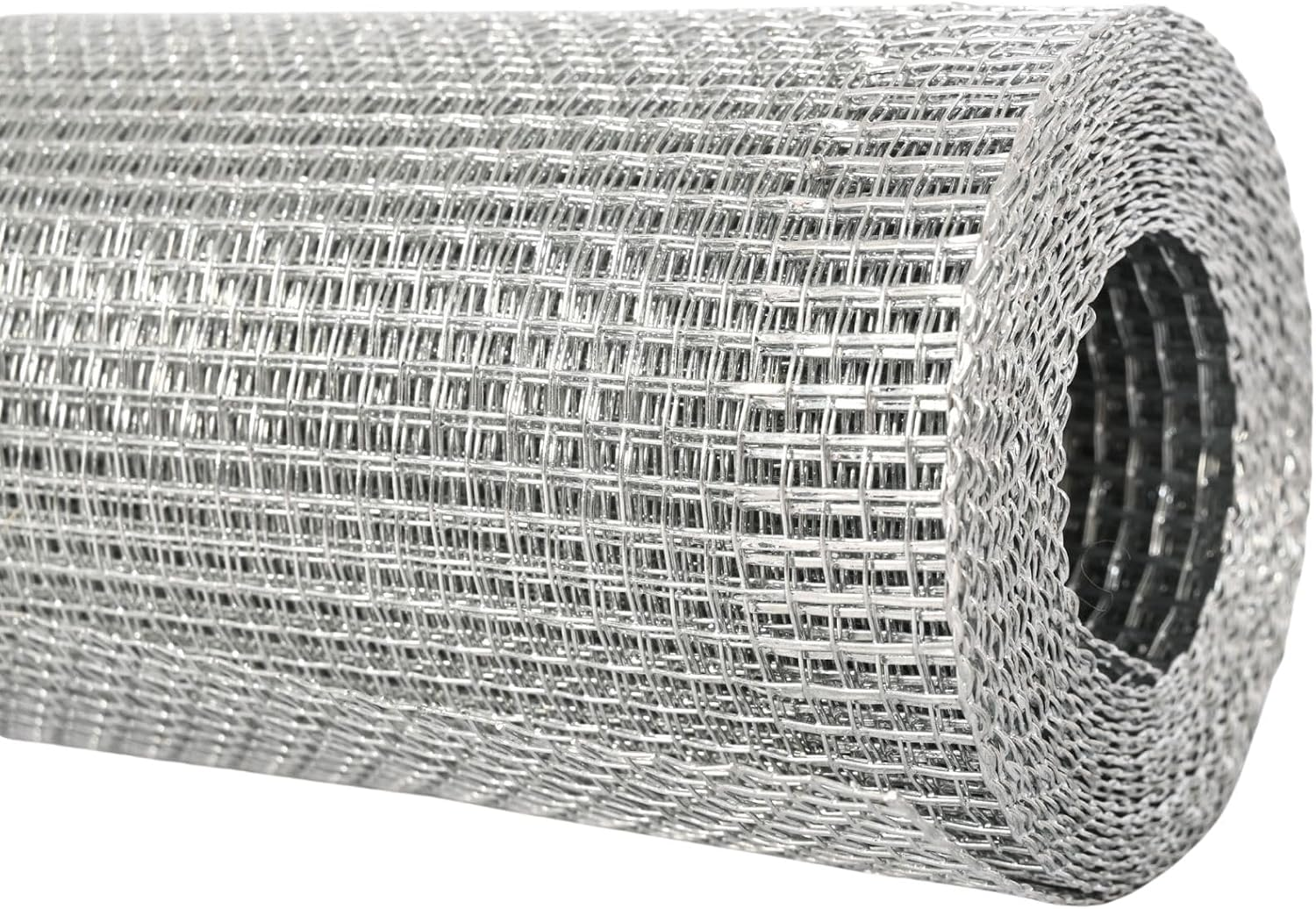
- Galvanized hardware cloth (welded wire mesh), ideally 1/2 inch openings for general coop and run walls.
- For high-risk areas (vents, windows, and any opening where a small predator could squeeze), consider 1/4 inch hardware cloth.
Hardware cloth details
- Gauge matters. Thicker wire resists chewing and bending better. If you can easily flex it with your hands, a determined predator can too.
- Fasteners matter. Use exterior screws with washers or poultry staples driven deep and close together. Spacing fasteners every few inches helps prevent peel-back attacks.
- Seams matter. Overlap seams by at least a couple inches and fasten both layers. Predators love a loose edge.
Secure the coop
Think of the coop as your flock’s safe room. Even if you have a run, the coop needs to withstand pressure, pulling, and prying at night when your birds are sleepy and slow.
Vents and windows
Good ventilation keeps ammonia down and respiratory issues away, but open vents are prime entry points. Cover every opening with hardware cloth, not screen and not decorative garden mesh.
- Attach hardware cloth on the outside of vents when possible so predators cannot push it inward.
- Frame it with wood trim strips for a clean finish and extra strength.
- If you have weasels, mink, or heavy rodent activity, treat anything larger than 1/4 inch as a problem on the coop itself, especially around vents and rooflines.
Floors
You have three common options, and each can be safe if you build for it.
- Raised coop with a solid floor: Great for predator resistance if the underside is enclosed or inaccessible. Make sure there are no gaps at corners and along the sill.
- Coop sitting on the ground: Works well if you add a perimeter barrier (more on aprons below) and keep the base tight to the ground.
- Wire floor: I do not recommend it for comfort, cleanliness, or winter management. It can also fail at seams.
Doors
Your pop door and human door are where most “mystery” breaches happen. Wood swells, hinges loosen, and latches get lazy.
- Use tight door fits with minimal gaps.
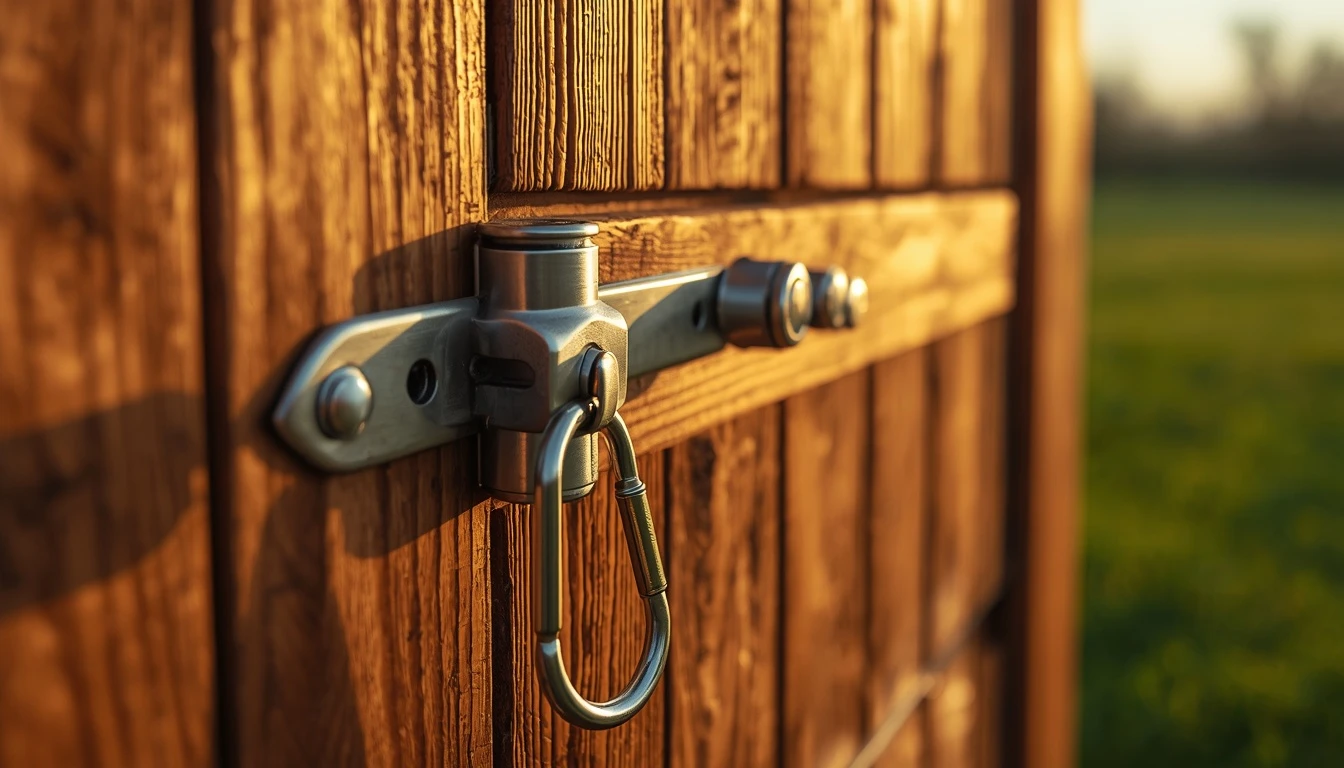
- Install two-step latches that cannot be flipped open by a raccoon.
- Add hinge screws long enough to bite into framing, not just thin trim boards.
Secure the run
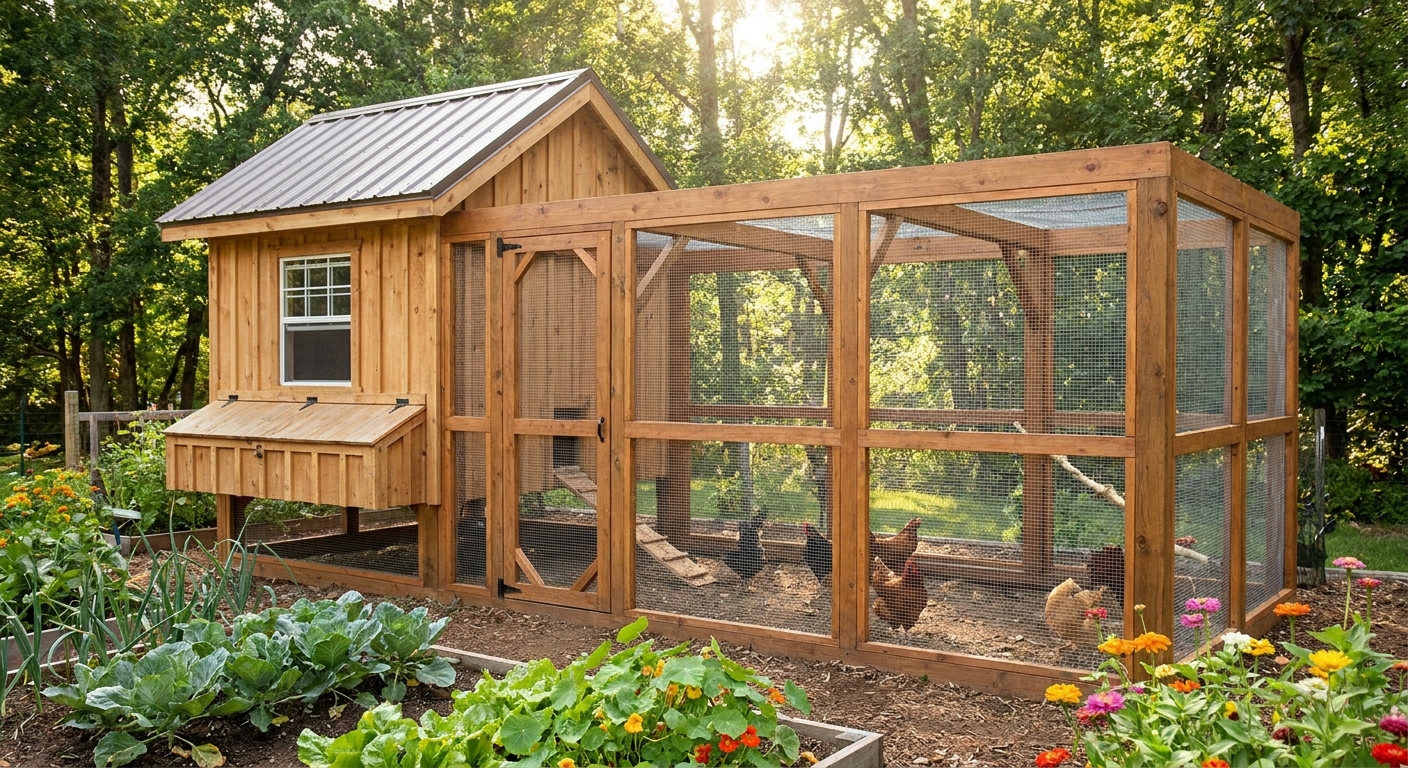
If your chickens spend most of their day in a run, that run needs to function like an outdoor fortress. The run is where predators can spend time testing your build without you noticing.
Stop the grab zone
Even if nothing can squeeze through, a predator can still injure or kill a chicken by grabbing through wire. Use hardware cloth on the lower portion of the run, especially near any area birds hang out close to the sides.
- As a baseline, reinforce at least the lower 24 inches of run walls with hardware cloth.
- In high-pressure areas, go higher, or do the whole run in hardware cloth.
Cover the top
A roof does three jobs: keeps raptors out, keeps climbers from dropping in, and helps with weather. You have a few options:
- Hardware cloth roof: Most secure. Strong framing required.
- Welded wire roof: Better than nothing, but choose a sturdy gauge and secure it well.
- Netting: Helps for hawks but does not stop climbing predators and can sag or tear. If you use it, think of it as a temporary layer, not your main defense.
Stop digging
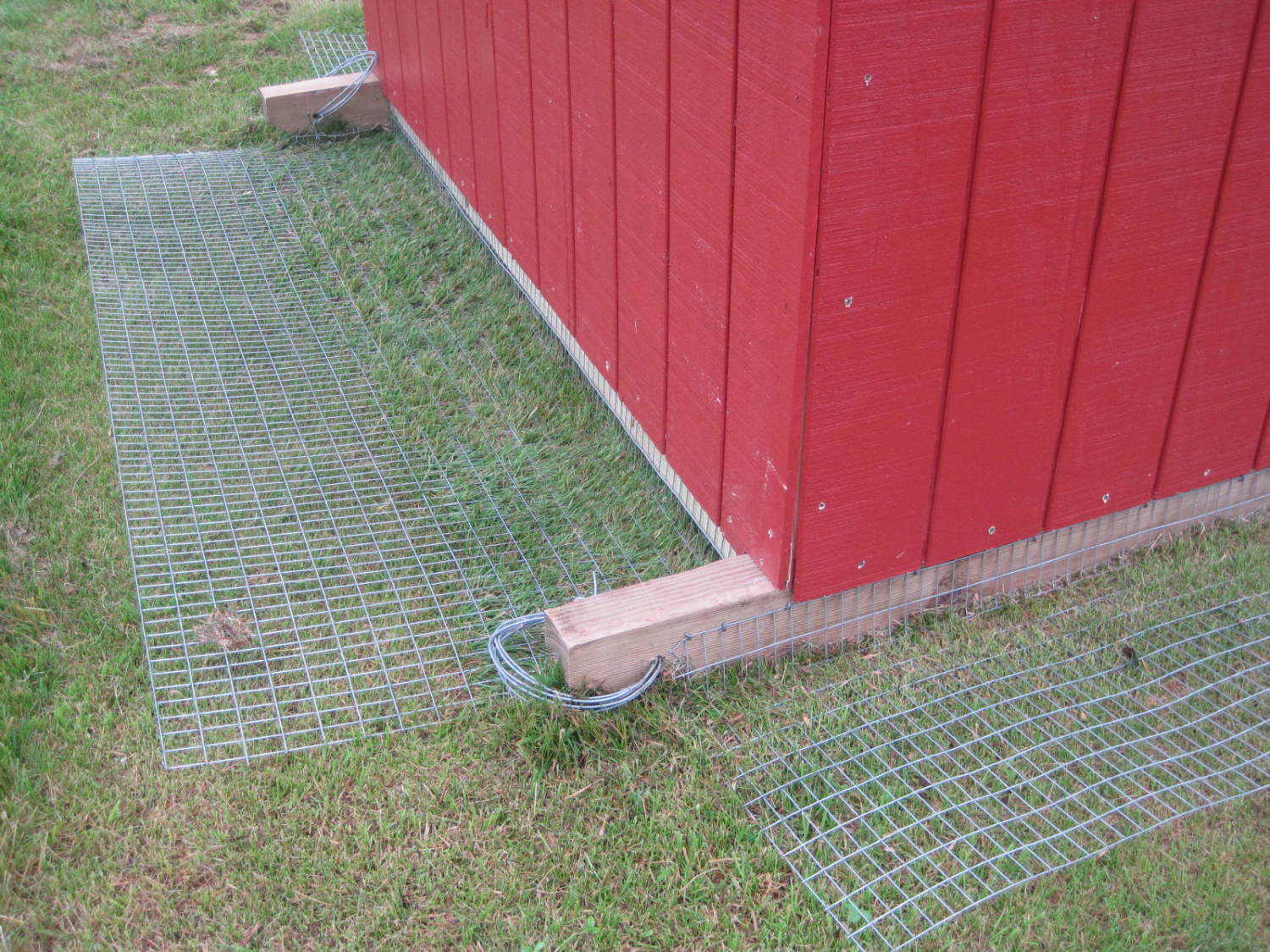
Digging predators rarely tunnel like cartoon miners. Most dig right at the edge, trying to get under a wall. That is why a predator apron works so well.
Predator apron
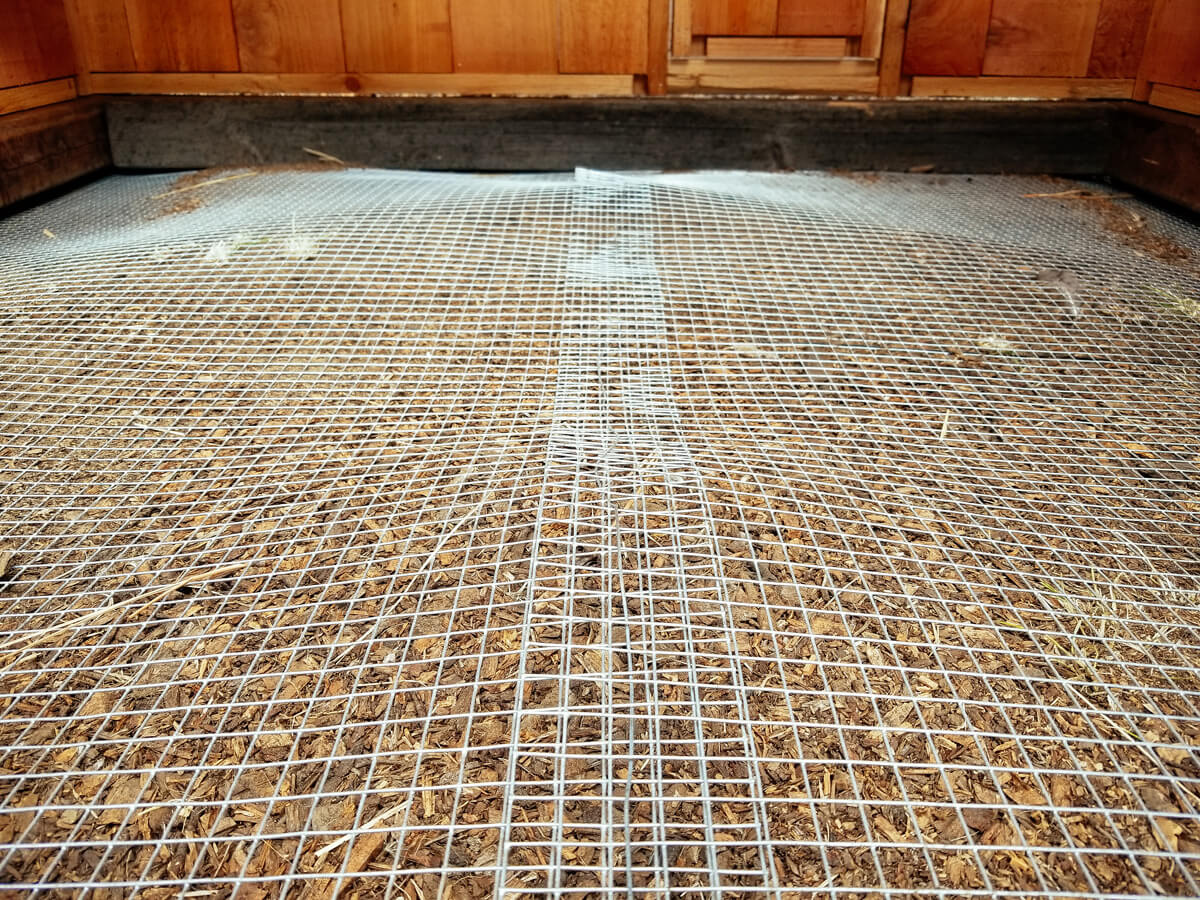
A predator apron is hardware cloth laid flat on the ground around the coop or run perimeter, like a skirt. When a fox or dog starts digging at the edge, it hits wire and gives up or moves on.
- Use 1/2 inch hardware cloth.
- Width: 24 inches is a common minimum. 18 to 24 inches can work in lighter pressure, but 30 to 36 inches is a better target for dogs, coyotes, and repeat offenders.
- Stake it down securely with landscape staples and cover it with a thin layer of soil, mulch, or gravel.
- Overlap sections and fasten overlaps with wire ties or hog rings.
Buried barrier
You can bury hardware cloth vertically 12 to 18 inches down, or create an L-shape barrier. This is strong protection, especially for permanent runs, but it is harder in rocky soil and it is miserable around tree roots.
Pavers or concrete edge
For small coops and tight footprints, a paver border can help. It is not my only line of defense, but it is a nice add-on when paired with an apron.
Use real latches
If you take only one thing from this guide, let it be this: raccoons can open simple slide bolts. I have watched them do it like they pay property taxes.
Better latch options
- Hasp + carabiner (or a locking clip). Simple and effective.
- Two-action gate latches that require lifting and pulling in sequence.
- Locking barrel bolts paired with a clip.
Placement tips
- Put latches where doors pull tight against the frame.
- Use at least two latch points on larger doors to prevent warping and pry gaps.
- Add a simple door stop strip inside the frame so the door cannot be pushed inward.
Seal small gaps
When people say “something got in but nothing looks broken,” I start thinking about small predators. Weasels and mink are masters of slipping through construction shortcuts.
- Cover every vent and opening with 1/4 inch hardware cloth if you have known weasel or mink activity.
- Check for gaps at rooflines, eaves, and where panels meet. If you can fit a finger tip through, measure it and fix it. On the coop itself, aim to seal anything larger than 1/4 inch in mustelid country.
- Make sure pop doors close flush. If your pop door slides in grooves, keep the grooves tight and clean.
Rodents and feed
Predator-proofing overlaps with rodent-proofing, and rodents bring their own problems. They attract bigger visitors, chew wood, and turn a tidy coop into a stressful one.
- Store feed in a sealed metal container with a tight-fitting lid.
- Do not leave feed out overnight in the run or coop.
- Use 1/4 inch hardware cloth on feed room vents and any openings where mice could slip in.
- Keep bedding dry, clean up spills, and avoid creating cozy hiding corners along the coop base.
Hawk-proofing
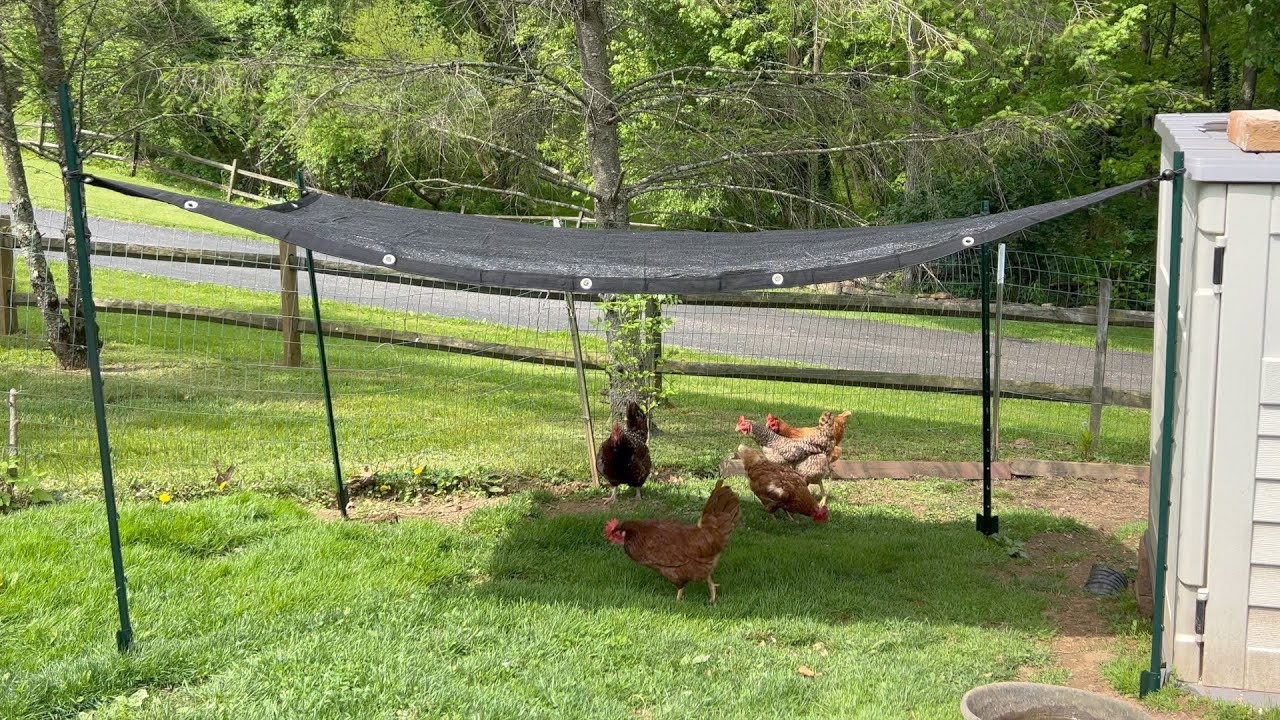
I like a run that feels airy and bright, but safety comes first. If your birds free-range, you can still lower the risk with a few tweaks.
- Provide overhead cover. Even shrubs, a small pergola, or a shade sail can break sightlines.
- Give quick hiding spots. A couple of low pallets leaned into an A-frame, a small table, or a chicken-friendly bush gives birds a dive-under option.
- Use a covered run for high-risk times. Late afternoon and winter can be prime hunting times depending on your region.
Optional extra layer
If you are in a high-pressure area, or you have already had a close call, an electric layer can be a game changer. It is not a substitute for good construction, but it can discourage repeat visitors.
- A single hot wire around the outside perimeter can help with climbers and diggers that like to lean and paw at edges.
- Portable electric poultry netting can work well for supervised ranging or temporary setups, especially where predators patrol regularly.
- Follow manufacturer instructions, keep vegetation trimmed off the wire, and treat it as one more tool, not your only defense.
Checklist
If you want to do a fast audit, grab a flashlight and run this list at dusk. Predators love the spots you forget to look.
- All vents covered with hardware cloth and firmly fastened
- Coop openings: no gaps larger than 1/4 inch around vents, eaves, rooflines, and door edges in areas with weasels, mink, or heavy rodents
- Run openings: hardware cloth where needed, and no openings large enough for reach-in grabbing near chicken level
- Doors close tight with two-step latches (and clips)
- Run sides reinforced with hardware cloth, especially the lower 24 inches
- Run has a secure top (hardware cloth or sturdy wire, not just hope)
- Predator apron installed or a buried barrier in place
- No loose edges, peeling staples, or rotting boards along the base
- Feed secured at night to avoid attracting visitors
How to inspect
A quick visual glance is not enough. Do a hands-on check once a month, and after storms.
- Tug test: grab the mesh at seams and corners and pull. If it flexes or lifts, add fasteners or a cap strip.
- Flashlight sweep: at dusk, shine a light along the base and door edges. Look for gaps, fresh digging, and muddy paw prints.
- Look for pry marks: bent staples, lifted wire edges, and scrape marks near latches are your early warning system.
Common weak spots
Temporary patches
A scrap board, a bent staple line, a little gap near the roof. Predators notice. If you patch something, patch it like it will be tested nightly.
Run to coop seam
Where the run meets the coop wall, builders often leave a narrow channel. Close it with trim boards and hardware cloth so nothing can wedge in.
Under a raised coop
The shady space under a raised coop is attractive real estate for critters. Block access or enclose it with hardware cloth, and keep it clean so it does not become a snack bar.
Night routine
The strongest coop in the world cannot help if the pop door is open. A simple routine prevents most disasters.
- Lock up at the same time every night, earlier in winter when dusk sneaks up.
- Do a headcount and check for a bird that insists on sleeping in the run.
- Remove or secure feed overnight to reduce raccoon, rat, and skunk interest.
- Quick perimeter glance for digging attempts or bent wire.
FAQ
Can I use chicken wire anywhere?
Yes, for low-stakes jobs like separating garden areas or creating interior partitions where predators are not a factor. For coop and run predator protection, hardware cloth is the standard for a reason.
Do I need 1/4 inch or 1/2 inch hardware cloth?
For most backyards, 1/2 inch is a great balance of strength, airflow, and cost. If you have weasels, mink, or heavy rodent pressure, use 1/4 inch for vents and any small openings on the coop.
Is burying wire better than a predator apron?
Both work. A buried barrier is excellent for permanent builds, but it is more work. A properly installed apron is extremely effective because it stops digging right where it starts.
Will a roof on the run stop hawks?
A secure roof, yes. Netting helps but can fail if it sags, tears, or a climbing predator uses it. Hardware cloth or sturdy welded wire is the most reliable option.
What if I rent and cannot dig or pour anything?
Go with a predator apron pinned to the ground and covered lightly with mulch or gravel. Upgrade latches, add hardware cloth to openings, and use a covered run top. You can do a lot without permanent changes.
Final reminder
Predator-proofing is not about building a prison. It is about building a predictable, boring target that a predator decides is not worth the effort. Start with hardware cloth, add a real dig barrier, and fix your latches. Do those three well and you will sleep a whole lot better.