Fresh air matters year-round. Here’s how to vent your coop to prevent ammonia and moisture while keeping roosting chickens out of winter drafts.
The Cluck Loom
Best Heat-Tolerant Chicken Breeds for Hot Southern Climates
Beat the heat with the right birds. These heat-tolerant chicken breeds handle Southern summers and humidity better, plus simple tips to prevent heat stress.

Maggie Harper
Maggie Harper is a passionate backyard chicken keeper with over a decade of hands-on experience raising mixed flocks. Through CluckLoom, she shares practical advice on coop building, flock health, and egg production to help beginners and seasoned enthusiasts alike raise happy, healthy chickens.
Published
October 22, 2026
Last updated
October 22, 2026
If you keep chickens where summer feels like you are living inside a warm washcloth, breed choice matters. Heat stress is one of the fastest ways to turn a happy backyard flock into a panting, cranky, egg-laying slump. The good news is that some breeds are simply built for hot Southern climates. They tend to be lighter-bodied, tighter feathered, and blessed with big single combs and wattles that act like little radiators.
Below are my favorite heat-tolerant breeds for backyards, plus what to watch for if you also deal with high humidity, long heat waves, and nights that never really cool down.
What makes a chicken heat tolerant?
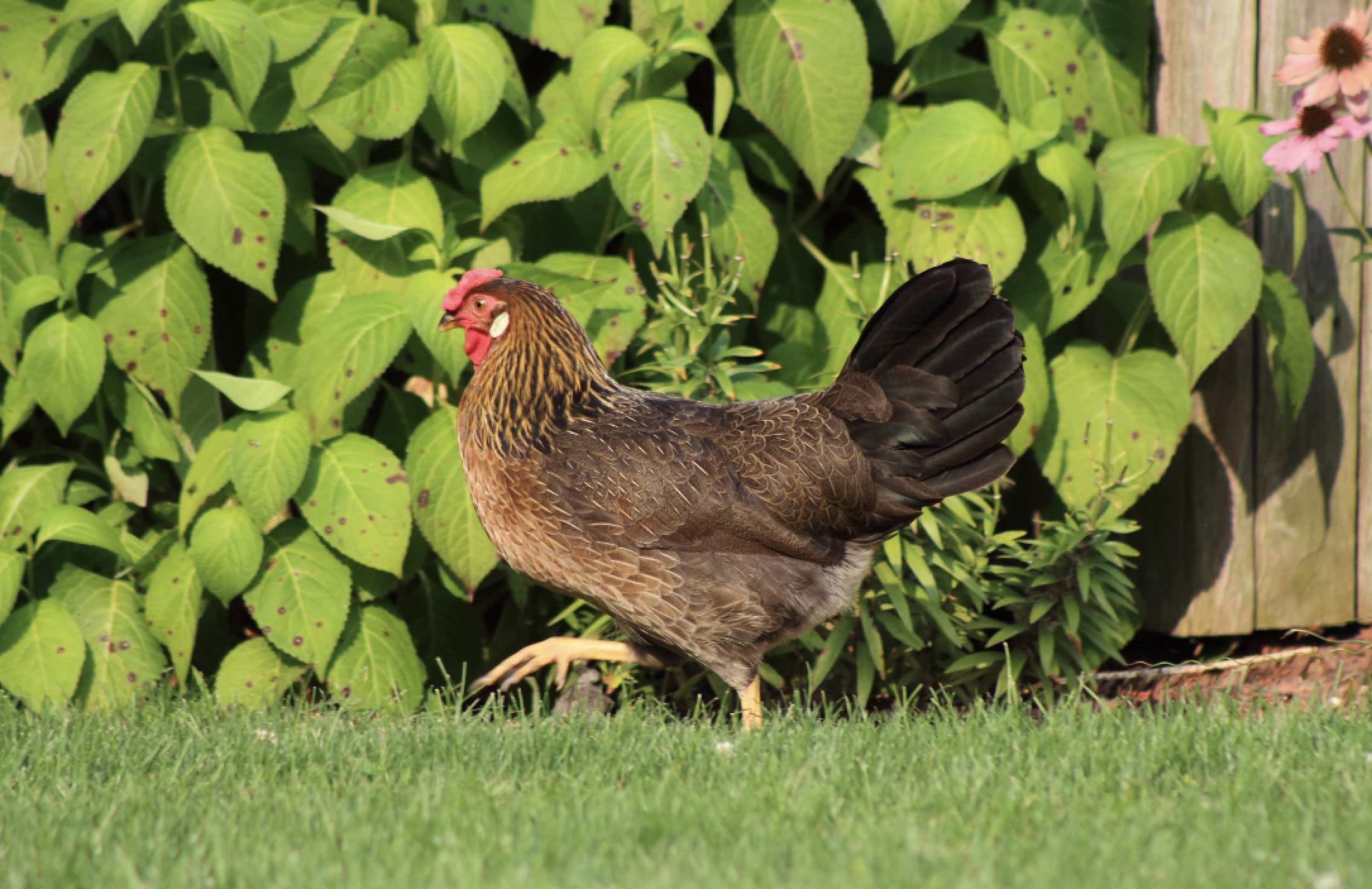
Before we talk breeds, it helps to know what you are selecting for. Chickens do not sweat. They cool themselves mostly through airflow over their body, heat loss through unfeathered areas, and panting.
- Large single combs and wattles: More exposed skin means more heat can dissipate.
- Light, athletic body type: Less body mass tends to shed heat faster than heavy, round birds.
- Tighter feathering: Fluff is adorable, but it holds heat like a blanket.
- Active foragers: Many heat-hardy breeds originated where summer heat was the norm.
- Feather color can help a little: Lighter colors can reflect sun better than solid black, but shade and airflow matter far more.
Humidity note: High humidity makes panting less effective. In much of the South, the best “hot weather” breed is still going to struggle if the coop is stuffy and nights stay warm. Pick a heat-friendly breed, then back it up with smart setup.
Regional note: Dry, desert-style heat and Gulf Coast humidity are two different beasts. Humidity and warm nights are often where trouble starts, even when daytime temperatures are the same.
Top heat-tolerant chicken breeds for Southern summers
These breeds are commonly available, do well in backyard settings, and are generally better equipped for heat than heavy, fluffy, cold-hardy types.
White Leghorn
If you want eggs and heat tolerance in one neat, efficient package, the Leghorn is hard to beat. They are light-bodied, tight-feathered, and typically have a big single comb that sheds heat well.
- Why they handle heat: Lean build, tight feathering, large comb and wattles for heat release.
- Backyard fit: Excellent layers, often a bit independent. Not always the cuddliest lap chickens.
- Heads up: Their large comb can be prone to frostbite in true cold snaps, so in the Deep South that is usually a fair trade.
Andalusian
Andalusians come from Spain, and they are built for warm weather. Sleek, active, and heat capable, they are a strong choice when you want a hardy breed that does not fall apart in July.
- Why they handle heat: Mediterranean heritage, lighter frame, large comb.
- Backyard fit: Energetic foragers, good layers of white eggs.
- Heads up: They can be flighty if not handled often as youngsters.
Minorca
Minorca hens look like they have somewhere important to be. They are tall, long-bodied birds with very large combs and wattles, which can be a real advantage in hot climates.
- Why they handle heat: Big heat-dissipating comb and wattles, Mediterranean origin.
- Backyard fit: Solid white egg layers, generally calm when settled.
- Heads up: Like other large-combed breeds, they can be vulnerable to cold extremes.
Ancona
Anconas are one of my favorite “work boots” breeds. They tend to be thrifty, alert, and busy, and they cope well with heat when given shade and water.
- Why they handle heat: Mediterranean type with a lighter build and larger comb.
- Backyard fit: Great foragers, dependable layers.
- Heads up: They can be talkative and always on the move.
Egyptian Fayoumi
If your summers are relentless, Fayoumis deserve a look. They are small, quick, and famously heat hardy.
- Why they handle heat: Origin in a hot climate, small body size, high heat tolerance.
- Backyard fit: Very active, predator-aware, and often long-lived.
- Heads up: Not typically snuggly and can be quite flighty. Secure fencing is a must.
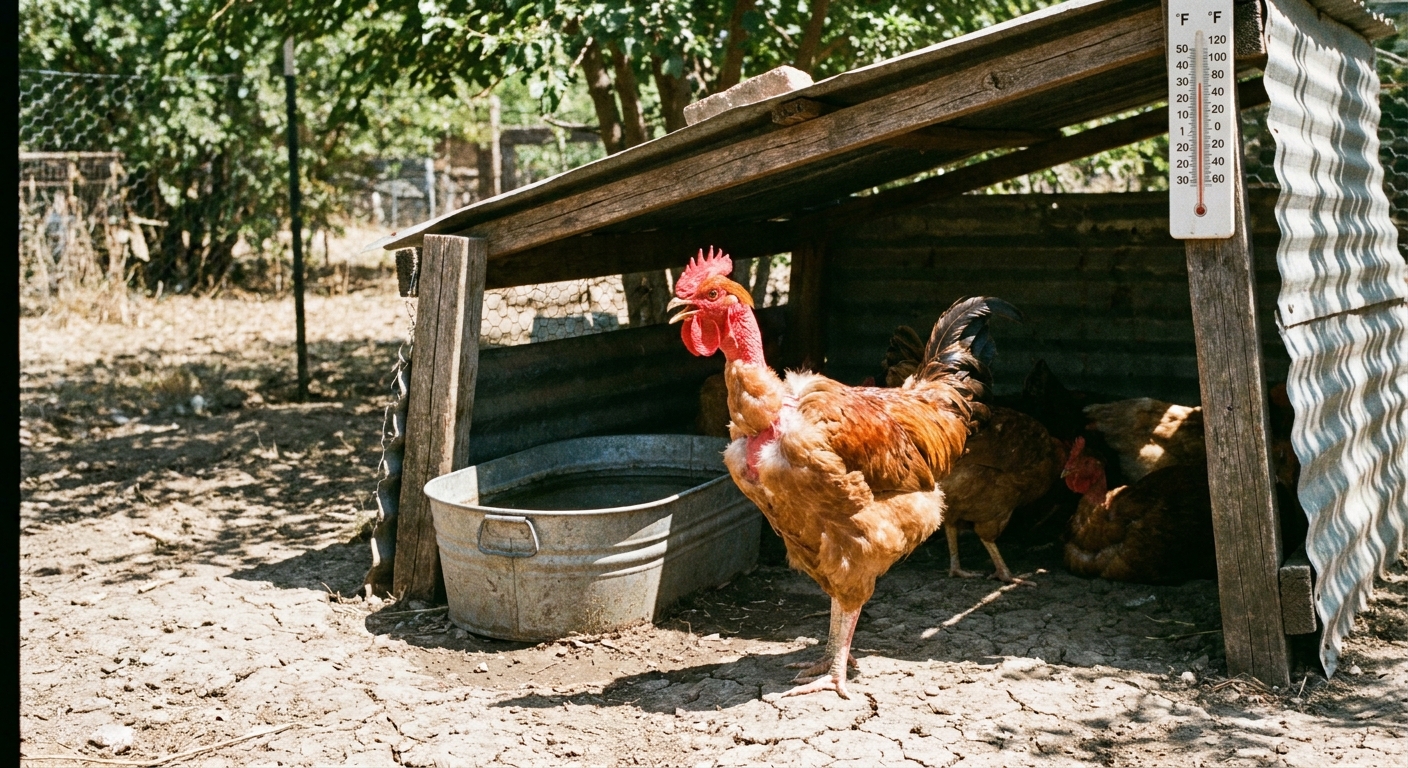
Naked Neck (Turken)
Naked Neck chickens look like they got dressed in a hurry, and in a Southern heat wave that is honestly the vibe. Less feather coverage means easier cooling.
- Why they handle heat: Reduced feathering for better heat release, often surprisingly hardy overall.
- Backyard fit: Friendly, good dual-purpose option depending on strain.
- Heads up: Their appearance is not for everyone, but you will stop caring the first time you see them acting normal while other breeds are panting.
Rhode Island Red (heat capable, with smart management)
I started with Rhode Island Reds, so I will always have a soft spot for them. They are not a true Mediterranean heat specialist, but many backyard keepers in the South do fine with Reds if the coop is well-ventilated and shade is non-negotiable.
- Why they can work: Hardy, adaptable, widely available, generally handle heat better than the extra-heavy fluffy breeds.
- Backyard fit: Dependable layers of brown eggs, generally steady personalities.
- Heads up: In extreme heat and humidity, heavier individuals can struggle more than a Leghorn-type bird.
Quick sourcing note: Heat tolerance can vary by hatchery and bloodline. If you are buying from a breeder, ask how their birds do in your kind of summer, especially during multi-day heat waves.
Breeds to think twice about in extreme heat
Every flock is different, and plenty of people keep these breeds in the South successfully. But if your summers are regularly above 95°F with sticky humidity, these are the ones I approach carefully, especially for beginners.
- Very heavy, fluffy breeds: Brahmas, Cochins, and other heavily feathered birds can overheat quickly.
- Very dark, dense-feathered breeds: Black Copper Marans and other extra-dark, heavy-feathered lines can be more challenging in direct sun. Shade and airflow become even more critical.
- Silkies: Their fluffy feathering is basically a built-in sweater.
If your heart is set on a fluffy breed, plan your coop and run like you are building a summer cooling station: deep shade, maximum ventilation, and lots of water access.
Setting heat-tolerant breeds up for success
Even heat-hardy chickens can get into trouble in Southern humidity, especially when nights stay warm. These are the practical steps that make the biggest difference in my own backyard.
1) Ventilate the coop like it is your job
- High vents: Hot air rises. Give it a way out near the roofline.
- Wide openings covered with hardware cloth: Skip flimsy screen. Predators love summer too.
- Avoid sealing the coop tight at night: In hot weather, you want airflow more than warmth.
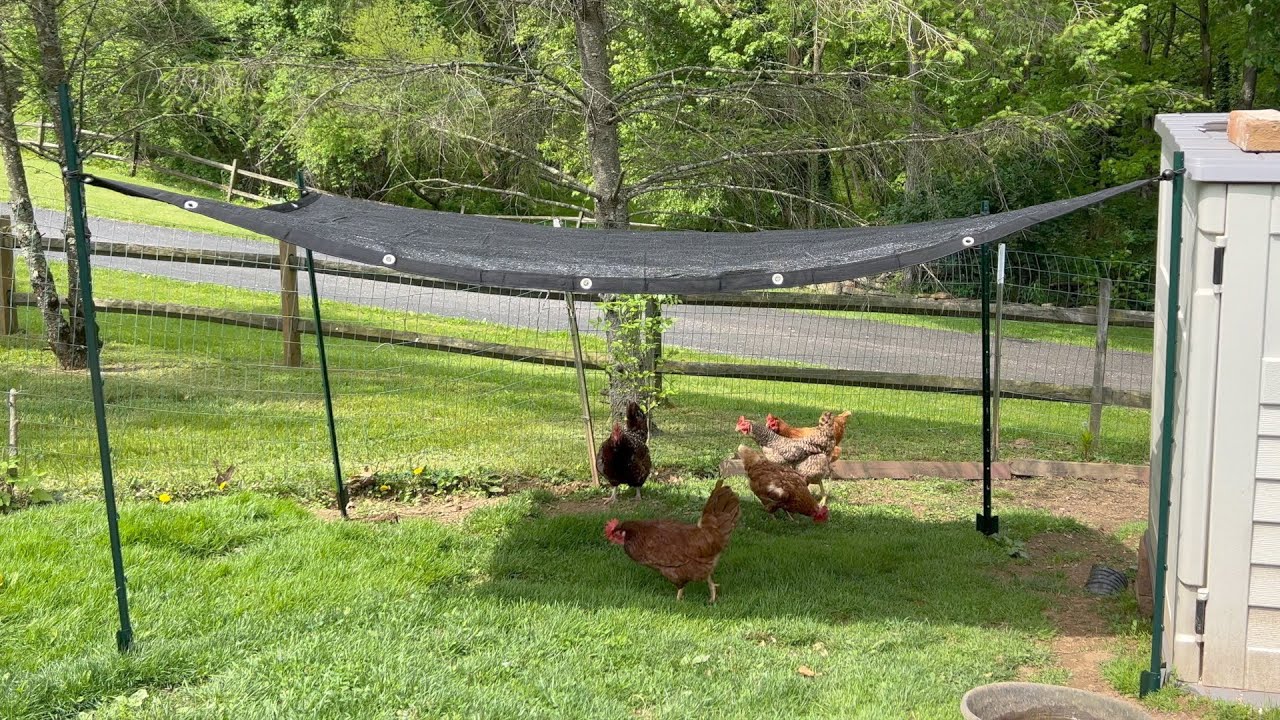
2) Build shade into the run
Natural shade from trees is wonderful, but I still like a backup plan for mid-afternoon sun.
- Use a shade cloth or tarp over part of the run.
- Create low, shaded hideouts at chicken height.
- Offer dry, shaded dust-bathing spots. Cooler soil can help birds take the edge off by conducting heat away while they rest.
3) Water strategy: more stations, more often
- Place waterers in shade so the water stays cooler.
- Use multiple water points so timid birds are not blocked by the bossy ladies.
- Refresh water in the afternoon when heat peaks.
4) Timing matters
- Feed early morning or late evening. Digesting feed generates heat.
- Avoid stressful changes during a heat wave, like introducing new birds or doing major coop overhauls.
5) Cooling add-ons that actually help
- Frozen water jugs: Place them in the run so birds can sit near them.
- Misters used carefully: In very high humidity, extra moisture can backfire. If you use misters, aim for cooling airflow and do not soak bedding.
- Fans in secure areas: A fan can be helpful if cords are protected and it cannot be pecked or knocked over.
6) When to ramp up your heat plan
Every flock and microclimate is different, but many keepers start adding extra measures once the heat index pushes into the 90s, and they get serious about it during prolonged stretches above 95°F, especially if nighttime temperatures stay high. When in doubt, act early. It is easier to prevent heat stress than to reverse it.
How to spot heat stress fast
I always tell new keepers: learn what normal looks like, because heat stress can escalate quickly.
- Early signs: Panting, wings held away from the body, reduced activity, seeking shade, pale comb.
- Concerning signs: Stumbling, lethargy, not responding normally, watery droppings, collapse.
If a chicken is in trouble, move her to a shaded, airy spot immediately and offer cool water. Do not force water into her beak. You can use cool (not ice-cold) damp towels on legs and feet to help bring body temperature down gradually. In severe cases, contact an avian vet or experienced local poultry resource fast. Heat can be deadly.
Choosing the right breed for your Southern setup
When readers ask me, “What is the best chicken for hot weather?” I ask three questions back.
- Do you have shade and airflow? Breed helps, but housing makes or breaks summer.
- What is your goal? Maximum eggs (Leghorn), active foragers (Ancona, Andalusian), heat-first hardiness (Fayoumi), or a friendlier backyard personality (Naked Neck strains can be great).
- How predator-proof is your yard? Some heat-hardy breeds are more flighty and prone to roaming. If your run is not secure, pick calmer birds or improve containment first.
My favorite starter heat-friendly combo for many Southern backyards is a small group of Leghorns for steady eggs plus a couple of Naked Necks for extra resilience, then adjust based on temperament and your space.
FAQ
Do large combs really help chickens stay cool?
Yes. Combs and wattles are unfeathered, highly vascular areas that release heat. That is why many Mediterranean breeds with big single combs handle heat well. The tradeoff is cold sensitivity during hard freezes.
Are bantams better in the heat?
Often, yes. Smaller bodies can shed heat more easily. But they still need shade, airflow, and plenty of water, especially in humid climates.
Will egg production drop in summer even with heat-tolerant breeds?
Usually, yes at least a little. Heat reduces appetite, and less feed often means fewer eggs. Heat-tolerant breeds tend to bounce back faster and cope better, but do not be surprised by a summer slowdown.
Is there one breed that thrives in both extreme heat and occasional winter cold?
There is no perfect chicken, but you can get close by focusing on heat tolerance first and then planning for winter. In much of the South, winter is short enough that good coop design and wind protection can carry a large-combed breed through. If you are in a region with regular hard freezes, consider a more moderate-combed, lighter-bodied breed and invest heavily in summer ventilation.