Fresh air matters year-round. Here’s how to vent your coop to prevent ammonia and moisture while keeping roosting chickens out of winter drafts.
The Cluck Loom
Common Respiratory Infections in Chickens
Learn the warning signs of respiratory illness in backyard chickens, how to tell dust sneezes from infection, and when to quarantine a sick bird to protect your flock.

Maggie Harper
Maggie Harper is a passionate backyard chicken keeper with over a decade of hands-on experience raising mixed flocks. Through CluckLoom, she shares practical advice on coop building, flock health, and egg production to help beginners and seasoned enthusiasts alike raise happy, healthy chickens.
Published
October 22, 2026
Last updated
October 22, 2026
The first time one of my hens made a little “snick” sound, I did what every new chicken keeper does: I panicked, Googled too much, and convinced myself my whole coop was doomed by morning. Twelve years and a whole lot of dusty bedding later, I can tell you this: not every sneeze is an emergency, but respiratory issues are one of those categories where you want to move quickly and thoughtfully.
This guide will help you separate a dust sneeze from bigger problems like Mycoplasma, coryza, or bronchitis and decide when to quarantine, when to call a vet, and what supportive care actually helps.
Dust sneeze or real problem?
Chickens do sneeze for totally boring reasons. A scratch in dry litter, a beak full of crumbles, or a big coop clean-out can all trigger a few sneezes. The trick is looking for patterns and add-on symptoms.
Most likely just irritation
- A couple sneezes right after dust, feed, or bedding changes
- No wetness around nostrils
- Eyes clear, no bubbles or swelling
- Normal energy, eating and drinking like usual
- Stops within a day once the dust settles
Likely infection (time to act)
- Repeated sneezing over hours and days
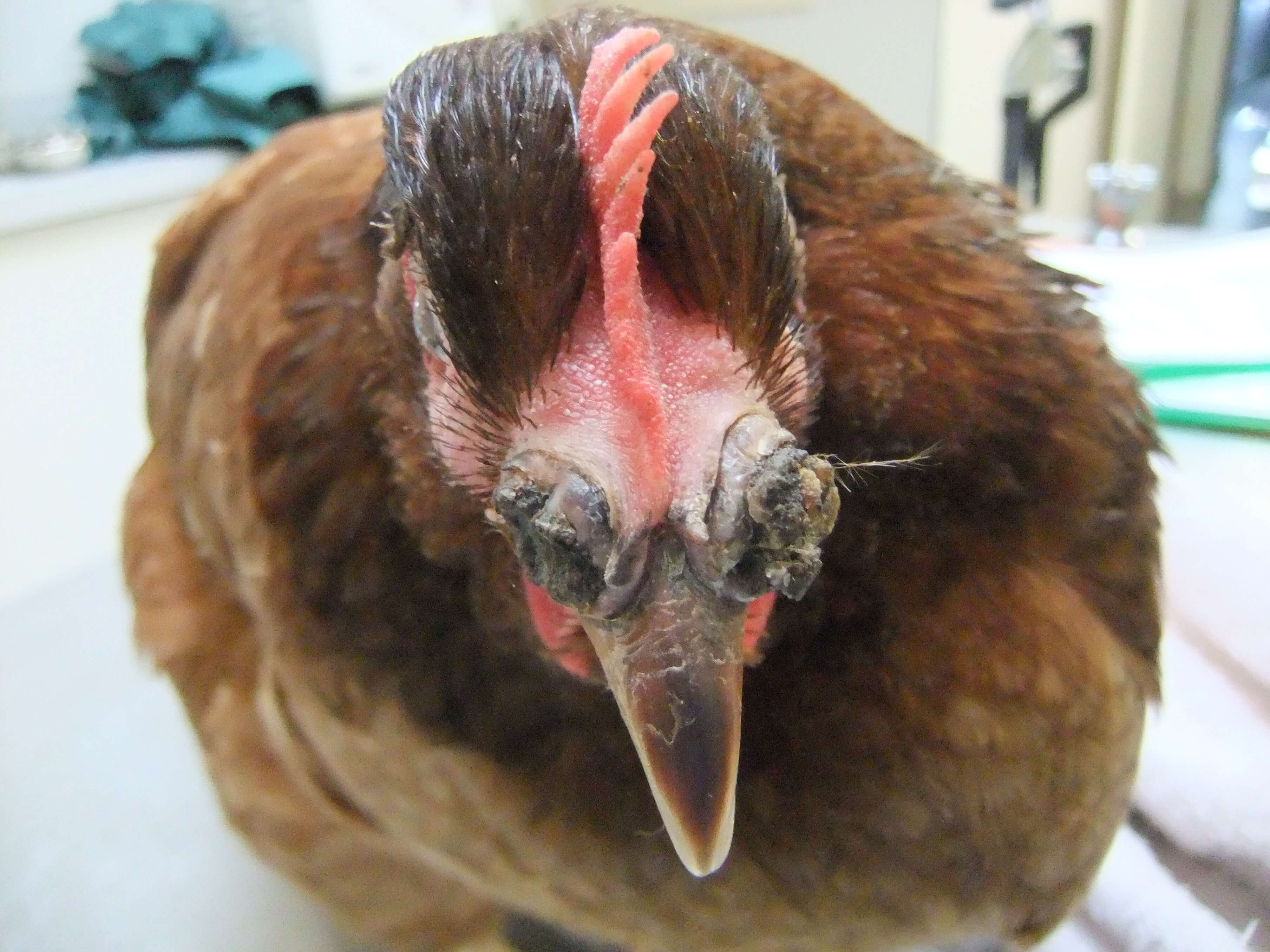
- Nasal discharge (clear, white, yellow, or thick)
- Watery eyes, bubbles or foamy corners of the eyes
- Swollen face or puffy sinuses
- Wheezing, gurgling, or clicking when breathing
- Mouth breathing or tail bobbing (breathing effort)
- Drop in appetite or egg production
- More than one bird showing signs
If you only remember one thing, make it this: wet plus noisy plus not acting normal deserves a quarantine plan, not a wait-and-see week.
Warning signs that mean “quarantine now”
Quarantine is not you being dramatic. It is you protecting the birds that are currently healthy. Many respiratory illnesses spread fast through shared airspace, waterers, feeders, or even your hands and clothing.
Quarantine immediately if you see any of these
- Eye bubbles or foaming
- Facial swelling around the eyes or sinuses
- Thick discharge from nostrils
- Open-mouth breathing, gasping, or tail bobbing
- Any blood from nostrils or mouth
- Multiple birds with symptoms
- A new bird shows symptoms within 2 to 3 weeks of arrival
If symptoms are severe (gasping, blue comb, collapsing), skip the internet and call an avian vet or poultry-savvy farm vet the same day.
Common respiratory infections
Backyard chicken respiratory illness can look frustratingly similar across different causes. Still, a few patterns show up often enough to be useful for backyard triage.
Mycoplasma (MG and MS)
Mycoplasma gallisepticum (MG) is a common cause of respiratory disease in backyard flocks, although how often it shows up depends on your region, local flock health, and whether birds come from tested sources. Birds can become long-term carriers and flare up during stress (cold snaps, molt, pecking order drama, a move, poor ventilation). MS can overlap and sometimes shows more joint or foot issues, but respiratory signs can occur too.
- Typical signs: sneezing, watery eyes, eye bubbles, mild to moderate nasal discharge, coughy sounds, slow egg drop
- Common scenario: one bird starts, then you notice “everybody sounds a little snuffy” within days
- Important note: antibiotics may reduce symptoms, but often do not eliminate the organism, and treatment choices are best made with a vet
Infectious bronchitis (viral)
This one moves quickly. Because it is viral, antibiotics do not “cure” it, but they may be prescribed to help prevent secondary bacterial infections. Vaccination status matters, and some strains hit egg production and egg quality dramatically. IB can also affect the kidneys and the reproductive tract, especially in young birds.
- Typical signs: sudden sneezing and respiratory noise in several birds at once, watery eyes, a sharp egg production drop
- Egg clues: thin shells, misshapen eggs, watery whites
- Young birds: can be hit harder
Infectious coryza (bacterial)
Coryza is often famous for the smell. When people say “it smelled like something crawled in there and gave up,” I start thinking coryza, even though odor is not a perfect diagnostic clue by itself.
- Typical signs: swollen face, sticky discharge, crusty nostrils, watery eyes, sometimes a distinctly foul odor
- Spreads: very easily bird-to-bird
- Practical reality: carriers can remain after recovery
Mild upper respiratory infections
Chickens do not get “human colds,” and many respiratory germs are species-specific. But chickens absolutely can get mild upper respiratory infections that look like a runny nose and a few sneezes, especially with damp conditions and poor airflow.
- Typical signs: mild sneezing and clear discharge, otherwise acting mostly normal
- Watch for: escalation to eye involvement, thick discharge, or lethargy
Non-infectious causes
Not all breathing problems are contagious respiratory infections.
- Gapeworm: can cause gaping, head shaking, coughing, and respiratory distress, especially in birds on wormy ground or around wild birds
- Ammonia irritation: watery eyes, sneezing, and respiratory irritation from a smelly coop (if you smell ammonia at human nose level, it is already too high for them)
- Dust and mold: dusty bedding, moldy straw, damp feed can trigger chronic irritation
HPAI and fast-moving outbreaks
Anytime you see sudden deaths, rapid flock-wide illness, severe depression, or neurological signs (like tremors, loss of balance, twisting necks), treat it as an urgent situation. Respiratory signs can overlap with other diseases, including highly pathogenic avian influenza (HPAI) in areas where it is circulating. Contact an avian vet and follow your local animal health authority guidance right away.
Your first 30 minutes
When I hear an odd sound in the coop, I do the same little checklist every time. It keeps me calm, and it keeps me from missing important details.
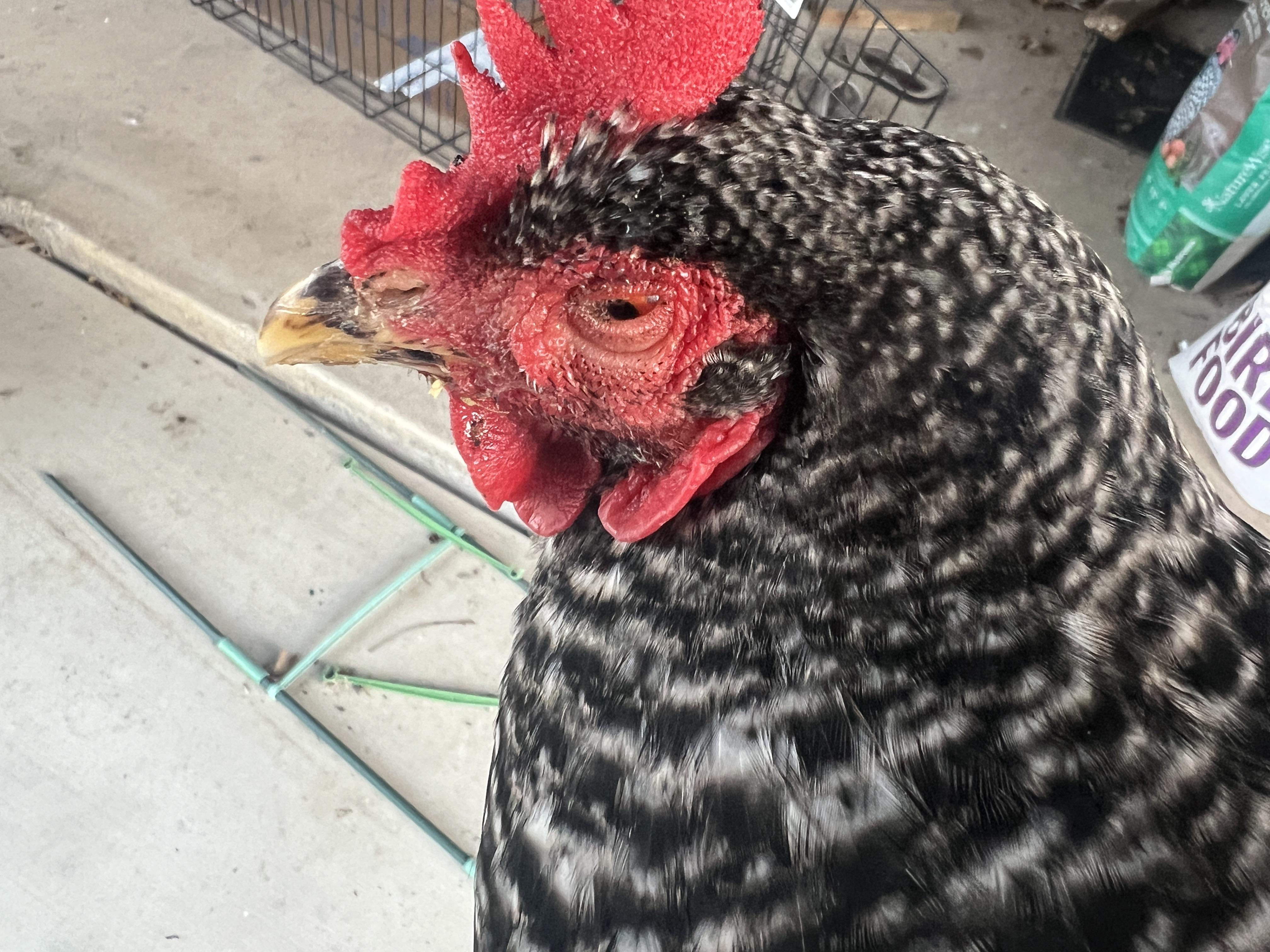
- Catch and observe the bird in good light. Check eyes, nostrils, and breathing effort. Listen near the beak for clicking or rattling.
- Check the crop quickly. A sour crop can make a bird act “off” and complicate everything.
- Take notes (or a quick video) of the breathing sounds. If you end up calling a vet, that video is gold.
- Isolate first if you see discharge, eye bubbles, facial swelling, or obvious breathing effort.
- Do a coop reality check: ventilation, wet bedding, ammonia smell, dusty feed, moldy straw, overcrowding.
How to quarantine
Quarantine works best when it is simple, consistent, and as separate as you can reasonably manage.
Set up a “sick bay”
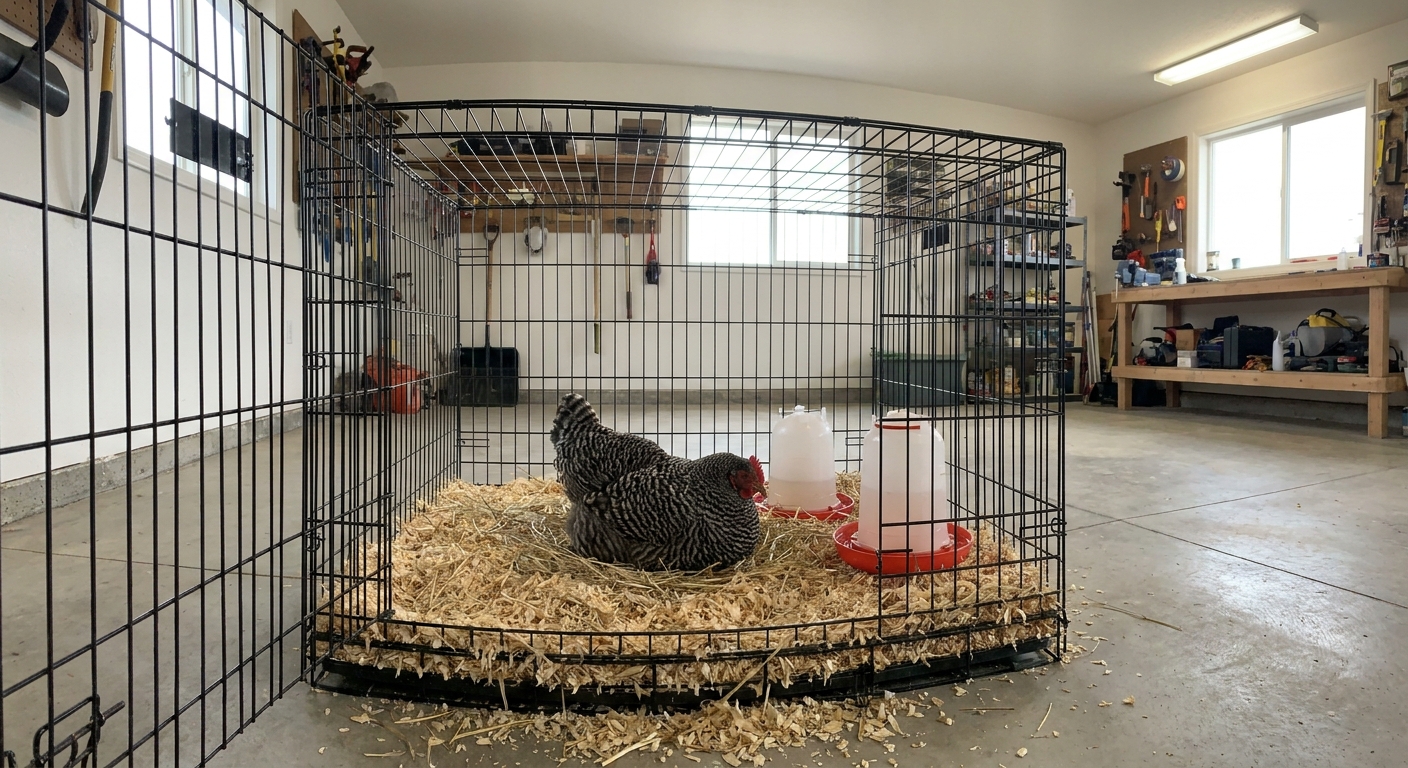
- Location: a spare coop, a dog crate in a garage, a well-ventilated shed, or a protected pen far from the main run
- Warmth: keep them out of drafts and damp. Sick birds burn energy staying warm.
- Clean bedding: low dust. I like large flake shavings or clean towels you can swap daily.
- Dedicated supplies: their own feeder and waterer, and ideally their own scoop and gloves
Biosecurity habits that actually matter
- Care for healthy birds first, then the sick bird last
- Wash hands or change gloves after handling the sick bird
- Do not share waterers or feeders between areas
- Change boots or use a washable “sick bay shoe”
How long to quarantine
For a bird that is clearly ill, I quarantine until symptoms are fully gone plus extra time for safety. As a practical backyard guideline, many keepers aim for at least 10 to 14 days after symptoms resolve, but some diseases can shed longer. If you brought in a new bird, quarantining newcomers for 30 days is still the best flock insurance I know.
One hard truth: with Mycoplasma and some other respiratory diseases, a bird may become a carrier. That does not always mean you must cull, but it does mean you should think carefully about mixing with show flocks, swapping birds, or adding new birds later.
Supportive care
Supportive care is not a cure, but it buys your bird strength. Many respiratory cases go downhill because a chicken stops eating and drinking, not because the first sneeze was deadly.
- Hydration: fresh water, changed often. If a bird is weak, offer electrolytes made for poultry and a separate plain water option too.
- Easy calories: wet mash, scrambled egg, or feed softened with warm water. Keep treats small so they still eat balanced feed.
- Warmth and low stress: quiet area, dimmer light at night, no bullying.
- Clean air: fix dust and ammonia fast. Add ventilation up high, not a draft at bird level.
- Observe droppings: dehydration, green droppings, or no droppings can mean the bird is not eating.
A note on home remedies: I know the temptation to reach for essential oils or strong-smelling “vapors.” Chickens have sensitive respiratory systems. If it would make you cough in a small room, it does not belong in a crate with a sick hen.
When to call a vet
I am all for practical backyard solutions, but respiratory disease is one area where a quick vet consult can save you money, birds, and stress in the long run.
Call a vet promptly if
- Your chicken is gasping, open-mouth breathing, or turning blue or purple in comb or wattles
- Symptoms worsen quickly or spread to multiple birds
- You see facial swelling, severe eye involvement, or thick discharge
- The bird is not eating or drinking by the next day (12 to 24 hours can be a big deal)
- You have recurring respiratory flare-ups in the flock
Useful questions
- Do you recommend testing (swab/PCR) for MG, infectious bronchitis, or other pathogens?
- Is this consistent with coryza or another bacterial infection that needs antibiotics?
- Should I treat the whole flock or only the affected bird?
- What is the egg withdrawal guidance for any prescribed medication?
Important: use antibiotics only under veterinary guidance. Do not use leftover medications or guess doses. Some drugs are restricted, illegal, or off-label for laying hens depending on where you live, and egg guidance varies by medication and jurisdiction. The wrong antibiotic, or the right one used wrong, can waste precious time and contribute to resistance.
Reduce respiratory trouble
If I could go back and give my first-time chicken keeper self one gift, it would be better ventilation. The respiratory system in chickens is efficient and delicate, and a damp, dusty coop is basically an invitation for problems.
My prevention checklist
- Ventilation up high: fresh air exchange without drafts at roost level
- Dry bedding: remove wet spots regularly, especially under waterers
- Low dust management: avoid super dusty bedding and shake out straw bales outside
- Ammonia control: if you smell anything sharp, clean and add airflow
- Clean waterers: biofilm grows fast, especially in warm weather
- Space: overcrowding increases stress and exposure
- Quarantine newcomers: always, even “healthy-looking” ones
A quick word on vaccines
Some respiratory problems are more common in certain regions or in birds coming from certain sources. Ask a local poultry-savvy vet or hatchery what is common where you live, and whether vaccination (especially for infectious bronchitis) is typical or recommended for backyard flocks in your area.
Quick symptom guide
| What you see | What it can mean | What to do today |
|---|---|---|
| A few dry sneezes, otherwise normal | Dust or mild irritation | Improve ventilation, reduce dust, monitor 24 hours |
| Wet nostrils or watery eyes | Infection likely starting | Isolate, observe closely, consider vet call if worsening |
| Eye bubbles or foam | Often MG or another contagious respiratory issue | Quarantine immediately, clean waterers, call vet about testing |
| Swollen face or foul smell | Coryza is a strong possibility | Quarantine, call vet promptly, increase biosecurity |
| Gasping, open-mouth breathing, tail bobbing | Emergency level respiratory distress | Urgent vet care, supportive warmth and hydration while traveling |
FAQ
Can I keep eating eggs when a hen has a respiratory infection?
It depends on what is going on and whether medications are used. If you are not treating with any drugs, many keepers continue to eat eggs, but you should be cautious if eggs look abnormal (thin shells, watery whites) or if you suspect a serious contagious outbreak. If any medication is prescribed, follow your veterinarian’s egg withdrawal guidance.
If one chicken has Mycoplasma, will they all get it?
MG spreads easily, especially in close quarters. Sometimes the whole flock is exposed before you notice the first symptoms. Quarantining the first sick bird can still reduce the dose other birds get and may keep stress and secondary infections down. Testing is the only way to know what you are truly dealing with.
Should I isolate a sneezing chicken even if it seems mild?
If it is one bird with mild sneezing and no wetness or eye issues, you can monitor closely for a day while you correct dust and ventilation. If sneezing continues, becomes wet, or you hear any rattling or wheezing, isolate right away.
Do humidifiers help chickens with respiratory illness?
I avoid humidifying a coop or enclosed crate because damp air can encourage mold and worsen some problems. In a controlled setting, gentle humidity can sometimes help loosen secretions, so if a vet recommends it for your specific case, follow that guidance.
The calm takeaway
Most of us will hear the occasional sneeze in the coop. The goal is not to panic. It is to notice the difference between “dusty day” and “something is brewing.” If you see wetness, eye bubbles, swelling, noisy breathing, or more than one bird getting snuffy, quarantine is the kindest, smartest first move you can make for your whole flock.
And if you are standing in the run right now thinking, “I’m not sure,” trust that instinct. Chickens are excellent at pretending they are fine until they are very much not.