Looking for chickens that can handle brutal summer heat and humidity? Here are the best heat-tolerant breeds, what makes them cope, and how to set them up fo...
The Cluck Loom
Natural Water Supplements for Chickens
How to use apple cider vinegar, garlic, and electrolytes in chicken water responsibly. Common doses, simple schedules, and when to skip additives for a healthy backyard flock.

Maggie Harper
Maggie Harper is a passionate backyard chicken keeper with over a decade of hands-on experience raising mixed flocks. Through CluckLoom, she shares practical advice on coop building, flock health, and egg production to help beginners and seasoned enthusiasts alike raise happy, healthy chickens.
Published
October 22, 2026
Last updated
October 22, 2026
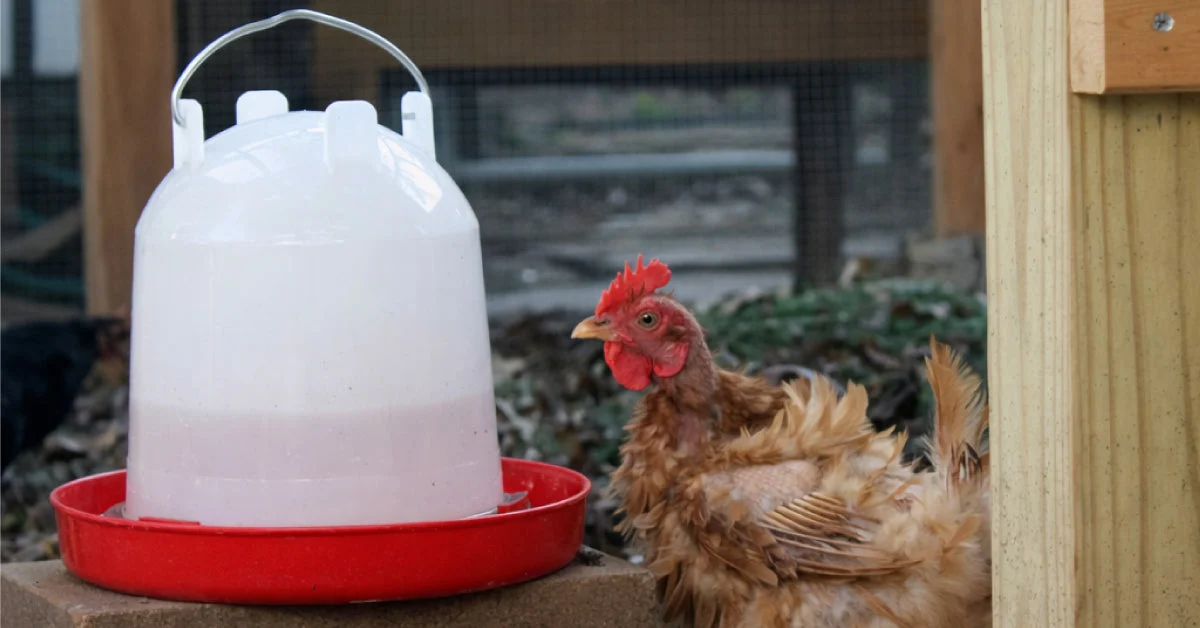
I love a good, low-effort flock habit. Clean bedding, a dry coop, and fresh water are the big three in my backyard. But every so often, I’ll add something to the waterer on purpose, not because it’s trendy, but because it fits the moment: a heat wave, a stressful move, a rough molt, or a hen that’s a little off.
The key is using water supplements like a chicken keeper, not like a short-order cook. Chickens need plain, clean water most of the time. Natural additives can be helpful in specific situations, but too much (or too often) can cause more trouble than it solves.
Below is how I use three common options in real life: apple cider vinegar, garlic, and electrolytes. I’ll give you common backyard dosing ranges, simple schedules, and the “please don’t do this” notes I wish someone had handed me when I started with three Rhode Island Reds and a leaky plastic waterer.
Before you add anything: water rules that matter
1) Freshness beats supplements
If your waterer is slimy, in full sun, or full of litter, no supplement will save you. Dump, scrub, rinse, refill. In summer, that can be a twice-a-day chore, but it is the cheapest health boost you can give.
Also worth saying out loud: supplements are not a substitute for cleaning. Even if an additive changes water pH a little, it does not disinfect a dirty drinker.
2) Never take away plain water
If you’re offering anything other than plain water (even something “natural”), make sure birds still have easy access to clean water and that the additive water is palatable. A chicken that refuses treated water can dehydrate fast, especially in heat.
3) Use the right container
- Skip galvanized or reactive metals for apple cider vinegar (and other acids). Acids can speed corrosion and may leach residues.
- Stainless steel is usually more resistant, but if you are not sure what your drinker is made of, play it safe and use plastic or glass on vinegar days.
- Plastic is fine, but scrub it well. Garlic and electrolyte powders can cling and get funky.
- Glass jars (mason-jar style waterers) are great for ACV days because they don’t react and they clean easily.
4) Keep it short and purposeful
Think in “courses,” not “forever.” A few days on, then back to plain water. Constant additives can change drinking behavior and may irritate the gut over time.
5) Avoid the weird stuff
Stick with plain ingredients. Skip “cleaning vinegar” (it can be a higher acetic acid percentage than food vinegar), avoid essential oils in water, and do not add sweetened tonics.
Apple cider vinegar (ACV): what it can do and how to use it
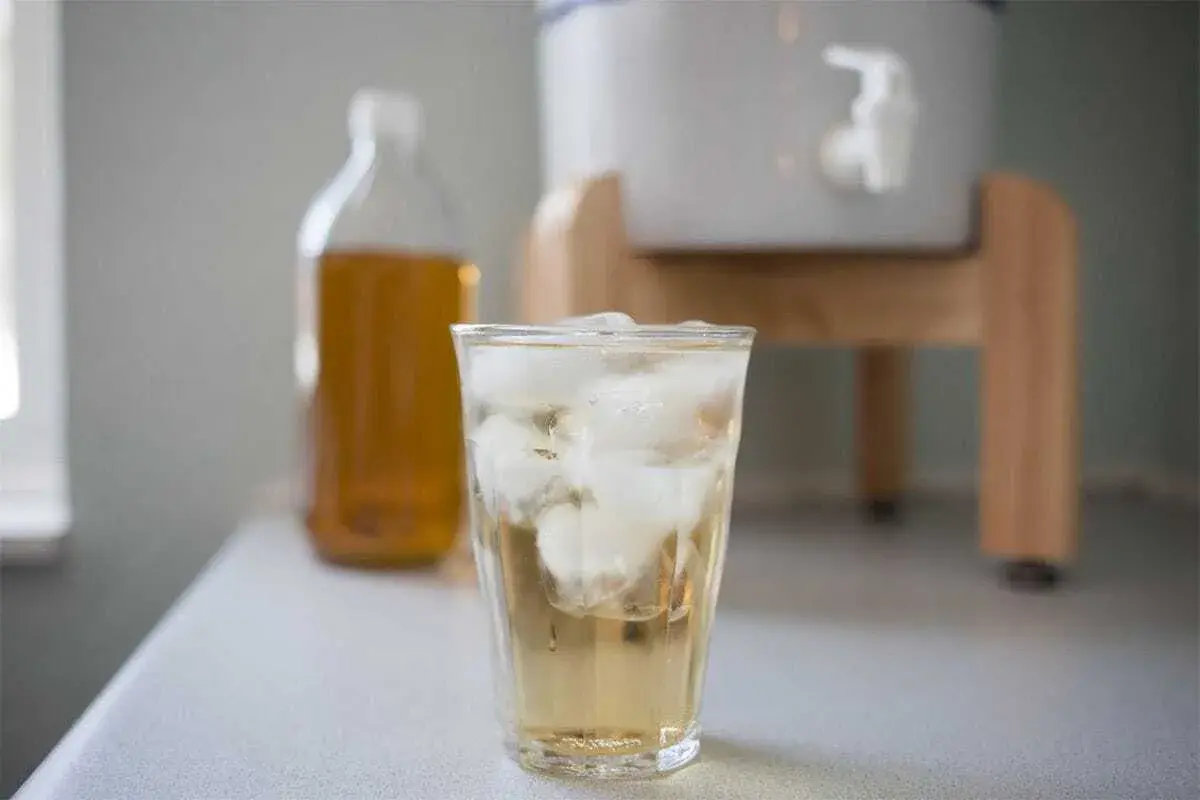
Apple cider vinegar is the old standby. Most backyard keepers use it to support digestion and as a gentle, occasional “reset” after stress. It is not a dewormer, and it will not cure coccidiosis or respiratory disease.
What it might do: slightly acidify the water. In theory, a lower pH can make conditions less friendly for some microbes in the drinker, but the real-world effect depends on concentration, heat, and how clean the waterer was to begin with. Translation: it can be supportive, but it does not replace scrubbing.
ACV dosing for chickens
- Common keeper mix: 1 tablespoon ACV per 1 gallon of water
- Mild starter mix: 1 teaspoon per 1 gallon of water (especially if your flock is suspicious of new tastes)
Use food-grade ACV (raw and unfiltered is fine) with no added sweeteners or herb blends.
How often to offer ACV
- Occasional support: 1 to 3 days per week, then plain water the rest of the time
- After stress (move, new birds, abrupt weather change): 2 to 3 days, then stop
In my own coop, ACV is a “Monday and Tuesday” kind of thing during messy seasons, not an everyday lifestyle.
When to skip ACV
- When using medications in the water, unless the label specifically allows it (acidified water can change how some medications dissolve or are absorbed, and any taste change can reduce intake).
- For very young chicks unless your vet advises it and you are using a very mild mix. The big risk is palatability. If they drink less, dehydration happens fast.
- If your waterer is galvanized or has questionable metal parts that contact the water.
- If a bird is not drinking well. Hydration comes first, always.
My reality-check note
ACV is a helper, not a solution. If you’re seeing weight loss, diarrhea, lethargy, pale combs, wheezing, or egg drop, ACV is not the next step. Diagnostics are.
Garlic in chicken water: short-term support
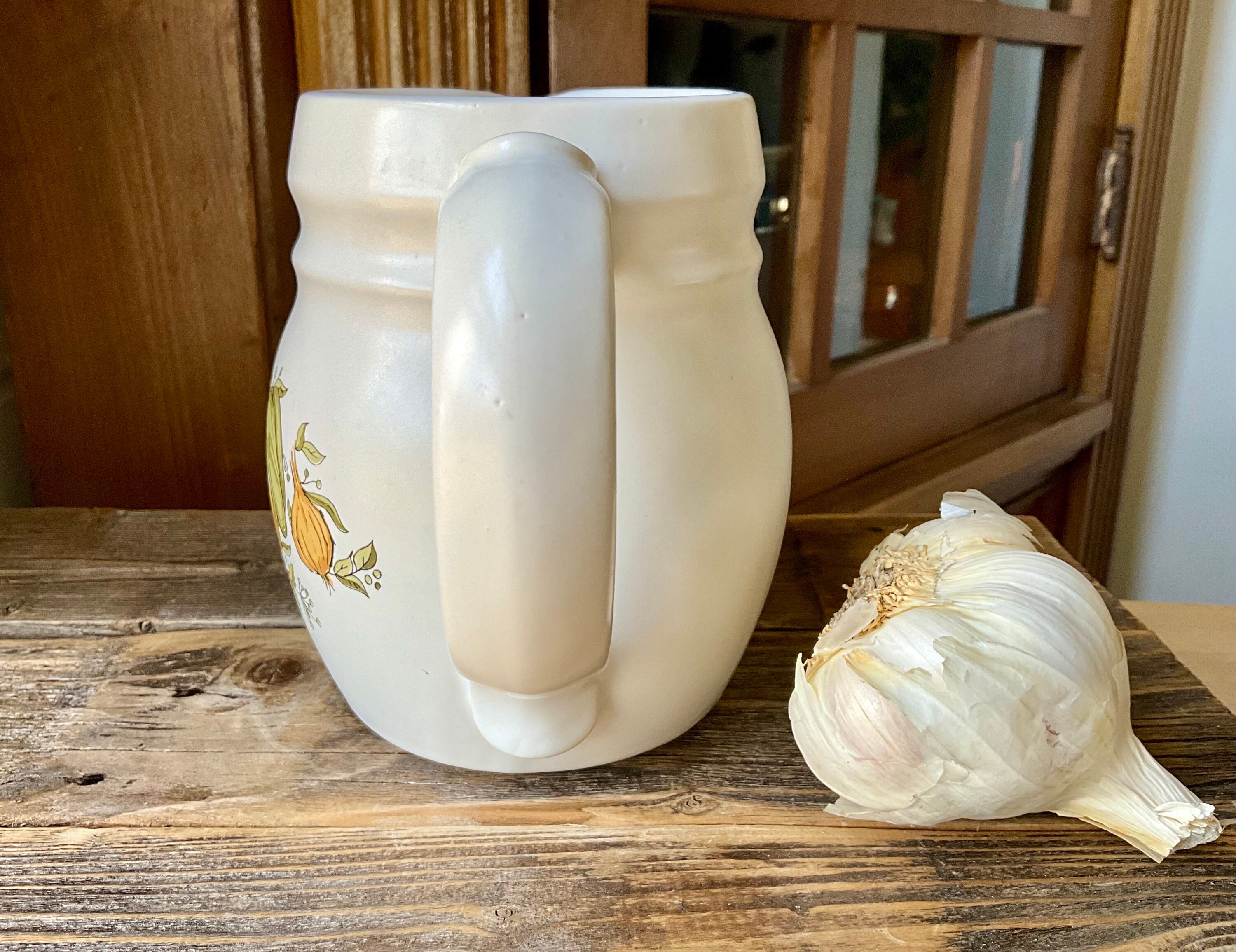
Garlic has a loyal fan club in the chicken world, and I get it. It smells like you’re doing something useful. In moderation, garlic can be a reasonable, short-term add-in some keepers use during seasonal transitions or when the flock is a little stressed.
What garlic is not: a reliable dewormer or a cure for mites, lice, respiratory infections, or serious illness. It may have mild antimicrobial properties, but backyard dosing through water is not precise, and birds vary in how much they drink.
Garlic water dosing (mild range)
- Easy method: 1 to 2 cloves of fresh garlic per 1 gallon of water
- Prep: Crush or mince the cloves, let them sit 10 minutes (this helps the beneficial compounds develop), then mix into the water.
If you prefer garlic powder, choose plain powder with no salt or additives, but fresh is easier to keep “not too strong.” If the water smells like an Italian restaurant from three feet away, you’ve probably overdone it.
How often to offer garlic water
- Short bursts: 1 to 3 days at a time
- Then: Return to plain water for several days
I treat garlic water like chicken soup for humans. Comforting, possibly supportive, but not your medical plan.
When to skip garlic water
- During extreme heat if it reduces water intake. In a heat wave, I want water that tastes like nothing.
- When medicating through water (taste changes can reduce intake and affect dosing).
- If you notice loose droppings after offering it. Some birds are sensitive.
A quick parasite note
If you’re battling internal parasites, the most effective path is a fecal test and targeted treatment. Garlic might make us feel proactive, but worms do not care about vibes.
Electrolytes: best for heat and recovery
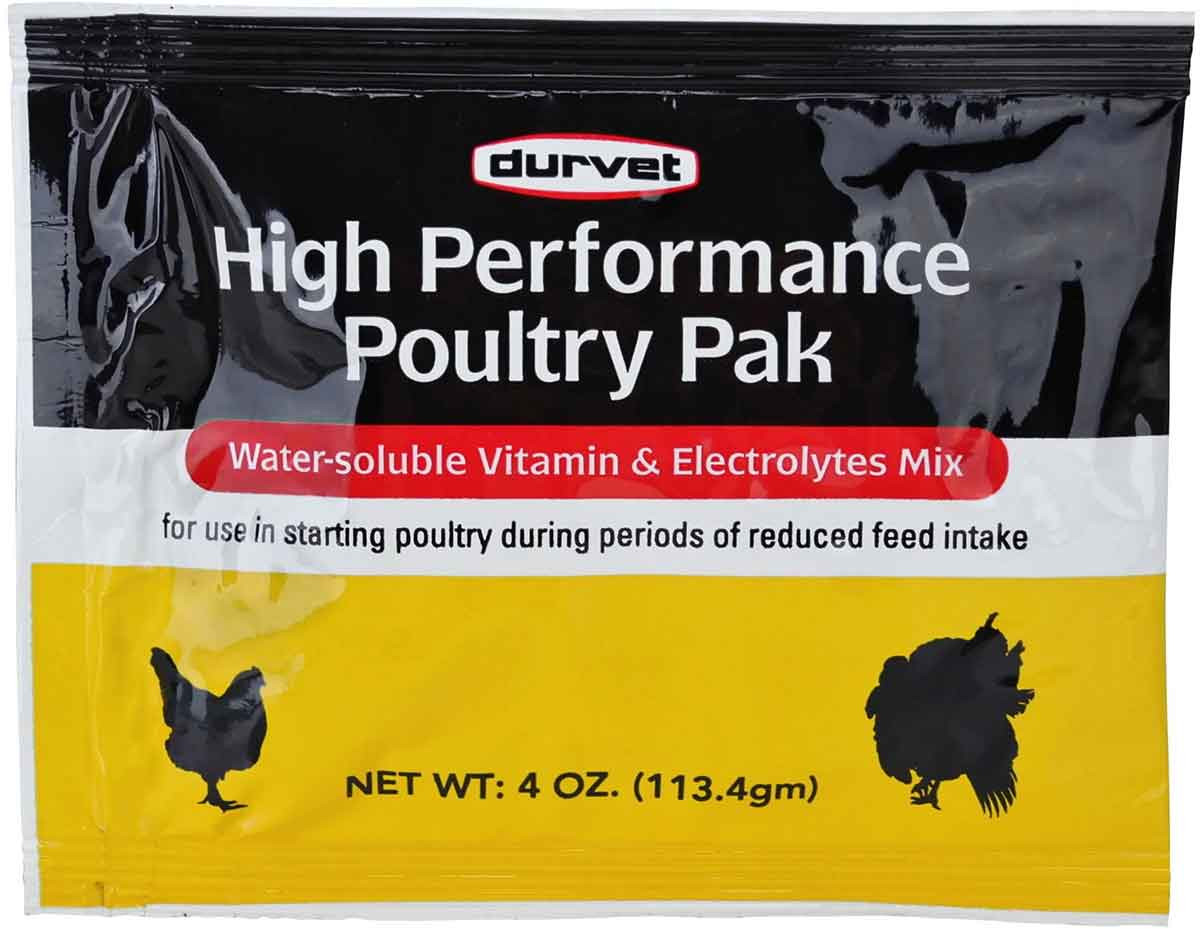
If ACV and garlic are “nice to have,” electrolytes are the one water additive I consider a true situational essential. Chickens lose fluids quickly in high heat, after shipping, or when they have had diarrhea. Electrolytes help replace minerals and support hydration.
They are not a cure for overheating, but they can help a bird rebound once you have shade, airflow, and cool water in place.
When to use electrolytes
- Heat waves: especially when nights stay warm and birds cannot cool down
- After a stressful event: transport, integration scuffles, predator scare
- Recovery support: after illness (once they are drinking), mild dehydration, or diarrhea
How to dose electrolytes safely
Because products vary, follow the label first. As a general backyard approach:
- Use poultry electrolytes (or a reputable livestock electrolyte).
- Do not overdo sugar. Some mixes include dextrose to help absorption and palatability. That is not automatically “bad,” but avoid high-sugar mixes in hot weather, and do not leave sweetened water sitting out all day.
- Mix fresh daily, and in high heat, dump and remix at least once more if the water warms up or gets contaminated.
- Offer for: 1 to 3 days during heat events or stress, then switch back to plain water.
- Avoid running electrolytes nonstop. Continuous use can lead to unnecessary vitamin and mineral intake with some products, and it can make birds picky about drinking.
Avoid doubling the dose “just in case.” Over-concentrated electrolytes can discourage drinking and may upset the gut.
Electrolytes vs. sugar water
Plain sugar water is sometimes used in emergencies for quick energy, but it is not the same as electrolytes. Sugar can also encourage bacterial growth in warm waterers. For routine heat support, I stick with proper electrolytes and focus on cooling the environment.
Signs your flock needs immediate cooling, not supplements
- Open-mouth panting that does not ease in shade
- Wings held away from the body, lethargy, stumbling
- Pale comb, glassy eyes, collapse
If you see these, move birds to a cooler area fast, offer cool plain water, and use practical cooling measures (shade, airflow, ventilation, fans, frozen jugs). You can wet feet as a gentle add-on, but do not soak or drench birds with cold water. Severe cases need veterinary help.
Simple schedules that work
If you like structure, here are a few realistic routines. Pick one that matches your flock and climate, and remember that plain water is the default.
Everyday baseline
- Most days: plain, clean water
- Once a week (optional): ACV water for 1 day, then back to plain
During a heat wave
- Morning: electrolytes mixed fresh (per label)
- Late afternoon or evening: dump and refill (electrolytes again if needed, or plain if they’re drinking great)
- After heat breaks: 1 day plain water minimum
After stress (new birds, predator scare, coop move)
- Days 1 to 2: electrolytes (or ACV if it is mild stress and temps are cool)
- Days 3 to 5: plain water and watch behavior, droppings, and appetite
Seasonal transition (wet spring, early fall)
- One short run: garlic water for 1 to 2 days
- Then: plain water the rest of the week
Mixing and serving tips
- Measure once, then mark it: I keep a dedicated tablespoon zip-tied to my feed bin. It saves time and prevents the “was that a heaping spoon?” problem.
- Make it in a pitcher first: Especially with powders. Stir well, then pour into the waterer.
- Offer in the shade: Additives go off faster in sun, and warm water reduces intake.
- One additive at a time: If something causes loose droppings or reduced drinking, you’ll know what did it.
- Clean after additive days: Garlic residue and electrolyte film are real.
- Do a periodic deep clean: Even with good daily rinsing, waterers benefit from an occasional deeper scrub and a poultry-safe disinfectant, followed by a thorough rinse.
When to stop DIY and get help
I’m all for practical home care, but water additives can accidentally delay real treatment. Consider veterinary advice and, when possible, testing if you see:
- Blood in droppings (possible coccidiosis or other serious issues)
- Wheezing, bubbling, facial swelling (respiratory disease can spread fast)
- Sudden weight loss or a hen that feels “light” in the hand
- Persistent diarrhea longer than a day or two
- Not eating or not drinking
- Heat stress symptoms that do not improve quickly with cooling
Supplements are support. Diagnosis is direction.
Quick FAQ
Can I use ACV, garlic, and electrolytes together?
I don’t. One additive at a time keeps water palatable and lets you spot problems. If it’s hot enough to need electrolytes, skip ACV and garlic and keep the water boring and easy to drink.
Will ACV or garlic prevent worms?
They’re not reliable dewormers. If worms are a concern, a fecal test and targeted treatment are your best bet. Prevention is mostly sanitation, dry litter, rotating runs when possible, and avoiding wet, muddy conditions.
Will these supplements change egg taste?
In normal, occasional amounts, I have never noticed a difference in taste. Strong garlic water can make the coop smell like garlic, though, and that alone is reason to keep dosing mild.
Do I need supplements if my feed is balanced?
Usually no. A complete layer feed (or appropriate grower feed for youngsters), oyster shell offered separately for laying hens, grit as needed, and clean water cover most nutrition needs. Supplements are for specific moments, not daily requirements.
What’s the safest “starter” additive for a nervous beginner?
Electrolytes during heat or stress, used exactly as directed, are the most clearly useful. If you want to try ACV, start with a mild mix and watch water intake closely.
What about probiotics?
If you are using a probiotic product, I would not mix it in the same waterer as ACV or electrolytes unless the product directions say you can. When in doubt, keep it simple and separate, or ask your vet.
The bottom line
If you remember one thing, let it be this: chickens do best with clean, plain water most of the time. Use apple cider vinegar and garlic as occasional, light support if your flock tolerates it. Reach for electrolytes when weather or stress raises the stakes, and keep the mix fresh.
And if you ever catch yourself hovering over the waterer with three supplements in your hands, take it from a woman who has done exactly that: put two of them down, scrub the drinker, and start with what works every time.