A backyard-hen emergency guide to spotting egg binding early and helping your hen pass a stuck egg safely, plus clear red flags for urgent vet care.
The Cluck Loom
Backyard Chicken First Aid Kit Essentials
A practical, backyard-tested checklist of first aid supplies for chickens, plus what each item is for, how to store it, and when to call a vet.

Maggie Harper
Maggie Harper is a passionate backyard chicken keeper with over a decade of hands-on experience raising mixed flocks. Through CluckLoom, she shares practical advice on coop building, flock health, and egg production to help beginners and seasoned enthusiasts alike raise happy, healthy chickens.
Published
October 22, 2026
Last updated
October 22, 2026
The day you need a chicken first aid kit is never the day you feel like running to the store. It is usually a Sunday evening, in the rain, while a hen stands there looking offended that you are taking so long.
I started with three Rhode Island Reds and a cardboard box labeled “CHICKEN STUFF” that mostly contained hope. Twelve years later, I keep a real kit stocked for the problems that show up again and again: peck wounds, bumblefoot, mites, crop hiccups, and the occasional “how did you even manage that?” injury.
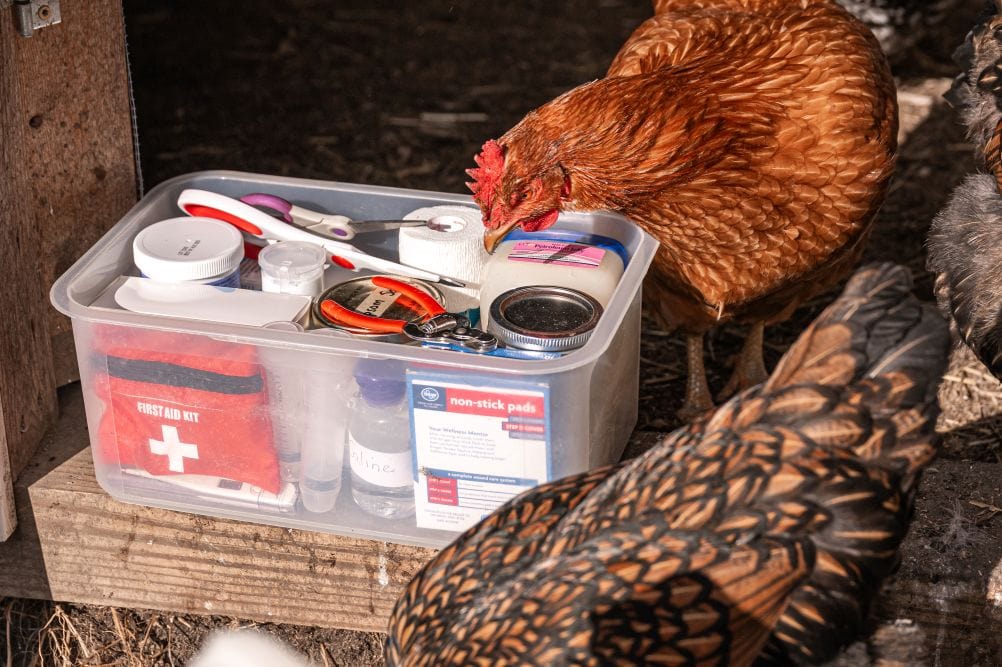
This checklist is written for backyard keepers, not veterinary clinics. I will also be upfront about this: a first aid kit is for stabilizing and basic care. Chickens hide illness well, so if something feels beyond your comfort level, it is not overreacting to call an avian vet.
How to organize your kit
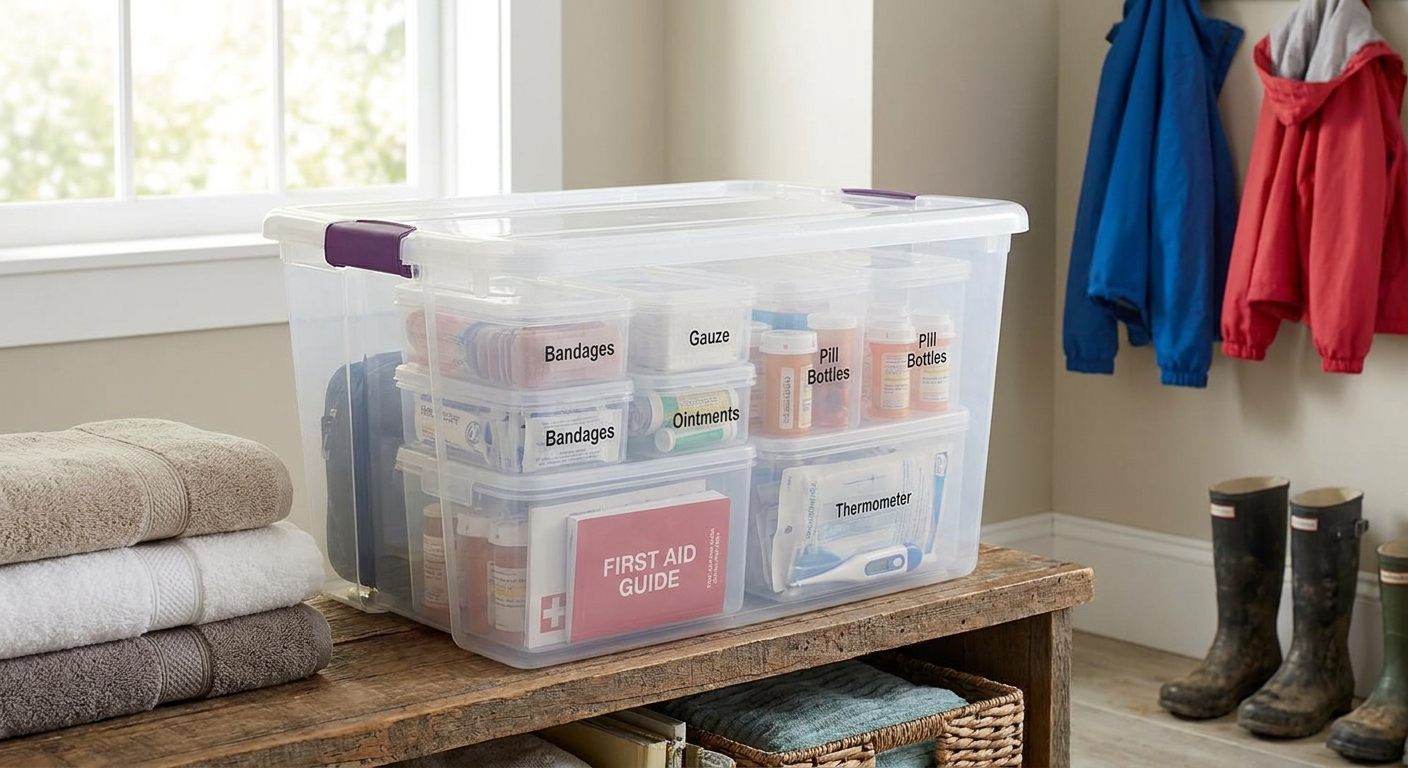
When a bird is bleeding or struggling to breathe, you do not want to dig through a junk drawer. I like a clear plastic tote with a latching lid, plus a small zipper pouch inside for tiny things like needles and a tick-removal tool.
- Use small bins inside the tote: “Wound care,” “Medications,” “Tools,” “Parasites,” and “Supportive care.”
- Keep a headlamp in the kit: Many emergencies seem to happen at dusk, because of course they do.
- Store at house temperature: Many products degrade in a hot coop.
- Check expiration dates twice a year: I do mine when I switch the flock from winter to summer routines.
Do not skip a contact card: Put a simple card right on top of your supplies with your avian vet, nearest emergency clinic, local extension office, and animal poison control numbers. Your phone will be dead exactly when you need it most.
The stop-the-bleeding basics
If you buy nothing else, buy the items that let you control bleeding and protect a wound. Pecking happens fast, and blood can trigger more pecking.
Wound cleaning and flushing
- Sterile saline wound wash: For flushing dirt, bedding, or dried blood from cuts. Choose plain saline, not medicated contact lens solutions.
- Chlorhexidine solution (dilutable): A reliable antiseptic for cleaning skin and bumblefoot. For routine wound cleansing, many keepers aim for about 0.05% chlorhexidine, but the safest plan is to follow the product’s dilution directions or your vet’s guidance.
- Povidone-iodine (optional alternative): Another antiseptic option. Also used diluted.
- Gauze pads and non-stick wound pads: Gauze for cleaning and pressure, non-stick pads for covering so you do not rip scabs off later.
Bleeding control
- Styptic powder or styptic pencil: For nail quicks and small bleeds. Use sparingly and avoid deep wounds.
- Blood stop powder formulated for animals (optional): Helpful for minor comb or wattles nicks.
- Hemostats (locking forceps): For grabbing a feather shaft that is bleeding or holding gauze in place while you wrap.
Bandaging and protection
- Vet wrap (self-adhering bandage): The MVP for chicken bandages. It sticks to itself, not feathers. Wrap snug, not tight. If toes look puffy, cool, or discolored, or she suddenly will not use the foot, remove the wrap and redo it looser.
- Medical tape: For securing pads to vet wrap, not directly to feathers whenever possible.
- Rolled gauze: For padding and wrapping legs or feet.
- Triple antibiotic ointment (no pain relief): For superficial wounds. Avoid products with lidocaine or other “pain relief” additives unless a veterinarian directs you.
- Manuka honey (optional): Some keepers use it as a topical for minor wounds due to its protective properties, but it is sticky, so keep it covered.
Quick tip from my coop: If you are treating a peck wound, plan for two jobs. Clean the wound, then immediately manage the flock behavior with separation, pinless peepers, or extra enrichment so she does not get re-targeted.
Tools you will use a lot
The right tools make chicken care less stressful for you and less dramatic for the bird. I keep duplicates of the items I reach for most.
- Nitrile gloves: Chickens are dusty, wounds are messy, and you want clean hands.
- Digital thermometer: This is mostly useful for trend tracking and “something is very off” situations, especially if your vet gives you target numbers for your bird. Temperature technique matters (cloacal temp, lubrication, gentle insertion, and allowing time for a stable reading), so ask your vet what “normal” looks like for your flock and your tool.
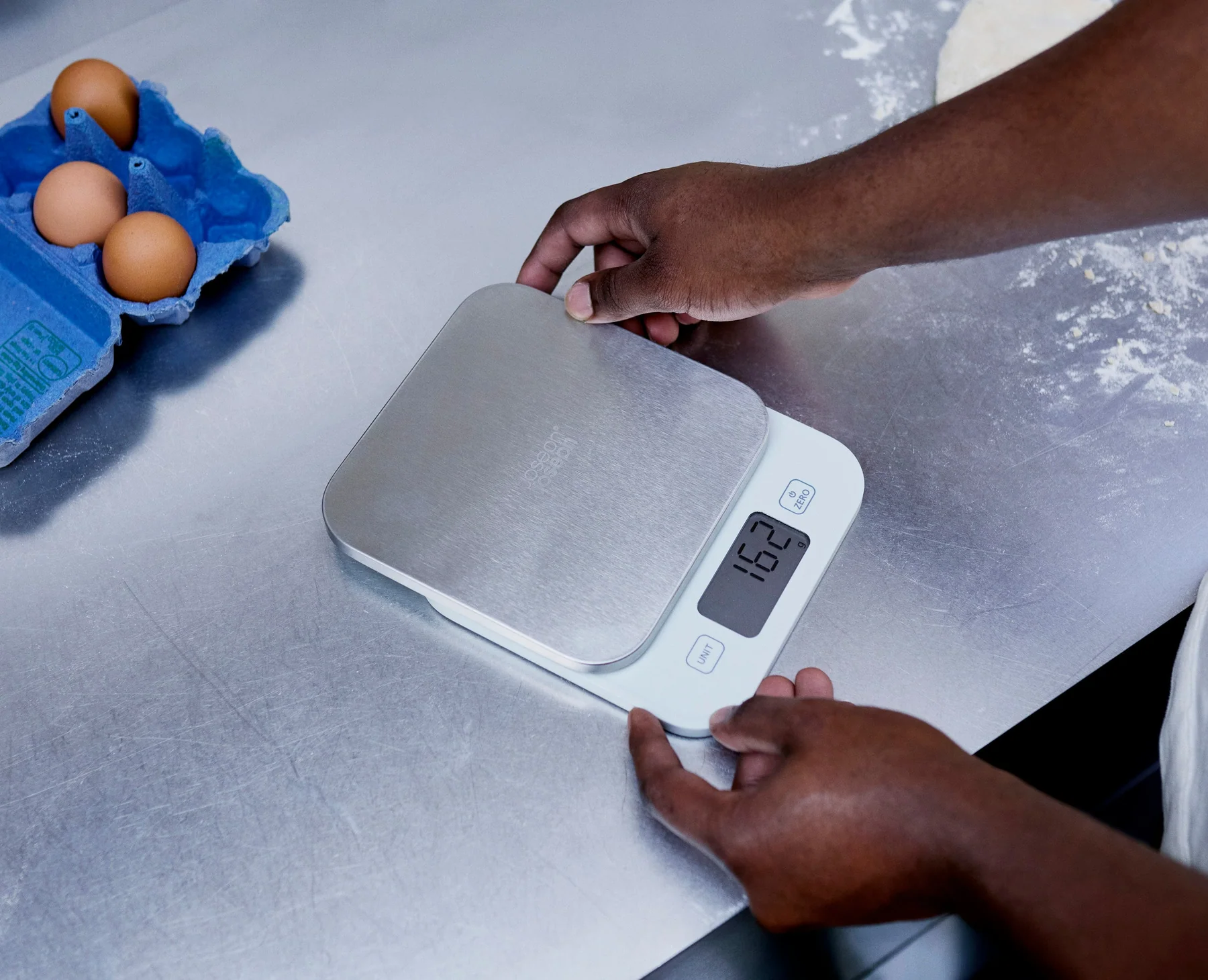
- Kitchen scale (grams) or small pet scale: Weight changes often show up before a chicken looks sick.
- Fine-tip tweezers: For splinters, ticks, and egg membrane bits.
- Scissors: For cutting gauze and vet wrap cleanly.
- Flush syringes (no needle) in 10 to 60 mL: For irrigating wounds and, if your vet advises, gently offering fluids. Only attempt oral fluids if the bird is alert and swallowing well. Aspiration is a real risk.
- Oral dosing syringes (1 mL, 3 mL): For accurate dosing if your vet prescribes medication.
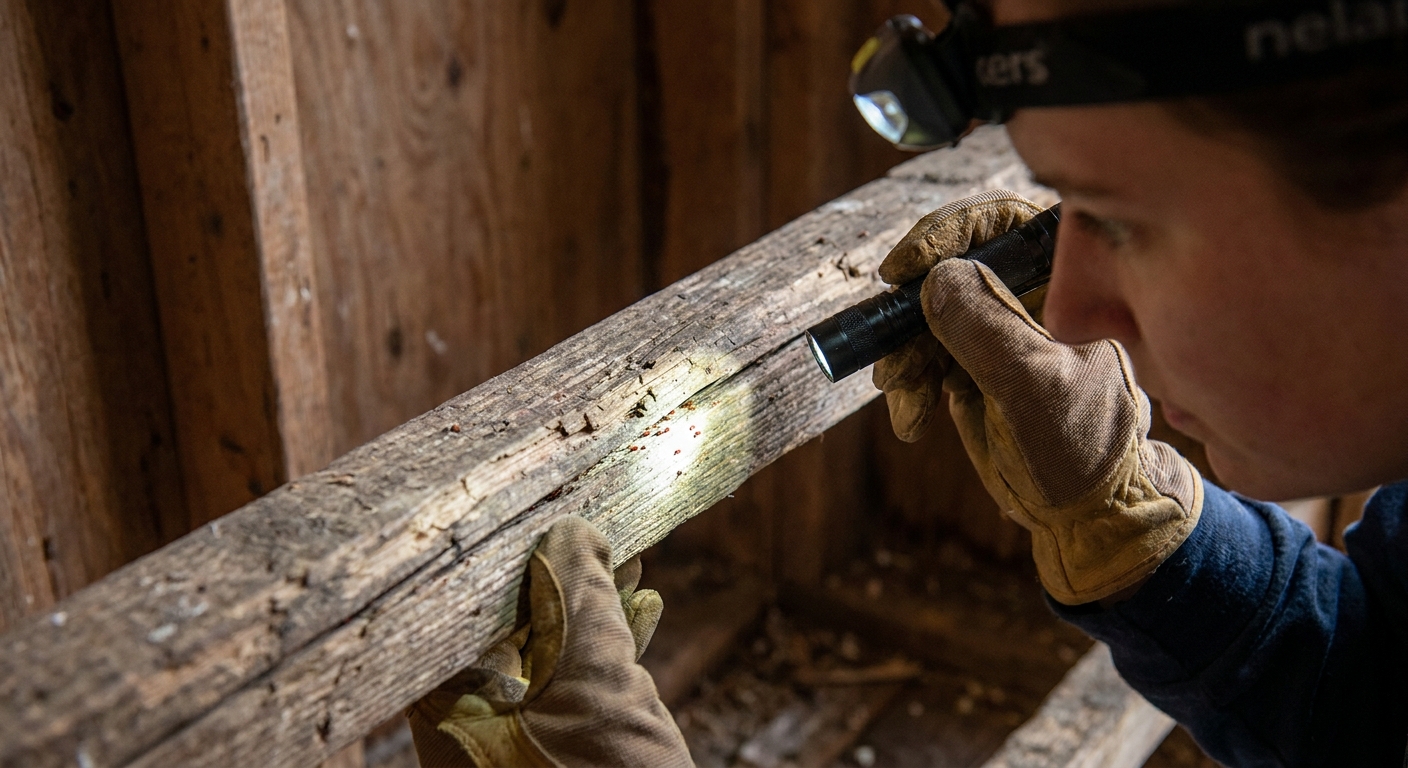
- Headlamp (plus a small flashlight as backup): Hands-free is everything.
- Small towel: For a calm “chicken burrito” restraint.
- Disposable absorbent pads: For a clean work surface and isolation crate lining.
- Small clippers (optional): For trimming feathers away from a wound so you can clean it properly.
Foot care and bumblefoot
If you keep chickens long enough, you will meet bumblefoot. It is a common form of pododermatitis, usually tied to pressure, injury, and bacteria getting a foothold. Early care can prevent a long, stubborn problem.
- Epsom salt: For warm foot soaks to soften scabs and reduce swelling.
- Chlorhexidine: For cleaning the foot after soaking.
- Non-stick pads and gauze roll: For creating a cushioned foot wrap.
- Vet wrap: To keep the pad in place.
- Medical-grade padding (optional): Some keepers use foam or donut padding to offload pressure.
- Small nail clippers: For careful toenail and beak maintenance if needed.
My rule: If the foot is hot, very swollen, or the chicken will not bear weight, I call my vet. Bumblefoot can get deep fast.
Parasite control
External parasites can take a flock from “fine” to “why are my hens pale and miserable?” in a hurry. A kit should help you confirm what you are dealing with and respond safely.
For mites and lice
- Magnifying glass or headlamp: Mites can be tiny and fast.
- Fine-tooth lice comb (optional): Helpful around the vent area.
- Poultry dust bath supplies (stored separately if bulky): Dry sand or soil base plus food-grade diatomaceous earth if you choose to use it. Use with care to avoid respiratory irritation, and do not rely on it as your only control method. Results are mixed, and it will not replace a targeted treatment and coop cleanup when you truly have mites.
- Approved coop and bird treatment: Follow local regulations and label directions closely. If you are unsure what is safe for birds and eggs, ask an avian vet or extension office before applying anything.
For internal parasites
Worming is one of those topics with a lot of confident opinions. My practical approach is this: confirm the problem first when possible, then treat with guidance from a vet, especially if you sell or eat the eggs.
- Sealable sample bags or small containers: For collecting a fresh poop sample for fecal testing.
- Notebook page in your kit: Record symptoms, dates, and any treatments.
Supportive care
Most backyard chicken first aid is supportive care while you figure out the cause. Warmth, hydration, and calories buy you time and can make a big difference.
- Electrolyte powder (poultry-safe): Useful after heat stress, shipping, or illness. Follow label directions and offer plain water alongside unless instructed otherwise.
- Probiotics (poultry formulation): Helpful after antibiotics or digestive upset, with vet guidance.
- Vitamin supplement (especially vitamin E and selenium, if recommended): Only use targeted supplements when you have a reason. Overdoing vitamins can cause problems too.
- Instant heat source: A heating pad on low under half the carrier, or a microwavable heat disc. Always allow the bird to move away from the heat.
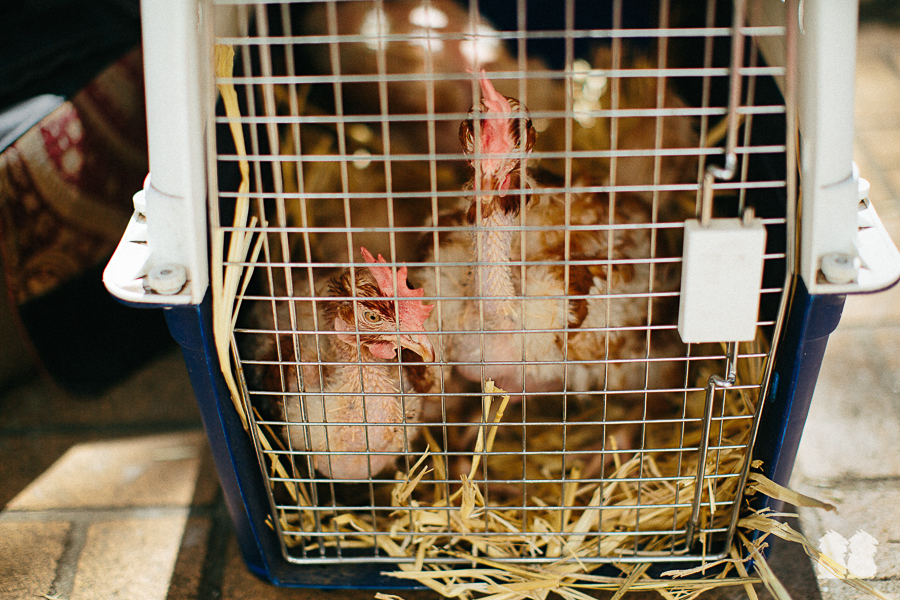
- Small pet carrier or dog crate: For a calm hospital space.
- Crop support items: A small bottle of plain lubricant gel for gentle syringe-feeding tips, and your vet’s phone number for any suspected impaction or sour crop.
What I do first when a hen looks droopy: I isolate her somewhere quiet and warm, offer water, check her crop, look under feathers for mites, feel her belly for hardness or swelling, and take a quick look at droppings. Then I decide if this is “watch and support” or “call the vet now.”
Medications: what to keep
Backyard chicken medicine gets complicated quickly because products, regulations, and egg withdrawal times vary by location. The safest, most useful approach is to stock the basics and leave prescription medications to your veterinarian.
Over-the-counter staples
- Plain antibiotic ointment (no pain relief): For minor cuts and abrasions.
- Chlorhexidine or povidone-iodine: For wound cleaning.
- Electrolytes: Supportive care during stress.
Prescription items (only with vet guidance)
- Antibiotics: These should be chosen based on the suspected infection and your bird’s condition.
- Pain relief and anti-inflammatories: Dosing is not the same as dogs or cats, and mistakes can be dangerous.
- Antiparasitics: Best selected based on the parasite and local rules.
Please avoid the kitchen-sink approach: Randomly combining antibiotics, dewormers, and supplements can make a sick chicken worse and can create egg safety issues.
Egg safety note: Keep a written treatment log in your kit and follow label or veterinarian withdrawal guidance exactly. Extra-label drug use rules vary widely by location, and “I read online that it is fine” is not a plan.
Emergency isolation setup
If you can isolate quickly, you can prevent pecking, monitor droppings, and control food and water intake. I keep a small set of hospital supplies right in the kit.
- Pet carrier or wire crate
- Absorbent pads plus a non-slip towel
- Low, easy-to-clean water dish and small feed bowl
- Heat source (used safely)
- Calm cover: A light sheet to dim the space if the bird is stressed
Biosecurity basics: Add hand sanitizer, a small bottle of a poultry-safe disinfectant, and a few disposable wipes so you can clean surfaces and tools between birds.
Egg and reproductive concerns
Egg issues are one of the most stressful parts of chicken keeping because timing matters. Your kit cannot fix everything, but it can help you assess and support while you get professional help.
- Disposable gloves and water-based lubricant: Useful for careful exam support if a vet instructs you.
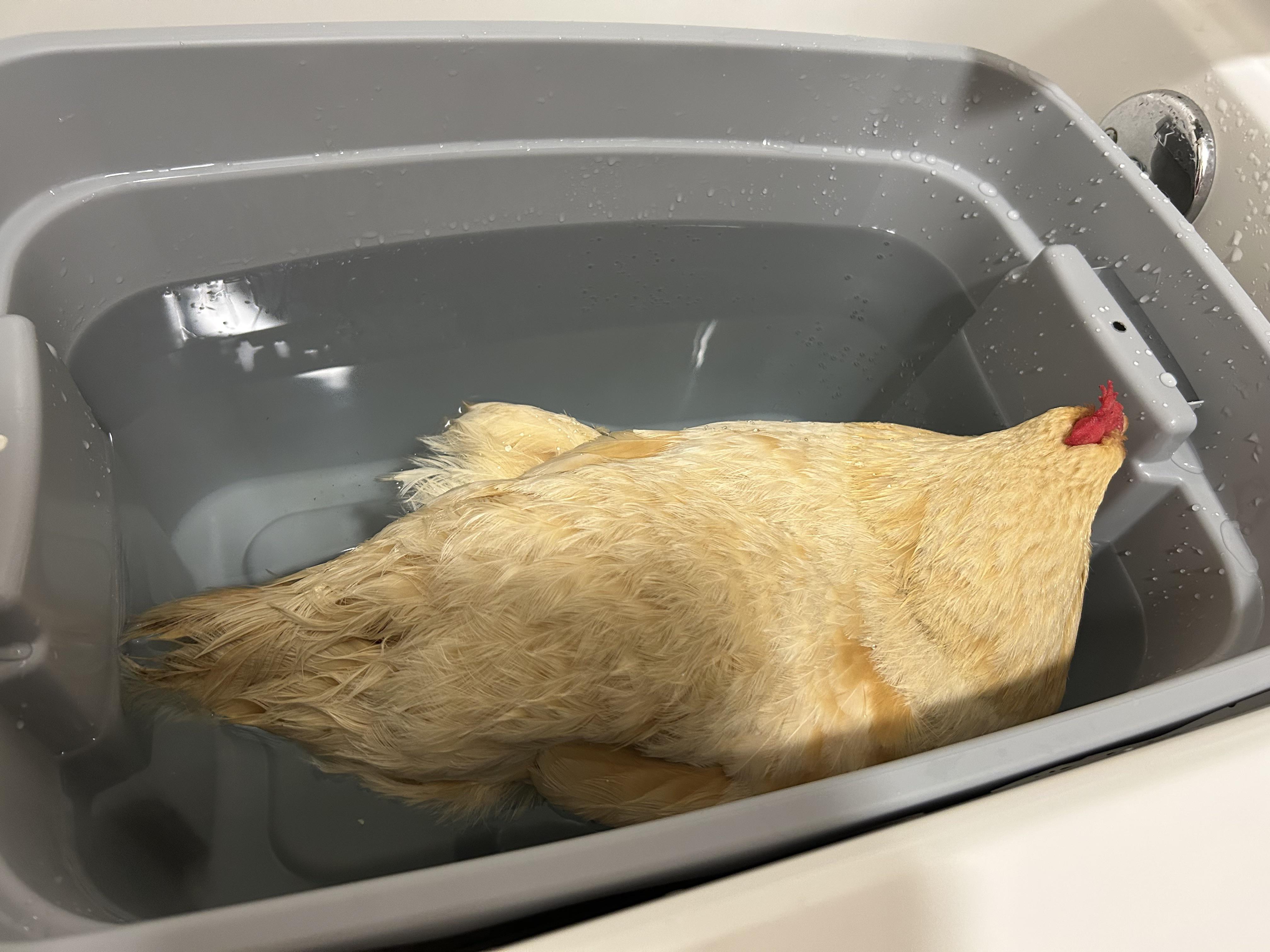
- Epsom salt: For warm soaks that may provide comfort and help a strained hen relax. Think supportive care, not a cure for egg binding.
- Electrolytes and calcium support (only when appropriate): Calcium can help with muscle function, but do not assume every problem is calcium-related.
Call a vet promptly if a hen is straining, lethargic, penguin-walking, or has a swollen abdomen. Egg binding and reproductive infections can turn serious quickly.
Quick-reference checklist
If you want the shopping list version, here is the backbone of a solid backyard chicken first aid kit.
Wound care
- Sterile saline wound wash
- Chlorhexidine (dilutable) or povidone-iodine
- Gauze pads and non-stick pads
- Vet wrap
- Rolled gauze and medical tape
- Plain antibiotic ointment (no pain relief)
- Styptic powder (for minor bleeds)
Tools
- Nitrile gloves
- Scissors
- Tweezers
- Hemostats (locking forceps)
- Headlamp
- Oral syringes (1 mL, 3 mL) and flush syringes (10 to 60 mL)
- Small towel
- Digital scale (grams)
Supportive care
- Electrolytes (poultry-safe)
- Probiotics (poultry formulation)
- Heat source for a hospital crate
- Absorbent pads
Isolation
- Pet carrier or crate
- Small dishes for feed and water
- Light cover sheet
Admin and safety
- Contact card for vet, emergency clinic, extension office, poison control
- Treatment log page
- Hand sanitizer and poultry-safe disinfectant
When to call a vet
I love a good DIY fix. I also love keeping chickens alive. Here are situations where I skip the internet rabbit hole and get professional help.
- Labored breathing, open-mouth breathing, or blue or very pale comb
- Heavy bleeding that does not stop with pressure
- Deep puncture wounds, dog or raccoon attacks, or wounds near the eye
- Suspected egg binding or severe straining
- Neurologic signs like head tilt, seizures, or inability to stand
- Rapid weight loss or not eating for more than a day
- Swollen, hot foot with severe limping
Pro tip: Put your avian vet’s number in your phone now. Not “later.” Later is when you are holding a chicken in one arm and trying to unlock your screen with your elbow.
Stocking and storage tips
- Buy vet wrap in a multi-pack: You will use it.
- Keep liquids in a zip bag: Leaks happen, and you do not want chlorhexidine soaking your gauze.
- Label your dilutions: If you pre-mix anything, write the date and concentration.
- Store a second mini-kit near the coop: Gloves, saline, gauze, vet wrap, and a headlamp. The “big kit” stays inside.
FAQ
Can I use human first aid supplies on chickens?
Many basics translate well: saline, gauze, non-stick pads, vet wrap, and gloves. Where you need caution is with medications, pain relief products, and anything with added ingredients like numbing agents. When in doubt, stick to cleaning and bandaging and contact a vet.
Is hydrogen peroxide good for chicken wounds?
I do not keep it in my chicken kit. It can damage healthy tissue and slow healing. I reach for saline to flush and a properly diluted antiseptic like chlorhexidine for cleaning.
Should I keep antibiotics in my kit?
I keep topical plain antibiotic ointment for minor skin wounds. For oral antibiotics, I rely on my veterinarian so the medication matches the problem and I have clear guidance for dosing and egg safety.
What is the single most useful item to buy first?
Vet wrap, plus saline and gauze. Those three handle a surprising number of backyard chicken “oops” moments while you decide the next step.