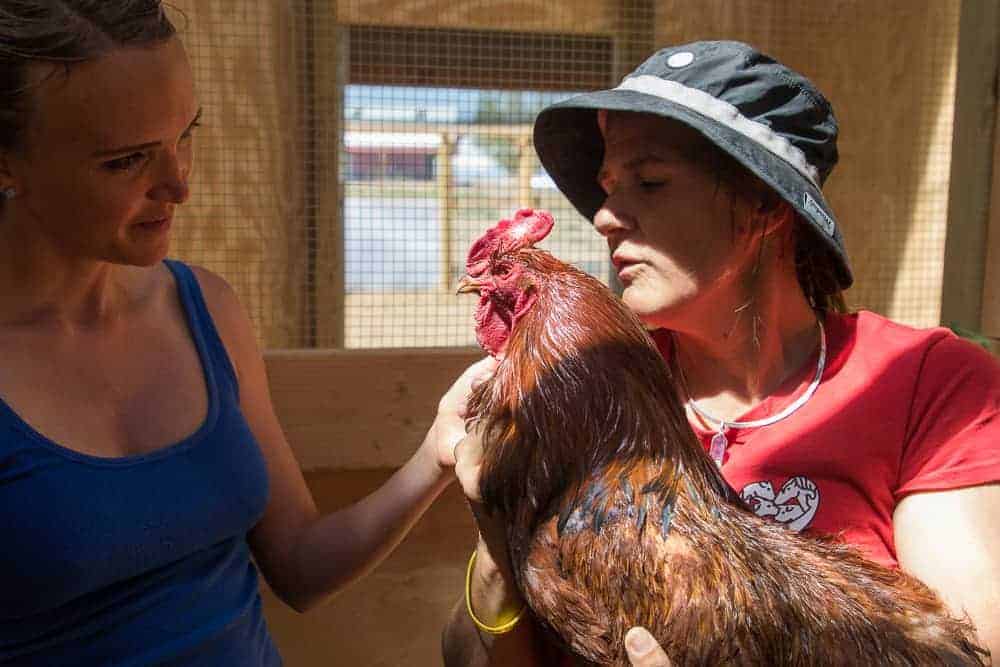
Learn my simple, repeatable flock exam for spotting early signs of illness: behavior, eyes, beak, crop, feathers, feet, and vent. Perfect for backyard chicke...
The Cluck Loom
Deworming Backyard Chickens
Learn the real signs of worms in backyard chickens, how to confirm parasites, natural prevention that helps, and when to use dewormers with safe egg withdrawal practices.

Maggie Harper
Maggie Harper is a passionate backyard chicken keeper with over a decade of hands-on experience raising mixed flocks. Through CluckLoom, she shares practical advice on coop building, flock health, and egg production to help beginners and seasoned enthusiasts alike raise happy, healthy chickens.
Published
October 22, 2026
Last updated
October 22, 2026
The first time I heard someone say, “Just deworm every 3 months, like clockwork,” I nodded politely, went home, and then stared at my flock like they were tiny feathered mystery novels. Because here is the truth from twelve years of muck boots and mixed flocks: some chickens need deworming, some do not, and guessing wrong can mean wasted money, unnecessary egg loss, or a bird that keeps fading because the real problem was missed.
This guide walks you through what internal parasites look like in real backyard life, how to confirm them, what prevention actually moves the needle, and when medication is the right call. I will also help you handle egg withdrawal periods safely, since that is where most folks get understandably nervous.
What worms do chickens get?
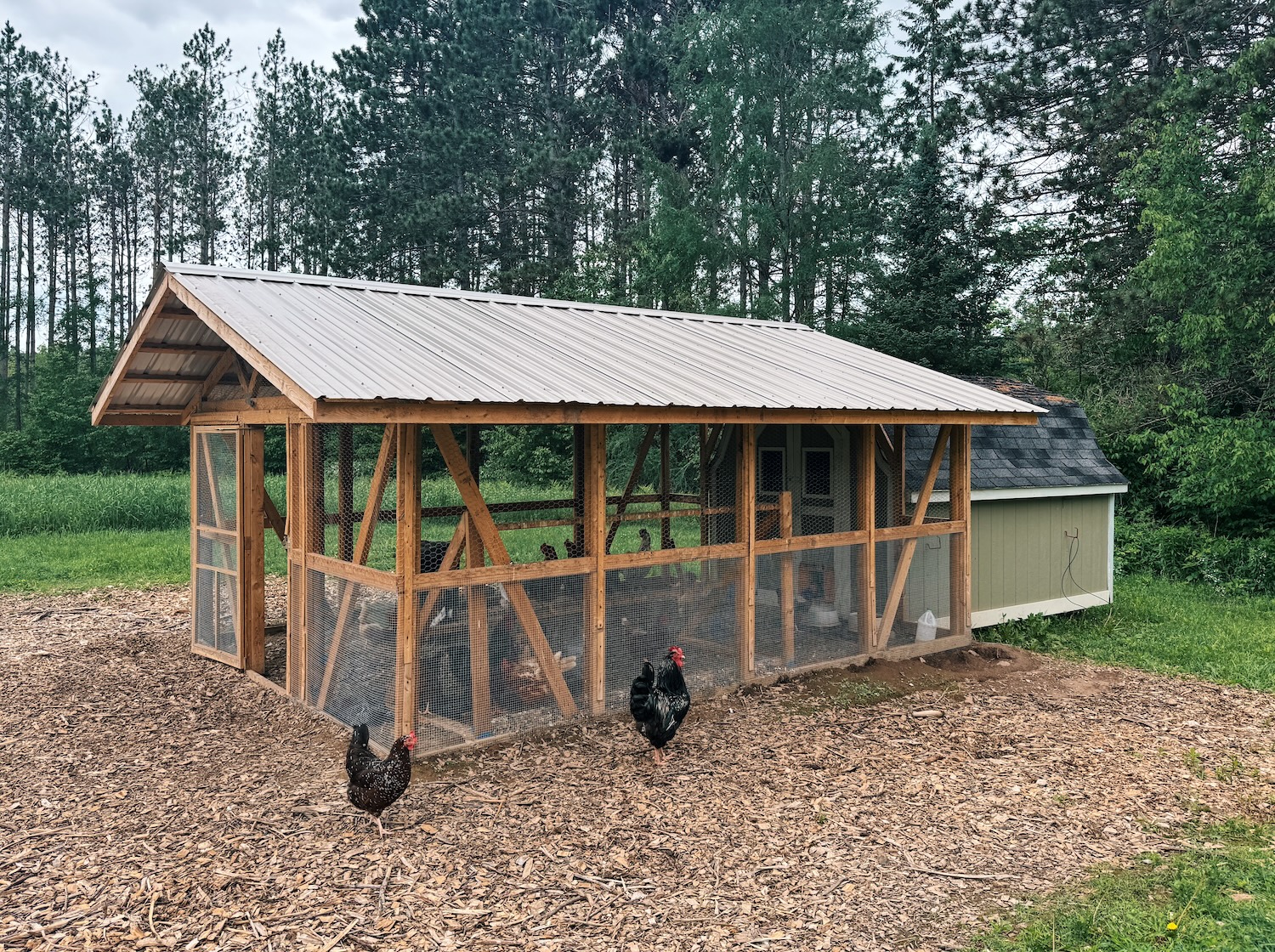
When we say “worms,” we are usually talking about a few common internal parasites. Some live in the intestines, some live in the crop or trachea, and some are transmitted through intermediate hosts like earthworms, slugs, insects, and even beetles in litter.
Common internal parasites in backyard flocks
- Roundworms (Ascaridia galli): the classic intestinal worm. Heavy loads can cause weight loss, diarrhea, poor growth, and reduced laying.
- Cecal worms (Heterakis gallinarum): often mild on their own, but important because they can carry Histomonas (blackhead disease), which is especially dangerous for turkeys.
- Capillary worms (Capillaria spp.): can affect the crop, esophagus, or intestines. These can make birds go downhill surprisingly fast, especially when the crop or upper digestive tract is involved.
- Tapeworms: require an intermediate host (often insects or slugs). You may see segments on droppings or near the vent. Loads vary from “no big deal” to “this bird looks rough.”
- Gapeworm (Syngamus trachea): lives in the trachea and can cause gaping, coughing, and respiratory distress. More common in some regions and in birds with access to wild areas.
Important: Coccidia are not worms. They are protozoa, and they require different treatment. In many backyard setups, amprolium is a common tool, but diagnosis, supportive care, and sometimes other anticoccidials (under veterinary direction) may be appropriate depending on severity, region, and what is labeled where you live. Lice and mites are also separate issues. Dewormers will not fix those.
Signs your chickens might have worms
Internal parasites are sneaky because the early signs look like… chicken life. A bird can be a little off for a day after a heat wave, a molt, or a flock squabble. What matters is the pattern, the duration, and whether multiple birds are affected.
It is also worth saying out loud: some chickens carry low worm burdens with no obvious symptoms. That is one reason I lean toward targeted treatment instead of deworming on autopilot.
Most common symptoms I see in backyards
- Weight loss or a sharp breastbone even though she is eating
- Pale comb and wattles (not always worms, but a big clue something is draining her)
- Messy vent, loose droppings, or droppings that swing between normal and “pudding”
- Drop in egg production not explained by season, molt, heat, age, or broodiness
- Slow, tucked, or lethargic behavior, hanging back from the flock
- Poor feather condition despite decent feed
- Stunting in growers
Red flags
- Blood in droppings (think coccidiosis, injury, or other causes)
- Severe diarrhea with dehydration
- Open-mouth breathing, repeated gaping, or coughing (possible gapeworm, but also respiratory disease)
- Any respiratory distress that looks urgent, especially if a bird is struggling for air
- Rapid decline over 24 to 72 hours
- Multiple birds losing weight at once
If you ever actually see a spaghetti-like worm in fresh poop, yes, that is a pretty direct hint. Still, I like to confirm what type of parasite I am dealing with whenever possible, because it affects which medication works.
Do you need a schedule?
In many backyard settings, routine deworming without evidence is not my favorite approach. Here is why:
- Not every flock has a problem at any given time, especially in clean, well-managed coops.
- Overuse can encourage resistance to dewormers. Resistance patterns vary by drug and region, but targeted treatment is one way to slow that creep over time.
- Egg withdrawal can be a big cost if you are tossing eggs unnecessarily.
A better plan for most backyard keepers is targeted deworming: prevent as much as you can, stay observant, and treat when signs and testing suggest you should.
How to confirm worms
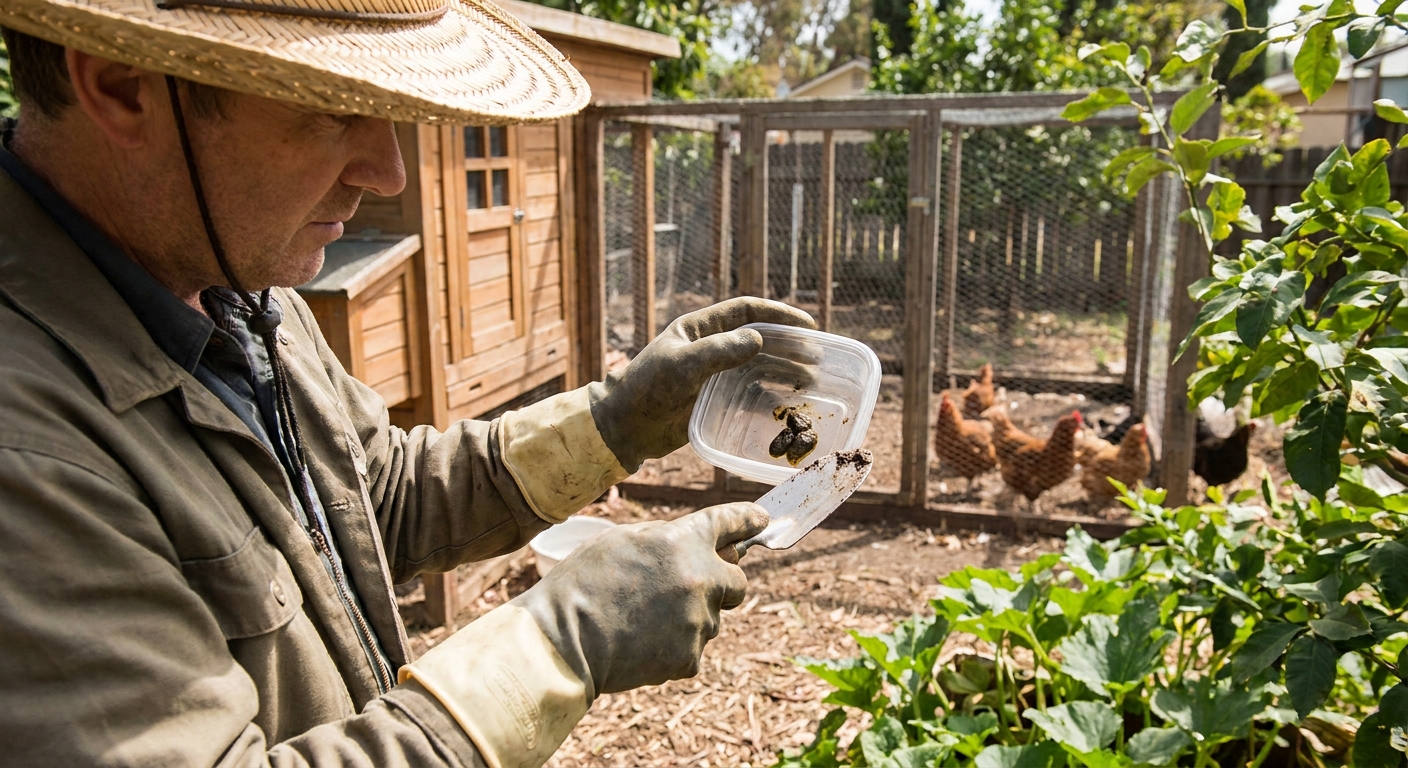
If you take only one practical step from this article, make it this: get a fecal test when you are unsure. It takes the guesswork out of deworming and helps you pick the right tool.
Options for backyard keepers
- Veterinary fecal testing: often the most practical, commonly used starting point. Many clinics run a fecal float, and some can add a direct smear or a quantitative egg count (such as McMaster), which can be very helpful.
- Mail-in poultry fecal testing: available in some areas and often easier than scheduling a visit.
- DIY microscope checks: doable if you are nerdy like that, but there is a learning curve.
How to collect a sample
- Pick the right bird if one is symptomatic. Otherwise, sample a few fresh droppings from the coop roost area in the morning.
- Collect fresh, not dried. Use a clean bag or container.
- Keep it cool and deliver quickly (same day is best). Do not freeze unless the lab instructs it.
What fecal results mean
A fecal test usually looks for parasite eggs, not the worms themselves. That means a float can miss low burdens or parasites that shed intermittently. A single negative does not always rule out parasites, especially if your bird looks unwell. If your gut says “wormy” but the test is clean, ask about repeating the sample (sometimes over a few days), adding a direct smear, or running a quantitative egg count so you can track whether the load is actually high enough to treat.
Even if you end up treating without a test, having a baseline fecal result at least once for your flock can be really enlightening.
Natural prevention
I love a low-drama flock routine. Prevention is where you earn that calm. “Natural” prevention is not magic, but good husbandry absolutely reduces parasite pressure.
Prevention that helps
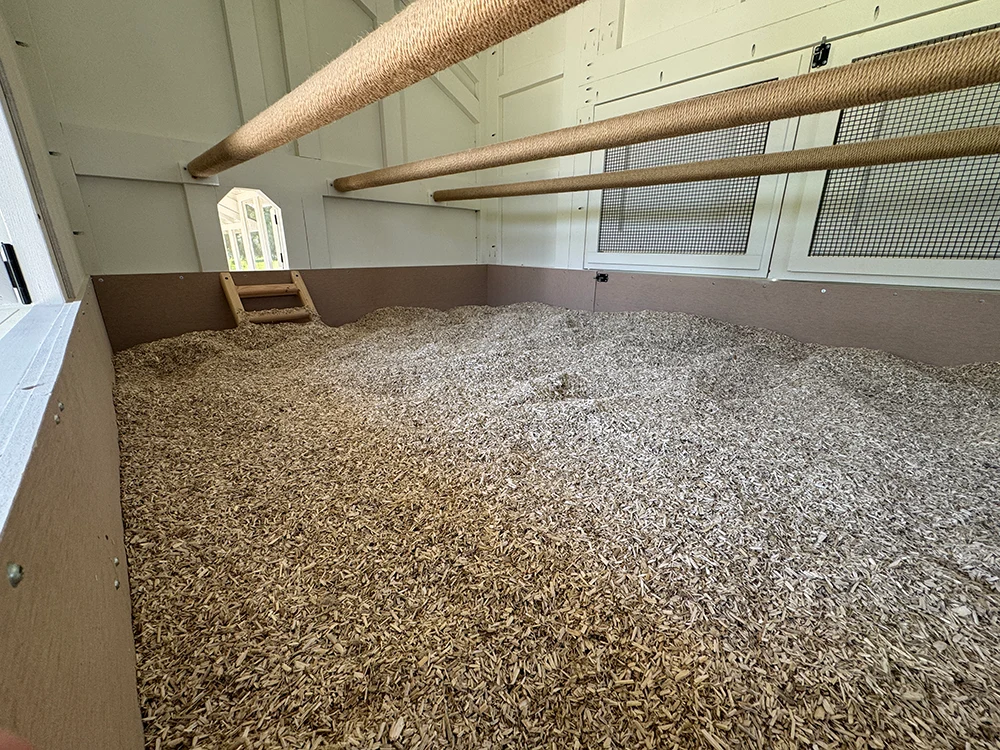
- Keep litter dry: worms and their eggs love moisture. Fix roof leaks, improve ventilation, and stir or replace wet bedding promptly.
- Manage manure under roosts: use droppings boards, scrape often, or keep that area extra dry.
- Rotate runs if you can: even a simple seasonal rotation helps break cycles.
- Avoid muddy high-traffic zones: add gravel, wood chips, or sand in wet spots.
- Do not overcrowd: stress plus poop concentration is a parasite party.
- Quarantine new birds: 2 to 4 weeks is ideal, with observation and a fecal test if possible.
- Control intermediate hosts: reduce slug habitat, keep feed secured to avoid bugs and rodents, and do not let compost piles become a beetle factory right next to the run.
About pumpkin seeds, garlic, herbs, and diatomaceous earth
You will hear a lot of confident advice here. My neighborly take:
- Pumpkin seeds and herbs: fine as enrichment and nutrition, but do not rely on them to treat a worm burden. If a bird is losing weight, “a little pumpkin” is not enough.
- Garlic: can be part of a healthy diet in small amounts, but it is not a dependable dewormer and too much can irritate the gut.
- Food-grade diatomaceous earth (DE): may help with some external pest management when used correctly and carefully, but it is not a reliable internal dewormer. Also, avoid creating dust clouds. Lungs are not fans of DE, chicken or human.
If you enjoy natural add-ons, use them as support, not as a substitute for diagnosis and treatment when needed.
When to use dewormers
If you have confirmed parasites by fecal testing, you are seeing strong symptoms, or you have actually spotted worms, medication is often the kindest and fastest route. The goal is to reduce the worm load before a bird becomes anemic, dehydrated, or nutritionally depleted.
If you see worms
If you spot worms in droppings or on the vent feathers, take a breath and get organized. Isolate the unwell bird if she is being picked on or you need to monitor intake, collect a fresh fecal sample if you can, and look closely at flockmates for weight loss and messy vents. If a bird is crashing, dehydrated, or struggling to breathe, treat it like an urgent situation and loop in a vet.
Common medications
Always read the product label and follow dosing instructions exactly. Not all products are approved for poultry in all locations, and some are prescribed extra-label by veterinarians. If you are unsure, involve an avian vet or an experienced poultry vet.
- Fenbendazole: commonly used in chickens for several types of worms. Often given over multiple days. Some countries have specific restrictions for laying hens and may require egg withdrawal, so this is a “check your local rules and label” item.
- Flubendazole: used for intestinal worms in poultry in some regions and may be labeled for layers depending on product and country. Follow the product’s egg guidance exactly.
- Levamisole: effective against certain nematodes but has a narrower safety margin. Accurate dosing matters, so double-check poultry-specific dosing with a veterinarian or a trusted local reference rather than eyeballing it.
- Ivermectin: often discussed online, usually off-label for chickens. It is not reliably effective for many common intestinal worms, and egg and meat withdrawal times are often not established for backyard use. This is one to use only with veterinary guidance.
- Praziquantel: sometimes used for tapeworms in other species. Poultry labeling and withdrawals vary widely by region, so this is typically veterinarian-directed. Also, diagnosis matters, because not every “rice grain” sighting or vent mess ends up being tapeworms.
One more reality check: if the problem is coccidiosis, bacterial infection, or a nutritional issue, deworming will not fix it. That is why testing and careful observation matter so much.
Egg withdrawal
This is the part that makes backyard keepers sweat, and I get it. When you use a medication, there may be a window of time when eggs are not considered safe to eat because residues can pass into the egg.
How to handle eggs
- Follow the label first. If the product has a stated withdrawal period for eggs, use it.
- If there is no egg guidance for chickens, ask your veterinarian for a conservative withdrawal recommendation based on the drug, dose, and route.
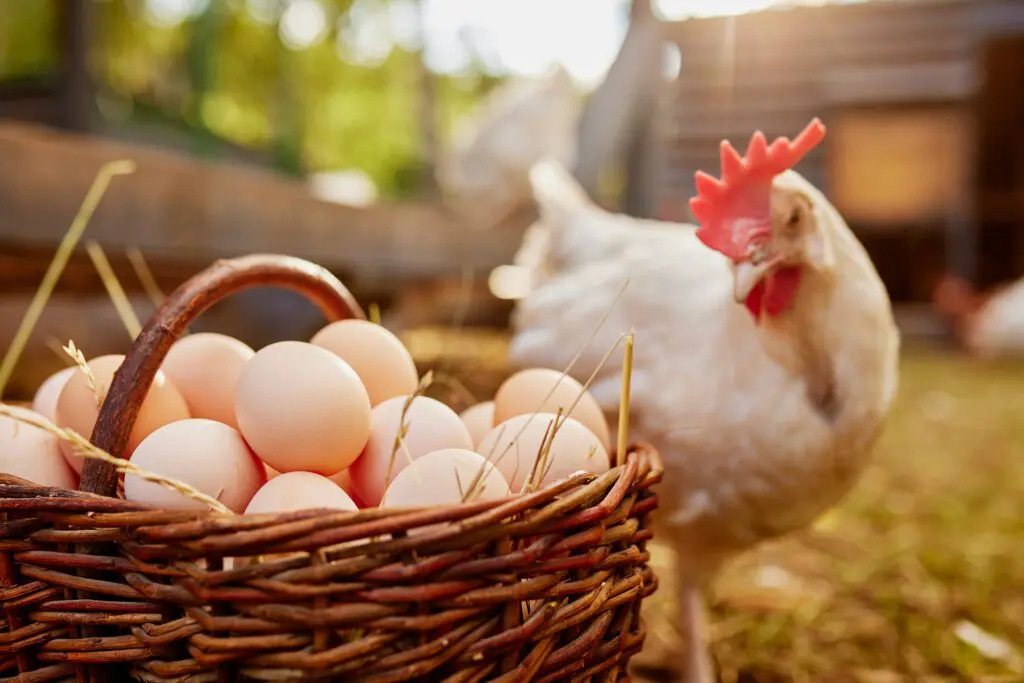
- Mark your calendar. I literally write the end date on painter’s tape on the egg basket handle.
- Collect eggs as usual so you can monitor laying and avoid egg eating habits.
- Handle eggs based on label and vet guidance. If eggs are not for human consumption, do not sell or give them away. Also avoid feeding them to other food-producing animals unless a veterinarian specifically advises it, since residue rules and compliance expectations vary by jurisdiction.
Selling or giving away eggs
During any withdrawal period, treat eggs as not for human consumption. That includes friends, neighbors, and “just one carton to my coworker.”
If you are ever in doubt about withdrawal times, the safest answer is to be conservative and to get veterinary guidance. Your hens will forgive you for the temporary egg loss. Your body will appreciate the caution.
Step-by-step deworming
Different products have different methods, but the workflow below keeps you organized and helps you avoid under-dosing or re-infecting everyone right away.
- Identify who needs treatment. Ideally based on fecal results and symptoms. Sometimes that is one bird, sometimes it is the whole flock.
- Weigh birds if possible. A cheap kitchen scale and a calm “chicken burrito” hold in a towel go a long way. Accurate dosing is important. If a bird is sick, recheck weight during recovery so dosing stays appropriate.
- Choose the correct product and plan the schedule. Many dewormers require multiple days and sometimes a repeat in 7 to 14 days to catch newly matured worms.
- Administer correctly. Some are given orally, some in water, some in feed. Medicated-water or feed dosing can get tricky if you have multiple waterers, multiple feeders, flock hierarchy, or a bird that is not drinking well. Timid birds can be underdosed, and heavy drinkers may get more than intended. For unwell birds, individual dosing is often safer.
- Clean to reduce reinfection. Scrape droppings boards, remove wet bedding, refresh litter, and address muddy run areas. If you compost litter, compost it hot and keep it secure from pets and wildlife. Also think twice before spreading fresh coop waste where chickens can immediately forage again.
- Track eggs and withdrawal dates. Set the eggs aside and keep notes.
- Recheck. If symptoms persist, do a follow-up fecal test or vet visit. “Deworm and hope” is how problems linger.
If one hen is clearly unwell, I separate her so I can monitor droppings, appetite, and dosing. It is not chicken jail. It is chicken spa with room service.
Special situations
Chicks
Chicks are more vulnerable to dehydration and to illnesses like coccidiosis. If a chick is droopy, losing weight, or has bloody droppings, do not assume worms. Get guidance quickly, and make sure brooder hygiene is tight.
Molting hens
Molting can look dramatic all by itself: pale comb, cranky mood, fewer eggs, scruffy feathers. If body condition is good and droppings look normal, I often focus on nutrition and stress reduction first. If she is thin or fading, test.
Free-ranging flocks
Free-ranging boosts enrichment, but it also increases exposure to intermediate hosts. If your birds range in damp, wooded areas or around compost, consider periodic fecal testing as part of your routine.
Mixed flocks with turkeys
If you keep turkeys with chickens, take cecal worms seriously because of blackhead risk. Keeping turkeys on clean ground and minimizing chicken manure exposure helps. Work with a vet if you suspect parasite issues in a mixed species setup.
FAQ
Can I eat eggs while deworming my chickens?
Only if the product you are using is labeled for laying hens with no egg withdrawal, or your veterinarian has confirmed it is safe. Otherwise, treat eggs as not for consumption until the withdrawal window has passed.
How often should I deworm backyard chickens?
There is no one perfect schedule. In many backyards, a better approach is to prevent, observe, and test, then treat when needed. If your flock has repeated issues, talk with a poultry vet about a targeted plan.
Do worms cause pale combs?
They can, especially with heavy parasite loads that lead to poor nutrition or anemia. But pale combs can also come from molt, heat stress, illness, or simply genetics and season. Look at the whole bird.
Why did my chicken still look thin after deworming?
Recovery takes time, and the original problem might not have been worms. Follow up with a fecal test and consider other causes like coccidiosis, bacterial infection, sour crop, poor nutrition, or chronic reproductive issues.
What is the single best natural way to prevent worms?
Dry, clean conditions. If you keep bedding dry, manage manure, avoid overcrowding, and reduce muddy zones, you lower parasite pressure more than any supplement ever will.
My calm flock takeaway
Deworming is not a badge of honor and it is not a failure either. It is simply one tool in flock care. If you focus on prevention, keep your eyes open for patterns, and lean on fecal testing when you are unsure, you will treat fewer times, lose fewer eggs, and catch real problems sooner.
If you want more help, use this article as a checklist and bring your notes to a poultry-savvy vet. Age, housing, symptoms, free-ranging habits, and a fecal result (when possible) can turn a stressful guessing game into a clear plan.