Confused about grit and oyster shell? Here’s the practical backyard guide: what each does, which birds need them, and the simplest free-choice setup for a he...
The Cluck Loom
Free-Ranging vs. Commercial Feed
How much does foraging really reduce feed use for backyard chickens? Learn what pasture provides, what it cannot, and how to balance free-range time with a complete ration year-round.

Maggie Harper
Maggie Harper is a passionate backyard chicken keeper with over a decade of hands-on experience raising mixed flocks. Through CluckLoom, she shares practical advice on coop building, flock health, and egg production to help beginners and seasoned enthusiasts alike raise happy, healthy chickens.
Published
October 22, 2026
Last updated
October 22, 2026
I love watching chickens free-range. It is equal parts pest control, comedy show, and “how are you finding another worm, again?” But the question I get over and over is the practical one: does foraging really cut the feed bill, or is it just a nice bonus?
The honest answer from my own backyard and from what poultry nutrition is built around is this: foraging can meaningfully reduce feed use in the right setup, but it almost never replaces a complete commercial ration, especially for laying hens. Pasture is an amazing supplement. It is not a balanced diet.
One quick clarification, because people use these terms loosely:
- Free-range (backyard version): birds have access to an outdoor area some or all of the day.
- Pasture-raised: birds are on managed, vegetated ground, typically moved or rotated so they always have fresh forage.
- “They have a yard”: sometimes this just means a small run that gets picked bare fast. That is still outdoor access, but it does not provide much nutrition.
What foraging adds
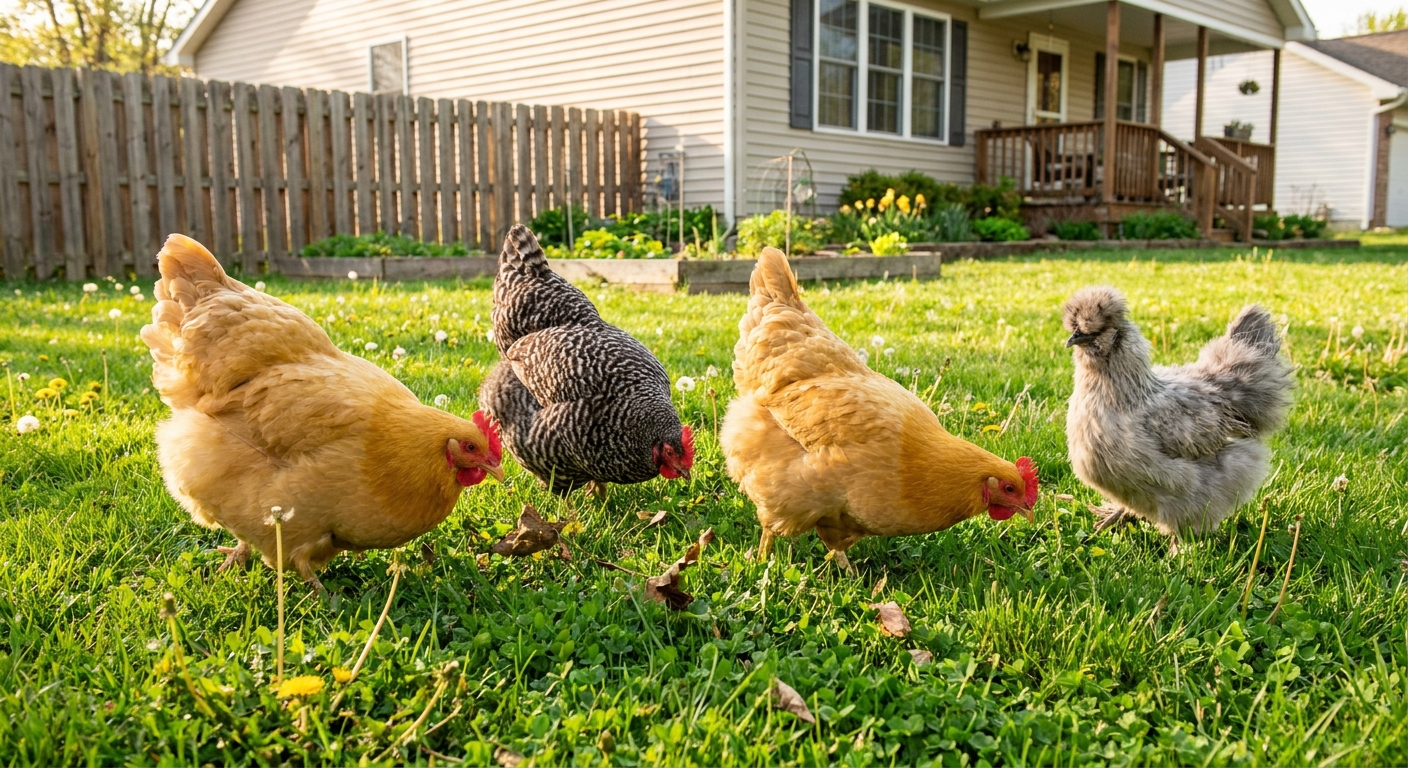
When we say “free-range,” we usually picture chickens eating a little of everything. That is pretty accurate, but what they find tends to fall into a few main buckets.
1) Protein bumps: bugs, worms, larvae
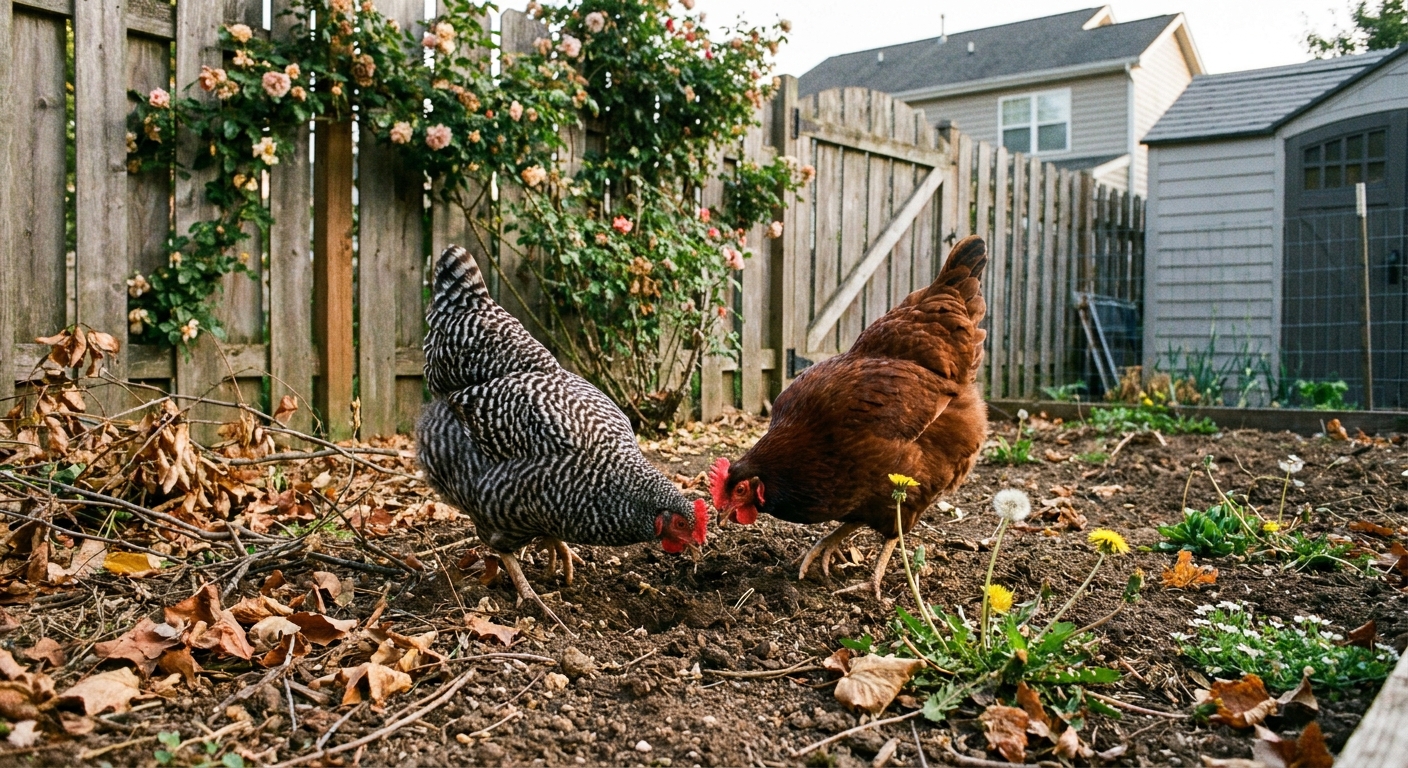
Insects and other crawlies can be a real protein boost, especially in warm, damp months. If you have compost, leaf litter, garden beds, or a run you rotate onto fresh ground, your birds will find the good stuff.
Reality check: bug availability swings wildly by season, weather, and how hard your flock has already “harvested” your yard.
2) Vitamins and pigments: greens and weeds
Chickens nibble grasses, clover, chickweed, plantain, and all sorts of tender greens. These contribute vitamins and antioxidants, and they often deepen yolk color because of natural carotenoids.
Reality check: greens are great for micronutrients, but they are not energy-dense enough to power egg production by themselves.
3) Minerals: soil, grit, and whatever they dig up
Chickens will pick at soil and small stones. They also seek out calcium sources if they find them (crushed eggshell bits, oyster shell scattered accidentally, tiny snail shells).
Reality check: soil minerals are not consistent. Some yards are naturally low in key minerals, and you cannot eyeball that.
4) Kitchen and garden finds
If you let hens follow you through the garden, they will sample fallen fruit, overripe tomatoes, seeds, and whatever you missed at harvest. That can add calories.
Reality check: those calories are not balanced and can crowd out the nutrition they need if treats get too generous.
How much feed foraging can replace
This is the part people want in a clean number, so I will give you a practical range with a big caveat: your space per bird, your ground cover, and your rotation matter more than the label on your feed bag.
Typical intake without meaningful foraging
A healthy adult laying hen commonly eats around 1/4 pound of complete feed per day, but it varies. Many standard-size layers fall roughly in the 3.5 to 5 ounces per day range depending on body size, temperature, and how hard they are laying. Larger breeds and cold weather can push that higher.
I skip cup measurements because they can mislead. Pellets, crumble, and mash all “cup out” differently.
What free-ranging can realistically do
These are field estimates, not a promise. In my experience and in what many backyard keepers report when they actually measure feed use, the offset usually looks like this:
- Light foraging (small yard, short time out, heavily picked ground): often about 0% to 10% feed reduction.
- Moderate foraging (daily access, decent vegetation, some insects): often about 10% to 25% feed reduction.
- Excellent foraging (rotational grazing, rich bug life, compost habitat nearby, edges of orchard or woods): sometimes about 25% to 40% feed reduction for part of the year.
Stocking density is the hidden lever here. A small lawn with six hungry hens will be picked clean fast. A larger area with rest periods stays productive much longer.
In my own suburban setup, when the grass is growing and the bugs are popping, my flock’s feed use can dip noticeably. In late summer when everything is dry and my birds have already vacuumed the yard, the “savings” vanish.
The big takeaway: foraging usually supplements a complete ration. If you are counting on pasture to carry the whole diet, you will almost always trade feed savings for lower laying rate, poorer feather quality, and more issues like thin shells.
Why feed still matters
Commercial poultry rations are designed to be complete, meaning they deliver consistent protein, energy, amino acids, vitamins, and minerals in the right ratios. Pasture is variable by nature.
The biggest gaps foraging does not fill reliably
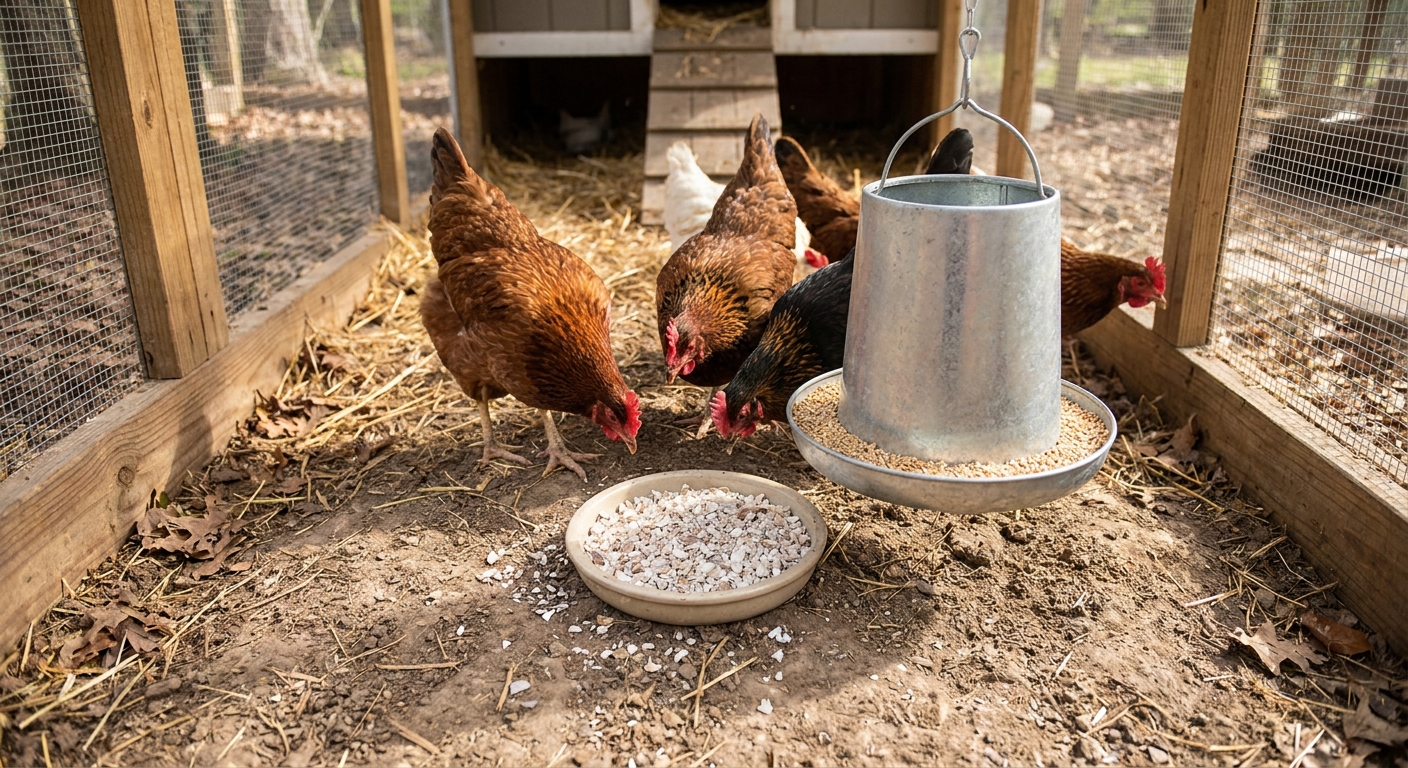
- Calcium for eggshells: A laying hen needs a lot of calcium daily. Even on pasture, you should provide free-choice oyster shell (in a separate dish, not mixed into feed).
- Consistent protein and amino acids: Chickens do not just need “protein,” they need specific amino acids. A commercial layer feed is formulated to cover those. Bugs help, but you cannot count on them.
- Vitamin D and mineral balance: Sunlight helps birds make vitamin D3, but real-world adequacy depends on exposure, season, latitude, and how much time they are actually in direct sun. Either way, minerals like phosphorus still need to be in the right balance with calcium, and feed is designed around that relationship.
- Energy in winter: When pasture goes dormant, chickens still need calories. Cold weather also increases energy demand.
If you have ever had a hen lay a few “mystery softies” during a stretch when the flock looks like it is thriving outdoors, you have seen the core issue in real time. They can look great on pasture and still come up short on the exact nutrients needed to build a proper shell every day.
Free-range tradeoffs
I am pro free-range when it is done intentionally, but the “free” part is a bit of a myth if predator losses or illness spike.
Predators and stress
Hawks, neighborhood dogs, raccoons, coyotes, and even bold foxes can turn free-ranging into a heartbreak and an expensive one. Stress alone can reduce laying.
Practical safety upgrades that help: lock birds up at dusk, let them out after full daylight, consider supervised ranging, and use covered runs or netting in high hawk-pressure areas.
Parasites and disease exposure
Pasture access can increase contact with worm eggs and intermediate hosts (like slugs and snails). Good management helps, but it is something to keep on your radar.
Garden damage and toxic snack opportunities
Free-ranging birds can sample things you would rather they did not, including moldy food, spoiled scraps, or certain ornamental plants. Fencing off problem areas is your friend.
How to balance pasture and feed
If you want the benefits of foraging without accidentally shorting nutrition, here is the approach that has kept my flock’s body condition and egg quality steady.
Keep complete feed available most of the time
For laying hens, I strongly prefer free-choice layer feed (pellets or crumble) available during waking hours. Most hens do a decent job self-regulating on a balanced ration. Trouble usually starts when we replace real feed with treats.
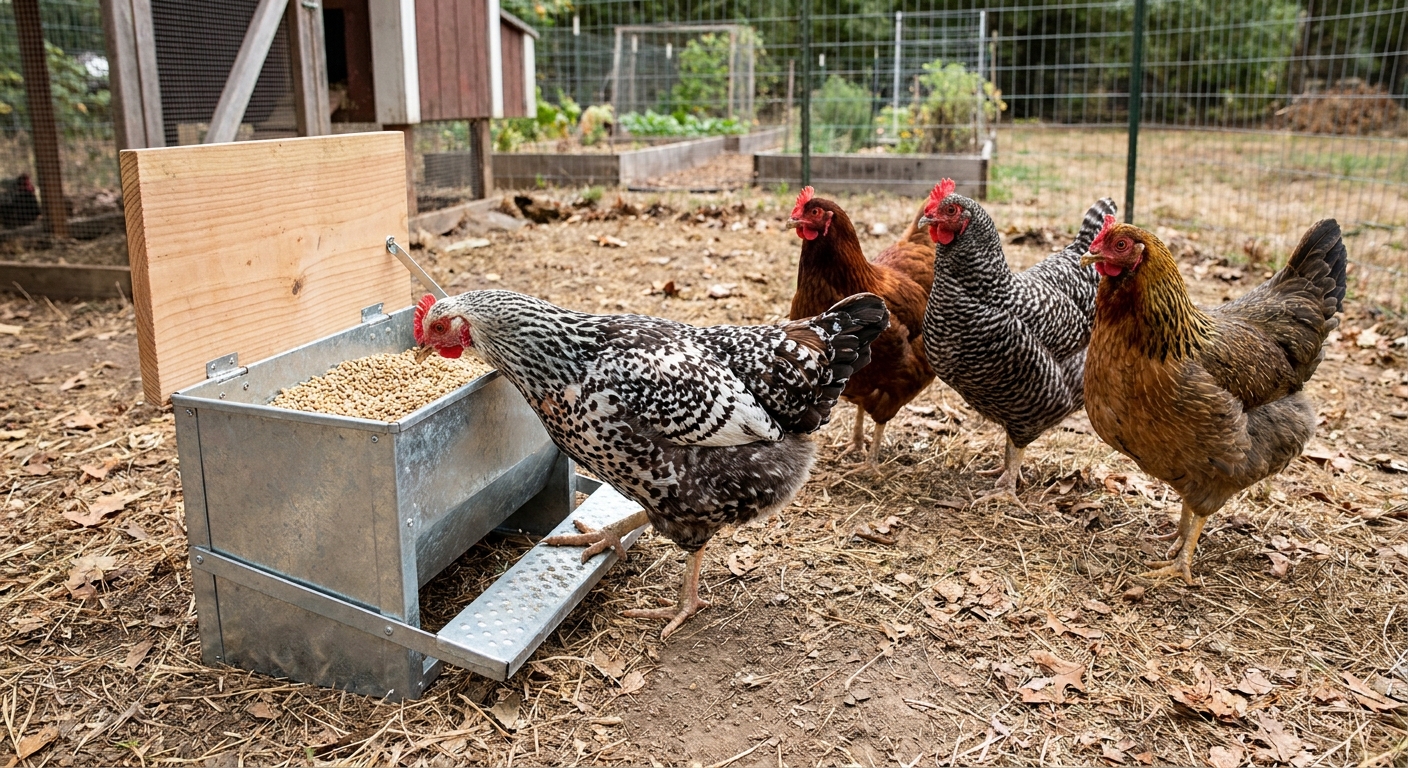
If you are trying to reduce waste, use a feeder that limits tossing and scratching feed onto the ground. A little upgrade here saves more money than most people expect.
Offer calcium separately
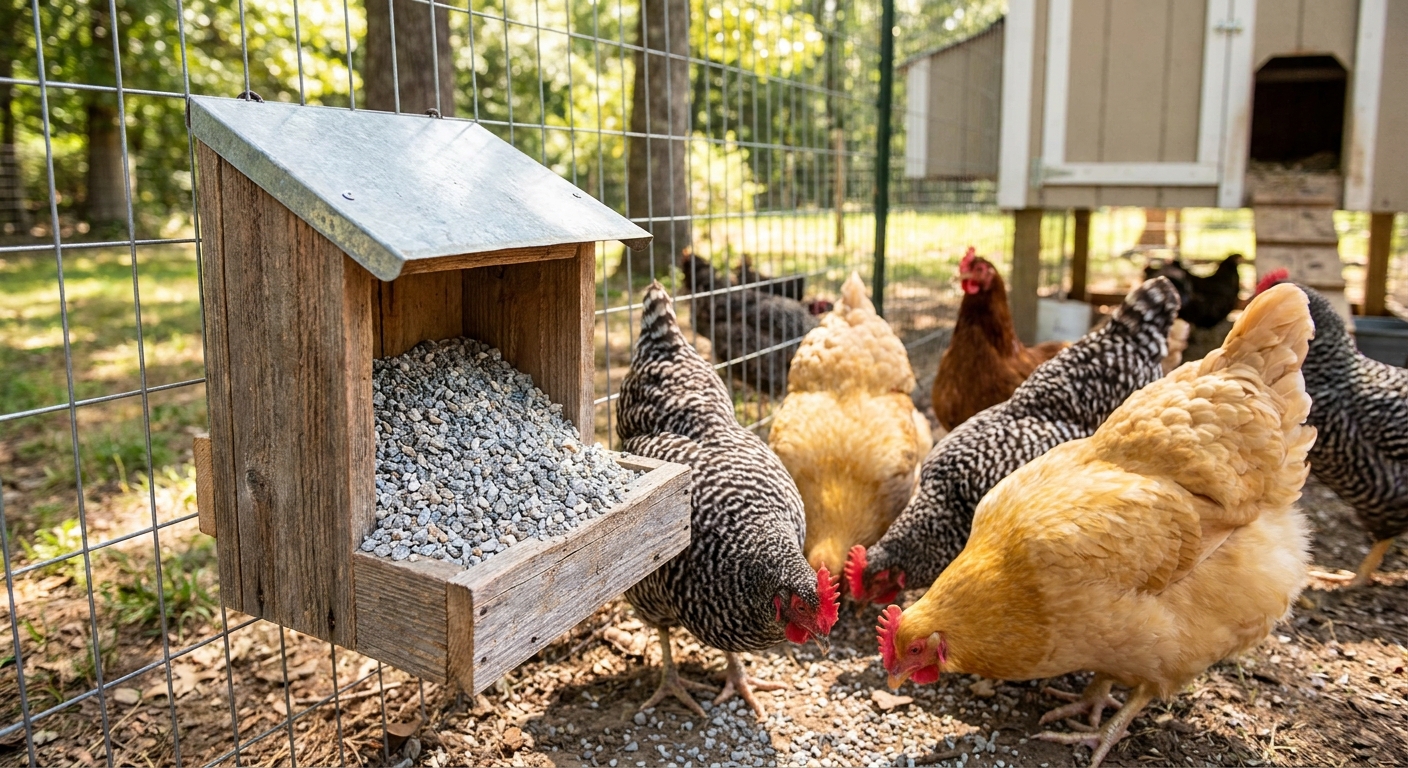
Provide oyster shell free-choice in a separate container. This lets each hen regulate her intake. Do not force extra calcium on non-layers (like roosters or younger pullets) by mixing it into the main feed.
Use grit if birds are eating whole foods
If your flock is eating seeds, weeds, and kitchen scraps, they need insoluble grit to grind it in the gizzard. Many free-range yards provide some natural grit, but not always enough. When in doubt, offer grit free-choice.
Boost foraging the right way
If you are serious about reducing feed without sacrificing production, your best tool is management:
- Rotate access so areas can regrow.
- Protect ground cover with rest periods, temporary fencing, or chicken tractors.
- Think habitat: leaf litter, mulched paths, and edges near shrubs often hold more bugs than a short, mowed lawn.
Compost access: helpful, but be picky
Compost can be a gold mine for insects. It can also be a hazard if it contains moldy food, wet anaerobic pockets, meat or grease scraps, or bits of plastic and string. If you let birds work a pile, keep it clean, keep it turned, keep it on the dry side, and block access to anything questionable.
Watch body condition, not just the scoop
- Too thin: sharp keel bone, low energy, drop in laying.
- Too heavy: thick fat pads near vent, waddling, poorer laying persistence.
- Just right: keel bone palpable but not razor sharp, bright eyes, steady activity.
Foraging can trick you because birds look busy and happy even when they are not getting enough balanced nutrition.
Season expectations
Spring
Often the best foraging season: tender greens, lots of insects, moist soil. Feed use may drop, yolks may deepen. Still keep layer feed available because spring is also when many hens ramp up production.
Summer
Early summer can be great, then midsummer can turn into a crunchy, bug-light drought depending on your climate. Heat stress can reduce appetite and laying. Make water access easy and shady.
Fall
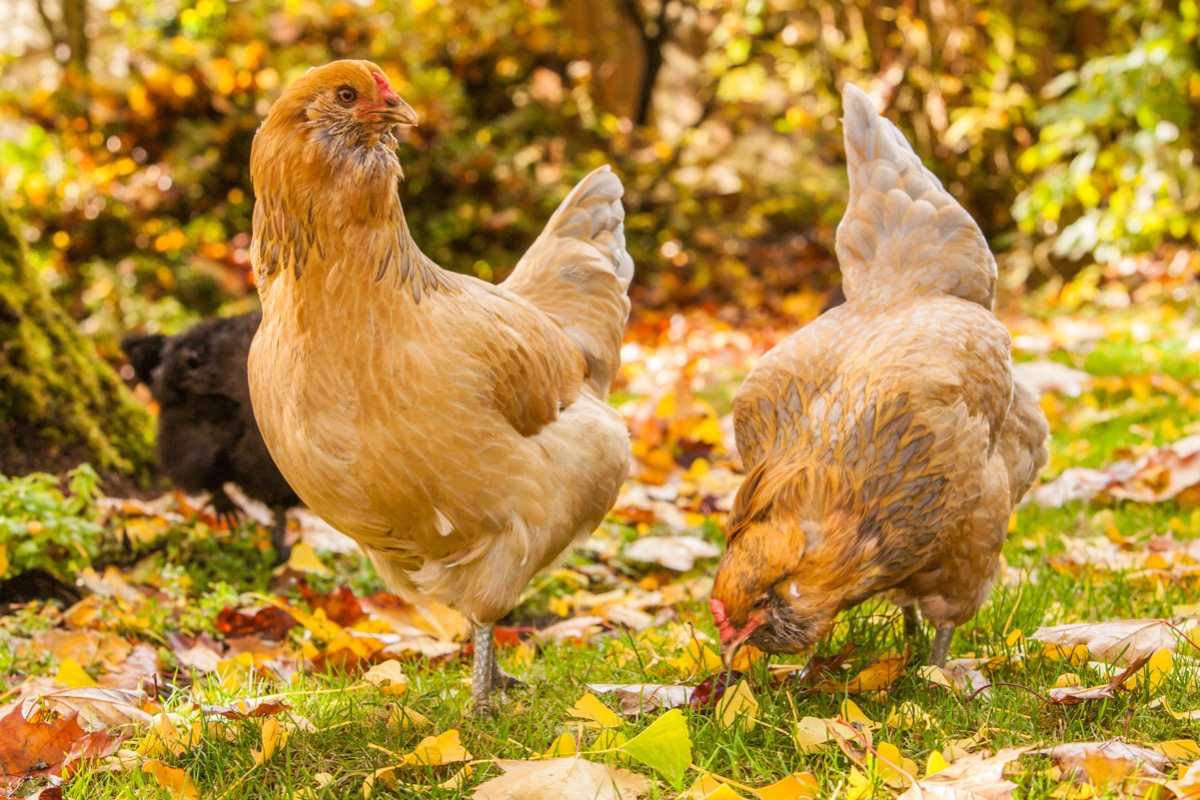
Another decent foraging window when rains return and leaves bring insect activity. If you have an orchard or trees dropping fruit, watch treat overload.
Winter
In most backyards, pasture contributes very little. This is when commercial feed is doing nearly all the heavy lifting. If you get snow cover, expect feed intake to rise.
Common problems that are really diet
Thin shells or soft-shelled eggs
Often a calcium intake issue, sometimes compounded by low vitamin D, stress, illness, or general undernutrition. Offer oyster shell and keep a quality layer feed available.
Pale yolks
Usually less access to greens and pigments, or a ration without added pigments. Not automatically unhealthy, but it can reflect limited forage diversity.
Feather picking and rough molts
Can have multiple causes, but inadequate protein or mineral imbalance makes it worse. During molt, many keepers switch from layer to an all-flock or higher-protein feed and keep calcium available separately for any hens still laying.
Egg production suddenly drops
Some drop is normal with heat, stress, molt, or shorter daylight. But if you reduced feed too aggressively because “they are free-ranging,” nutrition should move to the top of your troubleshooting list.
How to estimate your savings
If you are curious how much pasture is helping, do a quick backyard audit for two weeks.
- Weigh the feed you put in the feeder (a kitchen scale works fine).
- At the same time each day, weigh what is left and record how much was eaten.
- Track eggs and note any shell issues.
- Repeat in another season to see how the number changes.
This gives you hard data without starving your birds “as an experiment.” I have done this in spring and late summer and the difference is night and day.
FAQ
Can chickens live on pasture alone?
In most backyard situations, no. Pasture varies too much to consistently provide the protein quality, calcium, and balanced vitamins and minerals laying hens need. You might keep birds alive on forage, but you will usually see poor egg production, weak shells, and health problems over time.
If my hens free-range all day, should I still feed layer pellets?
Yes, for most flocks. Keep a complete layer ration available and let foraging act as a supplement. If you are managing a breeding flock, roosters, or mixed ages, consider an all-flock feed plus separate calcium.
Does free-ranging make eggs healthier?
It can increase certain nutrients and deepen yolk color because of greens and insects. The bigger win I see is welfare and enrichment. Nutritionally, the best eggs usually come from a well-fed hen that also gets pasture time.
What is the biggest mistake people make when trying to cut feed costs?
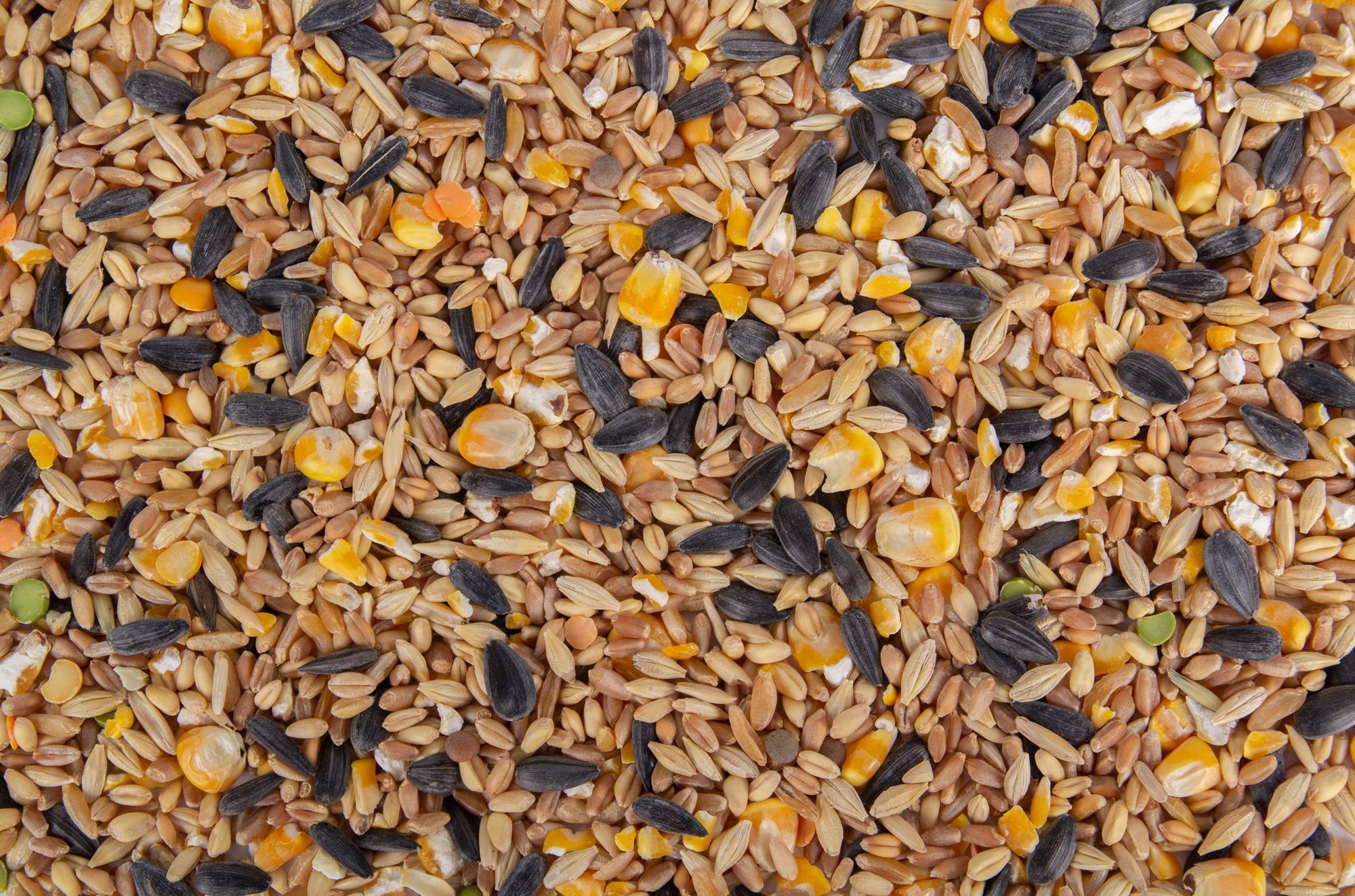
Replacing too much complete feed with scratch grains, bread, or “whatever the chickens find.” Scratch and scraps are treats, not nutrition plans. If you want savings, focus on reducing waste, improving feeder setup, and boosting forage quality through rotation and habitat.
My bottom line
Foraging is a fantastic way to stretch your feed and improve your flock’s quality of life. It shines as a source of greens, insects, and enrichment. Commercial feed is still the nutritional foundation that keeps body condition, egg production, and shell quality stable.
If you want the best of both worlds, do this: let them roam when it is safe, keep a complete ration available, offer oyster shell separately, and measure feed use across seasons. Your chickens will tell you, with their feathers and their eggs, whether the balance is right.