Confused about grit and oyster shell? Here’s the practical backyard guide: what each does, which birds need them, and the simplest free-choice setup for a he...
The Cluck Loom
The Scratch Grain Myth
Scratch grains are a treat, not a meal. Learn what scratch is, why too much can lead to weight gain and fewer eggs, and how to use it safely in a backyard flock.

Maggie Harper
Maggie Harper is a passionate backyard chicken keeper with over a decade of hands-on experience raising mixed flocks. Through CluckLoom, she shares practical advice on coop building, flock health, and egg production to help beginners and seasoned enthusiasts alike raise happy, healthy chickens.
Published
October 22, 2026
Last updated
October 22, 2026
If there is one chicken-keeping habit I see passed around like a family recipe, it is this: “Just toss some scratch and they will be fine.” I get it. Scratch is cheap, it makes chickens come running like you rang a dinner bell, and it feels wholesome in that old-timey farmyard way.
But scratch grain is not a complete feed. It is closer to popcorn at the movies than it is to dinner.
Let’s clear up what scratch actually is, why it can quietly derail a flock’s nutrition, and how to use it the way it was meant to be used: as a small, strategic treat that supports healthy birds instead of pudgy ones.
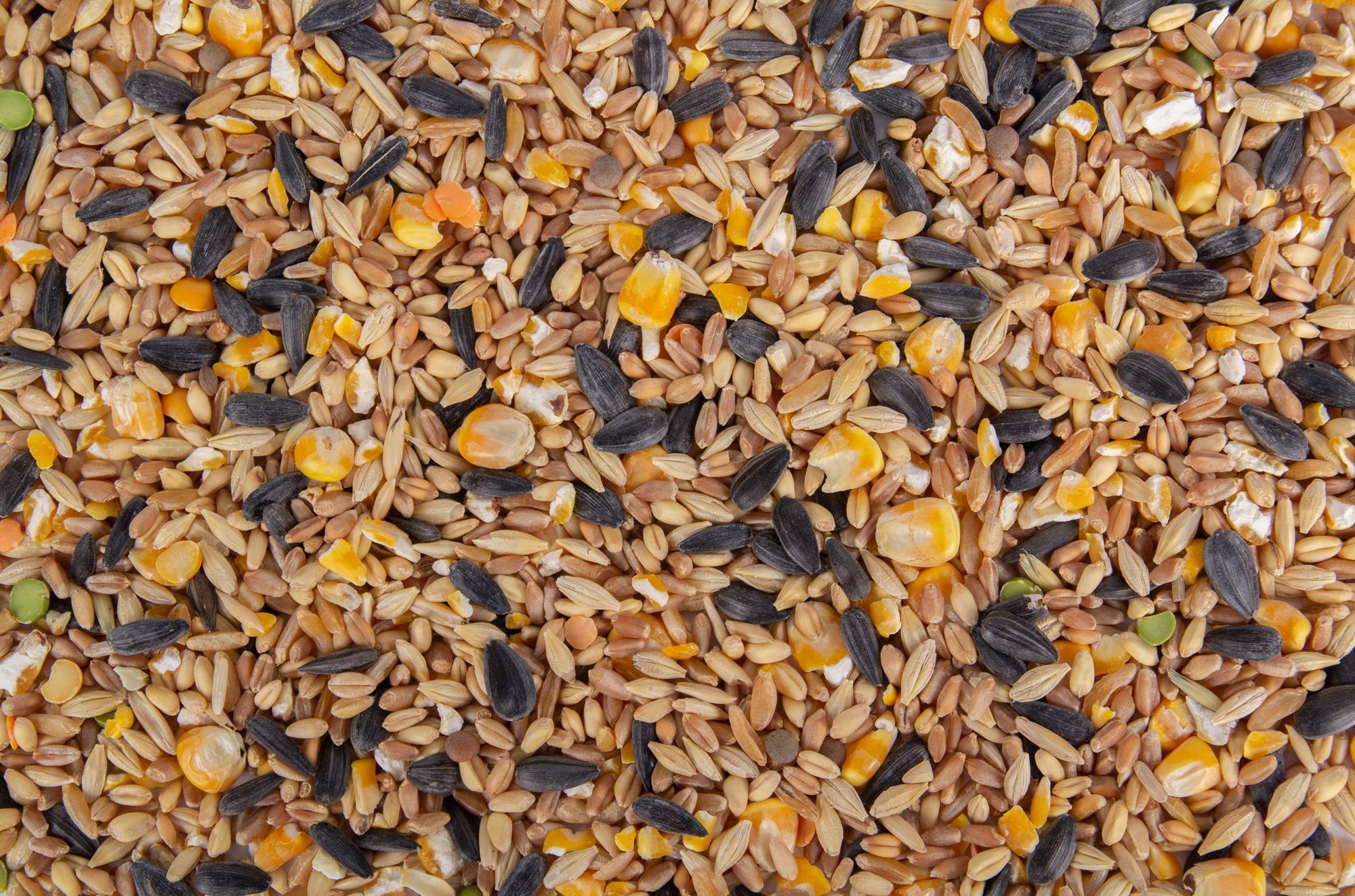
What scratch really is
Scratch is usually a mix of cracked corn, wheat, milo, barley, oats, and sometimes sunflower seeds. The exact blend varies by brand and season.
What it has in common is this: scratch is mostly energy, not a balanced diet.
- High calories (especially from corn)
- Lower protein than most growing birds and laying hens need
- Typically unfortified, meaning it usually lacks the added vitamins and minerals found in complete feed
- Typically low in calcium, which matters for strong eggshells
Scratch is designed to be scattered so chickens can peck and scratch for it. It is enrichment and a little extra fuel, not a full ration.
Why scratch is not feed
Complete poultry feed is formulated so that every bite has a consistent mix of protein, amino acids, energy, vitamins, and minerals. When your hens fill up on scratch first, they are naturally less interested in the boring but important stuff.
Over time, that can show up as:
- Weight gain and fatty hens (especially in less active backyard flocks)
- Drop in egg production when hens come up short on protein and key nutrients
- Thin or rough eggshells when calcium intake and overall nutrition slide
- Harder molts if the diet is low in protein when feathers need rebuilding
- Picky eating since scratch trains them to wait for the “good stuff”
I learned this the hard way with my first little trio of Rhode Island Reds. I thought I was being generous. What I was actually doing was letting them snack their way out of a balanced diet. The eggs got smaller, the shells got questionable, and one hen developed that waddly “I ate the whole bread basket” look.
How much is too much?
A solid rule of thumb many extension offices and feed manufacturers repeat is this: keep treats to around 10 percent (or less) of the diet. It is not a hard universal law, but it is a good guardrail for most backyard coops.
Here are starting ranges that work for many flocks. Adjust based on body condition, activity level, weather, and whether scratch is getting cleaned up quickly.
- Small flock (3 to 6 hens): 1 to 2 tablespoons per bird, 2 to 3 times per week
- Medium flock (7 to 12 hens): 1/4 to 1/2 cup total, 2 to 3 times per week
- Large flock: measure it rather than free-pour, and start small. It adds up fast.
If your birds are overweight, not laying well, or you are battling constant soft shells, scratch is one of the first things I cut back.
When scratch makes sense
As a training tool
Scratch is fantastic for coop management. Need them to go into the run, step away from the gate, or learn that you are the bringer of good things? A small sprinkle goes a long way.
For enrichment on boring days
Rainy week, snow on the ground, mud season, or a temporary confinement situation? Scatter a small amount into dry leaves, pine shavings, or a little patch of straw. They will stay busy hunting each kernel.
In winter, at the right time
This is where the myth gets extra sticky. Yes, digestion produces some warmth, so a small amount of scratch can add a little extra fuel. Still, the big winter wins are boring ones: draft control, dry bedding, unfrozen water, and enough calories from a complete feed.
- Best: a small handful in the late afternoon so they go to roost with a comfortably full crop
- Not ideal: a big morning serving that crowds out their balanced feed all day
Cold weather does not change your flock’s need for protein, vitamins, and minerals. It only increases the temptation to overdo the corn.
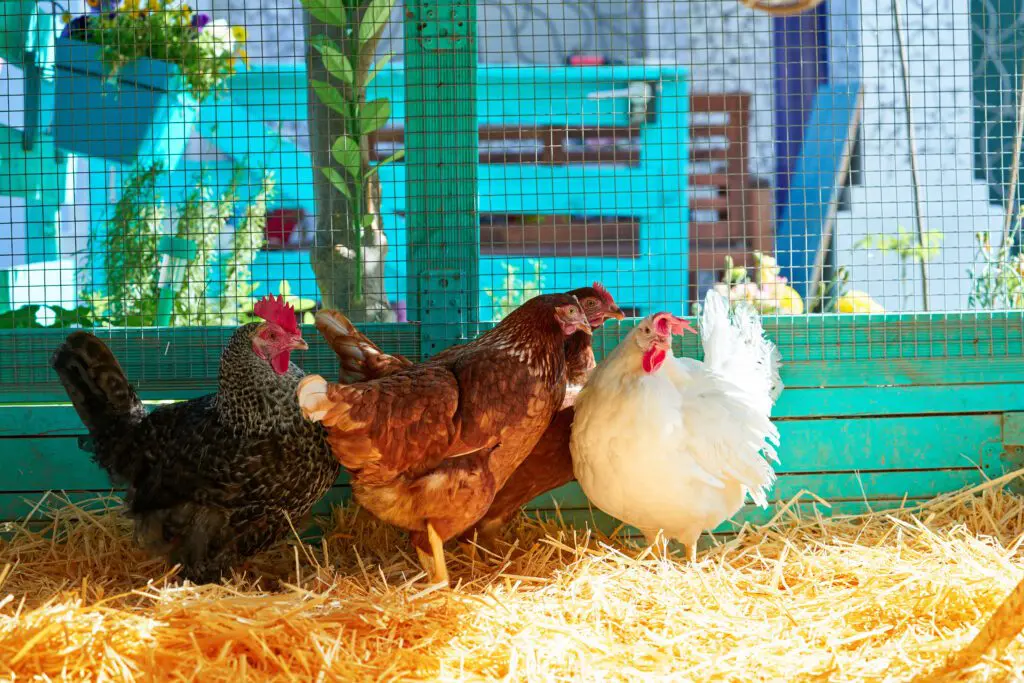
When scratch is a bad idea
If hens are overweight
Backyard chickens are not walking miles across pasture. Many of ours are doing laps from the feeder to the dust bath and back. If you can feel thick padding over the breastbone or see a hen that waddles more than she walks, scratch is not helping.
During a molt
Molting birds need extra protein to regrow feathers. Scratch is mostly carbs. If you want a molt-friendly boost, focus on a quality feed for the season and limited, higher-protein treats.
As the main diet
If scratch is the bulk of what they eat, nutrition problems are not a question of if, but when for most flocks.
In rodent-prone setups
Scratch scattered on the ground can attract rats and mice, especially if you toss too much and leave leftovers overnight. If rodents are already sniffing around, keep scratch minimal and remove anything not eaten before dusk.
How to serve scratch
1) Feed real food first
Make sure your flock has access to their appropriate complete feed as the main course:
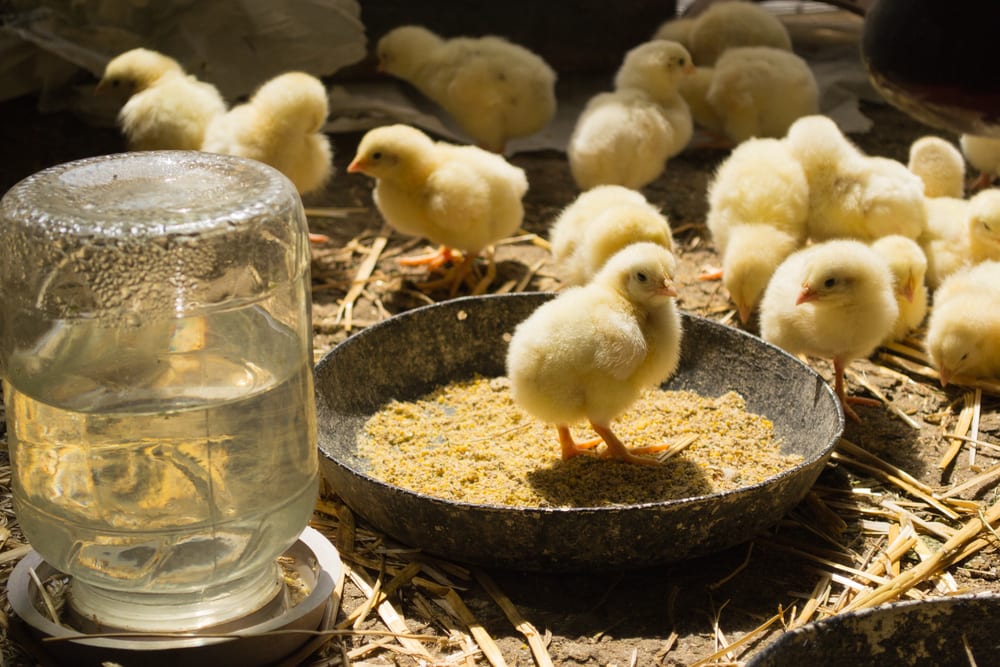
- Chicks: starter feed formulated for chicks
- Growers: grower feed until lay age
- Laying hens: layer feed once actively laying
- Mixed flocks: an all-flock or flock raiser style feed plus calcium offered separately for layers
Then, and only then, treat time. Fresh water should always be available too, especially when you are adding any dry grains.
2) Scatter it, do not pile it
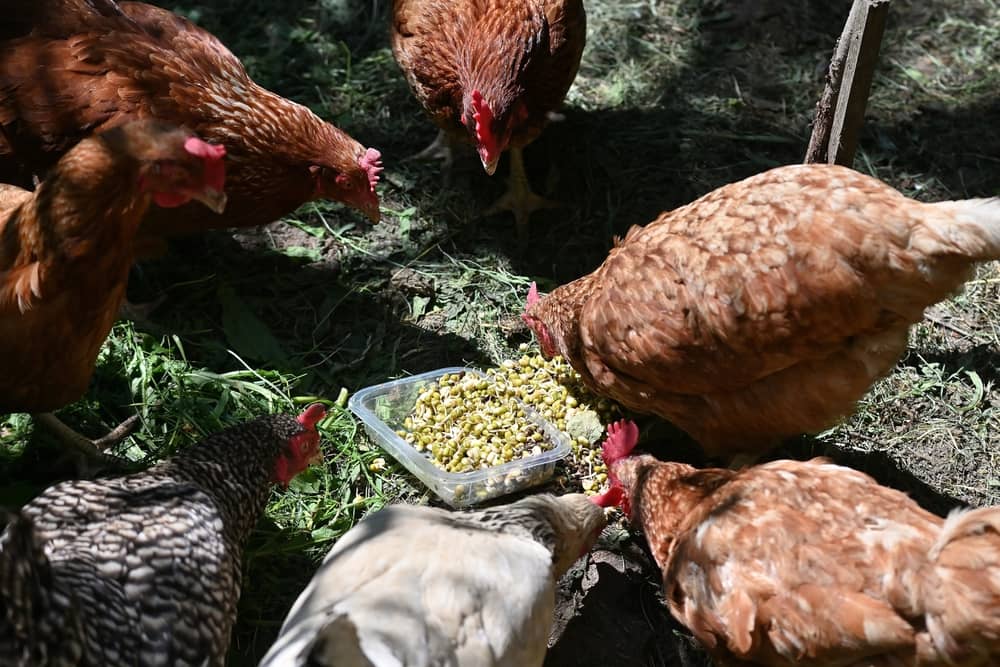
Scratch works best when birds have to forage. Scattering slows them down, prevents one bossy hen from camping on the pile, and adds enrichment.
3) Measure it
I know. Measuring scratch is about as charming as measuring fun. But it is the difference between “a little treat” and “why are my hens shaped like basketballs.” Use a scoop, a cup, or even a dedicated jar.
4) Clean up leftovers
If there is scratch still sitting out later, you offered too much. Cut the portion next time and do not leave it overnight.
5) Store it right
Scratch can mold if stored poorly. Keep it in a sealed container with a tight lid, off the ground, and away from humidity. If it smells musty or looks clumpy, toss it.
Scratch, grit, oyster shell
These three get lumped together all the time, but they do different jobs.
- Scratch: a treat, mostly grains, adds calories and enrichment
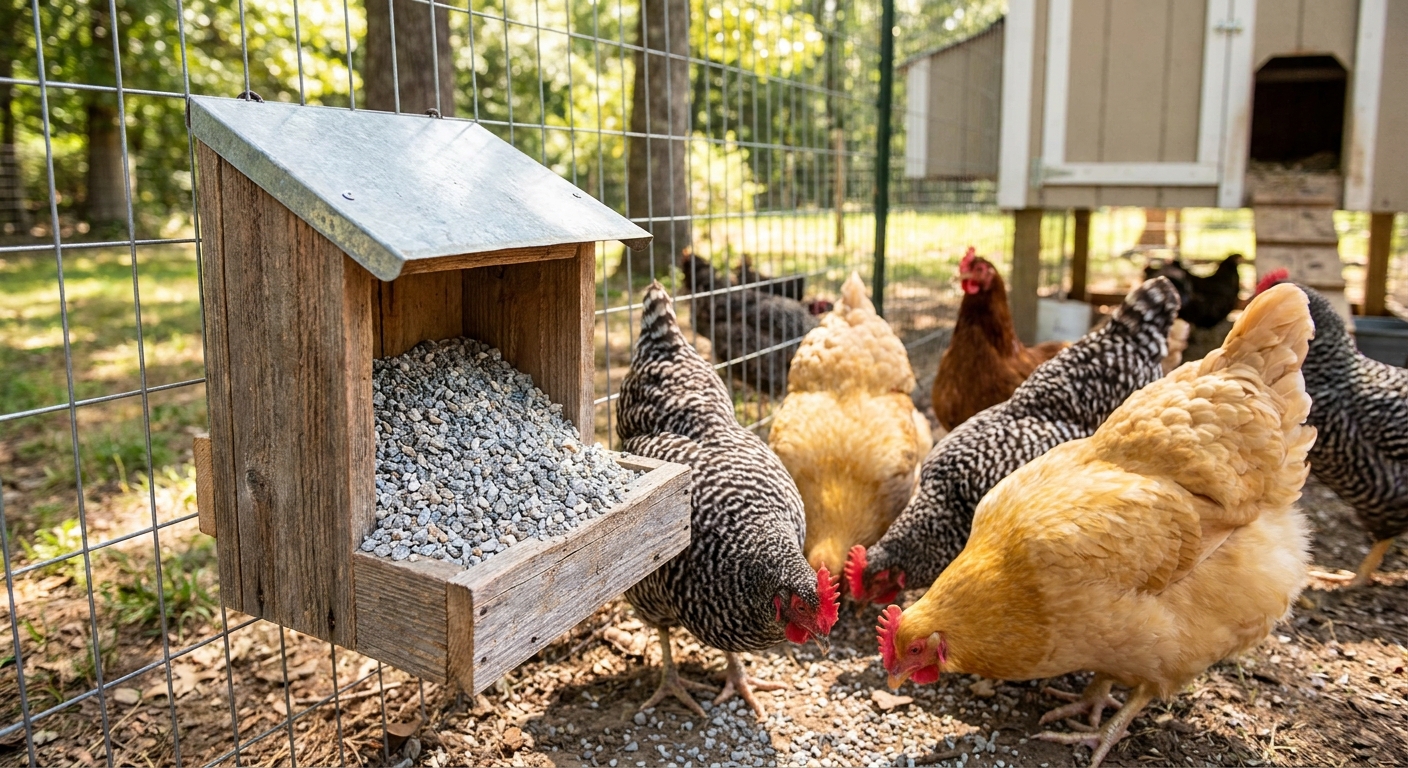
- Grit: hard, insoluble stones (often granite) that help chickens grind food in the gizzard, especially if they eat whole grains, greens, or a lot of forage
- Oyster shell: calcium supplement for laying hens to support strong eggshells
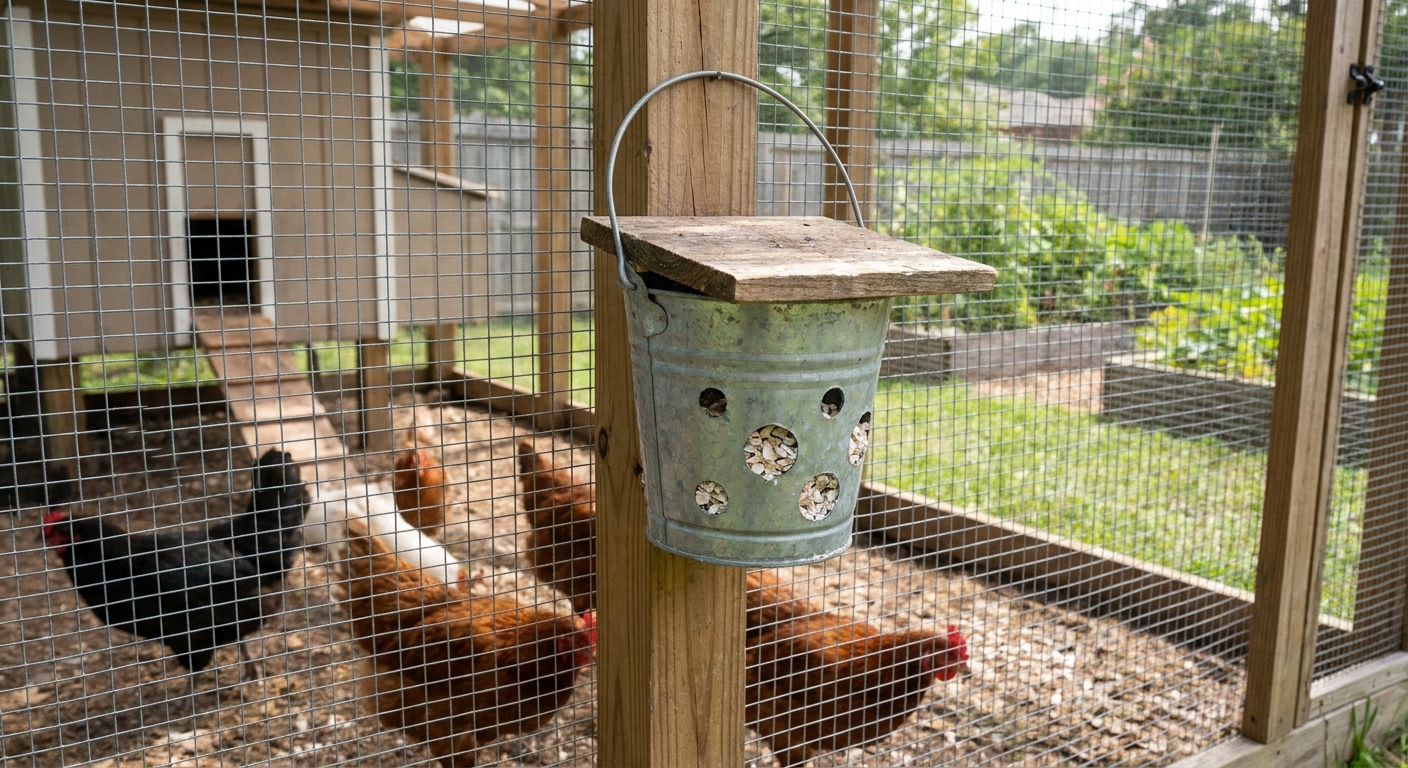
Grit is not always necessary if birds are only eating crumbles or pellets and they have access to natural soil. But if you offer scratch and your flock lives on a run with little natural ground, it is smart to provide free-choice grit.
For young birds, use chick-sized grit. For adults, use a standard poultry grit. And if you have layers, offer oyster shell in a separate feeder so they can take what they need without forcing it on non-layers.
Picking a better mix
All scratch is treat food, but some mixes behave better than others.
Look for
- Cleaner grain with minimal dust and broken fines
- More variety (not just mostly cracked corn)
- More whole grains that encourage slower foraging
Be cautious with
- Very corn-heavy blends, especially in warm weather or sedentary flocks
- Seed-heavy “hot” mixes for flocks that gain weight easily
- Any musty smell or clumping, which is a hard no
If your flock is prone to chonkiness, rotate scratch days with lower-calorie entertainment like hanging a cabbage, tossing a small pile of leaves, or setting out a shallow box of dirt for dust bathing.
What to do instead
If you are cutting back on scratch and your chickens act personally offended, here are a few swaps that usually go over well without turning dinner into dessert.
- During a molt: offer a little higher-protein help, like a small portion of dried mealworms or other protein treats in moderation, and make sure their base feed is solid
- For boredom: hang a cabbage, toss weeds or leafy greens, or scratch feed into a deep litter area so they work for it
- For training: use a pinch of scratch, not a pour, and save it for when you truly need the cooperation
Common questions
Can scratch replace layer feed?
No. Scratch does not have the protein, amino acids, vitamins, minerals, or calcium balance laying hens need. If scratch becomes the main diet, you will usually see fewer eggs, poorer shells, and heavier birds.
Does scratch help chickens stay warm?
A small amount in late afternoon can add a bit of extra fuel because digestion produces heat. Keep the portion modest, and focus first on the basics that matter more: complete feed, dry bedding, draft control, and water that is not frozen.
Should I give scratch every day?
Most backyard flocks do better with scratch a few times per week, measured. If you give it daily, keep the portion very small and watch body condition and egg output.
What if my hens refuse pellets unless I add scratch?
This is more common than you would think. Start by cutting scratch way back, offer feed first thing in the morning, and avoid rescuing picky birds with a grain buffet. Healthy hens do not starve themselves with a full feeder of appropriate ration. It may take a week or two for attitudes to adjust.
Is fermented scratch healthier?
Fermenting can change digestibility and may add beneficial microbes, but it does not turn scratch into a complete feed. Treat it as a treat and keep portions modest.
My scratch routine
If you want a no-stress plan that works for most backyard setups, here is what I do:
- Complete feed is available all day.
- Scratch happens 2 to 3 times per week, usually as an “everybody in the run” bribe or boredom buster.
- In winter, I might add one extra scratch day, but I keep portions small and timed for late afternoon.
- I watch bodies, not feelings. If breastbones get cushy or eggshells get thin, scratch gets reduced first.
Scratch is fun. Chickens love it. I love watching the stampede, too. Just keep it in the treat category where it belongs, and your flock will stay fitter, lay more consistently, and still think you are the greatest thing that ever happened to a backyard.