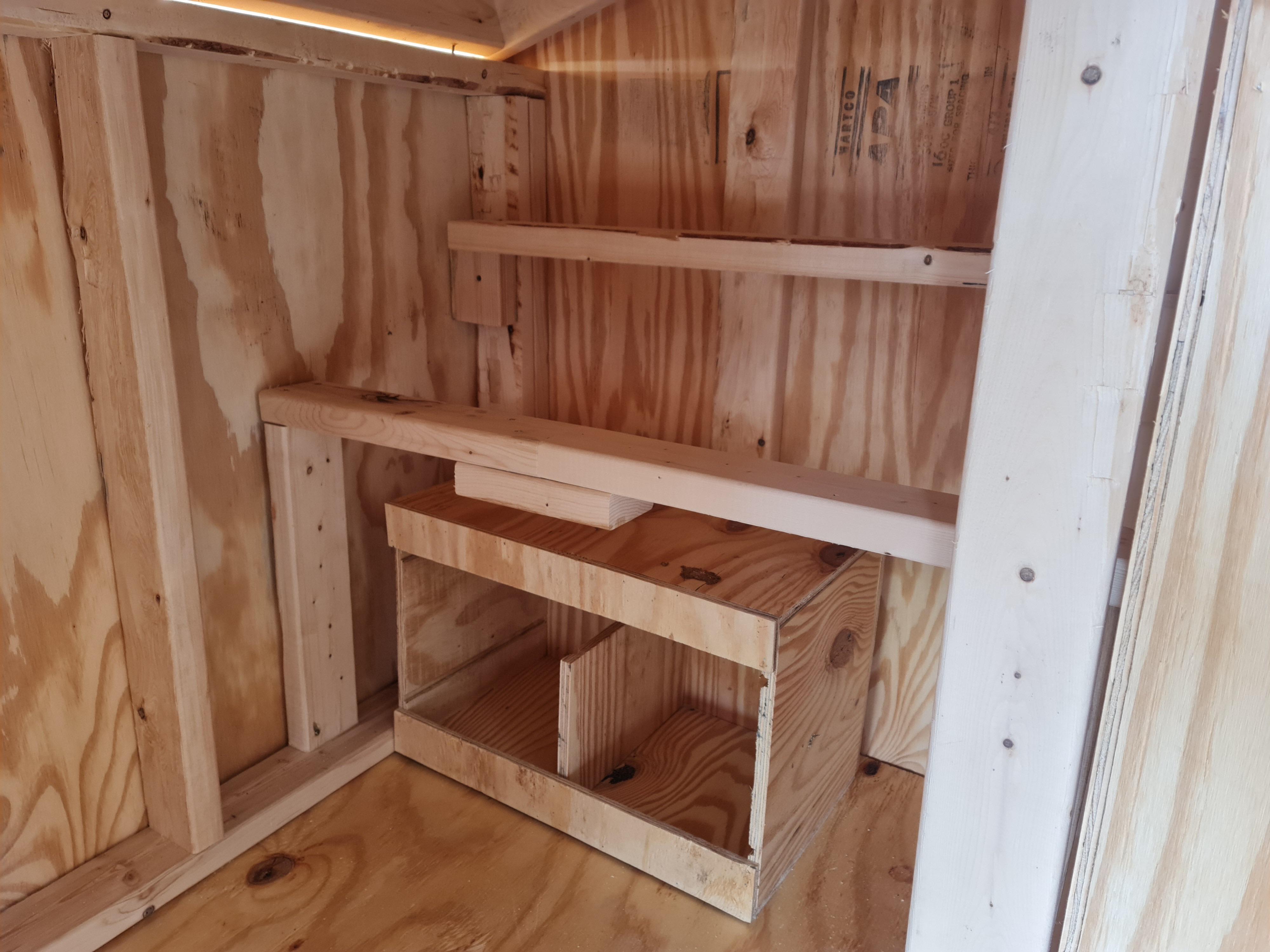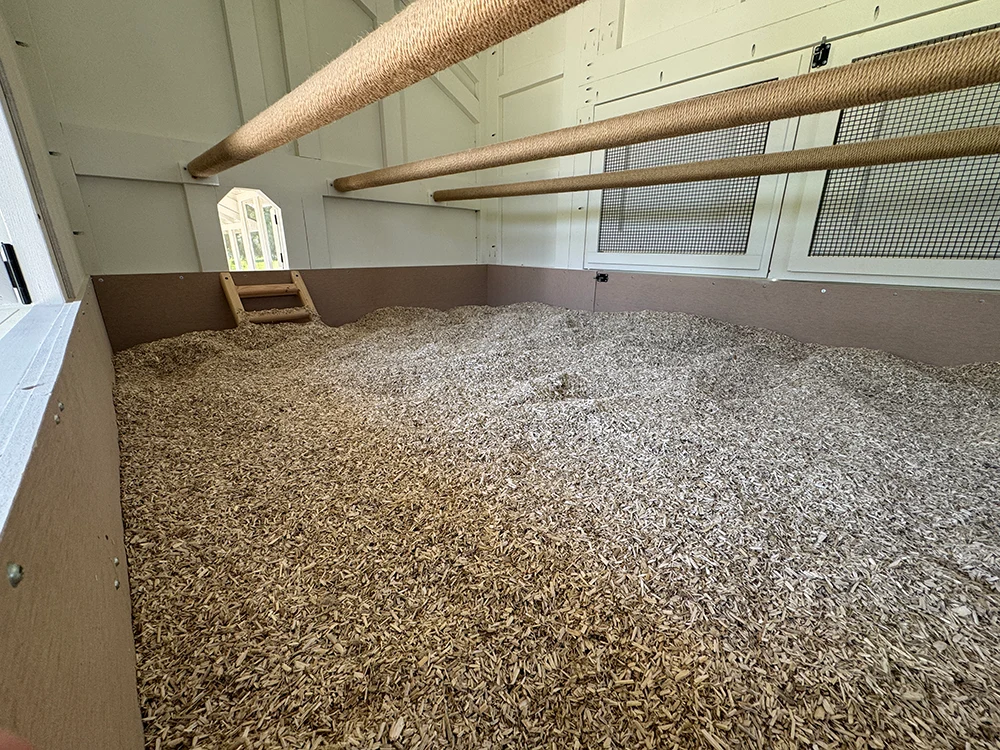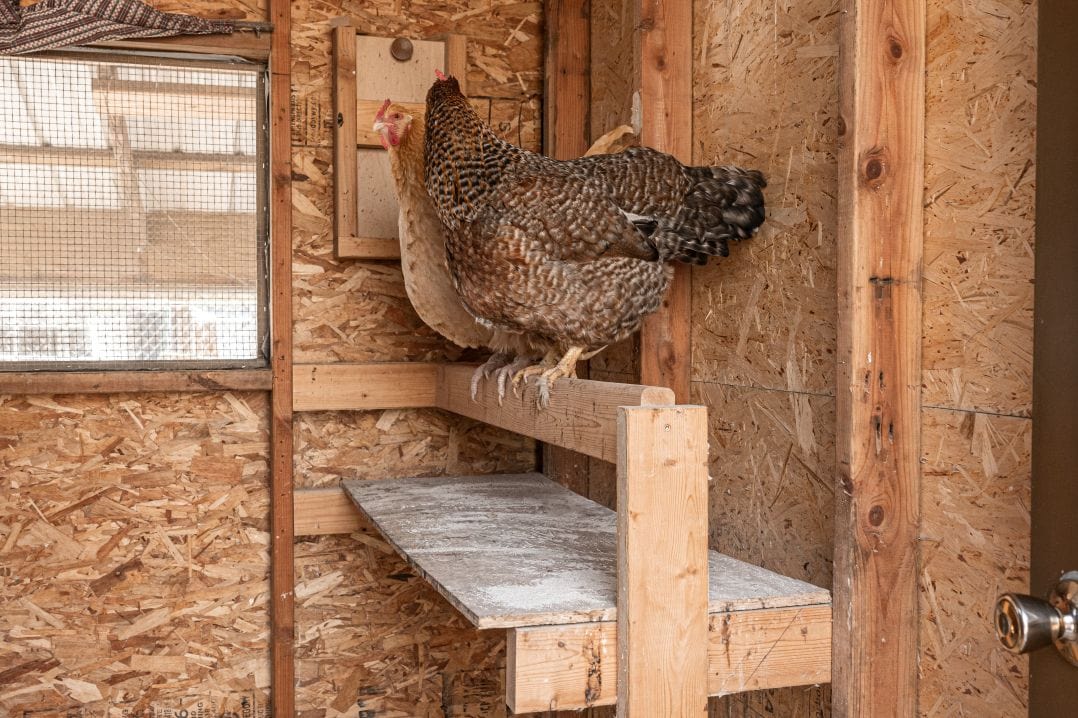
Fire-safe winter coop setup: block drafts, keep ventilation up high, add deep bedding, and prevent frozen water. Practical steps that work in real backyards.
The Cluck Loom
Frostbite on Chicken Combs and Wattles
Learn how to spot chicken frostbite early, warm and treat combs, wattles, and toes safely, prevent infection, and winter-proof your coop with better ventilation and moisture control.

Maggie Harper
Maggie Harper is a passionate backyard chicken keeper with over a decade of hands-on experience raising mixed flocks. Through CluckLoom, she shares practical advice on coop building, flock health, and egg production to help beginners and seasoned enthusiasts alike raise happy, healthy chickens.
Published
October 22, 2026
Last updated
October 22, 2026
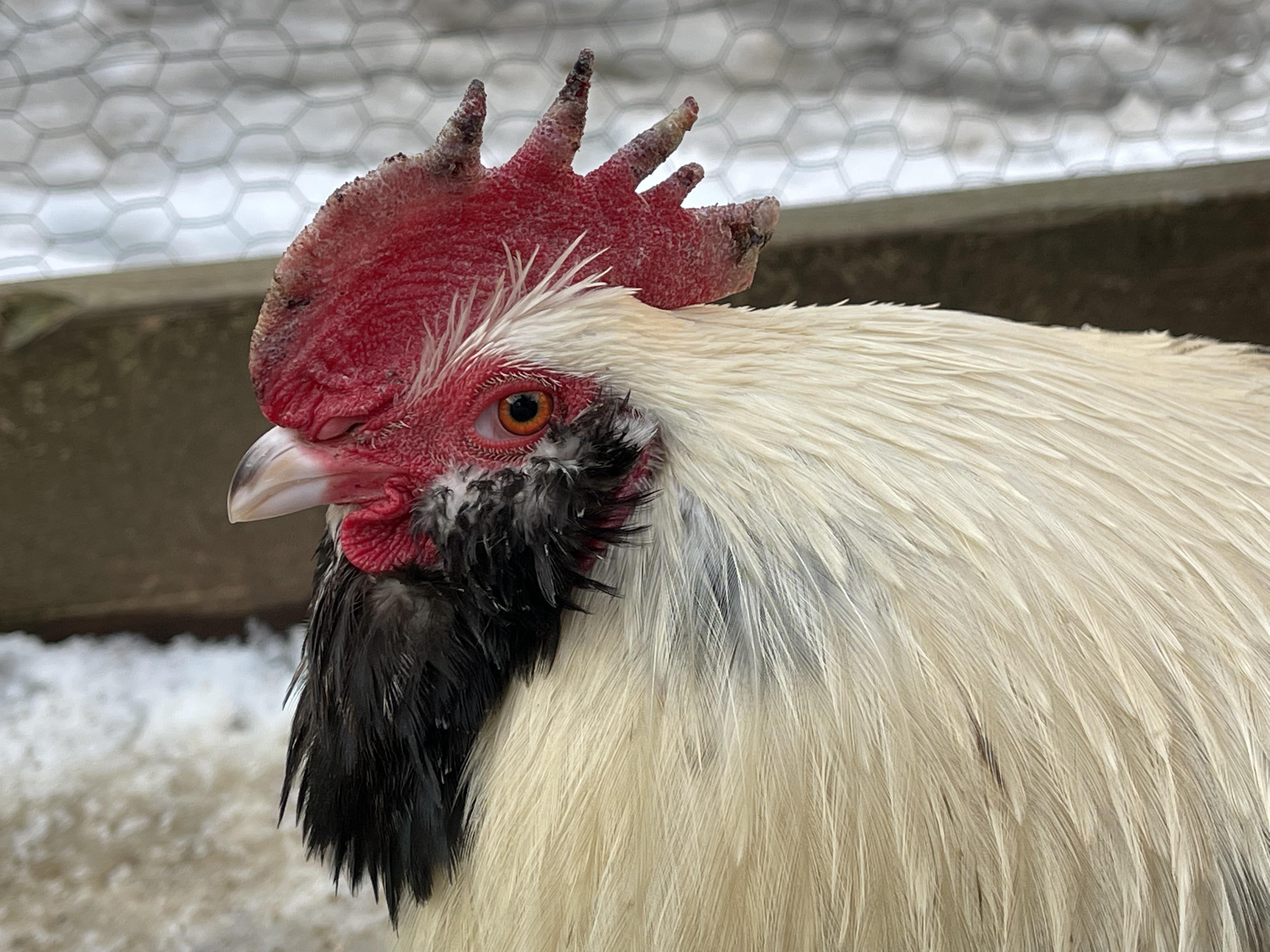
The first time I saw frostbite on a chicken comb, I thought someone had taken a marker to my rooster overnight. The tips looked grayish and dull, and he was acting a little too stoic about it, which is always my least favorite kind of chicken drama. Frostbite can go from “huh, that looks odd” to permanent damage faster than you would think, especially on big combs and wattles.
This guide will help you recognize frostbite early, treat it gently (no heroic peeling or scrubbing), prevent infection, and set up your winter routine so your flock can keep their faces intact through the cold snaps.
What frostbite is
Frostbite happens when tissue gets cold enough that circulation slows and tiny blood vessels are damaged. In chickens, it usually shows up on exposed, thin tissue with lots of surface area: combs, wattles, and sometimes toes.
Here is the tricky part: frostbite is not just about temperature. Moisture and wind are the real troublemakers. A damp coop with condensation can frostbite a comb at temperatures that would be totally manageable in a dry, well-ventilated setup.
Common risk factors
- High humidity inside the coop from droppings, wet bedding, poor ventilation, or waterers splashing overnight
- Air movement hitting birds on the roost (a draft at roost level)
- Large single combs (often roosters and breeds like Leghorns)
- Wet combs and wattles from drinking, mud, or condensation that freezes on contact
- Overcrowding which increases moisture and ammonia
Ventilation vs drafts, in plain language: ventilation is fresh air exchange up high that lets moist air escape. A draft is a cold stream of air blowing directly on sleeping birds. You want the first one and you want to eliminate the second.
How to spot it early
Early frostbite is easiest to miss, because chickens are busy being chickens. Do a quick face check when you do evening lock-up and again the next morning if temperatures dip.
Early signs
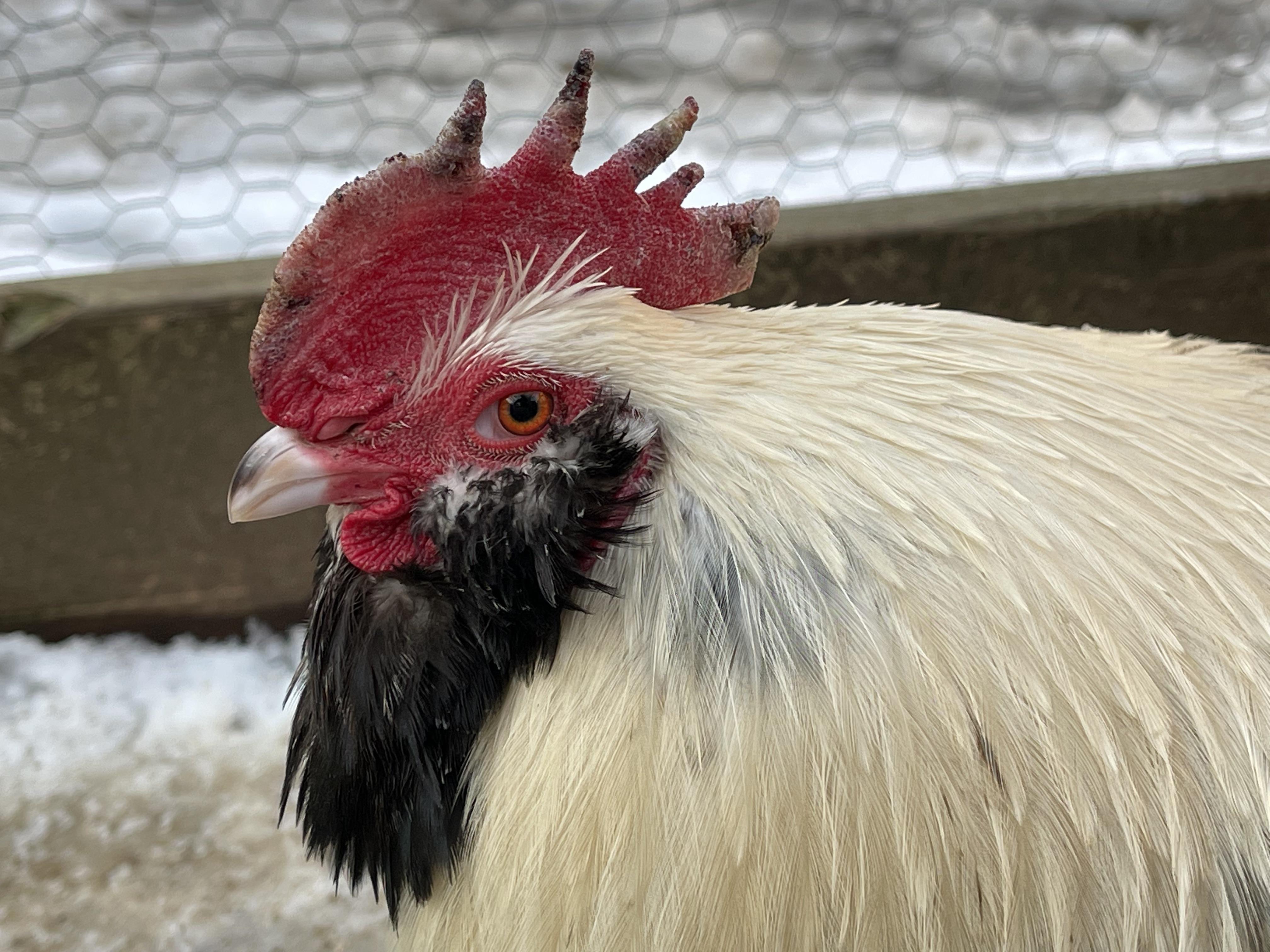
- Pale, whitish, or gray areas on the comb tips or wattle edges
- A waxy or “frosted” look to the skin
- Cold, stiff tissue that looks a little less springy than usual
- Mild swelling (sometimes)
Moderate to severe signs
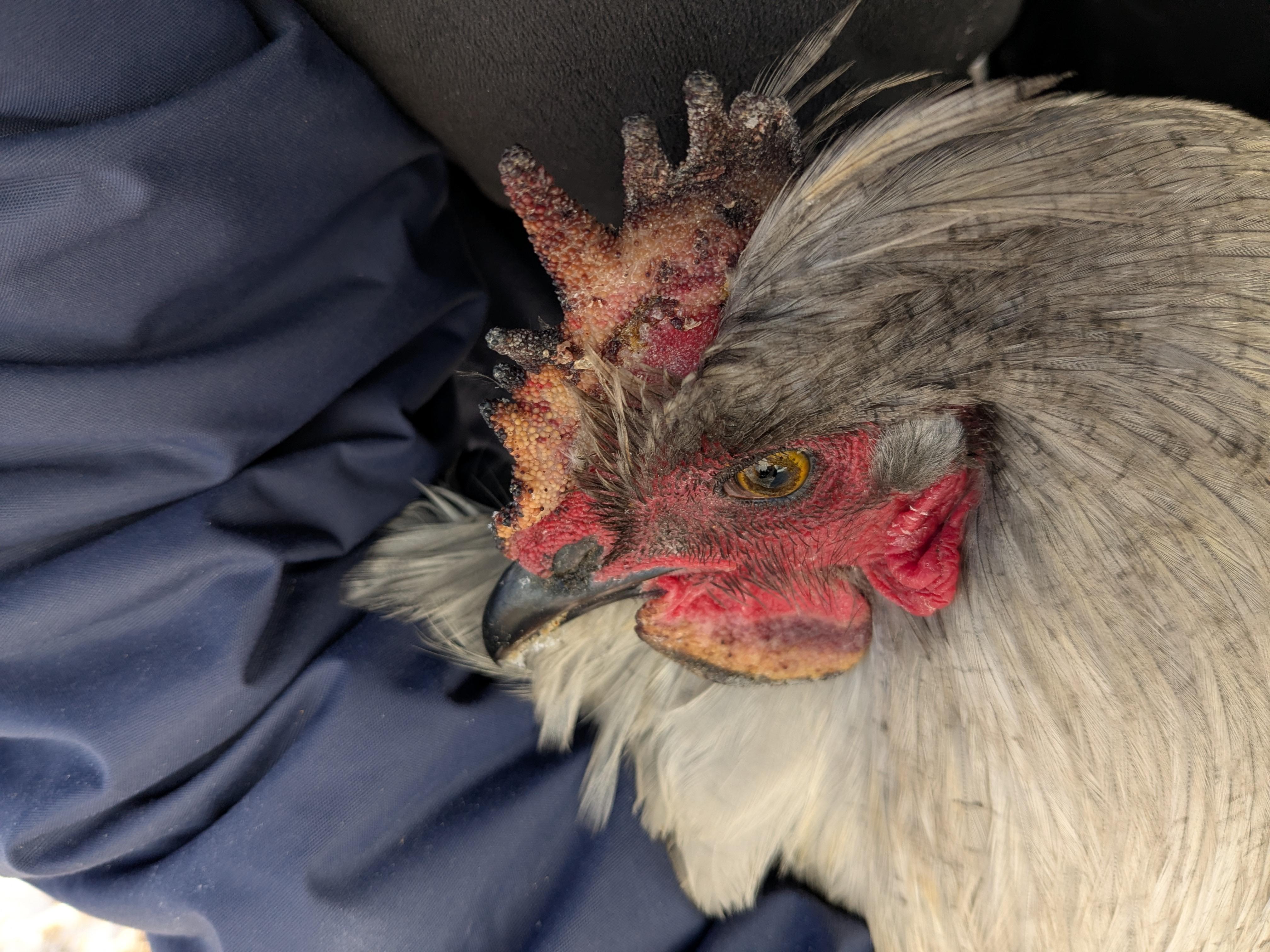
- Dark purple, red-black, or black patches (tissue damage)
- Blistering or weepy spots
- Scabbing that forms over the next several days
- Dry, brittle tips that may eventually slough off
Quick reality check: A comb can look extra red or slightly purple from cold and then return to normal once the bird warms up. Frostbite does not “bounce back” cleanly. If you see gray, black, blisters, or scabs, assume frostbite (or another injury that needs similar care) and manage cautiously while you monitor.
Also consider look-alikes: peck wounds, scratches, dried blood, and fowl pox scabs can mimic early frostbite. If you are unsure, treat gently, keep the bird dry, and watch for change over 24 to 48 hours.
First aid that helps
Your goal in the first 24 hours is to warm the bird gradually, reduce further exposure, and avoid damaging fragile tissue.
Step 1: Get them above freezing
A mudroom, garage that stays above freezing, or a bathroom works. You do not need a tropical vacation, just a stable, draft-free space where the comb can thaw slowly.
Important: do not thaw frostbitten tissue if you cannot keep the bird from refreezing afterward. Thawing and then refreezing can make tissue damage worse.
Step 2: Warm gently
- Use a warm (not hot) compress on the comb and wattles until the tissue feels pliable again. For many birds that is about 5 to 15 minutes.
- Warm water on a clean cloth is perfect. Think “comfortably warm bath water,” not “dishwashing hot.”
- Stop if the bird is struggling hard or getting overly stressed, then try again later.
- Pat dry carefully afterward.
Do not rub, massage, or try to “get circulation going” by scrubbing. That can tear the damaged tissue and make infection more likely.
Step 3: Keep them dry and out of wind
If your coop setup caused this, do not put the bird right back into the same conditions for the night. For a mild case, fixing ventilation and bedding may be enough. For worse cases, a short indoor stay during the coldest nights can prevent the damage from spreading.
Care over the next week
Once the tissue is thawed, treatment is mostly supportive care: keep it clean, dry, protected, and watch closely for infection. In many cases, the blackened tips will scab and eventually fall away. That is sad, but it can be normal healing.
Cleaning: less is more
- If the area is dirty, gently wipe with warm saline (plain salt water) and pat dry.
- Avoid “harsh” disinfectants on damaged tissue, especially full-strength hydrogen peroxide, alcohol, or strong iodine solutions. They can irritate tissue and slow healing.
- If you need a disinfectant because there is obvious contamination or an open wound, ask a poultry-savvy veterinarian what dilution they prefer for your situation.
Pain and stress
Frostbite can hurt. A chicken that suddenly hates being handled, seems quieter than usual, or is not eager to eat may be feeling it. If you suspect significant pain, it is worth calling a poultry-savvy vet for guidance. Do not guess on human pain meds, because several common options are dangerous for birds.
Protect the tissue
This is where salves get talked about a lot, and also misused a lot. A protective barrier can help in some setups, but it is not a substitute for fixing moisture and wind exposure.
Salves in freezing weather
There are two different goals people mix together:
- Prevention: shielding healthy combs and wattles from wind and surface moisture during short cold snaps.
- Treatment: protecting damaged tissue from cracking and keeping scabs from being bumped and torn.
One honest note: you will hear mixed opinions about greasy barriers like petroleum jelly. Some keepers swear by a thin coat for wind protection. Others avoid it because it can trap moisture or dirt, or because they prefer to rely entirely on ventilation and dryness. My take is: if you use a barrier at all, use it sparingly and only after you fix the environment that caused the problem.
What to use
For backyard flocks, keep it simple. A thin layer of a plain barrier ointment is often used, such as petroleum jelly. Some keepers prefer a thick, unscented balm. The key is that it should be non-irritating and free of strong essential oils, “pain relief” additives, or fragrances that can bother skin or invite pecking.
How to apply safely
- Only apply to clean, dry tissue. If the comb is damp, dry it fully first.
- Use a very thin coat. You are making a windbreak, not frosting a cupcake.
- Time it right. Apply shortly before the bird goes into cold conditions, not hours earlier when they may get wet again.
- Do not apply over wet scabs or oozing areas. Trapping moisture can encourage infection.
When not to use salves
- If your coop is humid and condensation is the main issue. Fix the moisture problem first.
- If tissue is blistered, actively bleeding, or looks infected.
- If flockmates are pecking at it. Separate the bird and address the pecking, because ointment can make it more interesting.
Preventing infection
Frostbite itself is tissue injury. The complication is infection. The chicken world version of “leave the scab alone” applies here.
Signs it may be infected
- Increasing swelling after the first day or two
- Warmth and redness spreading beyond the original area
- Wet discharge, pus, or a foul smell
- Loss of appetite, lethargy, or a bird that seems “off”
- Black area expanding rapidly instead of drying and stabilizing
If you see these, contact a veterinarian. Chickens can go downhill quickly when infection sets in, and some cases need prescription antibiotics and proper wound care.
A simple hospital setup
- Dry bedding (pine shavings or clean straw)
- Easy access to water that will not spill
- Low stress, dimmer lighting
- Food right in front of them
- Daily check of the comb and wattles without picking at scabs
Toe frostbite
Toes can frostbite too, especially if birds stand in wet snow or slush, or if they sleep on a narrow roost that does not let them tuck their feet under.
What to look for
- Pale or gray toes that stay discolored after warming
- Swelling, stiffness, or a “wooden” look
- Darkening over the next day or two
- Limping or reluctance to stand
First aid is the same idea: get them above freezing, warm gently, dry thoroughly, and prevent refreezing. Toe injuries are easy to infect and easy to worsen by re-exposure, so if multiple toes are affected, tissue is turning black, or your bird cannot walk normally, call a vet.
Coop changes that help
In my experience, most frostbite problems trace back to a coop that is either too wet, has air hitting birds at roost level, or both. Chickens can be quite cold-hardy, but cold tolerance varies by breed, age, health, acclimation, and wind exposure. The birds with big combs get punished first.
Ventilation that works
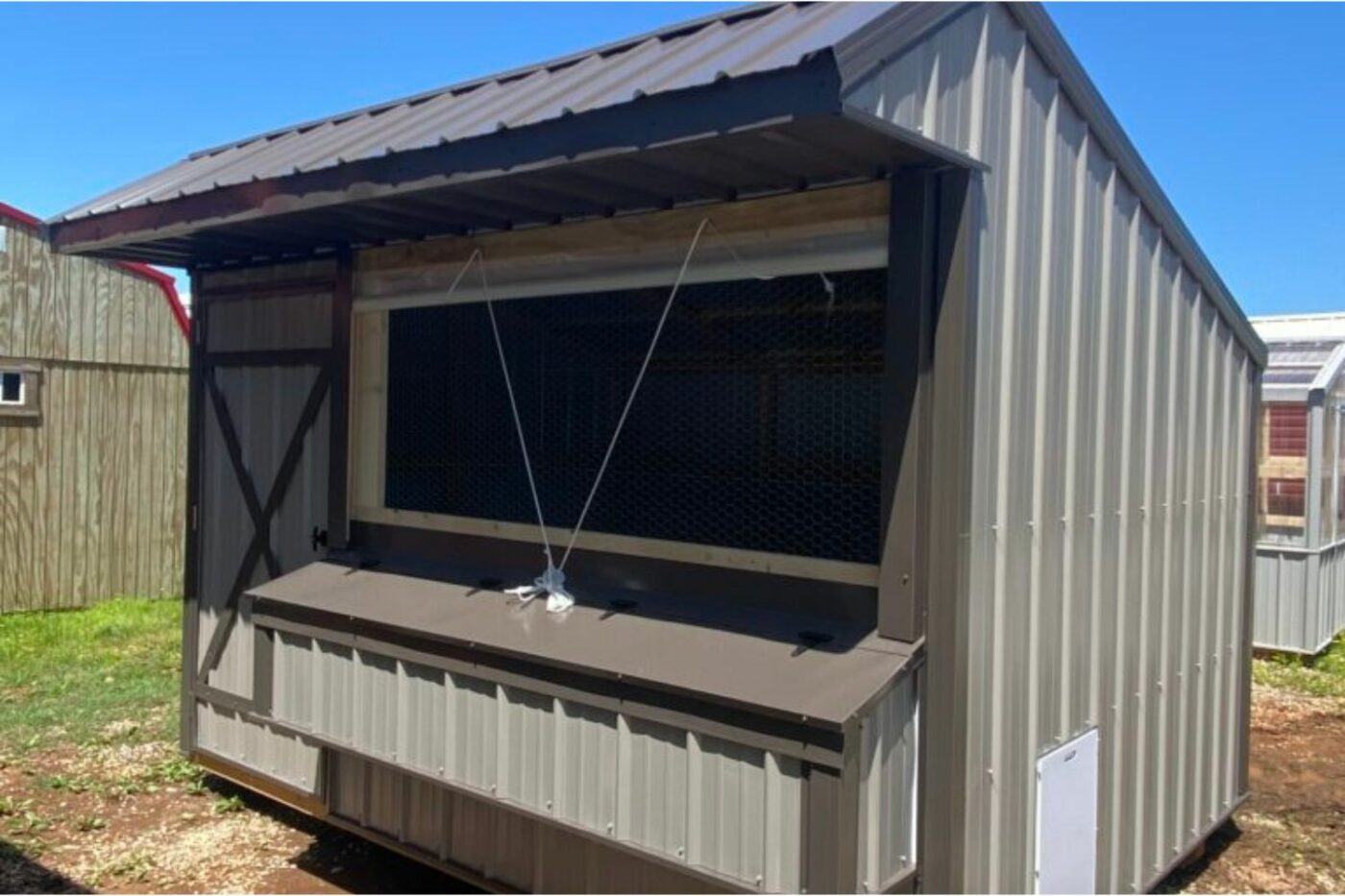
You want high ventilation that lets moist air escape above the birds, without blasting them with wind while they sleep.
- Make sure vents are up high, above roost height.
- Avoid sealing the coop “tight” for warmth. That traps humidity and ammonia.
- If windows cause air to sweep across roosts, block or redirect airflow, rather than closing all ventilation.
Keep bedding dry
- Do a mid-winter refresh if the bedding starts feeling damp.
- Use enough bedding to absorb moisture.
- Fix roof leaks and wind-driven rain entry points.
Manage water smartly
- Place waterers where splashing does not soak bedding.
- Do not place water directly under roosts.
- If your water keeps freezing, a heated base or swapping water more often is usually safer than restricting access.
- Some keepers remove water overnight in extreme cold to reduce spills, but do it cautiously. Only consider it if your birds have abundant daytime access, you know your flock drinks well before roost, and you are not dealing with sick birds, heat sources, or any situation where dehydration risk is higher. When in doubt, keep water available.
Roost setup
- Use wider roosts (like a 2x4 with the wide side up) so birds can cover their toes.
- Place roosts away from direct airflow.
- Give enough roost space so birds are not pressed into damp walls.
Who is most at risk
Not every chicken needs the same level of winter fussing. My fluffy Orpingtons with small combs rarely have issues. The birds with big combs and wattles get my attention first.
High-risk birds
- Roosters, especially with large single combs
- Mediterranean breeds and other large-combed breeds
- Birds recovering from illness (lower circulation and less resilience)
- Any chicken sleeping where air hits the roost
My cold-snap routine
- Evening: check faces quickly, make sure bedding is dry, confirm vents are open up high
- Before a bitter night: add dry bedding and confirm no air is hitting the roost
- Morning: look for pale or gray tips, especially on roosters
- If we get repeated sub-freezing days: I prioritize moisture control over extra heat
Mistakes to avoid
- Rubbing or massaging a frozen comb. Gentle warming only.
- Thawing and then sending the bird back into freezing conditions. Prevent refreezing after you warm damaged tissue.
- Using heat lamps as a cure-all. They add fire risk and can create dangerous temperature swings. If you feel you must add heat, look into purpose-built, securely mounted radiant panels and still prioritize dry air and safe airflow.
- Sealing the coop completely. This usually increases frostbite risk because humidity spikes.
- Picking scabs. Let the body do its job.
- Heavy, greasy coatings applied hours before bedtime. If it attracts moisture or dirt, it can backfire.
FAQ
Will the black tips fall off?
Sometimes, yes. In moderate to severe frostbite, the damaged portion can dry, scab, and eventually slough off. It is not pretty, but it can be part of healing. The goal is to prevent infection and stop further damage.
Is frostbite contagious?
No. But the conditions that cause frostbite affect the whole flock, so if one bird has it, check everyone and fix the coop environment.
Should I isolate my chicken?
If flockmates are pecking at the injury, if the bird needs indoor warmth, or if you suspect infection, isolation is a good idea. Otherwise, many mild cases can heal while the chicken stays with the flock, as long as the coop is dry and airflow is not hitting the roost.
Can I use a salve every night all winter?
I do not. I treat salve like an occasional tool during extreme cold or wind for high-risk birds, not a daily habit. Long-term success comes from good ventilation and low humidity, not a constant layer of grease.
When is it time to call a vet?
Call if you see spreading redness, swelling that increases after day two, discharge, a bad smell, the black area expanding quickly, or a chicken that is lethargic or not eating. Also call if the injury involves toes, multiple toes are affected, or there is severe tissue loss.
Winter takeaway
If you remember only three things, make them these: dry coop air matters more than extra heat, warm frostbitten tissue gently and never rub it, and watch closely for infection while the tissue heals. A little prevention on the front end saves a lot of stress, for you and for the birds who would really prefer not to lose the tips of their faces to February.