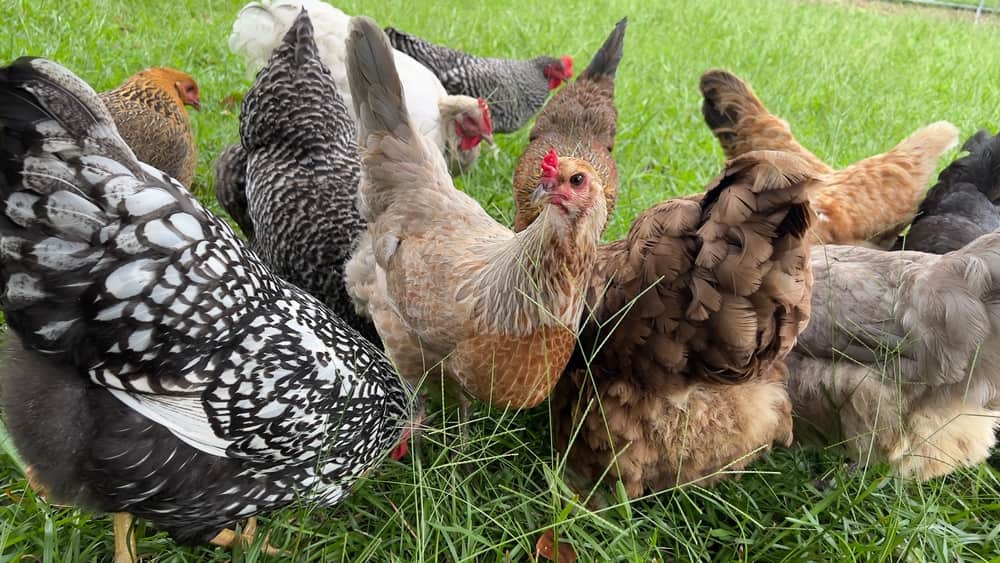
A practical, backyard-tested guide to choosing compatible breeds and integrating new birds safely, especially when sizes, temperaments, and feather types don...
The Cluck Loom
Heritage Breeds vs. Hybrid Chickens
Choosing between heritage breeds and modern hybrids? Compare temperament, egg yields, feed efficiency, longevity, broodiness, and which birds fit your backyard goals.

Maggie Harper
Maggie Harper is a passionate backyard chicken keeper with over a decade of hands-on experience raising mixed flocks. Through CluckLoom, she shares practical advice on coop building, flock health, and egg production to help beginners and seasoned enthusiasts alike raise happy, healthy chickens.
Published
October 22, 2026
Last updated
October 22, 2026
When I brought home my first three Rhode Island Reds twelve years ago, I thought “a chicken is a chicken.” I was mostly dreaming about breakfast. Fast forward to today, and I can tell you with a straight face that breed type can change everything, from how many eggs land in the basket to how often you find someone trying to nap in the nesting box like it’s a spa.
If you are stuck between heritage breeds (traditional, long-lived, naturally mating lines) and hybrids (modern crosses designed for production), this is your fence-side chat. We will cover the real-world pros, cons, and what you can reasonably expect for egg yield in a backyard setting.
What counts as a heritage breed?
In plain backyard terms, “heritage breed” is often used to mean a recognized, traditional breed that checks a few common boxes. (There is no single universal legal definition, and you will see organizations and breeders phrase the criteria a little differently.)
Most folks mean a breed that:
- Breeds true (offspring resemble the parents, assuming you are breeding within the same breed).
- Mates naturally without relying on artificial insemination.
- Grows at a natural pace (not pushed for ultra-fast early output).
- Has longevity as part of the package, including a longer productive lifespan.
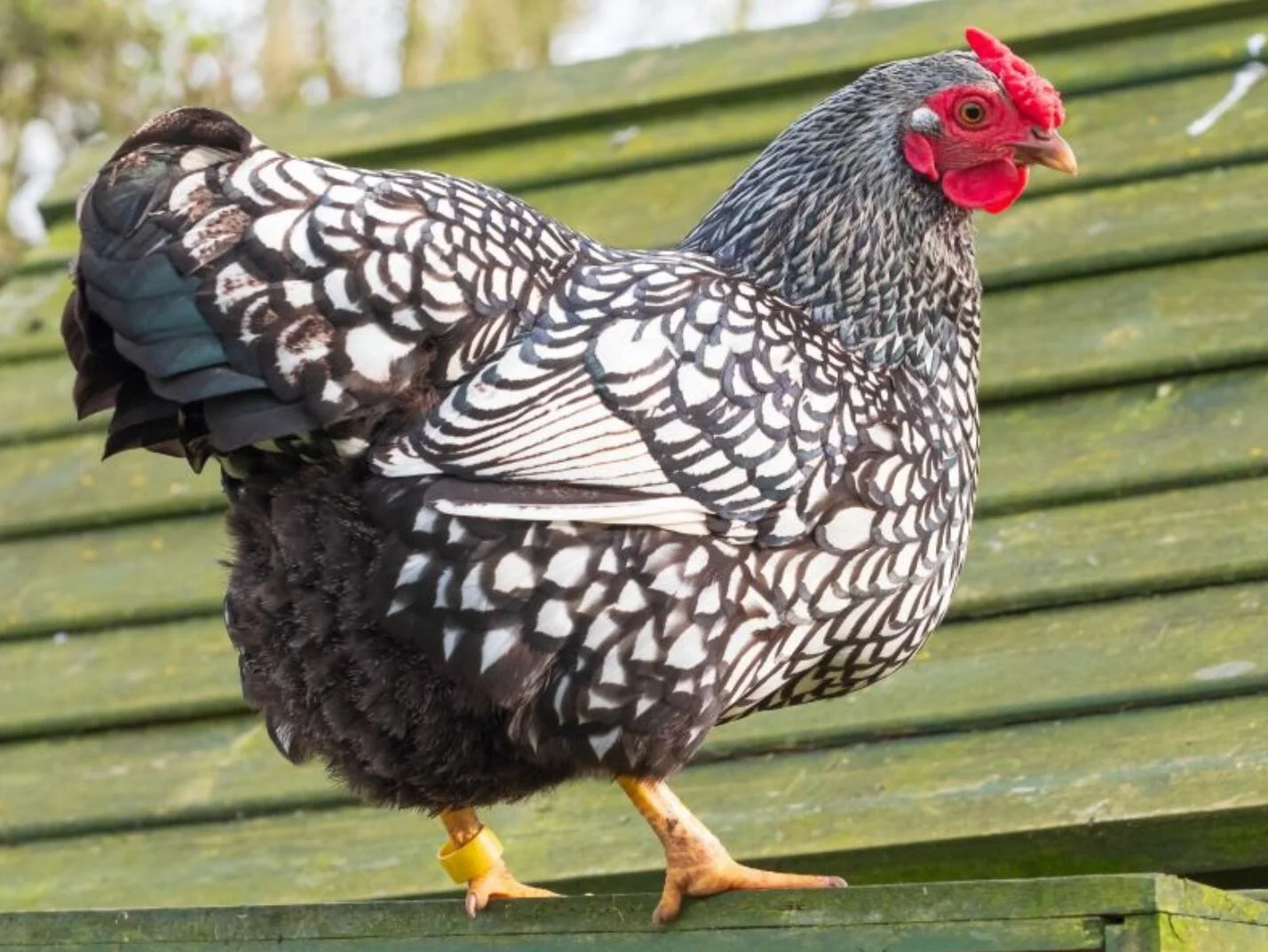
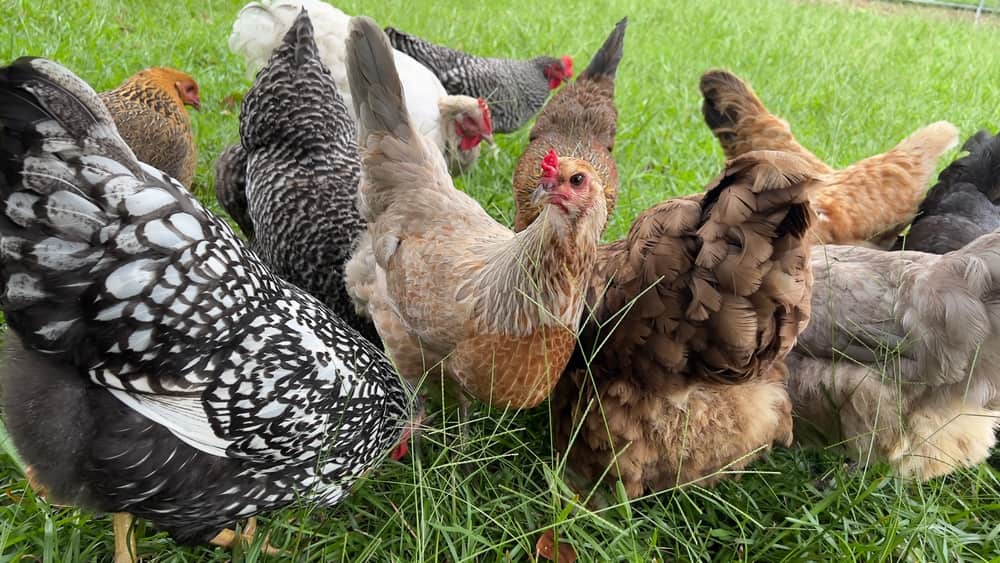
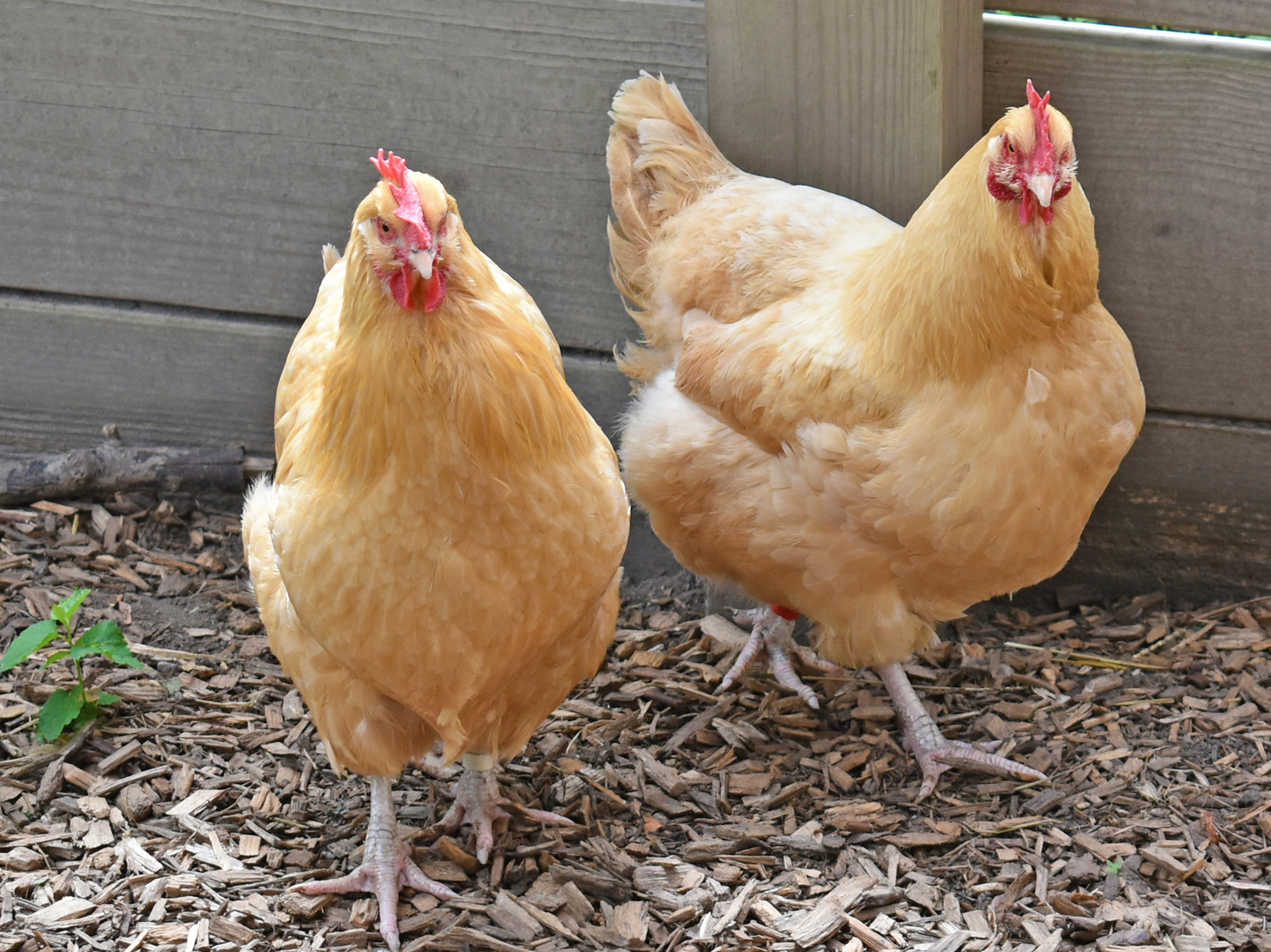
Examples many backyard keepers love: Orpingtons, Wyandottes, Australorps, Barred Rocks, Sussex, and Rhode Island Reds from traditional lines.
One important nuance: a bird can be labeled with a heritage breed name and still be from a production-selected hatchery strain. That does not make it “bad,” but it can mean different traits than you expected. If you specifically want heritage-type longevity and steadier behavior, ask sellers where their stock comes from and whether the line has been selected for show, for production, or for backyard dual-purpose balance.
What is a hybrid chicken?
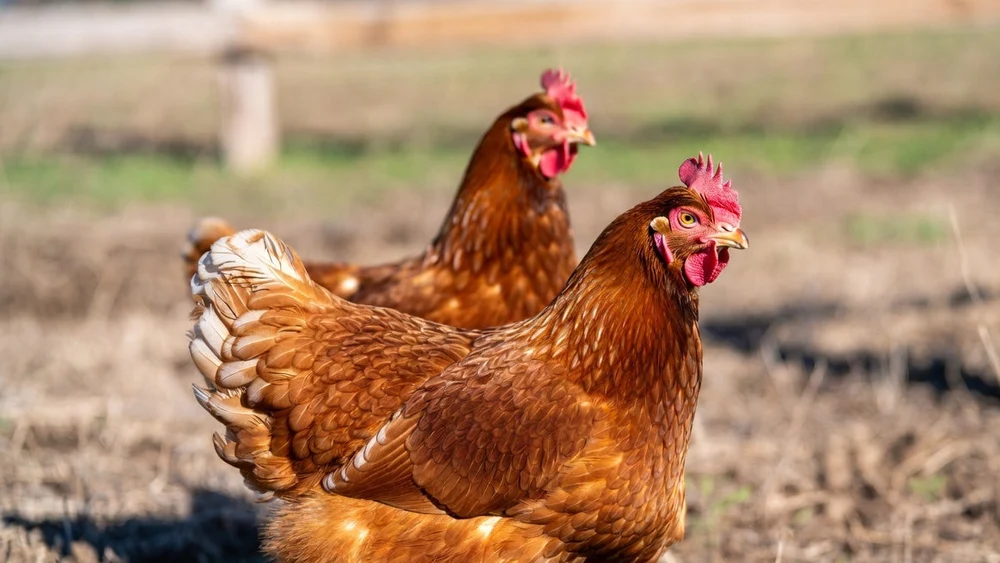
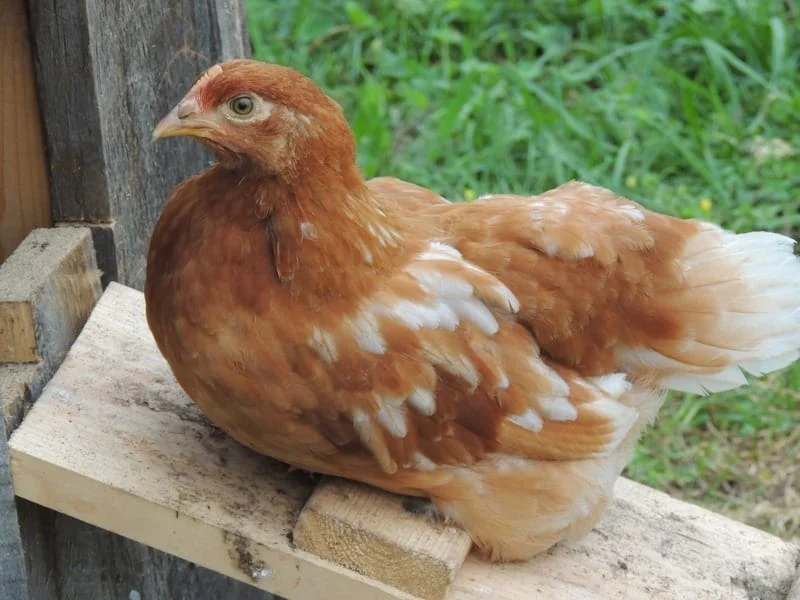
A hybrid chicken is a cross between two (or more) lines selected to produce a particular result, usually high egg numbers, feed efficiency, and early laying. In the backyard world, you will hear names like:
- ISA Brown
- Lohmann Brown
- Golden Comet
- Red Sex Link
- Black Sex Link
- Amberlink
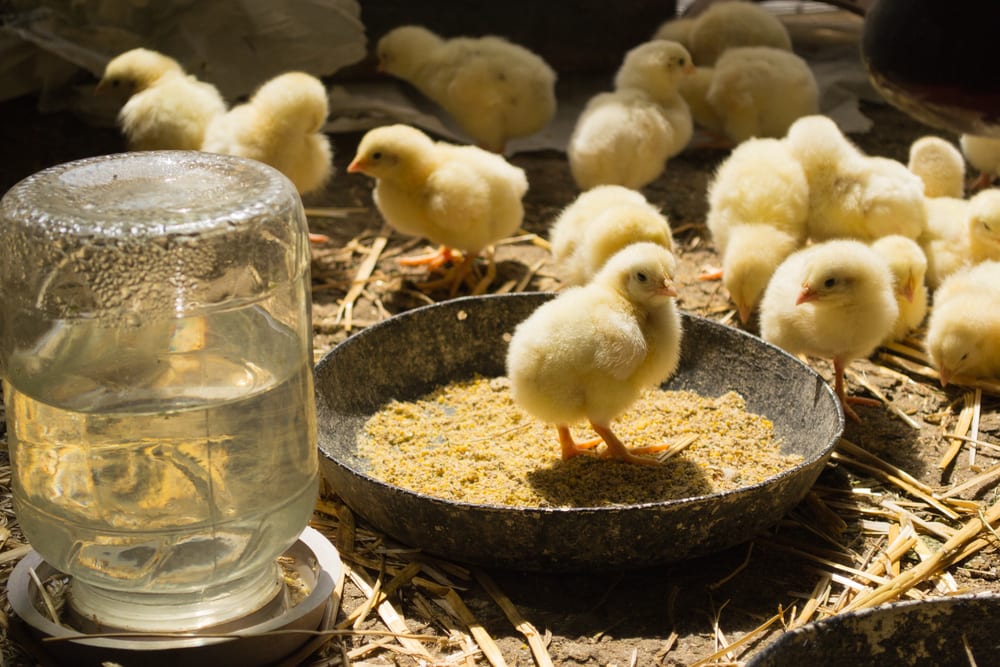
A quick note on the term sex link: it usually refers to crosses where you can often tell male vs. female chicks by color right at hatch, which is handy if you are trying to avoid surprise roosters.
Hybrids can be fantastic layers and sweet birds. The key thing to understand is that their offspring will not reliably match the parents in looks or performance. You can still hatch their eggs, but you are not “replicating the hybrid.”
Egg yield: what to expect
Let’s talk eggs, because this is usually why the debate starts.
Hybrid egg production
Most production hybrids are designed to lay a lot of eggs early and steadily. In a well-managed backyard setup (good feed, clean water, enough daylight, low stress), many hybrids will average:
- About 250 to 300 eggs per year during their peak years (often year 1 and year 2). Top performers can reach higher with ideal conditions, but I do not like promising “catalog numbers” to real backyard keepers.
- Large eggs are the goal, often brown for common backyard hybrids, though there are also commercial hybrid lines bred for white eggs.
- Earlier start, often laying reliably around 18 to 22 weeks, though individuals vary.
In my experience, the “magic” of hybrids is not that they never take a break. It is that their breaks are often shorter when everything is going well.
Heritage breed egg production
Heritage breeds typically lay less than top hybrids, but plenty are still strong producers. A realistic backyard range is breed-dependent:
- Many heritage hens land around 150 to 220 eggs per year.
- Strong laying heritage lines can hit 220 to 260 eggs per year with excellent management.
- More seasonal rhythm is common, especially with heavier, fluffier breeds.
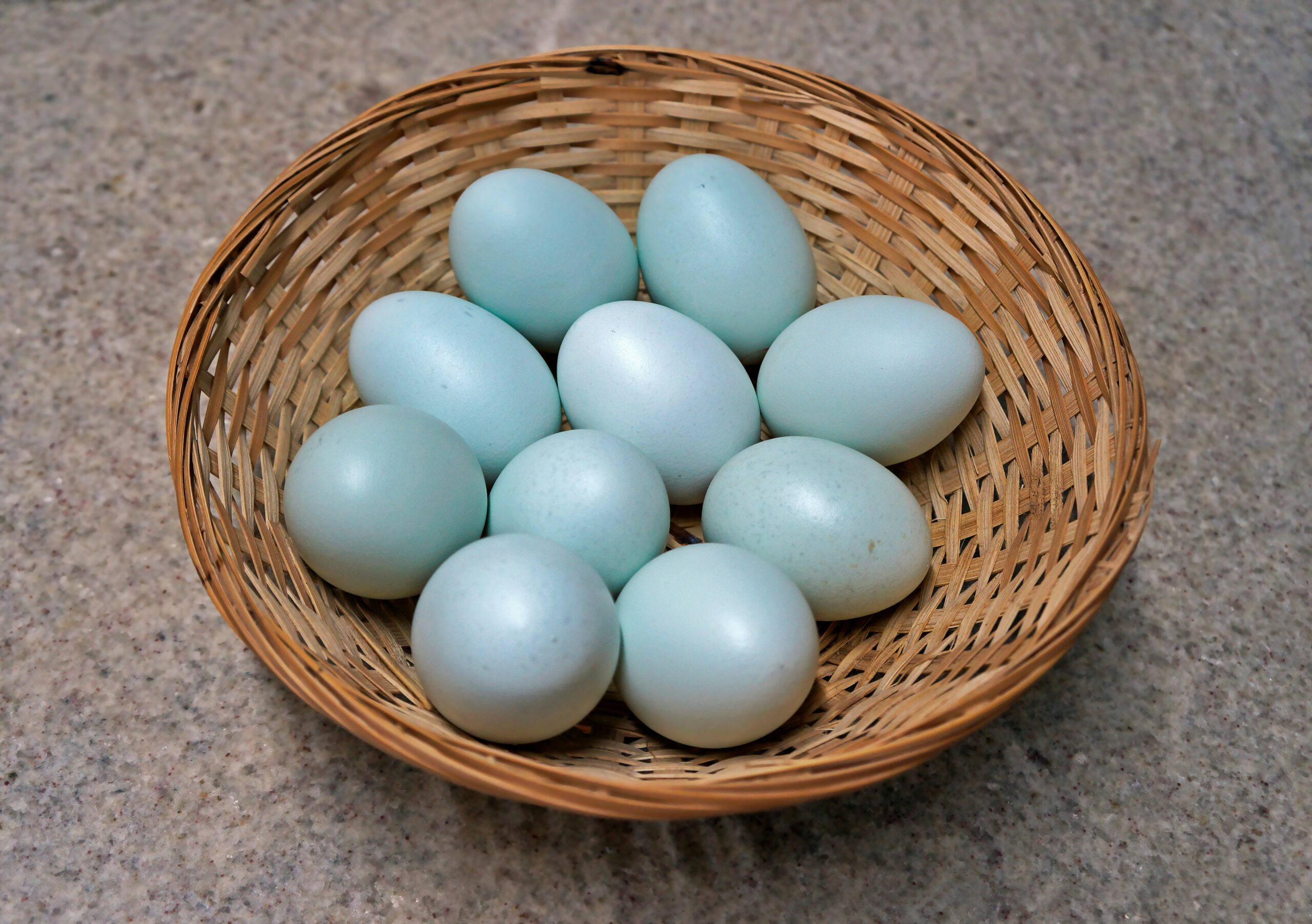
Heritage eggs can be a delightful mix, too. If you keep Ameraucanas you might get those blue eggs that make you feel like you are collecting little treasure stones. One gentle warning from the trenches: many birds sold as “Ameraucana” at feed stores are actually Easter Eggers, which are mixed birds that can lay blue or green eggs, but are not a standardized, recognized breed.
A quick “basket math” example
If you want a rough planning tool:
- 3 hybrids at 280 eggs/year each can average about 16 eggs/week across the year.
- 3 heritage hens at 220 eggs/year each can average about 13 eggs/week across the year.
That difference looks small until you hit winter, molt, or a heat wave, when those averages get wobbly. Which brings us to the bigger picture: yield is not just egg count. It is also years of service, health resilience, and the kind of flock you want to live with.
What changes egg numbers
If someone promises you a perfect egg number without mentioning real life, smile politely and back away. In most backyards, laying depends heavily on:
- Daylight: winter light drop-off slows most hens unless you add supplemental lighting.
- Molt and stress: feathers take priority, and any drama can knock production down.
- Nutrition and parasites: consistent layer feed, clean water, calcium, and keeping mites or lice in check matter more than people think.
Longevity and productive years
Heritage breeds: the long game
One reason I adore heritage birds is that many are built for a slower, steadier life. It is common for heritage hens to:
- Live 6 to 10+ years with good care, depending on breed and luck (and yes, predators can shorten any chicken’s plans).
- Lay well for several years, then taper gradually rather than falling off a cliff.
- Stay sturdy through cold snaps and flock drama, especially the classic dual-purpose breeds.
Hybrids: peak performance, shorter runway
Many hybrids do wonderfully their first couple of years, then production often declines faster. Plenty live long lives, but as a general trend:
- They are optimized for high output early.
- Some lines can be more prone to reproductive wear issues as they age, simply because they have been laying so hard.
- You might find yourself rotating new pullets in sooner to keep eggs consistent.
If your goal is a reliable egg supply with a steady age spread in the coop, hybrids can fit beautifully. If your goal is keeping birds longer with less pressure to “replace layers,” heritage breeds often feel calmer over the long haul.
Temperament and flock dynamics
Temperament is where my “chicken keeper heart” tends to make the final decision. Egg numbers are great, but you are also sharing your yard with these little dinosaurs.
Heritage breeds
- More variety in temperament because you are choosing among many breeds with distinct personalities.
- Many popular heritage options are famously steady: Orpingtons tend to be friendly couch potatoes, and Wyandottes often have that confident, no-nonsense vibe.
- Some heritage breeds can be more independent or higher strung, so breed choice matters.
Hybrids
- Many hybrids are selected for manageable temperament in addition to production.
- They can be very people-friendly, especially when raised with frequent calm handling.
- Because hybrids are common in backyard settings, it is easier to find anecdotal “what to expect,” but individuals still surprise you. The sweetest hen I ever had was also the one most likely to steal treats directly from my hand like a tiny mugger.
Feed efficiency and cost per egg
Hybrids generally win on feed-to-egg efficiency, especially during their peak laying window. If you are buying bagged feed and trying to stretch your budget, this can matter.
Hybrids
- Often convert feed into eggs very efficiently.
- Start laying earlier, so you get eggs sooner after purchase.
- Great for families who want consistent eggs without keeping a large flock.
Heritage breeds
- Some eat more relative to their egg output, especially larger, heavier breeds.
- Dual-purpose breeds can “pay you back” in other ways: hardiness, calmer behavior, sometimes better foraging.
- If you free-range safely (big “if” with predators), good foragers can offset a little feed.
My practical tip: if you are choosing heritage birds and want decent yield, pick breeds known for laying rather than assuming all heritage chickens are similar. “Heritage” describes breeding, not output.
Broodiness: feature or bug?
Broodiness is when a hen decides she is going to hatch eggs, whether you asked her to or not. She parks herself in a box, puffs up like a feather duster, and makes a noise that says, “Try me.”
Heritage breeds
- Some are more likely to go broody, especially classic fluffy, maternal types.
- If you want to hatch your own chicks, heritage breeds can be a joy.
- If you want eggs every day forever, broodiness can feel like your best layer took a vacation without telling you.
Hybrids
- Many hybrids are less likely to go broody, since broodiness is not helpful for egg production (though you will always find exceptions).
- That can mean more consistent laying for backyard egg goals.
Health, hardiness, and climate fit
No chicken is invincible, but breed type can tilt the odds.
Heritage breeds
- Often bred over generations for balanced traits, including hardiness.
- Cold tolerance can be excellent in heavier feathered birds, though you still need good ventilation and dry bedding.
- Heat tolerance depends heavily on breed. Big fluffy bodies struggle in high heat without shade and airflow.
Hybrids
- Many do well in typical backyard conditions, but their high production can make them more sensitive to nutritional gaps or stress.
- When a hen is laying intensely, little issues like dehydration, calcium imbalance, or mite pressure can hit harder.
Regardless of type, the boring basics are the health basics: clean water, quality layer feed, calcium available, parasite checks, and a coop that stays dry.
Breeding and self-sufficiency
If part of your homesteading dream includes raising replacements, heritage breeds shine.
Heritage breeds
- Breed true, which means you can maintain a breed line (with good rooster management and genetic planning).
- Great if you want a flock that sustains itself over time.
- More predictable chick traits, especially when sourcing from reputable breeders.
Hybrids
- You can hatch their eggs, but you will get a genetic grab bag. Sometimes that is fun, sometimes it is frustrating.
- Most people who keep hybrids plan to buy new pullets periodically rather than breeding their own “same as mom” replacements.
Buying birds without getting fooled
The words on a bin tag do not always tell the whole story. If you are trying to be intentional with your flock:
- Ask about the line: hatchery strain vs. breeder line can affect longevity, temperament, and production curve.
- Shop reputable sources: breeders who can tell you about their stock tend to be more consistent than mystery batches.
- Be wary of loose labels: “heritage,” “Ameraucana,” and even “Rhode Island Red” are sometimes used as shorthand. It does not mean the bird is poor quality, just that you should calibrate expectations.
Which should you choose?
I like to match chicken type to the life you actually live, not the life you think you should live.
Choose hybrids if you want:
- Maximum eggs with fewer birds
- Earlier laying and strong consistency in the first couple of years
- Better feed efficiency for egg output
- A straightforward “eggs first” flock plan
Choose heritage breeds if you want:
- Long-lived chickens you can keep for years as true backyard companions
- More breed personality and a flock with variety in looks and behavior
- Potential for broody hens and hatching chicks
- A slower, steadier production curve and often strong hardiness
My favorite compromise: a mixed flock
If you are feeling torn, you are not alone. A mixed flock can be the sweet spot:
- Keep 1 to 3 hybrids as your reliable egg engines.
- Add heritage breeds for longevity, personality, and those “I cannot believe I get to own this gorgeous bird” moments.
That is basically where my coop landed: practical egg producers plus a few heritage girls that make me stop and smile even when I am hauling a bucket of soggy bedding in January.
Quick comparison
| Category | Heritage breeds | Hybrids |
|---|---|---|
| Eggs per year (typical backyard) | ~150 to 220 (strong lines ~220 to 260) | ~250 to 300 (top performers can reach higher) |
| Start laying | Often a bit later | Often earlier |
| Longevity | Often longer lived | Often shorter peak window |
| Broodiness | More common in some breeds | Less common overall |
| Breeding true | Yes | No (offspring vary) |
| Feed efficiency for eggs | Varies, often lower | Often higher |
FAQ
Are hybrids “bad” or unhealthy?
No. Many hybrids live happy lives and are wonderful backyard birds. The main difference is what they were selected for: high early production. You just want to support that with excellent nutrition, plenty of clean water, and stress reduction.
Do heritage hens lay in winter better than hybrids?
It depends more on the individual bird, daylight hours, and molt timing than the label “heritage” or “hybrid.” That said, many hybrids keep laying longer into low-light seasons, while some heritage breeds lean more seasonal unless you have supplemental light (and even then, I prefer letting hens rest).
Can I keep both together?
Yes. Introduce new birds carefully, provide multiple feeding and watering spots, and make sure there is enough space so lower-ranking hens can escape the crankier personalities. Mixing types is common and works well.
What about egg color?
Many backyard hybrids are bred for large brown eggs, but there are also hybrid lines that produce white eggs. Heritage breeds offer more variety depending on breed: white, tinted, brown, dark brown, and blue or green from specific lines.
The bottom line
If your primary goal is the most eggs with the least fuss, hybrids are hard to beat. If you want longer-lived birds, the option to breed, and that deep “classic chicken” feel, heritage breeds are a joy. And if you want my neighborly opinion after twelve years of coop sweeping, treat bribing, and “who laid this egg?” detective work: a thoughtfully chosen mixed flock gives you the best of both worlds.