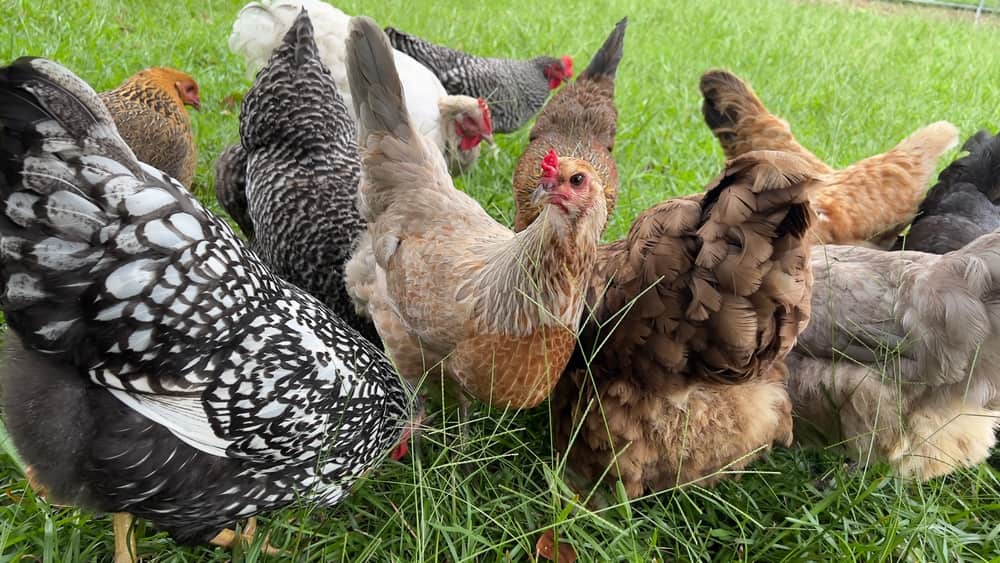
A backyard keeper’s guide to heritage chickens vs. hybrids: what “heritage” often means, expected egg production, lifespan, broodiness, costs, and the best f...
The Cluck Loom
Dual-Purpose Chicken Breeds
Choosing chickens for both eggs and meat? Learn what dual-purpose breeds realistically deliver, plus top breed picks, care tips for heavier birds, and year-round expectations.

Maggie Harper
Maggie Harper is a passionate backyard chicken keeper with over a decade of hands-on experience raising mixed flocks. Through CluckLoom, she shares practical advice on coop building, flock health, and egg production to help beginners and seasoned enthusiasts alike raise happy, healthy chickens.
Published
October 22, 2026
Last updated
October 22, 2026
If you have ever stood in the feed store staring at the chick bins thinking, “I just want a bird that does both,” welcome. Dual-purpose breeds are the work boots of the chicken world. They are usually heavier-bodied birds that can put a nice basket of eggs in your kitchen and offer respectable table meat if that is part of your homestead plan.
I started my own chicken keeping adventure with three Rhode Island Reds and a coop that can only be described as “ambitious plywood.” I wanted steady eggs, hardy birds, and a flock that could handle suburban winters without me hovering like a nervous mother hen. Dual-purpose breeds delivered then and they still do now.
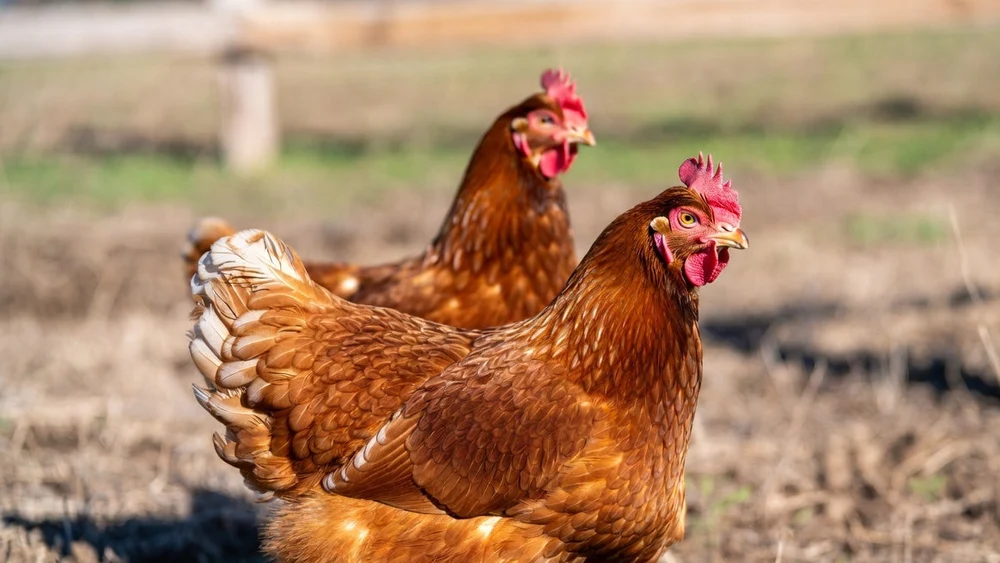
What “dual-purpose” means
Dual-purpose is a practical label, not a magic spell. These breeds are bred to balance:
- Egg production: Usually solid layers, often brown eggs, sometimes tinted depending on breed.
- Body size: More muscle and frame than a lightweight layer, which also means more feed.
- Hardiness: Many handle cold well and do fine as free-range or semi-contained backyard birds.
- Temperament: Often calmer than flighty egg machines, which makes them easier for families.
If you like numbers, here is the realistic range I tell beginners: many dual-purpose hens land around 180 to 280 eggs a year in their prime (with a seasonal dip), and cockerels raised for meat are often processed around 16 to 24 weeks depending on breed, feed, and what size bird you want. That is a very different plan than an egg-only Leghorn or a fast, wide-breasted Cornish Cross.
In real life, “dual-purpose” often translates to good eggs for several years and a heavier carcass than a Leghorn, but not the same breast yield or speed you get from modern meat hybrids. Think more classic roasting or stewing bird than supermarket broiler.
Choosing a breed
Start with your non-negotiables
- Egg goals: Do you want daily eggs in spring, or just a steady trickle year-round?
- Climate: Cold winters, humid summers, or both?
- Personality: Kid-friendly lap chickens, or independent foragers that keep their distance?
- Space: Heavier birds need room to move and they can turn a small run into a dust bowl fast.
- Neighborhood reality: If you are in a tight suburban setup , quiet and calm matters.
Know the tradeoffs
Dual-purpose birds tend to mature a bit slower than production layers and lay fewer eggs than a true egg specialist. On the flip side, they are often more resilient, less high-strung, and better winter birds when housing, nutrition, and daylight are working in their favor.
Top dual-purpose breeds
Below are the breeds I recommend most often to beginners, plus a few options if you want something a little different in the coop. Keep in mind that hatchery lines, heritage lines, and individual flocks can vary. A “Rhode Island Red” from one source can be a different bird than a “Rhode Island Red” from another, especially in size and temperament .
Rhode Island Red
Why people love them: Reliable brown eggs, tough as nails, and generally easy to manage.
- Eggs: Strong production, especially in the first couple of years.
- Temperament: Confident. Some lines can be a little bossy, so watch your flock dynamics.
- Best for: Folks who want a no-fuss layer that still has heft.
Coop note: My first Reds were the birds that taught me chickens are not delicate. They handled heat, cold, and my early mistakes with impressive patience.
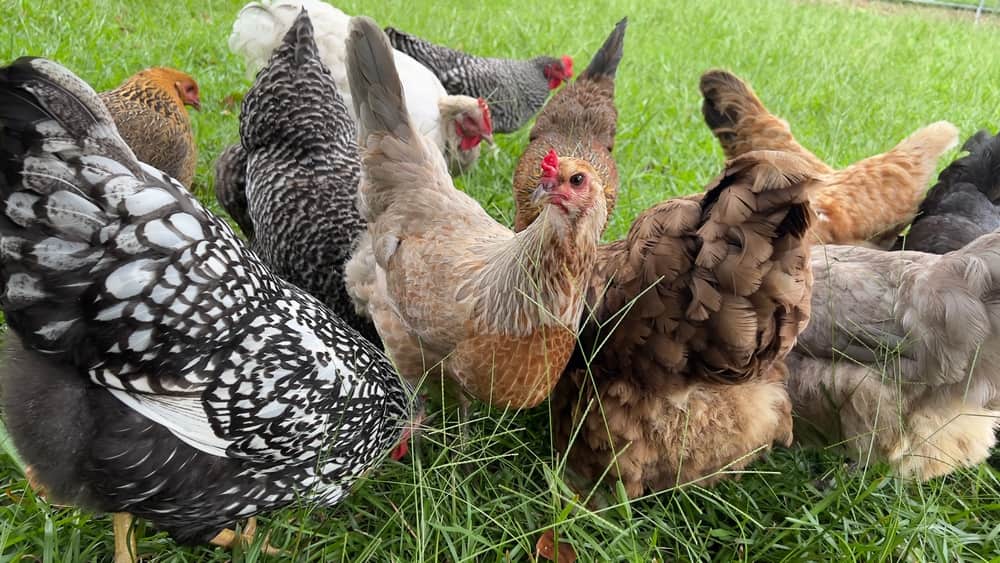
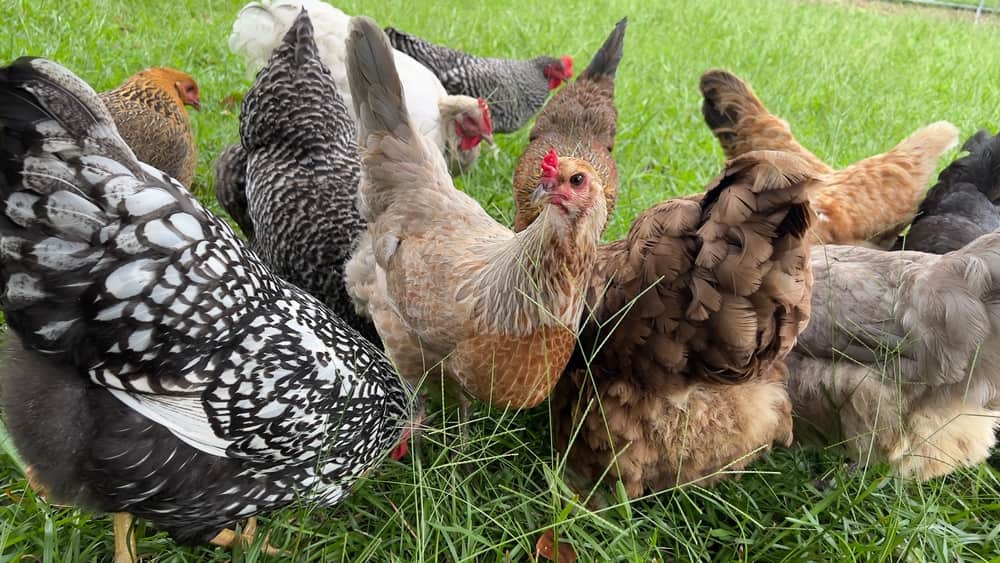
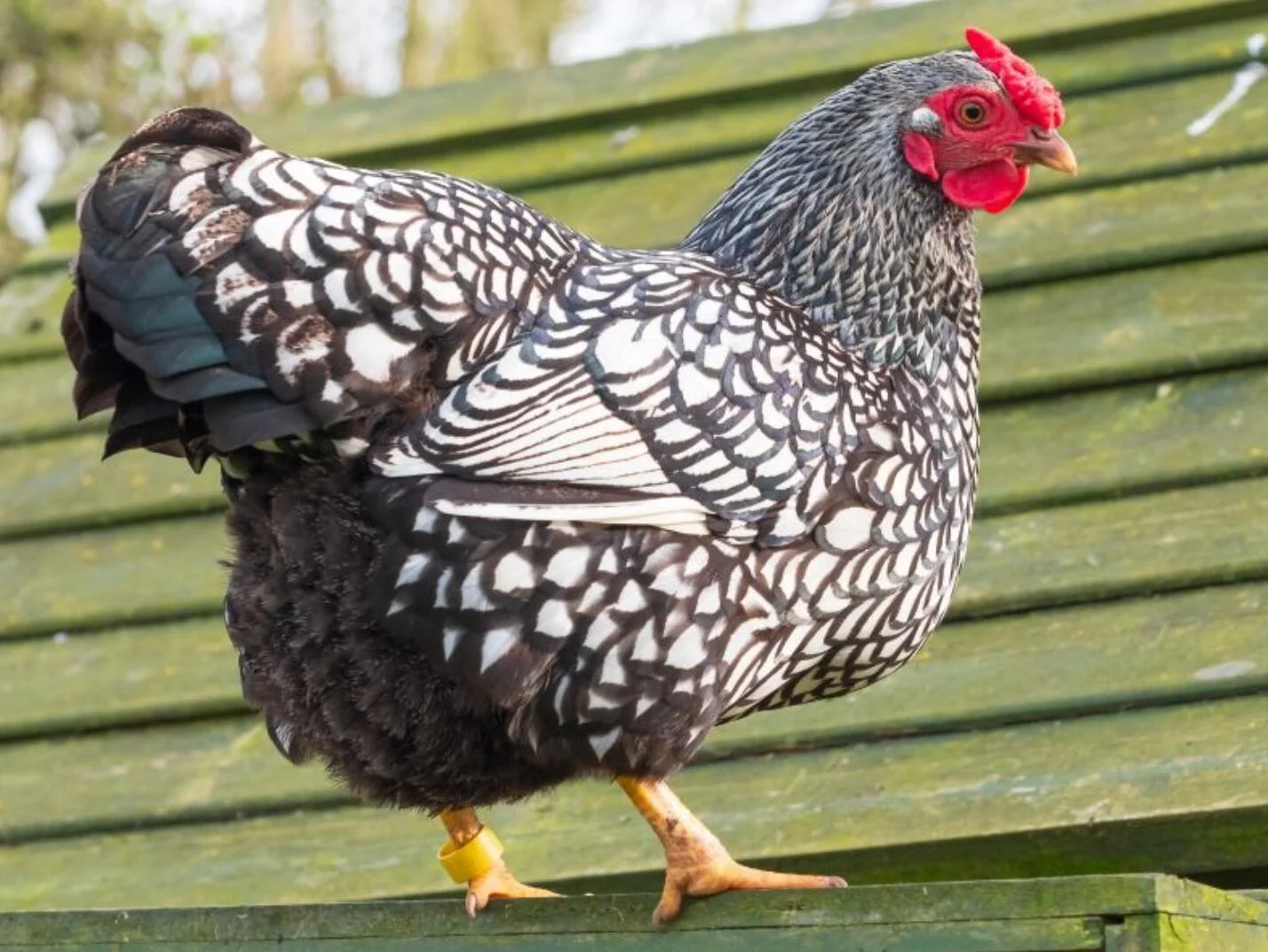
Wyandotte (especially Silver Laced)
Why people love them: Gorgeous feather patterns, rounded bodies, and excellent cold hardiness.
- Eggs: Good brown eggs. Some hens stay steadier than other breeds in cool weather, but winter laying always depends on strain, nutrition, and daylight.
- Temperament: Generally calm. Some hens can be “politely in charge.”
- Best for: Cold climates and keepers who want beauty plus utility.
Plymouth Rock (Barred Rock)
Why people love them: Classic backyard bird. Friendly, sturdy, and dependable.
- Eggs: Consistent brown eggs.
- Temperament: Often very people-friendly without being needy.
- Best for: First-time keepers who want a steady, forgiving breed.
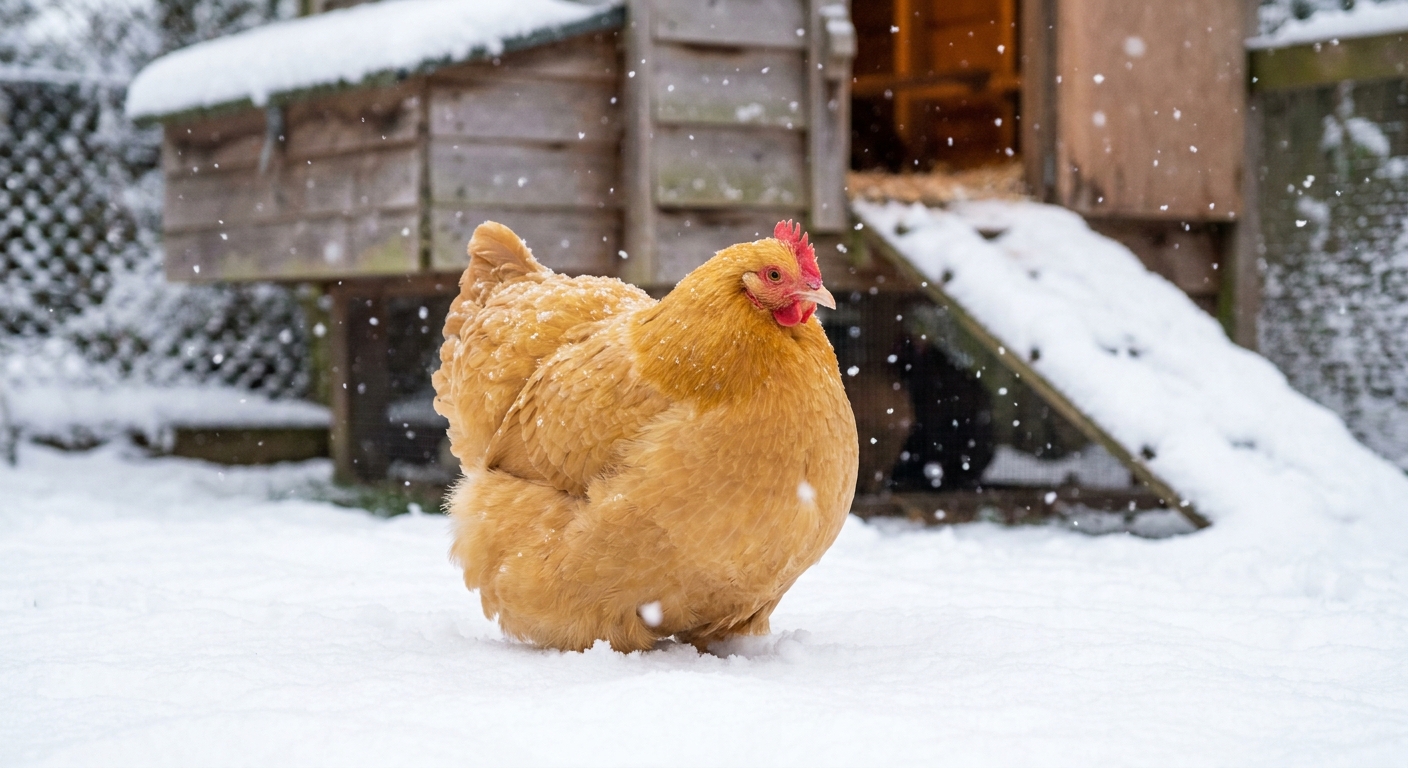
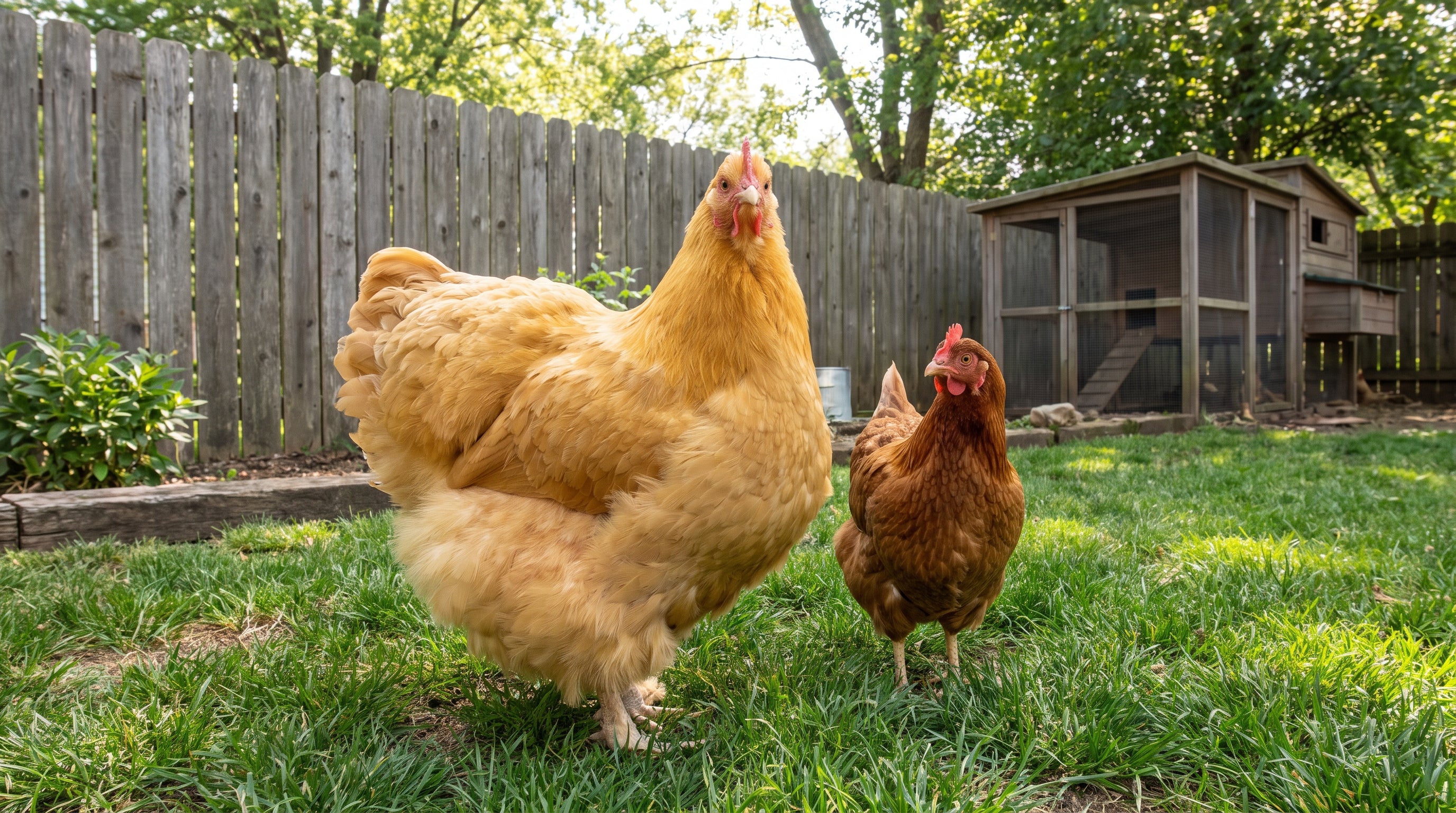
Orpington (Buff, Black, Blue)
Why people love them: Big soft birds with a reputation for sweetness.
- Eggs: Good layers, though some lines are more broody.
- Temperament: Usually gentle and tolerant, great with kids.
- Best for: A calmer backyard flock and colder regions.
Coop note: My Orpingtons are the ones that waddle up like they have an appointment. They also taught me to keep an eye on body condition. Big birds can get a little too “well loved” on scratch grains.
Australorp
Why people love them: Fantastic egg reputation paired with a solid dual-purpose body.
- Eggs: Often excellent production.
- Temperament: Usually calm and easygoing.
- Best for: People who want heavier birds but still prioritize eggs.
Sussex (Speckled, Light)
Why people love them: Great foragers, personable, and productive.
- Eggs: Good production, often dependable.
- Temperament: Friendly and curious. Some lines can also go broody, which is either charming or inconvenient depending on your goals.
- Best for: Free-range setups or runs with enrichment, where they can stay busy.
New Hampshire
Why people love them: Similar vibe to Rhode Island Reds, often a bit more mellow, and earlier-maturing than many heritage dual-purpose breeds.
- Eggs: Good brown eggs.
- Temperament: Generally practical and calm.
- Best for: Keepers who like the “utility hen” concept without extra drama.
Ameraucana and Easter Egger
Many people (me included) love adding Ameraucanas or Easter Eggers for the colorful eggs and fun personalities. They can be moderately dual-purpose, but most lines are not as meaty as the heavy classics above.
- Eggs: Often blue or green eggs, production varies by line.
- Body: Typically lighter than Wyandottes or Rocks.
- Best for: Mixed flocks where egg basket color matters and meat is a secondary consideration.
Year-round expectations
Eggs change with seasons
Even great dual-purpose hens slow down in winter when daylight drops. Some individuals keep laying better in cool weather than others, but plan for a seasonal dip. If you want winter eggs, focus on:
- Good nutrition, especially adequate protein
- Low stress and plenty of coop space
- Dry, draft-free housing with good ventilation
They eat more than light layers
Heavier birds require more calories to maintain body condition. This is normal. The trick is keeping feed available while limiting “empty calorie” treats so your big birds do not turn into fluffy ottomans.
Broodiness happens
Many heritage dual-purpose breeds can go broody, especially Orpingtons and some Wyandotte and Sussex lines. If you want chicks, it is a feature. If you want eggs without interruption, it is a quirk you will manage.
Housing and management
Coop space and roosts
- Room to roost: Give heavier birds sturdy roosts with smoothed edges . Wide roosts can be more comfortable for big feet.
- Roost height: Keep roosts reasonably low. Big birds can injure legs and keels jumping down from tall perches.
- Nest box access: Make it easy for wide-bodied hens to get in and out without gymnastics.
Run design that stays sane
Dual-purpose birds can churn up a run quickly. A few fixes that save your sanity:
- Use deep litter or thick bedding in covered areas
- Add leaves, straw, and logs for scratching “projects”
- Rotate a small grazing area if you can
- Hang a cabbage or scatter scratch in litter so they work for it
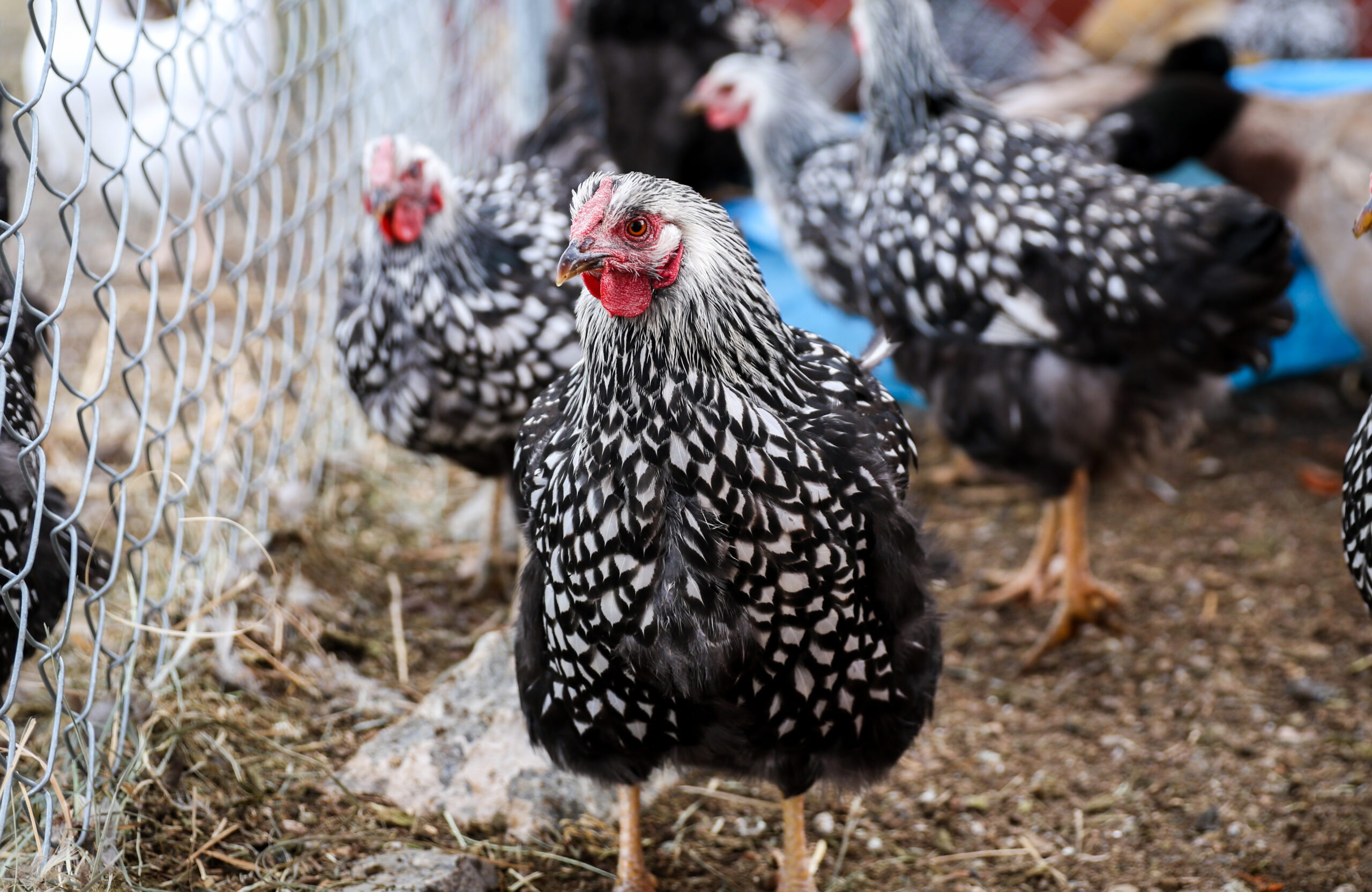
Health notes for heavy birds
Heavier, calmer breeds come with a few predictable management themes. Nothing scary, just worth knowing before you buy six fluffy tanks.
- Keel and leg strain: Low roosts and non-slippery landing areas help prevent hard impacts and awkward jumps.
- Bumblefoot: Dry, clean footing and smooth roosts reduce risk. Check feet occasionally, especially if your run stays damp.
- Weight management: Full feeders are fine. Unlimited scratch and constant “treats because you are cute” is where trouble starts.
Meat expectations
If you are choosing dual-purpose birds partly for the table, it helps to set expectations.
- Growth rate: Heritage dual-purpose birds grow slower than meat hybrids. That means more weeks of feed and care before processing age.
- Carcass style: You will usually get a more traditional shaped bird with firmer texture compared to fast-growth broilers.
- Breast meat: Most dual-purpose breeds do not produce the same breast-heavy carcass as Cornish Cross. They shine as roasting, braising, and stewing birds.
- Roosters and cockerels: Extra males are a common reality when raising chicks straight-run. Dual-purpose breeds can make practical freezer birds in that scenario.
If you are not planning to process, dual-purpose breeds still shine. You are choosing longevity, resilience, and steady household eggs over peak production.
Breed matching
- I want friendly, big, and calm: Orpington, Plymouth Rock
- I want cold-hardy and beautiful: Wyandotte
- I want eggs first, but still a heavier bird: Australorp, Rhode Island Red
- I want excellent foragers: Sussex
- I want a tough utility flock: New Hampshire, Rhode Island Red, Plymouth Rock
Lines, sources, and local rules
Not all “same breed” birds are the same
If you have ever heard someone say, “My Rhode Island Reds are sweet” and someone else say, “Mine are tiny tyrants,” both can be true. Hatchery strains, heritage breeders, and show lines can differ in size, egg production, and attitude. If temperament matters most to you, ask the breeder or hatchery what their line is known for, and read reviews with an eye for patterns.
Check local regulations
If you live in town, do a quick scan of local rules before you commit. Many areas allow hens but restrict roosters, and some have coop setbacks or flock limits. It is much easier to plan around those rules than to rehome a noisy surprise later.
Common questions
How many eggs do dual-purpose chickens lay?
It depends on breed and bloodline, but many dual-purpose hens lay well enough that a small flock can keep a household in eggs most of the year. Expect the best production in the first one to two years, then a gradual taper.
Are dual-purpose breeds good for beginners?
Yes, especially the steady classics like Plymouth Rocks, Australorps, and many Wyandottes. They tend to be hardy and forgiving while you learn.
Do dual-purpose chickens do well confined?
They can, provided you give them enough run space and enrichment. Heavier birds are often less flighty, but they still need room to scratch and dust bathe.
Can I mix dual-purpose breeds together?
Absolutely. Mixed flocks are my favorite , but try to avoid pairing very timid birds with pushy lines. Provide multiple feeders and waterers to reduce squabbles.
My bottom line
If you want a backyard flock that feels sustainable, dual-purpose breeds are a smart, satisfying place to start. They are not the flashiest egg machines and they are not the fastest meat birds, but they are reliable, resilient, and wonderfully chicken-y.
If you tell me your climate, your space, and whether you want calm pets or busy foragers, I can usually narrow it down to two or three breeds that will make you very happy every time you open that nesting box lid.