A backyard-friendly guide to dual-purpose chickens that lay well, grow sturdy, and fit real-life coops. Breed picks, temperament notes, and practical care ti...
The Cluck Loom
10 Backyard Chicken Breeds That Lay Colorful Eggs
Dreaming of a rainbow egg basket? Meet 10 backyard-friendly chicken breeds that lay blue, green, olive, and dark chocolate eggs, plus tips to keep color strong.

Maggie Harper
Maggie Harper is a passionate backyard chicken keeper with over a decade of hands-on experience raising mixed flocks. Through CluckLoom, she shares practical advice on coop building, flock health, and egg production to help beginners and seasoned enthusiasts alike raise happy, healthy chickens.
Published
October 22, 2026
Last updated
October 22, 2026
If you have ever opened a nesting box and found a surprise teal egg staring back at you, you know the feeling. It is like your hens are leaving you little pastel love notes. I started with plain brown eggs from my Rhode Island Reds, and I still adore them, but the day I added my first Ameraucana, my egg basket turned into a paint swatch.
Here are 10 backyard chicken breeds (and a couple of "type" birds you will commonly find at feed stores) that can fill your carton with blues, greens, olives, and those famous dark chocolate eggs. I am also going to clear up the biggest misconception up front: truly pink or purple shells are not a separate egg color category. What people call “pink” is usually a light brown egg with a rosy bloom (the outer coating) on top.
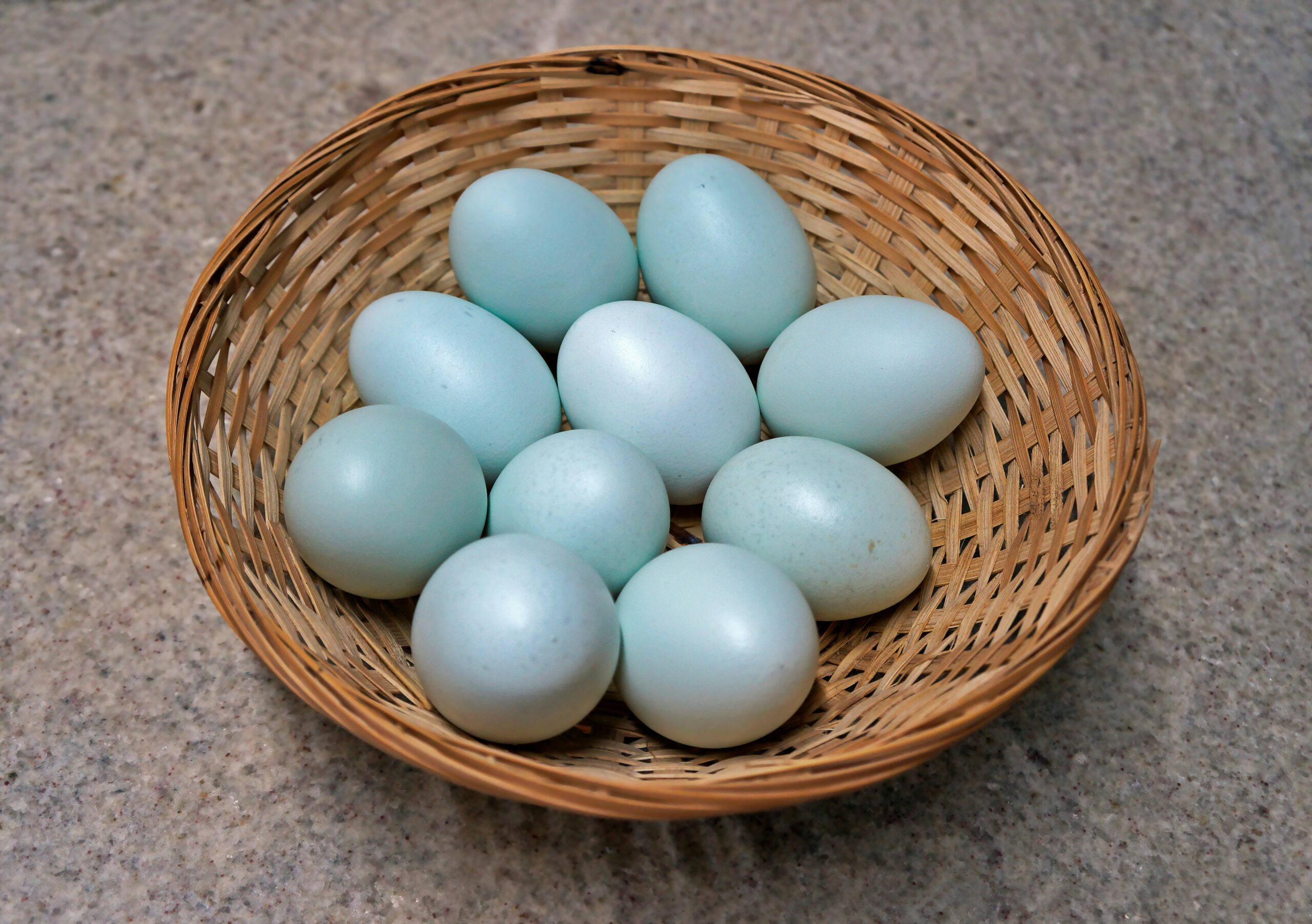
Before you pick breeds: how egg color works
Egg color is mostly genetics. The blue pigment is deposited throughout the shell as it forms, so blue eggs are blue inside and out. Brown color comes from protoporphyrin pigments that are added late in the process and sit mostly on the outer shell layers, including the cuticle, which is why brown eggs are typically lighter on the inside.
- Blue eggs: come from true blue-egg genetics (commonly associated with Araucana and Ameraucana lines).
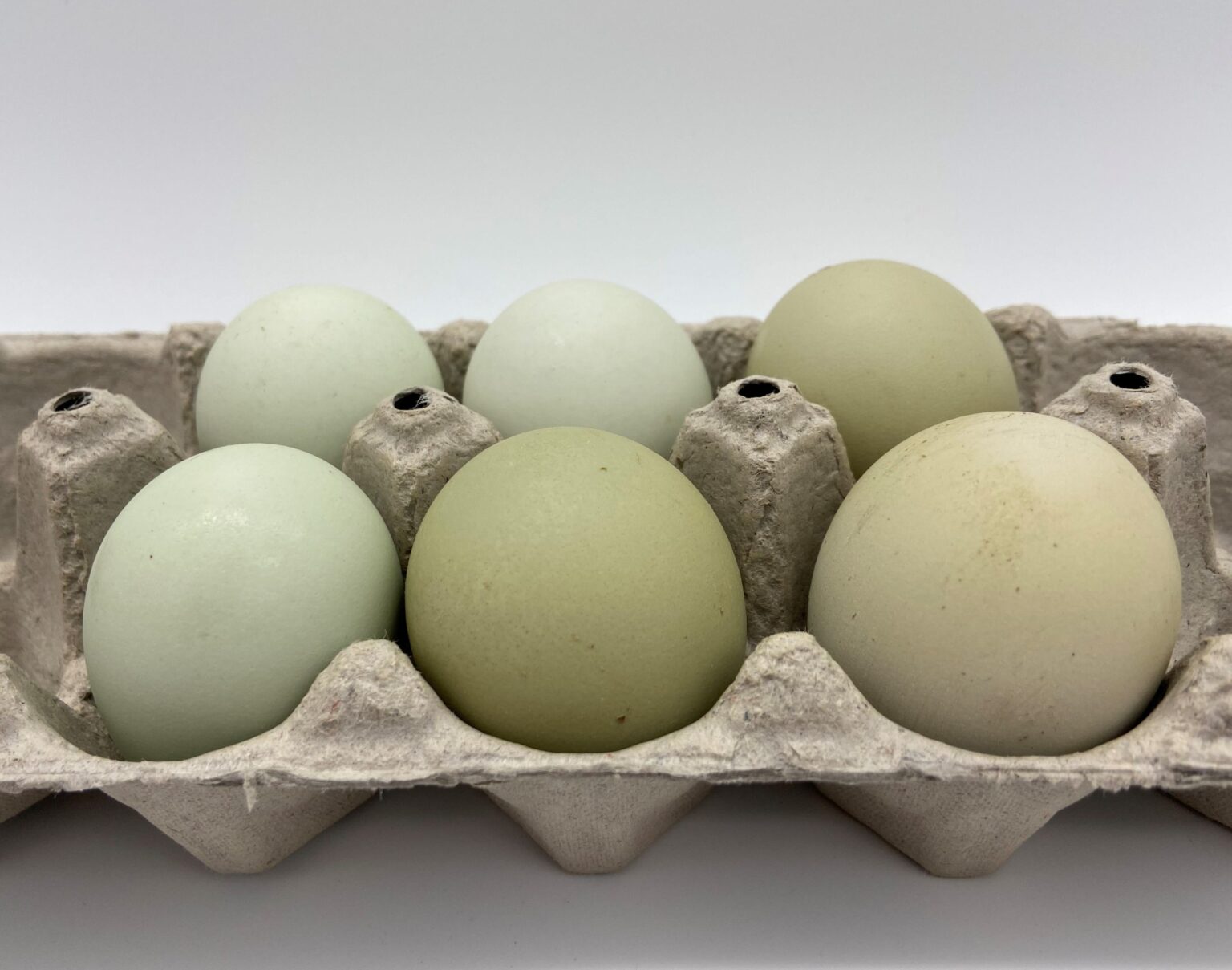
- Green and olive eggs: happen when a blue-egg layer also has brown-egg genetics, creating a blue base with a brown overlay.
- Chocolate brown eggs: are a heavy brown overlay. Shade can vary by hen, strain, season, and stress.
One more thing that trips folks up: a hen lays the shade she lays. Her eggs might get a little lighter during hot weather or late in a laying cycle, but you cannot feed your way from tan to teal. (You can, however, influence things like yolk color and the look of the bloom or cuticle, which can change how an egg “reads” at a glance.) You can support shell quality and consistency, though, which helps those colors look their best.
1) Ameraucana
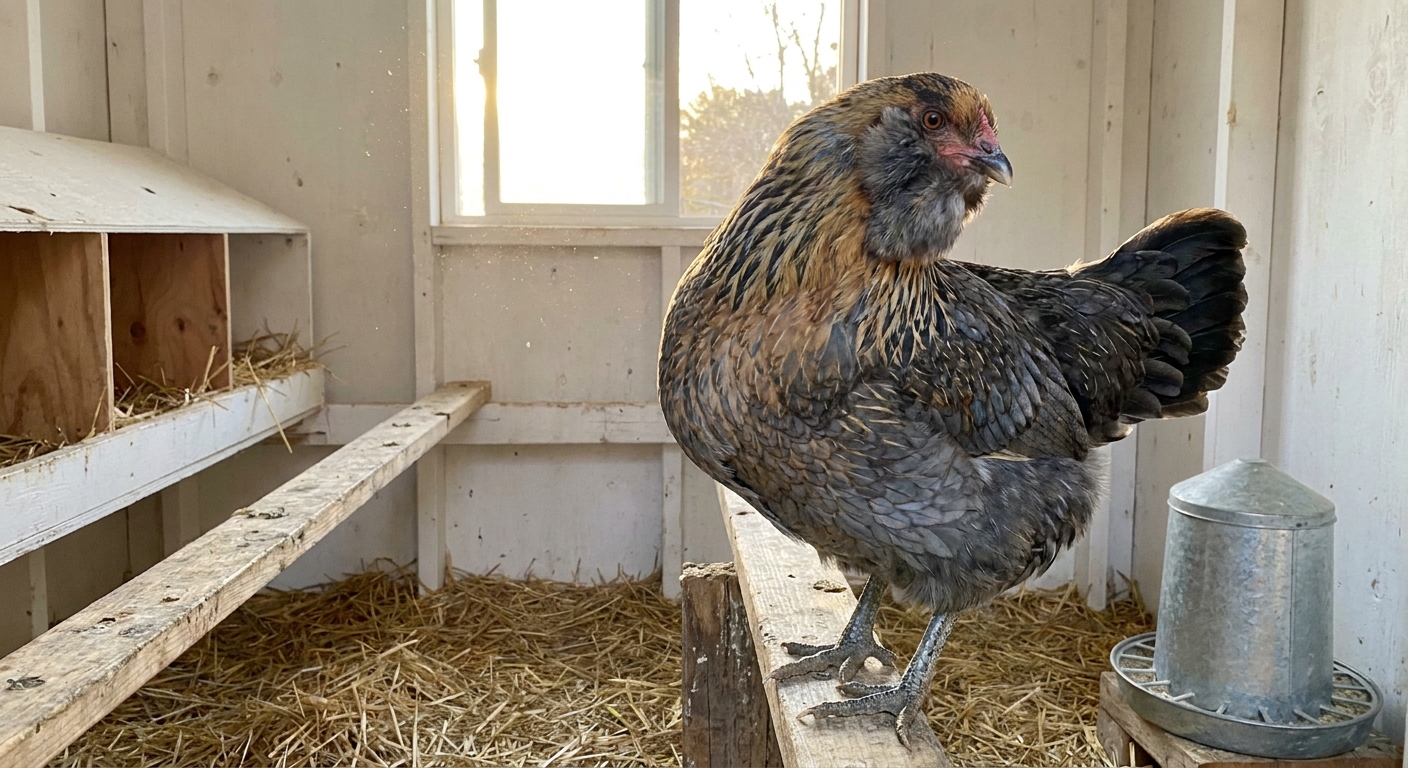
If you want reliable blue eggs and a friendly backyard personality, Ameraucana is a classic pick. In my own flock, they are the curious little busybodies, always first to check out whatever I am doing in the garden.
- Egg color: blue (shades range from sky to slightly greenish-blue)
- Egg production: about 3 to 4 eggs per week (sometimes 5, depending on line and season)
- Temperament: generally calm to moderately friendly
- Good to know: True Ameraucana has a beard and muffs and comes in recognized color varieties. They are often confused with Easter Eggers at hatcheries and farm stores.
2) Easter Egger
Easter Eggers are not a single standardized breed, but they are the most common way backyard keepers end up with colorful eggs fast. Think of them as the lovable mystery box of the chicken world.
- Egg color: commonly blue or green; sometimes tan to light brown, and some lines can show a pinkish-looking bloom over a light shell
- Egg production: often strong layers
- Temperament: varies widely, but many are sweet and hardy
- Good to know: Because they are mixed-type birds, you cannot guarantee egg color from looks alone. If a specific color matters, buy from a breeder who tracks laying color from the hen line.
3) Cream Legbar
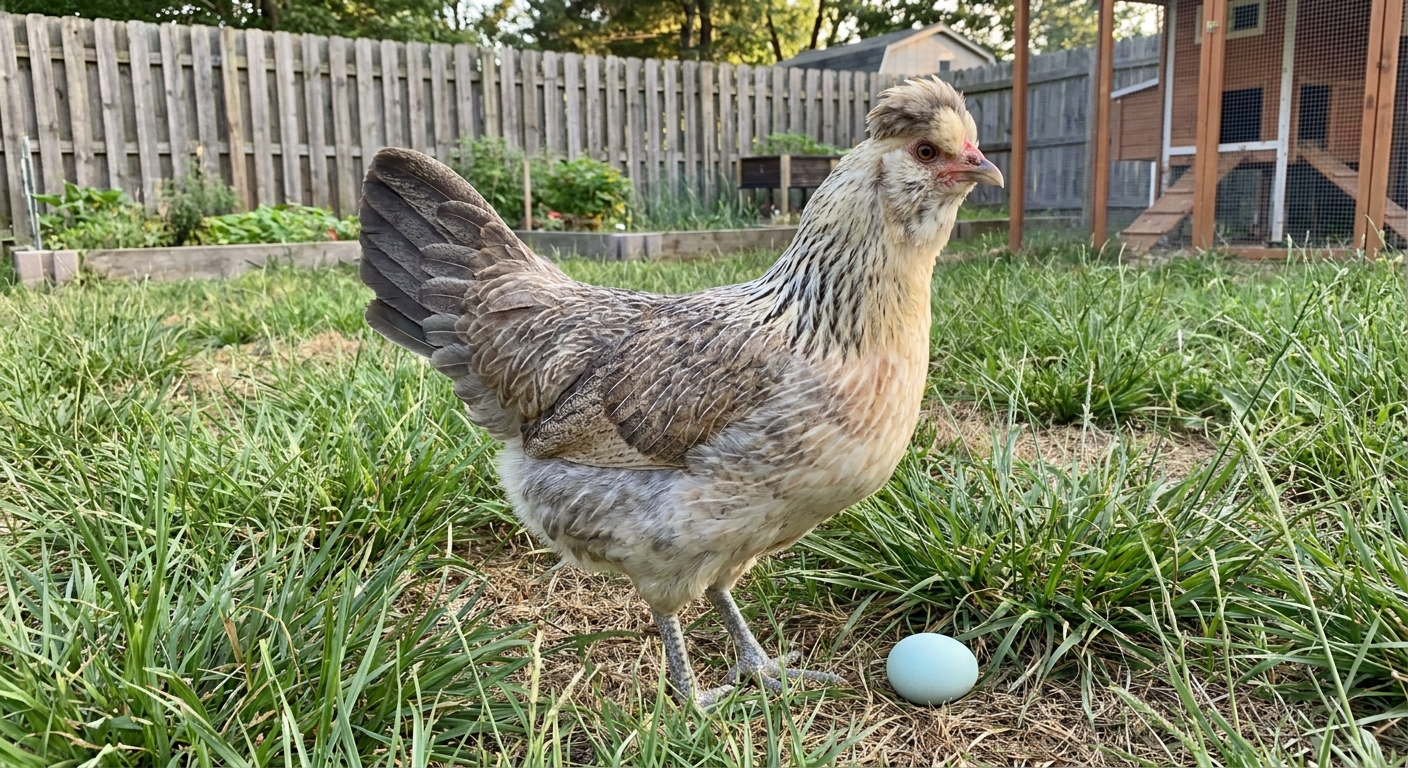
Cream Legbar is the bird I recommend when someone wants blue eggs and a little extra flair in the flock. They are active, alert, and fun to watch. Many Cream Legbar lines are auto-sexing as chicks, which is a huge bonus if you hate the chick roulette game.
- Egg color: blue
- Egg production: typically very good
- Temperament: energetic and more independent than a lap-chicken
- Good to know: They can be flightier than heavier breeds. A covered run and patient handling helps.
4) Araucana
Araucana is part of the "original" blue-egg story, but it comes with quirks. Some lines have ear tufts, and the genetics can be tricky. (In tufted lines, the tuft trait is linked with higher embryo loss when paired.) Many backyard keepers choose Ameraucana or Easter Egger instead for easier sourcing, but Araucana can be a rewarding project for experienced keepers.
- Egg color: blue
- Egg production: moderate
- Temperament: varies by line, often alert
- Good to know: True Araucana is rumpless (no tail) in many standards. Make sure you are buying from a reputable breeder if you want the real deal.
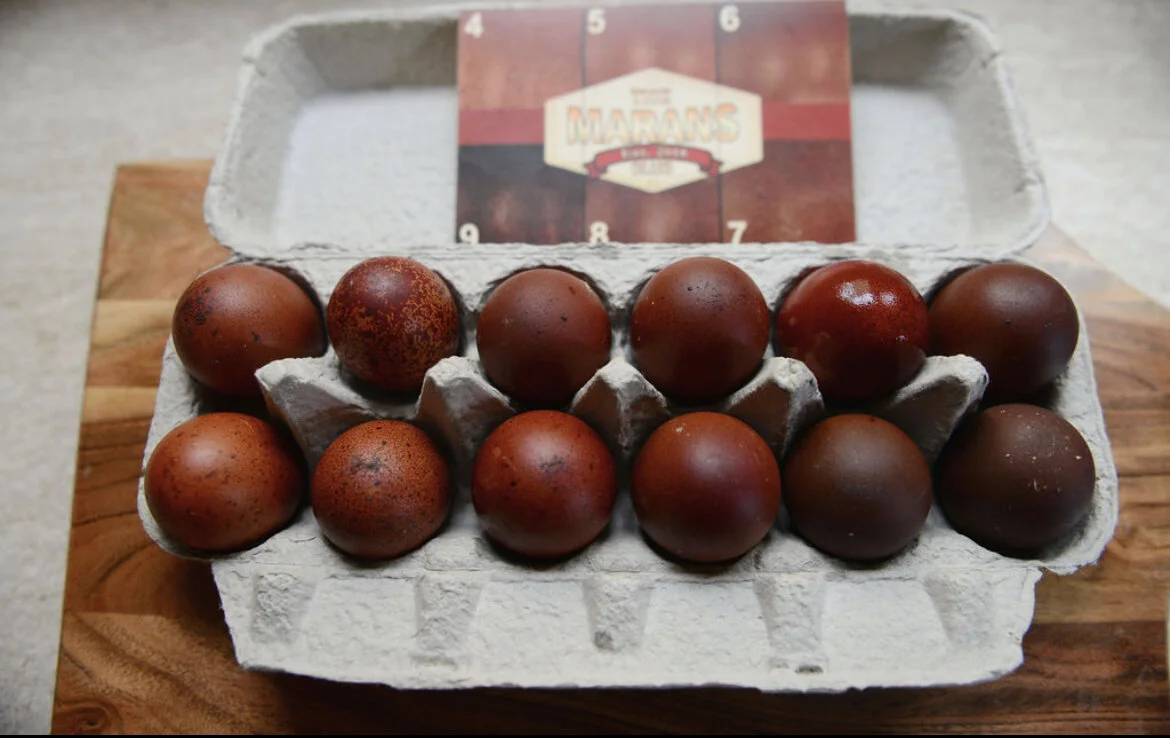
5) Marans
If your goal is dark chocolate eggs, Marans is the headliner. The shade can range from milk-chocolate to deep cocoa. When people say, "I want those fancy farmer’s market eggs," this is usually what they mean.
- Egg color: dark brown (often called chocolate)
- Egg production: moderate to good, depending on strain and season
- Temperament: typically calm, good backyard citizens
- Good to know: Not all Marans lay equally dark. Ask about the breeder’s egg color, and understand that eggs often lighten a bit as the season goes on.
6) Welsummer
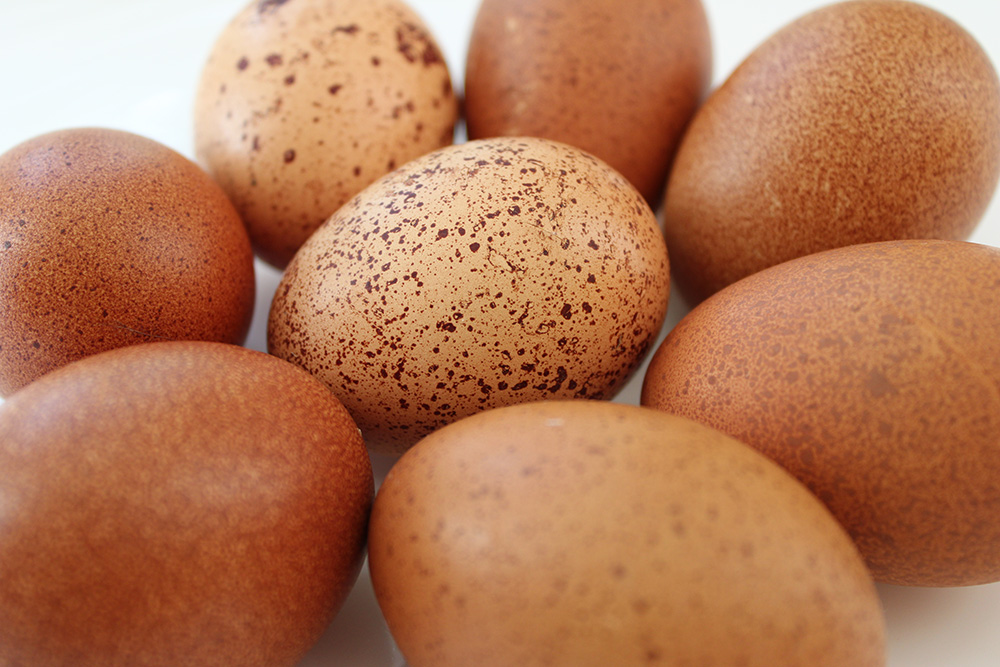
Welsummer lays terracotta-to-deep-brown eggs that often have speckles. In a carton, they add that warm, earthy color that makes the blues and greens pop even more.
- Egg color: rich brown, frequently speckled
- Egg production: generally good
- Temperament: friendly but active
- Good to know: Speckling can vary day to day. It is normal for the pattern to shift with the hen’s cycle, and overall shade can vary by strain.
7) Barnevelder
Barnevelder is underrated for backyard keepers who want deep brown eggs without pushing for the darkest possible chocolate. They tend to be steady, sturdy birds, and their feather patterning is gorgeous in sunlight.
- Egg color: dark brown (often a shade lighter than the darkest Marans, and it can vary by line)
- Egg production: moderate
- Temperament: typically calm and easygoing
- Good to know: They are a nice choice if you want a mellow flock with a dressy look.
8) Olive Egger
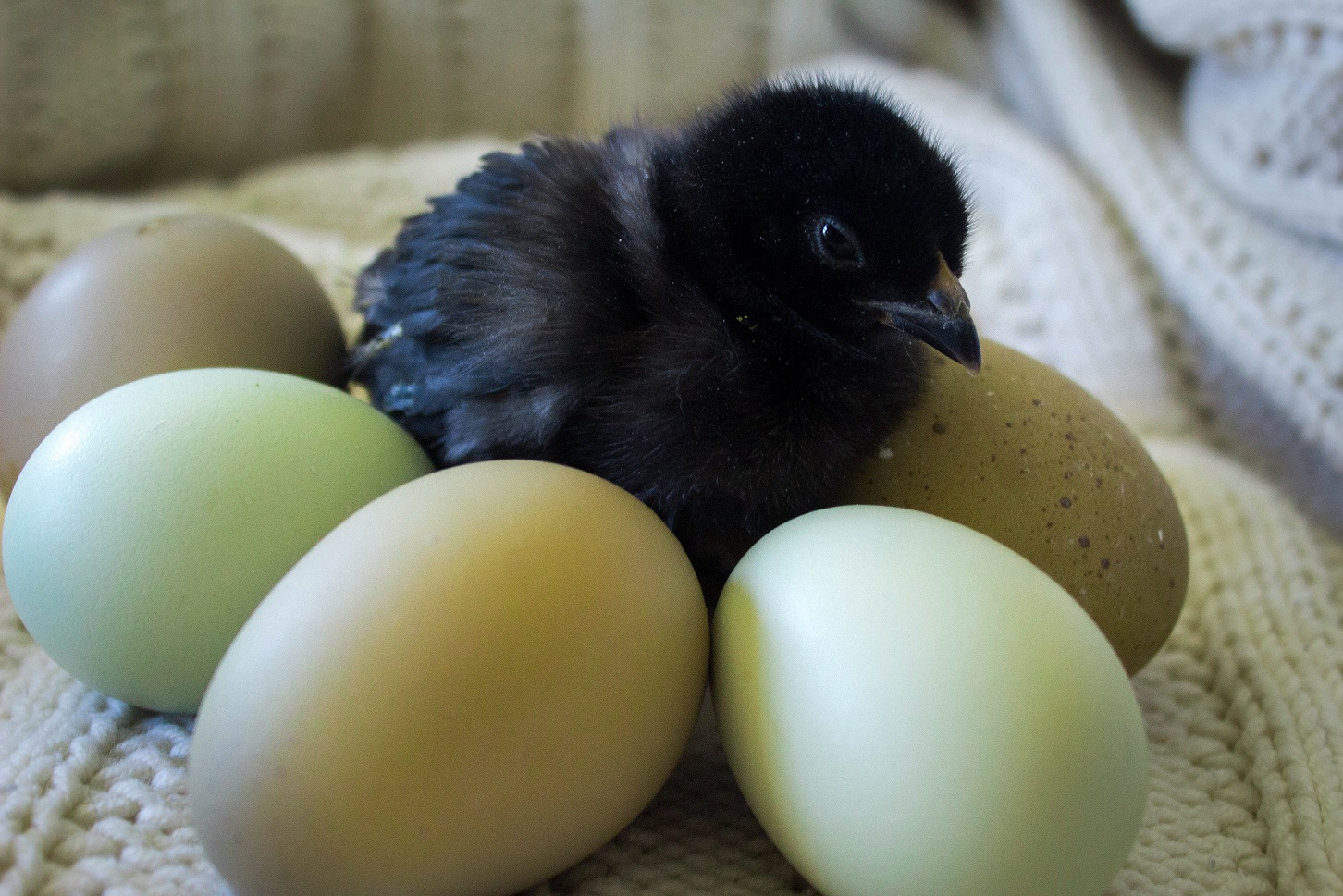
Olive Eggers are the "wow" eggs in a rainbow basket. Like Easter Eggers, they are usually a cross rather than a standardized breed, commonly combining blue-egg genetics with a dark-brown layer line to get those olive green eggs.
- Egg color: olive green (from light olive to deep army green)
- Egg production: varies based on the cross
- Temperament: varies, but many are hardy backyard birds
- Good to know: If you want true olive (not mint green), ask the breeder what brown-egg line is used and what the hens actually lay.
9) Isbar (Silverudd Blue)
Isbar, often sold under the Silverudd Blue name, is a great option if you want a bird that frequently lays green to blue-green eggs. They are not as common everywhere, but if you can find them, they bring consistent color and a tidy, practical vibe to a flock.
- Egg color: green to blue-green (mossy, teal, or sea-glass tones depending on line)
- Egg production: usually good
- Temperament: generally even and active
- Good to know: Look for reputable breeders; naming can be inconsistent depending on where you live.
10) Penedesenca
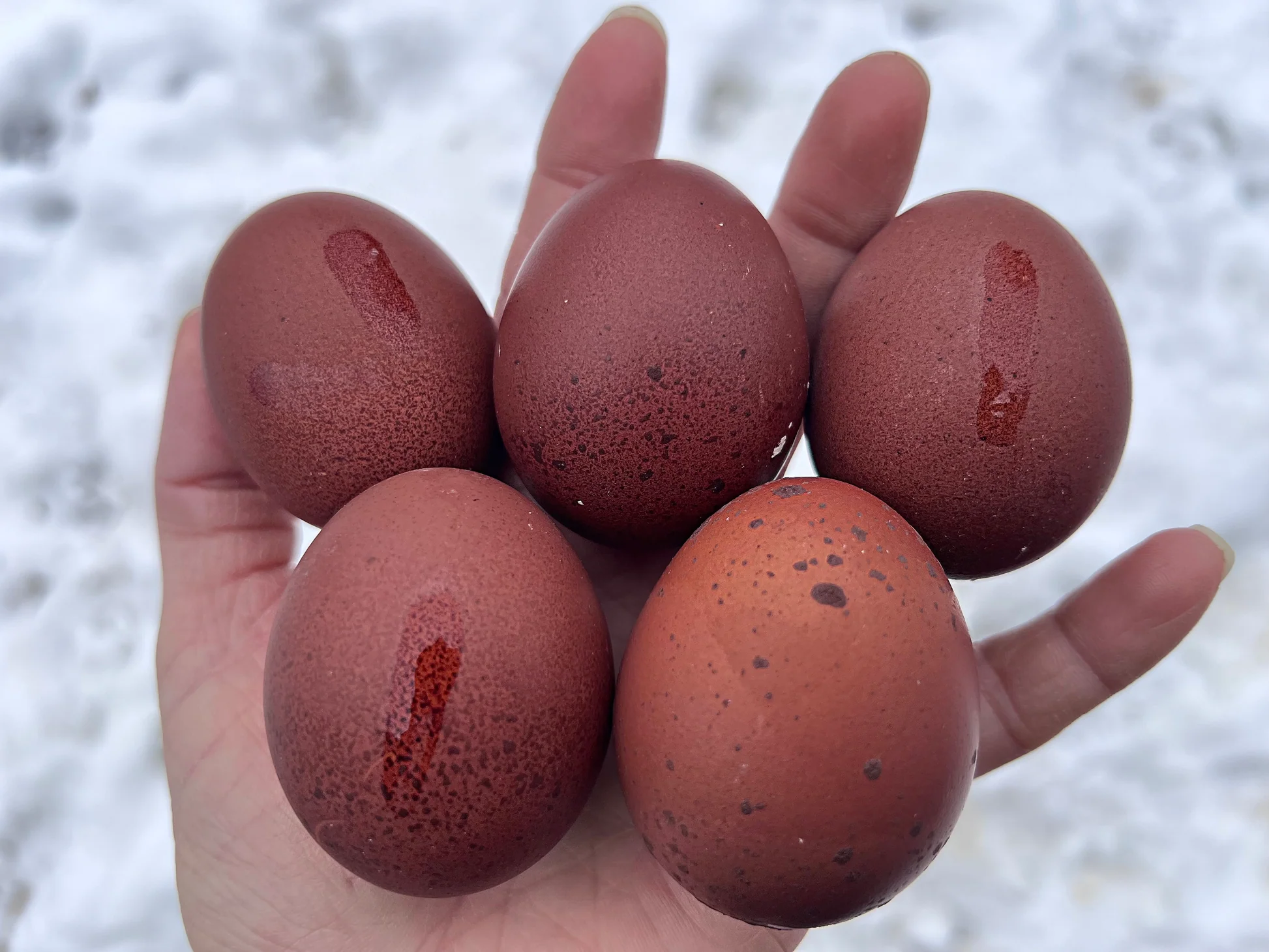
If you want dark eggs but also want something a little different than the usual suspects, Penedesenca is worth a look. They are known for very dark brown eggs and a more Mediterranean, active personality.
- Egg color: dark brown
- Egg production: moderate to good
- Temperament: alert, active, can be less cuddly
- Good to know: They often do well in warm climates and appreciate room to roam.
Keep colors rich and shells strong
You cannot change genetics, but you can absolutely help your hens lay their best-looking eggs consistently.
- Keep calcium available: Offer a separate dish of oyster shell for layers. Thin shells and cuticle issues can make pigment look less even or less rich, and they raise the risk of cracks.
- Reduce stress: Predator scares, overcrowding, and bullying can interrupt laying. A calm coop gives you steadier production and better shell quality.
- Mind the heat: In summer, some hens lay paler eggs and thinner shells. Provide shade, cool water, and airflow.
- Choose the right nest setup: Clean bedding prevents stains and keeps those blues and greens from looking dingy. I refresh nesting material more often when it is muddy season.
Quick guide to egg colors
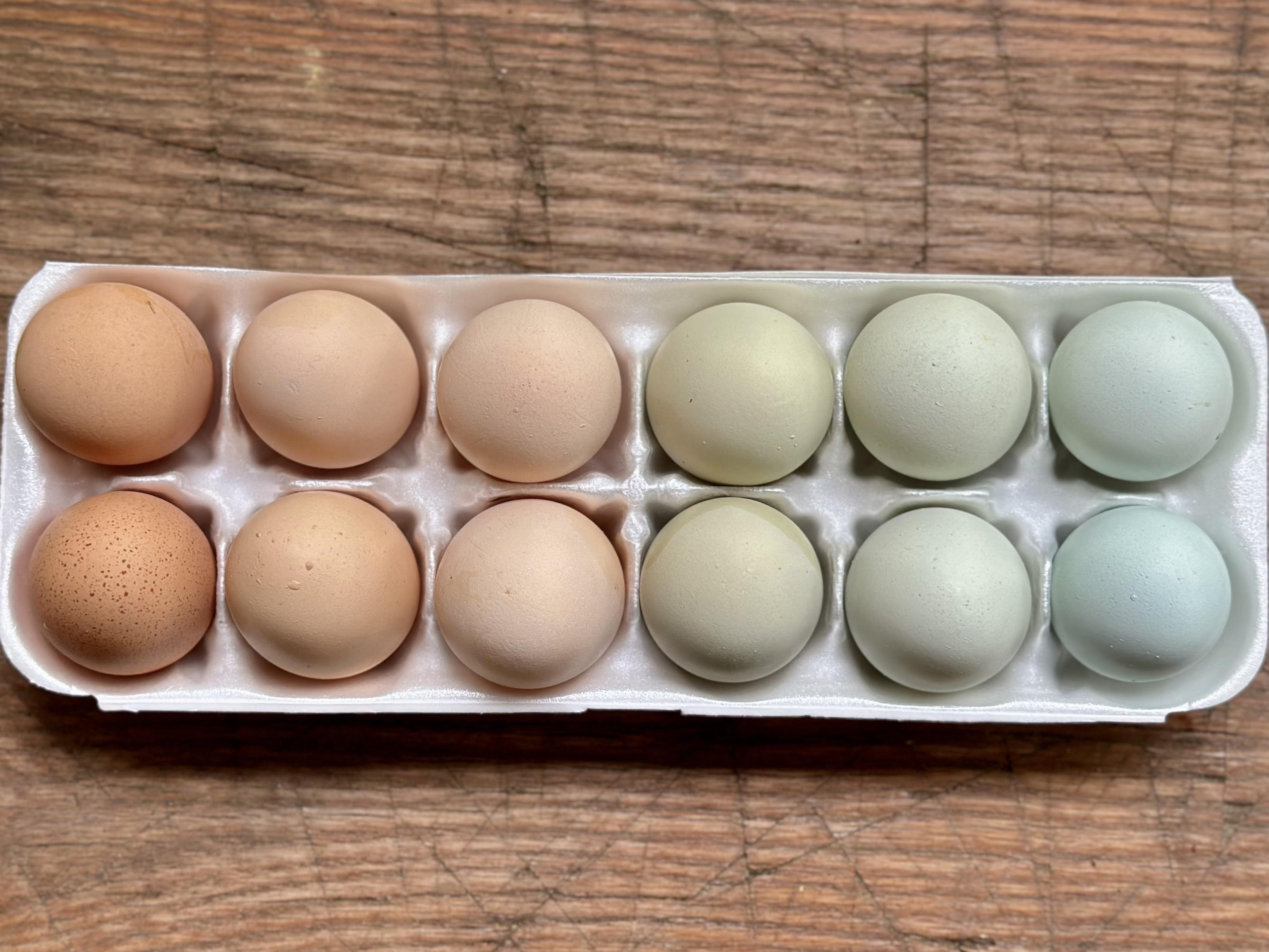
- Blue: Ameraucana, Cream Legbar, Araucana, many Easter Eggers
- Green to blue-green: Isbar (Silverudd Blue), many Easter Eggers, some Olive Egger lines skew greener
- Olive: Olive Egger (ask for parent egg colors)
- Dark brown to chocolate: Marans, Penedesenca, Barnevelder, Welsummer (often speckled)
If you are building a true rainbow carton, I love this combo for a beginner-friendly backyard flock: Ameraucana (blue), Isbar (green to blue-green), Marans (dark brown), and Welsummer (speckled brown). Four birds, four distinct looks in the basket, and generally sensible temperaments.
FAQ
Will my Easter Egger definitely lay blue or green eggs?
Not definitely. Many do, but because Easter Eggers are mixed-type birds, the egg color can vary. If you want certainty, buy from a breeder who can tell you what the hen line lays, or choose a true breed with a known egg color like Ameraucana or Cream Legbar.
Why did my dark brown eggs get lighter?
Very common with dark-brown layers like Marans. Eggs often start the season darker and gradually lighten. Heat, stress, and nutrition can also affect intensity. The hen is still the same bird, she is just not applying as heavy a pigment layer every single day.
Are blue eggs more nutritious?
No. Shell color does not change nutrition. The biggest nutrition factors are the hen’s diet, health, and overall management, not the paint color of the shell.
Can I feed something to make eggs bluer or greener?
You can improve shell quality with good nutrition, but you cannot reliably change a hen’s base shell color through feed. If you want different colors, the real solution is adding birds with the genetics for those colors.