A backyard keeper’s guide to when to use chick starter, move to grower, and switch to layer feed, plus safe timing, typical protein ranges, calcium, and comm...
The Cluck Loom
High-Protein Chicken Snacks for Fall Molting
Help your hens regrow feathers during fall molt with safe, protein-dense snacks like mealworms, black soldier fly larvae, and scrambled eggs, plus simple feeding tips that keep their diet balanced.

Maggie Harper
Maggie Harper is a passionate backyard chicken keeper with over a decade of hands-on experience raising mixed flocks. Through CluckLoom, she shares practical advice on coop building, flock health, and egg production to help beginners and seasoned enthusiasts alike raise happy, healthy chickens.
Published
October 22, 2026
Last updated
October 22, 2026
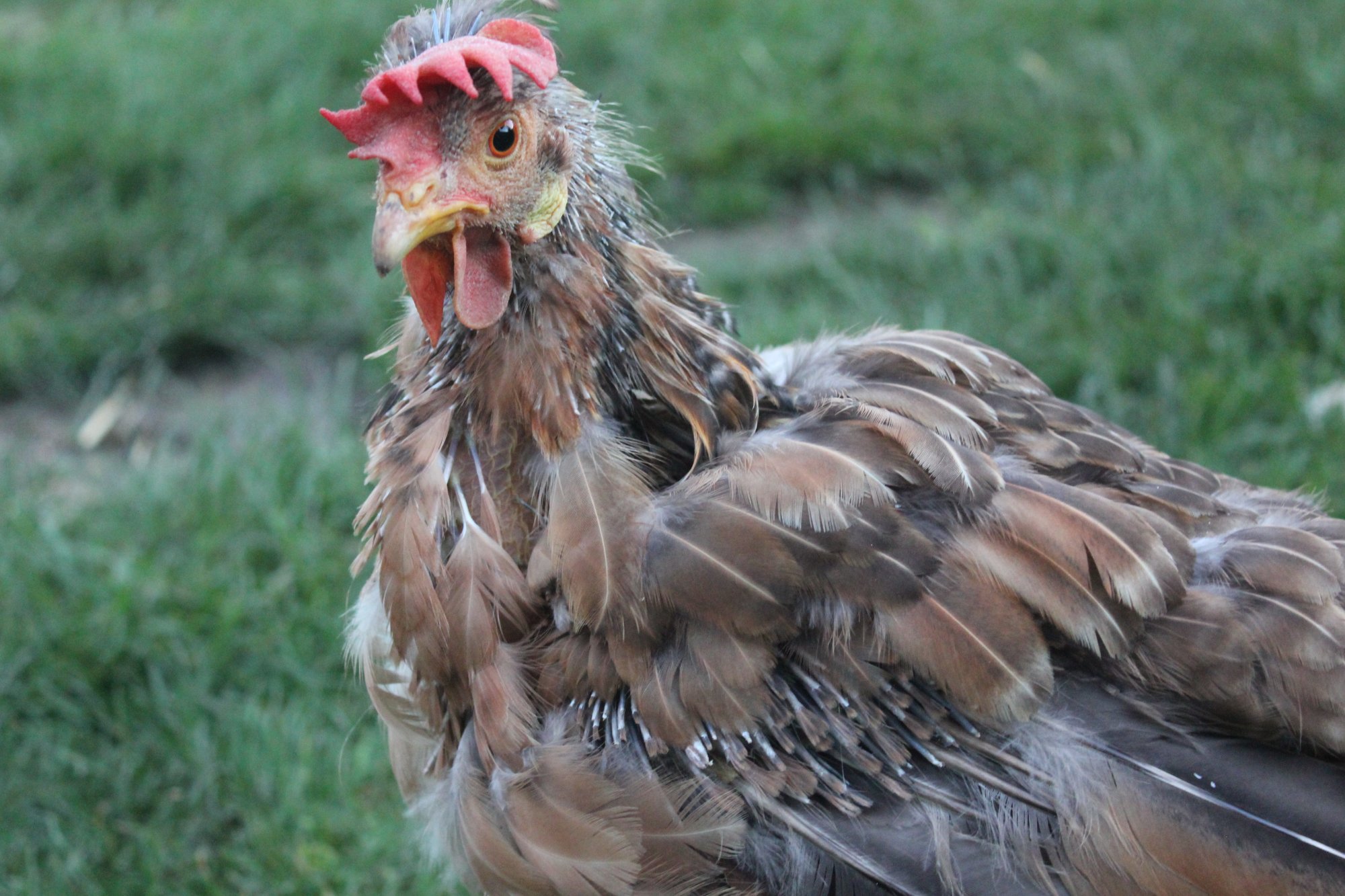
Every fall, my flock goes from “glossy calendar chickens” to “tiny dinosaurs in a pillow fight” almost overnight. That annual feather dump is normal, but it is also hard work for their bodies. Feathers are mostly protein, so when the molt hits, your birds suddenly need enough of it to rebuild what they are losing.
The good news is you do not need fancy supplements to help. A handful of the right high-protein snacks, offered thoughtfully, can support feather regrowth and help your flock bounce back faster.
Why protein matters during molt
Molting is when chickens replace old, worn feathers with new ones. Those new feathers are built primarily from keratin, a protein. When your hens are growing feathers, they are basically running a construction project all day long, and protein is the lumber.
One important note: a quality complete feed is already formulated to meet a chicken’s core nutritional needs, even when life gets a little scruffy. Think of extra protein treats as a helpful nudge, not a requirement or a replacement for balanced feed.
During molt you may notice:
- Reduced or stopped egg laying (very common)
- Cranky behavior because pin feathers can be tender
- Weight fluctuations or a “thin” look as they drop feathers
- Scruffy patches on neck, back, and around the tail
Pin feathers are those short, spiky “straws” you will see poking through. They are new feathers still in a protective sheath, and they can be sore if flockmates peck at them or you handle your bird too roughly.
A protein boost can help, but the goal is support, not turning snack time into the whole menu. Too many rich treats can dilute their balanced feed and create other issues, like loose droppings or unwanted weight gain once the molt ends.
Also, not every bald spot is a normal molt. If you see angry skin, scabs, lots of broken feather shafts, or one bird getting singled out, think parasites or feather picking and investigate early.
Start with the basics
Before we get to the snack bar, check your feed bag. If your flock is on a standard layer pellet (often around 16% protein, but brands vary), some keepers switch to an all-flock or flock raiser feed that is typically 18% to 20% protein during molt. Always check your label, because numbers vary more than people think.
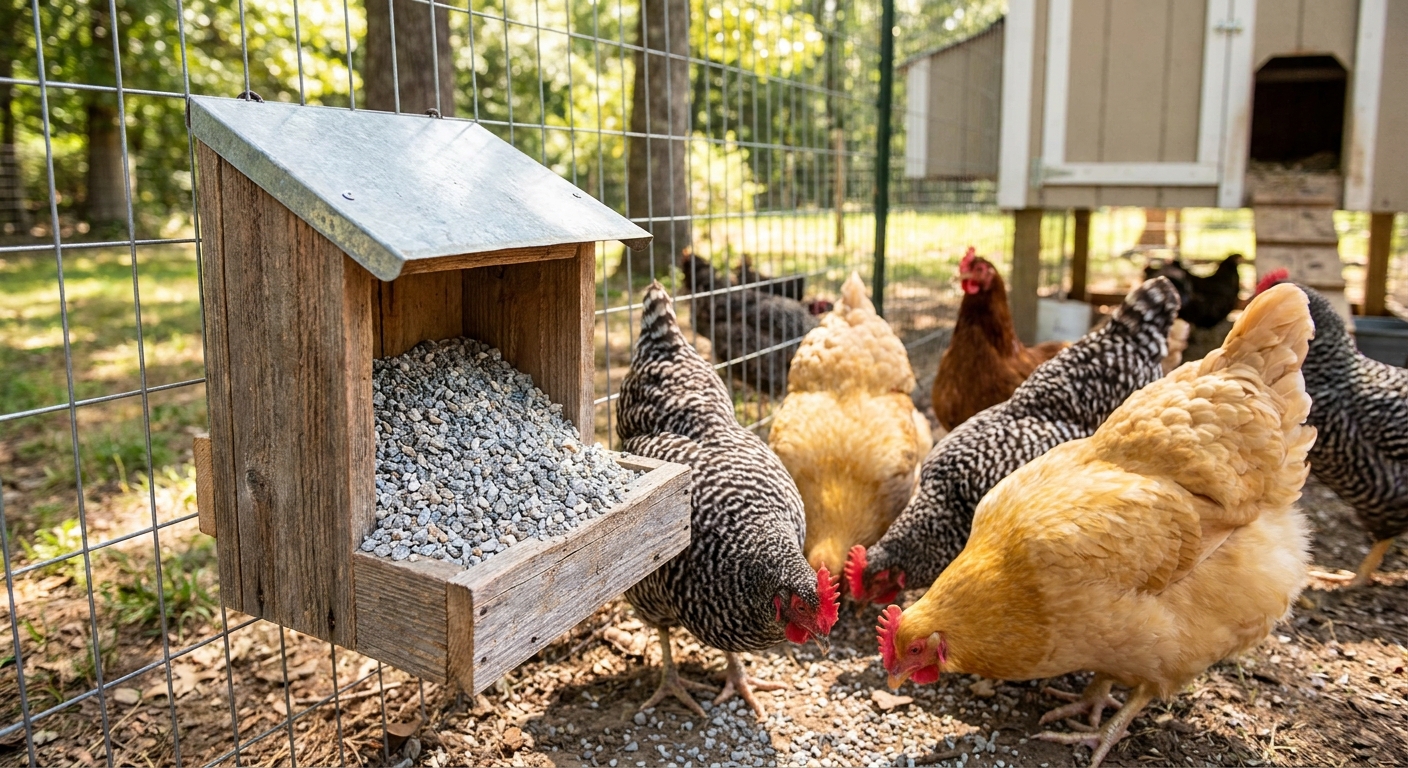
If you do switch off layer feed, offer oyster shell on the side for laying-age hens. This avoids pushing extra calcium on birds that are not laying much, especially in mixed flocks with roosters or younger birds.
To be clear, layer feed is not inherently dangerous for a hen who is actively laying. The calcium conversation mostly matters when you have birds that are not laying much (or not supposed to be on layer at all) sharing the same ration.
If you prefer not to switch feeds, that is fine. High-protein snacks can still help, as long as you keep them as treats, not replacements.
Best high-protein snacks
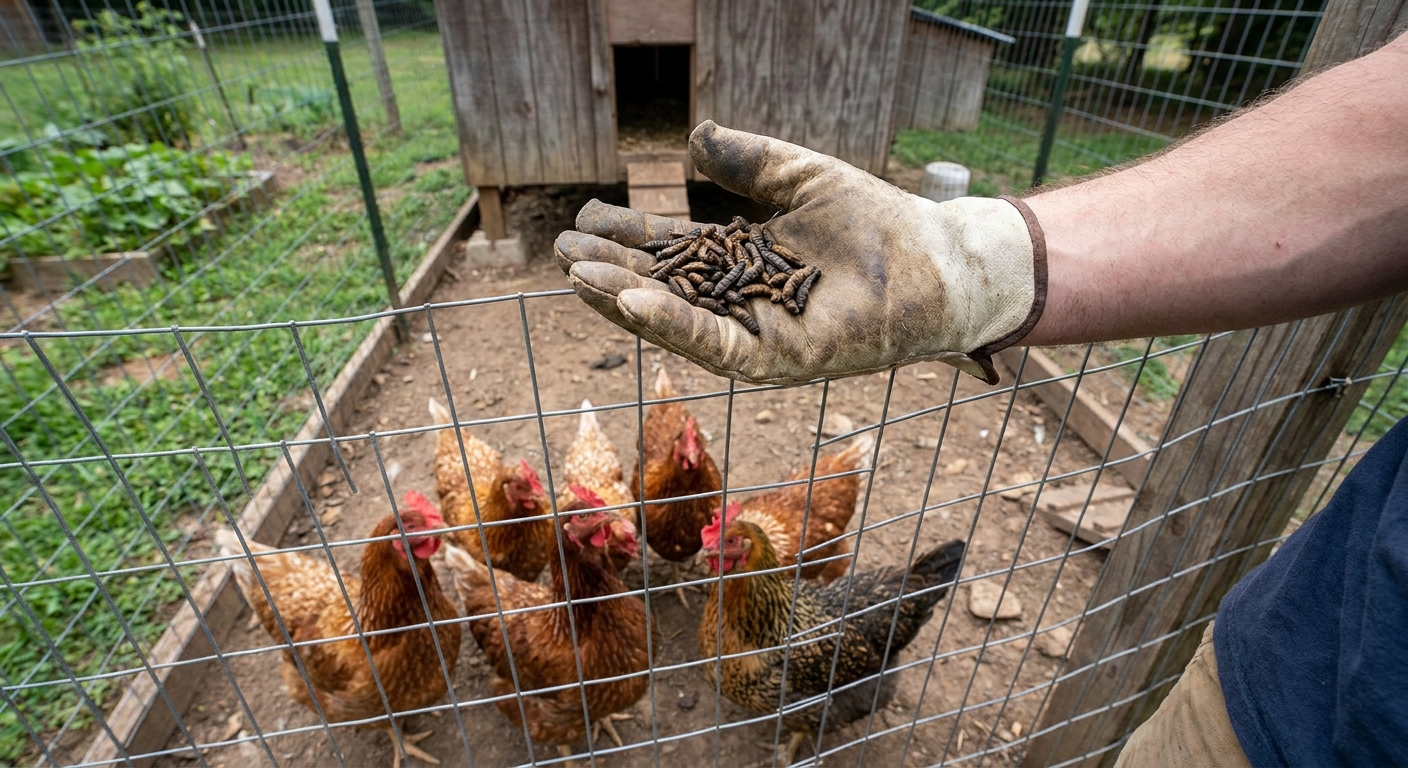
1) Black soldier fly larvae (BSFL)
If I could pick one molt-season treat to keep in the pantry, it would be black soldier fly larvae. They are protein-dense, easy to store, and chickens act like you just handed them gold.
- Why it helps: High protein for feather growth. Many products also contain meaningful calcium (some are calcium-fortified), but calcium levels vary by brand.
- How to serve: Toss a small handful per bird into the run or use it as a training treat.
- My tip: Scatter it wide. Molting birds can be touchy and lower-ranking hens get pushed out fast.
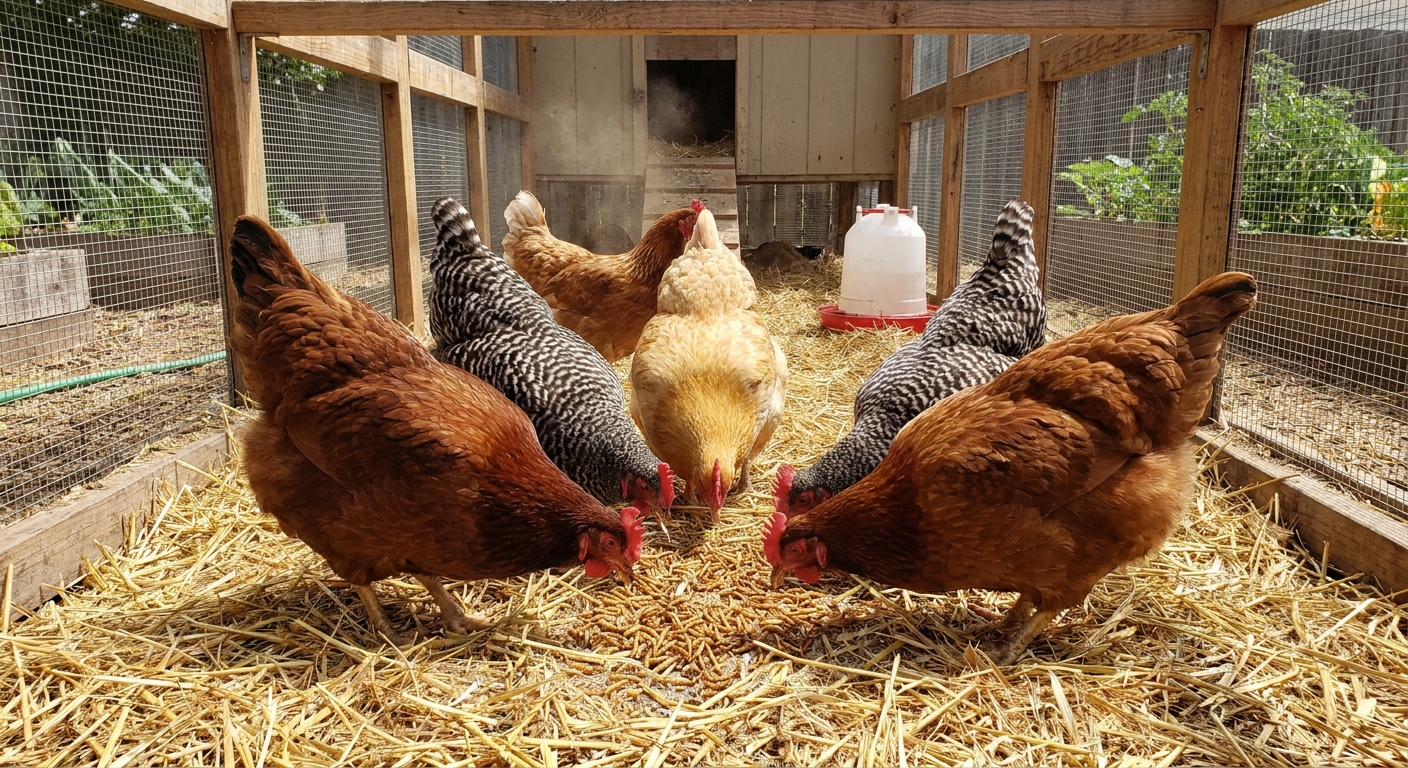
2) Mealworms (dried or live)
Mealworms are the classic chicken treat for a reason. They are convenient, very tempting, and great for bribing a flock back into the coop when daylight savings hits.
- Why it helps: Protein boost that most chickens love.
- How to serve: A small handful tossed onto scratch bedding, into a treat ball, or hand-fed to shy birds.
- Watch-outs: Easy to overdo. Dried mealworms are like chicken potato chips. Keep portions modest.
3) Scrambled eggs
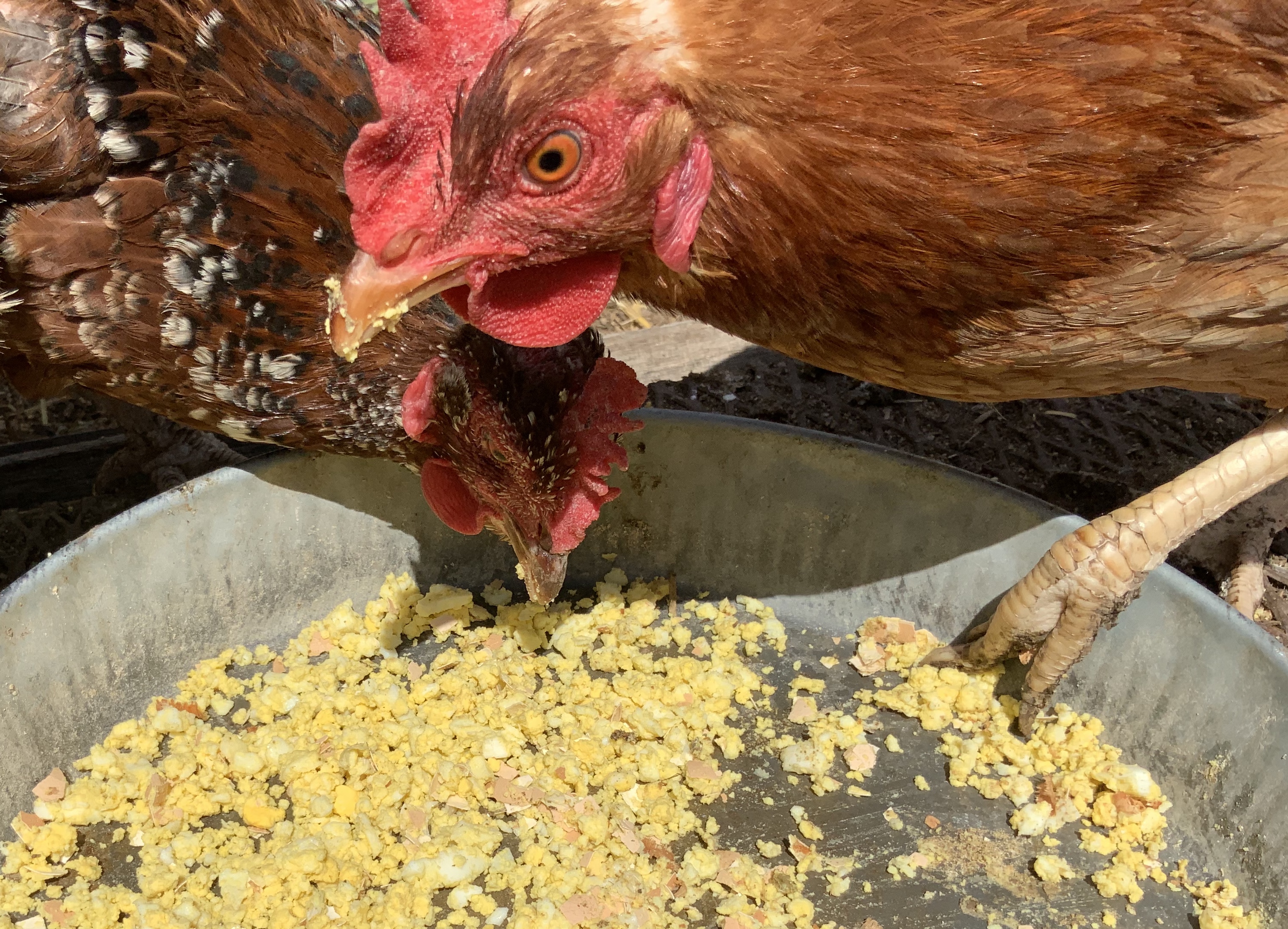
This one always makes new keepers pause, but chickens can absolutely eat eggs. During molt, scrambled eggs are one of the quickest, cheapest ways to offer high-quality protein.
- Why it helps: Complete protein with amino acids that support feather regrowth.
- How to serve: Scramble plain, no salt, no butter, no seasoning. Cool it, then crumble it into bite-size pieces.
- My tip: Serve it in a shallow dish and remove leftovers after 20 to 30 minutes, especially on warm afternoons.
4) Sardines or mackerel (water-packed, unseasoned)
This is my “break glass in case of dramatic molt” option. Fish is incredibly protein-dense and can be a lifesaver for a bird that looks rough, but it is also pungent and best used with a light hand.
- Why it helps: Big protein punch and healthy fats.
- How to serve: Water-packed only, and ideally no added salt. Skip smoke flavor, oils, and spicy seasonings. Offer a small amount, mashed and mixed with their regular feed.
- Watch-outs: Keep it occasional. Too much can upset digestion, attract raccoons and neighborhood cats, and in some cases may even make eggs taste a bit fishy.
5) Plain Greek yogurt or kefir (small amounts)
Fermented dairy is not a must, but in small quantities it can be a helpful support snack during molt, especially after stress or a mild digestive wobble.
- Why it helps: Adds some protein and may provide live cultures.
- How to serve: A few spoonfuls shared among the flock, plain and unsweetened. Mix with oats or crumble a little feed into it to reduce mess.
- Watch-outs: Chickens do not digest lactose well, so keep servings modest and skip it if it causes loose droppings.
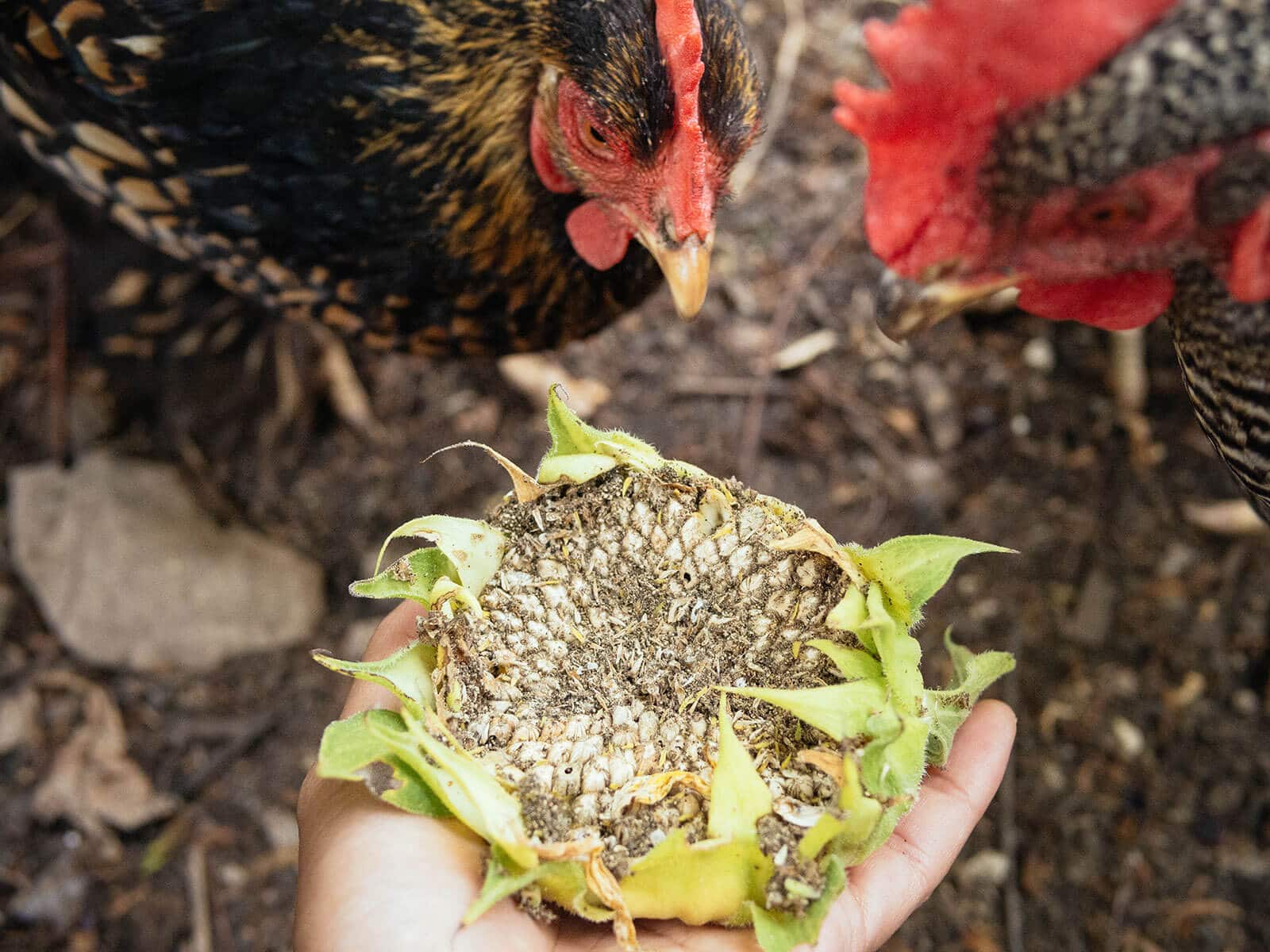
6) Sunflower seeds (especially black oil)
Sunflower seeds are not the highest protein option on the list, but they shine during fall because they also bring helpful calories and fats when temperatures start to drop. Think of them as more energy than protein.
- Why it helps: Extra energy for chilly evenings plus some protein for feather work.
- How to serve: Sprinkle a small amount in bedding for foraging or mix into a treat blend with BSFL.
- Watch-outs: Calorie-dense. Easy to make fluffy chickens fluffier.
7) High-protein kitchen extras
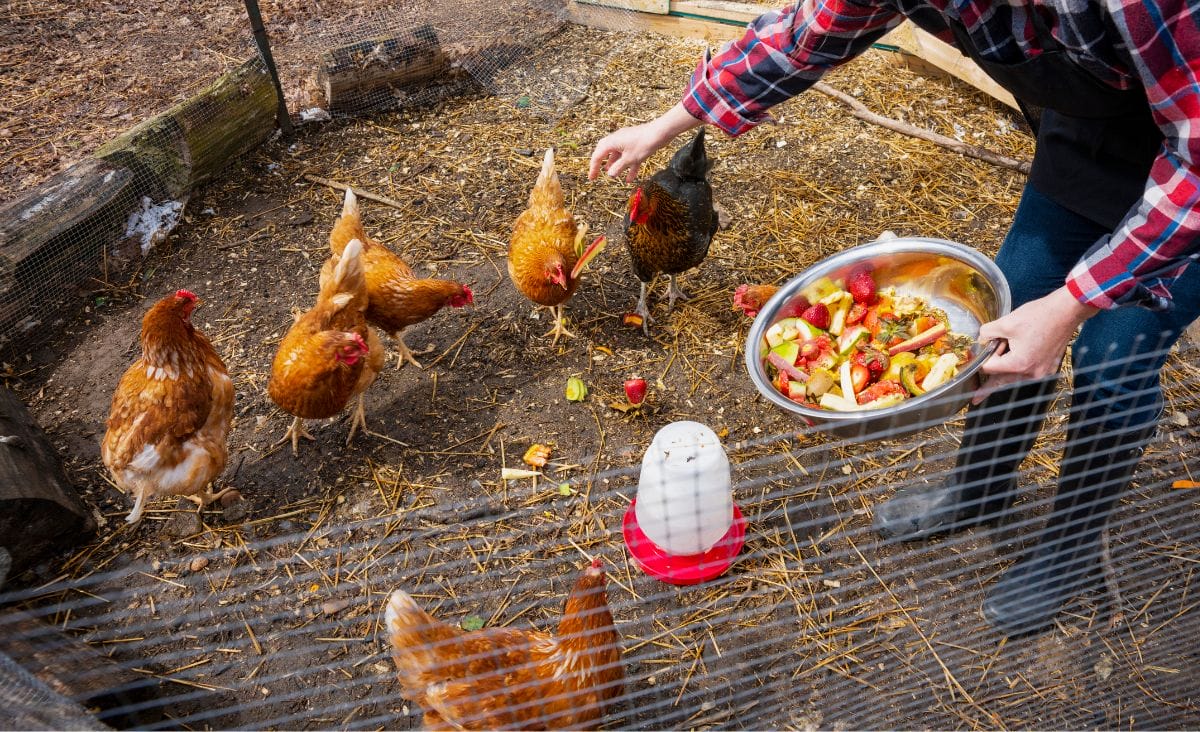
If you are already cooking, a few leftovers can help, as long as they are plain and not oily or salty.
- Good choices: plain cooked meat scraps (unseasoned), rinsed low-sodium canned beans, plain cooked lentils, small bits of plain fish
- Skip: salty deli meat, greasy pan drippings, anything spicy, moldy food, and anything with onion or garlic powder mixed in
If you are ever unsure, I stick to this rule: If I would not feed it to a toddler, I do not feed it to my chickens.
How much to feed
Treats should stay a minority of intake. A practical backyard guideline is to keep treats around 10% or less of what they eat in a day.
Here is what that looks like in real life:
- BSFL or mealworms: a small handful total for 4 to 6 hens, 3 to 5 days per week
- Scrambled eggs: 1 to 2 eggs worth for an average backyard flock, 1 to 2 times per week
- Fish: a few spoonfuls for the whole flock, once a week or less
- Sunflower seeds: a light sprinkle, especially on colder days
Molting birds still need their balanced feed most of all. If they fill up on treats, they miss out on vitamins and minerals that also matter for feather quality.
Tips for a smoother molt
Offer protein when they are hungriest
I like to do treats in the late afternoon after they have been into their regular feed all day. It reduces the chance they will snub their pellets and hold out for the good stuff.
Make sure everyone gets a chance
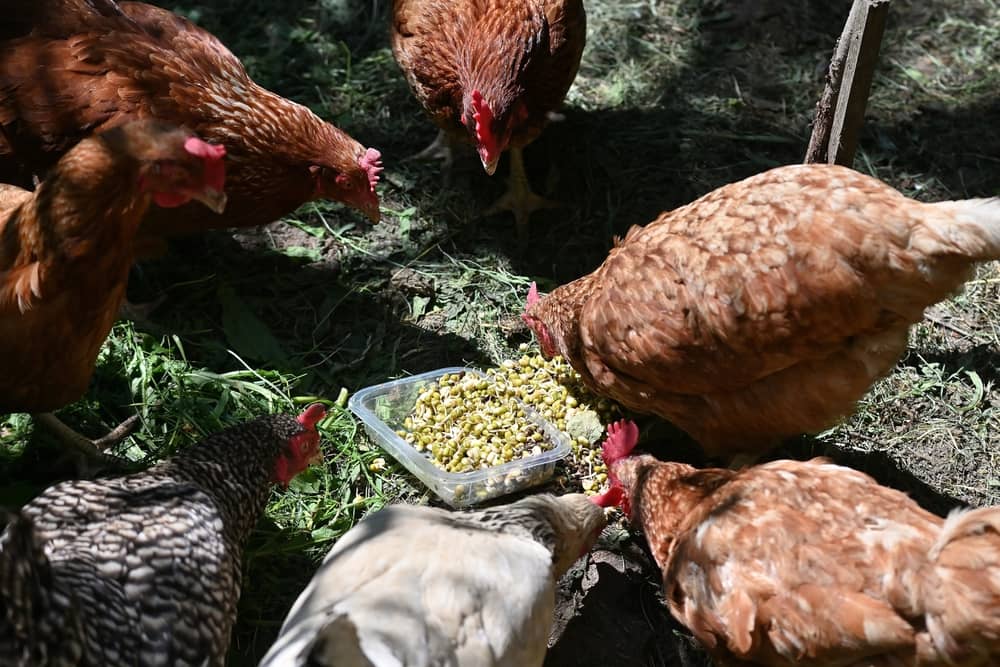
Molt can amplify pecking order drama. Spread treats out over a wide area, or set up two feeding spots. If you have a timid hen, hand-feed her a few bites while the bossy ladies are distracted.
Keep water and housing clean
Protein helps, but stress slows molting. Fresh water, dry bedding, and a draft-free roost do more than people think. I also check for mites during fall, because parasites can make a molt drag on and on.
Do not forget grit
If you are feeding more extras, especially grains or seeds, make sure they have access to grit so they can digest it properly.
What not to do
- Do not force extra light to push egg production while they are molting. Let their bodies focus on feathers.
- Do not overdo high-fat treats like lots of seeds, bread, or cheese. It can lead to weight gain and messy droppings.
- Do not feed moldy or spoiled protein foods (fish and dairy go off fast). Remove leftovers promptly.
- Do not ignore bullying. A molting bird with tender pin feathers may get picked on. Separate if needed.
Quick snack combos
- Feather Builder Toss: BSFL + a sprinkle of black oil sunflower seeds scattered in the run
- Rainy Day Protein Bowl: cooled plain scrambled eggs mixed with a small handful of pellets
- Training Treat: mealworms used one-by-one to reward coming when called
- Occasional Booster: a spoonful of mashed sardines mixed into feed, served quickly, bowl removed after
FAQ
How long does a fall molt last?
It varies by bird, age, and stress level, but many backyard chickens take 6 to 12 weeks to fully molt. Older hens, parasite issues, or other stressors can push it longer.
Will extra protein make my hens start laying again?
Protein supports feather regrowth, but it will not flip the switch on laying if their bodies are prioritizing molt. Most hens return to laying when they are finished and daylight increases or stabilizes.
Can roosters and non-laying hens eat these treats too?
Yes. In fact, molt is when an all-flock approach makes sense, since everyone is rebuilding feathers, not just layers.
When should I call a vet?
Yes. Molt should not cause severe lethargy, pale combs, labored breathing, significant weight loss, or open wounds. Also watch for bald patches with irritated skin, which can point to mites, lice, or feather picking. If something feels off, trust that instinct and get professional help.
My bottom line
Molting season is not glamorous, but it is a normal part of chicken life. A steady base diet does most of the work. Then a few smart, protein-dense snacks, especially black soldier fly larvae, mealworms, and plain scrambled eggs, can make a real difference in how quickly your flock looks and feels like themselves again.
And if your hens look like they lost a fight with a leaf blower, you are in good company. Mine do too, every single year.