Fire-safe winter coop setup: block drafts, keep ventilation up high, add deep bedding, and prevent frozen water. Practical steps that work in real backyards.
The Cluck Loom
Winter Chicken Nutrition
Keep your flock warm from the inside out with smart winter feed tweaks: higher-energy grains, suet blocks done safely, and practical treat guidelines that support steady egg production and healthy body weight.

Maggie Harper
Maggie Harper is a passionate backyard chicken keeper with over a decade of hands-on experience raising mixed flocks. Through CluckLoom, she shares practical advice on coop building, flock health, and egg production to help beginners and seasoned enthusiasts alike raise happy, healthy chickens.
Published
October 22, 2026
Last updated
October 22, 2026
The first winter I kept chickens, I thought “cold-proofing” meant piling on straw and calling it good. Then I watched my three Rhode Island Reds burn through feed like tiny feathered furnaces and I realized something important: winter comfort starts in the coop, but winter survival starts in the feed pan.
Chickens generate heat by digesting food. When temperatures drop, they often need more calories and a little more strategy from us, especially if you’re dealing with wind, wet snow, or short daylight hours. Below are my go-to nutrition adjustments for cold weather, including the grains that actually help, suet blocks (the right way), and treat ideas that keep your flock busy without turning your hens into fluffy butterballs.
What changes in winter
In cold weather, your flock’s priorities shift:
- Staying warm takes energy. Digestion produces body heat, so birds naturally eat more when it’s cold.
- Egg production often slows. Short daylight reduces laying, and many hens redirect nutrients to maintenance rather than eggs.
- Water becomes a nutrition issue. Dehydration can drop feed intake fast. If the water freezes, they often eat less and may struggle to maintain weight and warmth.
- Activity levels change. A bored flock standing around burns fewer calories than one scratching, foraging, and moving.
Your job is to support steady intake and balanced nutrition, not just throw “more treats” at the problem.
The winter baseline
If I could put one sign over every winter run, it would say: complete feed before treats.
For most backyard flocks, a solid winter baseline looks like this:
- Layer feed (typically around 16% protein) as the main diet for actively laying hens.
- All-flock feed if you have mixed ages, roosters, or you’re managing calcium separately. Offer oyster shell free-choice for layers.
- Constant access to feed in winter is common and often helpful. If you’re a measured-feeding person, be prepared to increase the daily amount.
If your hens are molting, very young, or recovering from illness, protein needs can be higher. In those cases, I prefer upgrading the main feed (or offering a higher-protein all-flock) rather than leaning on random snacks.
Warming grains
“Warming grains” is backyard chicken shorthand for foods that encourage scratching and provide quick energy. The goal is not a sugar rush. It’s extra calories plus activity, timed to support overnight warmth.
Scratch grains
Scratch is usually a mix of cracked corn, wheat, milo, or barley. It’s great for winter because it:
- encourages movement and foraging behavior
- adds easy calories
- keeps boredom pecking down when the ground is frozen
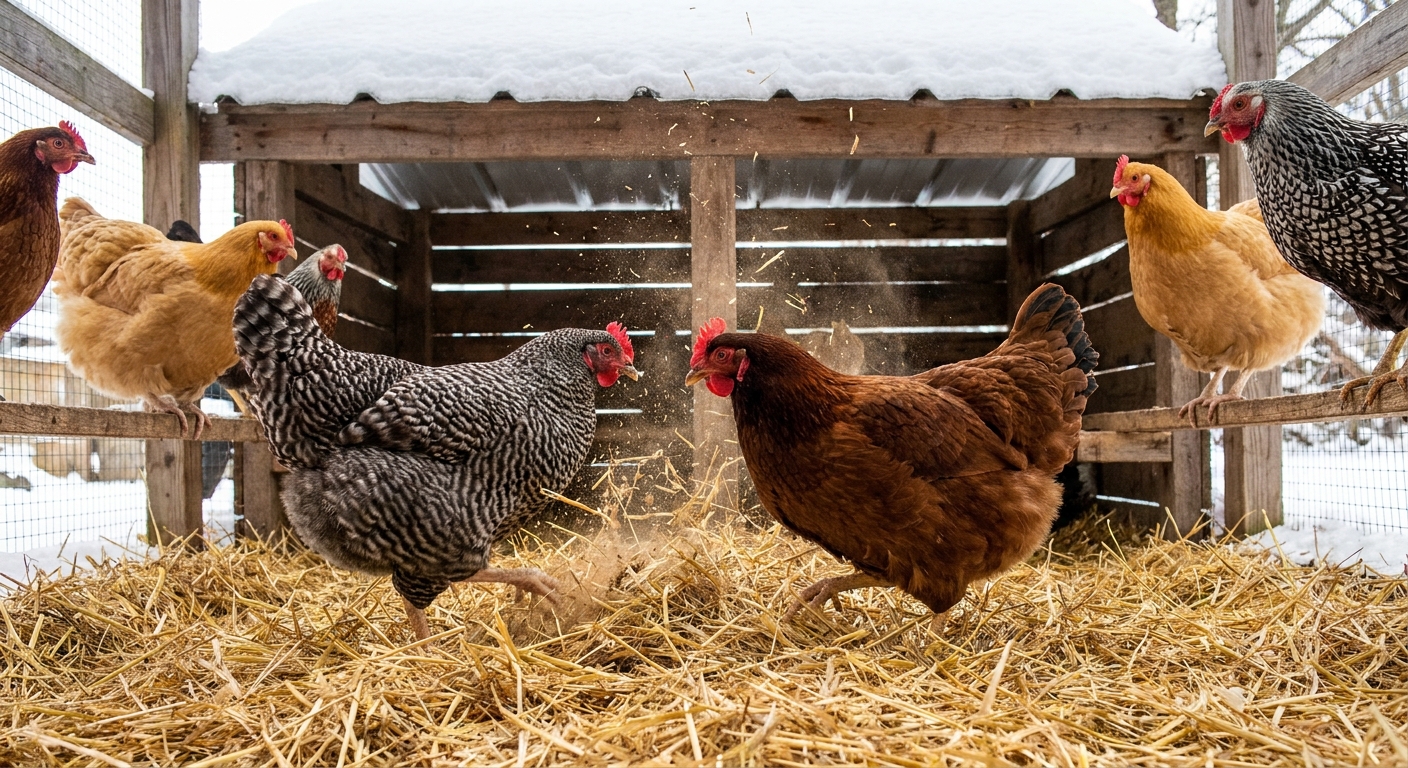
How I use it: I toss a small amount into dry bedding or the run in late afternoon so the flock scratches before roosting.
Portion guideline I stick to: treats (including scratch) should generally stay under about 10% of daily intake. As a rough, real-world example, for 4 to 6 hens I’m usually in the neighborhood of 2 to 4 tablespoons of scratch total, not a cereal bowl full. If it disappears in two seconds and they are still yelling, that does not mean they need more, it means they like it.
Cracked corn
Cracked corn is popular because it’s calorie-dense. The heat your chickens feel comes from digestion, not from corn being “hot.” Corn can help, but it’s easy to overdo and dilute vitamins and protein if it becomes the main event.
Best timing: a modest corn-based scratch in the late afternoon can be a nice overnight support.
When to be careful: if your hens are already gaining weight, if you have heavy breeds that pack on pounds easily (hello, my Orpingtons), or if egg production is struggling and you’re tempted to “treat harder.”
Whole and sprouted grains
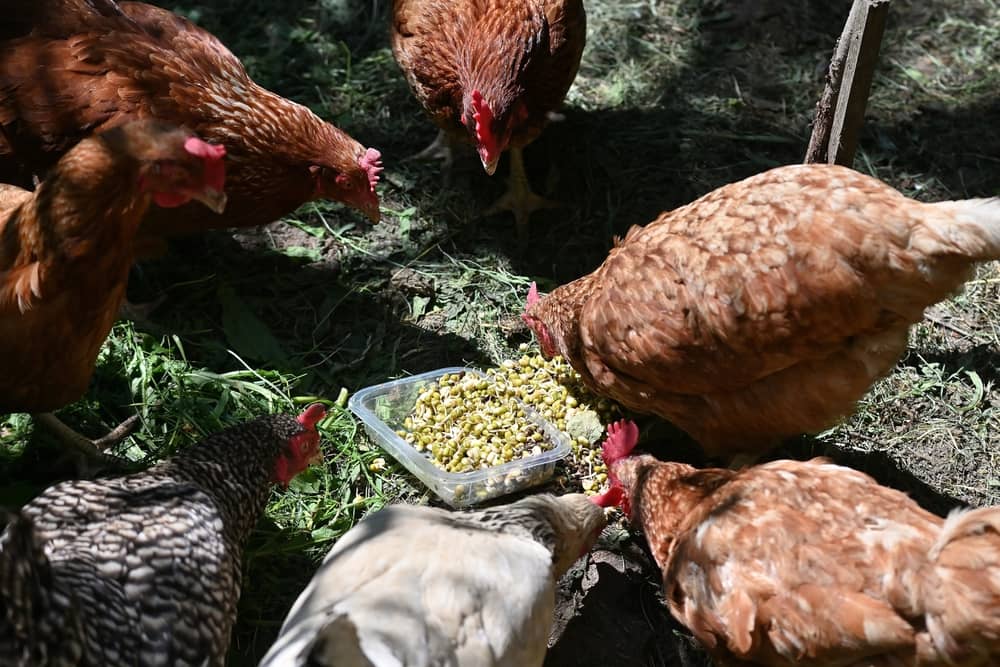
Whole oats, wheat berries, or barley are great winter options when you want a little energy without leaning entirely on corn. Sprouted grains add enrichment and some fresh-greens vibes when the yard looks like a frozen parking lot.
My note on sprouts: offer them as a supplement, not a replacement. They’re fun and nutritious, but they’re still not a complete ration.
Suet blocks
Suet blocks can be a smart winter tool because fat is energy-dense. They can also become a messy, moldy headache if they’re poorly made or offered in a way that turns into a greasy free-for-all.
What to look for
- Simple ingredients. Animal fat plus grains or seeds is fine. Skip anything with a long, mystery list.
- Avoid common wild-bird add-ins. Skip chocolate and heavily flavored or seasoned blocks.
- Go easy on sugary extras. Dried fruit and sweet binders can turn a treat into candy, and they do not add anything your chickens truly need.
How to offer it
- Hang it or use a secured feeder. This slows intake and keeps it cleaner.
- Offer in short windows. Think “winter snack,” not “24/7 buffet.”
- Keep it dry. If it gets wet, toss it. Wet fat plus bedding is a spoilage party.
- Watch the pecking order. If one boss hen guards it, break the block into two hang points or skip it.
My practical rule: suet is for cold snaps or bitter stretches, not necessarily for every mild winter day. If daytime temps are hovering around 40°F to 50°F, your flock may do perfectly well on normal feed with a little scratch for entertainment.
High-energy treats
I’m not anti-treat. I’m anti-treats-that-replace-dinner. Here are options I like because they provide calories and something useful like protein or enrichment.
Black oil sunflower seeds (BOSS)
These are a winter favorite for a reason: fat plus some protein, plus they keep birds busy. Offer as a small sprinkle, especially on very cold days. For a typical backyard flock, I keep it modest, around 1 tablespoon per 4 to 6 hens as a treat add-on, not a daily topping bar.
Mealworms
Mealworms are protein-heavy and irresistible. Great for training, coop checks, and boosting protein in moderation. Too many can throw off balance, and your chickens will absolutely attempt to unionize for more.
Cooked eggs
Scrambled or hard-boiled eggs are a simple protein boost, especially during molt or cold stress. I crumble them and spread them out so everyone gets a share.
Warm mash
A warm mash can be comforting and helps get birds eating early. It does not “heat the chicken” for long, but it can encourage intake and add a little hydration when everything feels frozen solid.
- Mix layer or all-flock crumbles or pellets with warm water until it’s oatmeal-thick.
- Serve immediately and remove leftovers after 20 to 30 minutes.
- Do not leave wet feed sitting in freezing temps or in a damp coop.
Winter greens
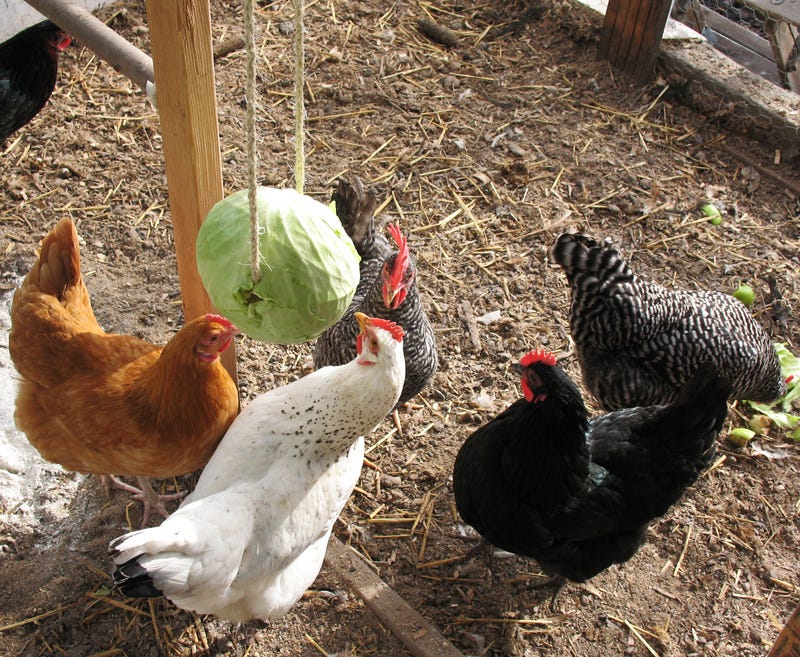
Store-bought greens can keep boredom down: cabbage hung from a string, romaine, kale, or a tray of wheatgrass. Greens are not “warming,” but they support overall health and keep birds occupied when they’re snowed in.
Changes that matter more
1) Water is non-negotiable
Chickens eat less when they drink less. If water is frozen for long stretches, feed intake often drops and so does their ability to keep weight on in the cold.
- Use a heated waterer base or a safe heated poultry waterer.
- Place water where it stays clean and does not turn into muddy, manure-soaked bedding.
- Check it morning and late afternoon during hard freezes.
2) Time treats for bedtime
I like offering the day’s “fun” calories (scratch, a little seed, suet time) in the late afternoon. They scratch, fill up, and the overnight digestion helps them stay warmer on the roost.
3) Make room for movement
A winter run with dry footing is basically a treadmill your chickens will use willingly if you set it up right.
- Deep litter in the coop or dry straw in the run encourages scratching.
- Toss treats into bedding so they work for it.
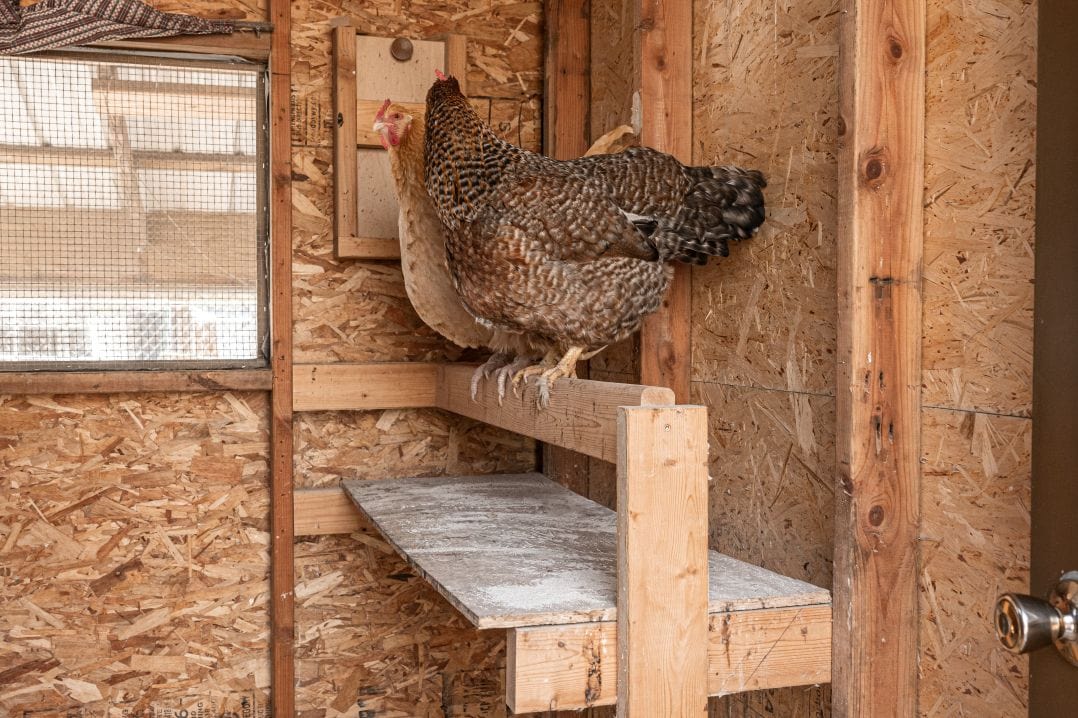
- Add simple roost bars or a low platform for hopping and perching.
4) Calcium stays consistent
If your hens are still laying, keep oyster shell available free-choice. Offer it separately so only the birds who need it take it. Chicks and growers do not need oyster shell as a daily add-on, and it is not a substitute for grit.
Do not try to “fix” thin shells with random supplements if the real issue is reduced daylight or overall stress.
5) Fix the setup first
If your coop is drafty or wet, no treat will out-nutrition a bad setup. Seal drafts at roost level, keep bedding dry, and focus on safe ventilation. Then fine-tune calories.
How to tell it’s working
Here’s what I watch in my own mixed flock, especially during long cold stretches:
- Body condition: you should be able to feel the keel bone without it being sharp like a knife. In winter, a quick hands-on check once a week catches problems early.
- Energy level: bright eyes, active scratching, normal curiosity.
- Droppings: consistent, not watery for days on end.
- Comb and feet: healthy color, no signs of frostbite.
- Feather condition: fluffed is normal in cold, but persistent puffed-up lethargy is not.
If you notice weight loss, persistent diarrhea, dramatic appetite changes, or a hen who is parked in one spot like a sad lawn ornament, treat that as a health check moment, not a “she needs more corn” moment.
Common winter mistakes
- Overdoing scratch. Too much dilutes protein and vitamins and can lead to weight gain and fewer eggs.
- Leaving wet treats out. Warm mash, fruit, or veggie scraps can spoil fast, even in cold weather if it sits and thaws.
- Assuming more fat fixes everything. If your coop is drafty or wet, no treat will out-nutrition a bad setup.
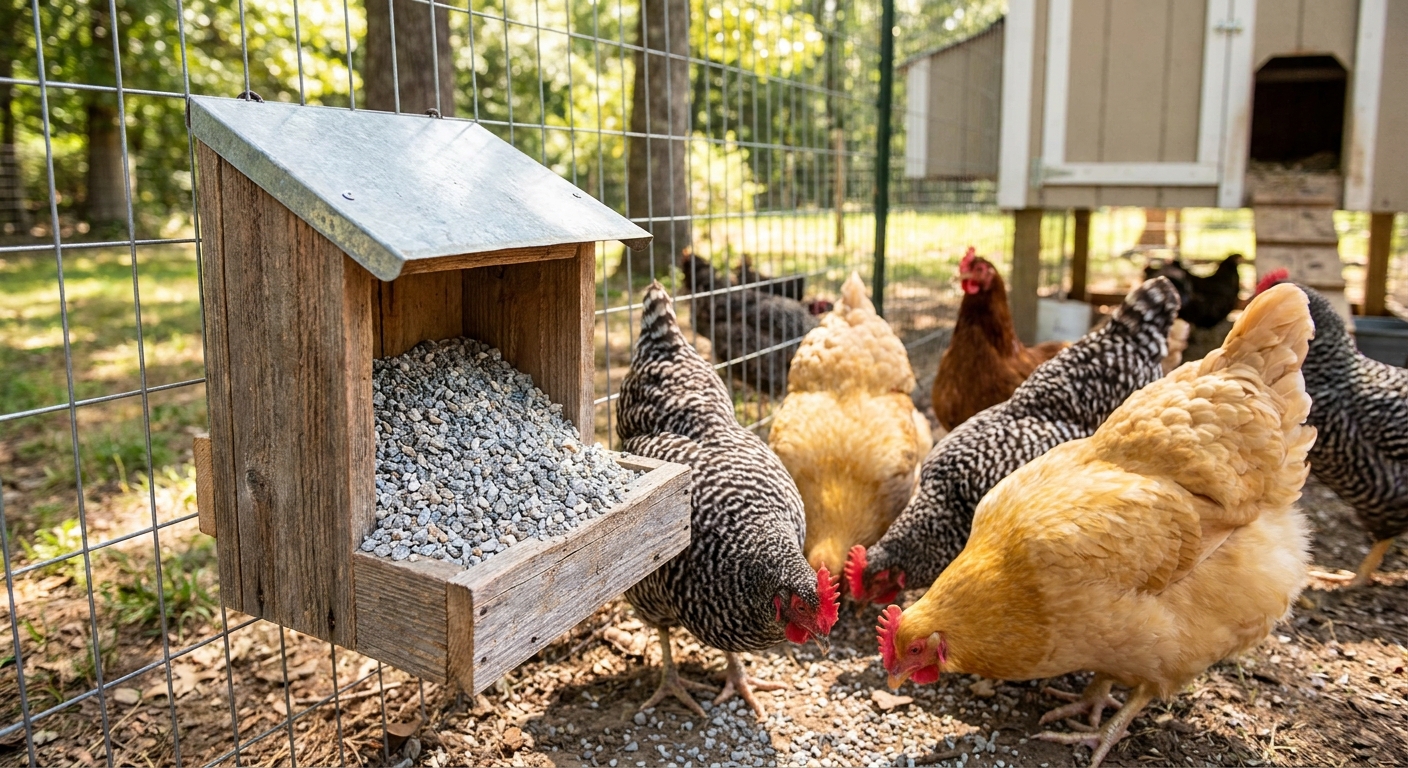
- Forgetting grit. If your flock is eating whole grains, scratch, or kitchen scraps and they cannot access natural grit due to snow, offer insoluble grit in a separate dish.
Quick winter plan
If you want a simple routine that keeps you from going treat-happy:
- Morning: fresh water check, full feeder with complete feed
- Midday (optional): hang a cabbage or offer a small portion of greens
- Late afternoon: small scratch toss into bedding, or 15 minutes of suet access during cold snaps
- Once or twice a week: warm mash made from their regular feed, served and removed promptly
This keeps the nutrition foundation strong while still giving your flock winter entertainment and extra calories when they need it.
Winter nutrition FAQ
Should I switch to a higher-protein feed in winter?
Not always. If your hens are laying normally and holding weight, a standard layer feed is fine. If they’re molting, recovering, or you’re seeing weight loss, consider a higher-protein option or an all-flock feed with protein support, and keep treats modest.
Do chickens need extra corn to stay warm?
They need enough calories overall, and corn can be part of that. But it’s not required, and too much can reduce diet quality. Think “small late-afternoon boost,” not “all-you-can-eat corn bar.”
Can I feed wild bird suet blocks to chickens?
I avoid most wild bird suet because it may contain ingredients that do not make sense for chickens, like chocolate, heavy flavorings, or sugary dried fruit. Choose a simple, chicken-appropriate suet or make your own with known ingredients, and offer it in moderation.
What’s the best winter treat for egg production?
Treats do not reliably increase laying in winter because daylight is the biggest driver. Focus on complete feed, steady water, and overall body condition. If you want one treat with a nutritional point, choose sunflower seeds or a little scrambled egg.