Meet 7 calm, affectionate chicken breeds that often do well with children, plus practical tips for safe handling, flock setup, hygiene, and avoiding common s...
The Cluck Loom
Quiet Chicken Breeds for City Backyards
Want hens without the neighborhood noise? Meet the quietest chicken breeds for urban and suburban coops, plus tips to keep your flock calmer and more neighbor-friendly.

Maggie Harper
Maggie Harper is a passionate backyard chicken keeper with over a decade of hands-on experience raising mixed flocks. Through CluckLoom, she shares practical advice on coop building, flock health, and egg production to help beginners and seasoned enthusiasts alike raise happy, healthy chickens.
Published
October 22, 2026
Last updated
October 22, 2026
If you have close neighbors, a small yard, or an HOA that keeps a close eye on the rules, chicken noise matters. The good news is that you do not have to give up fresh eggs just because you share a fence line. Some breeds are naturally more mellow and less chatty, especially when you keep a hens-only flock and set your coop up to prevent the usual reasons for yelling.
I started with three Rhode Island Reds and a very optimistic little coop, and I learned fast that “chicken noise” is not one thing. There is happy murmuring, there is the egg song, and there is the “I saw something move” alarm call. Picking calmer breeds helps a lot, but your management does, too. Let’s stack the deck in your favor.
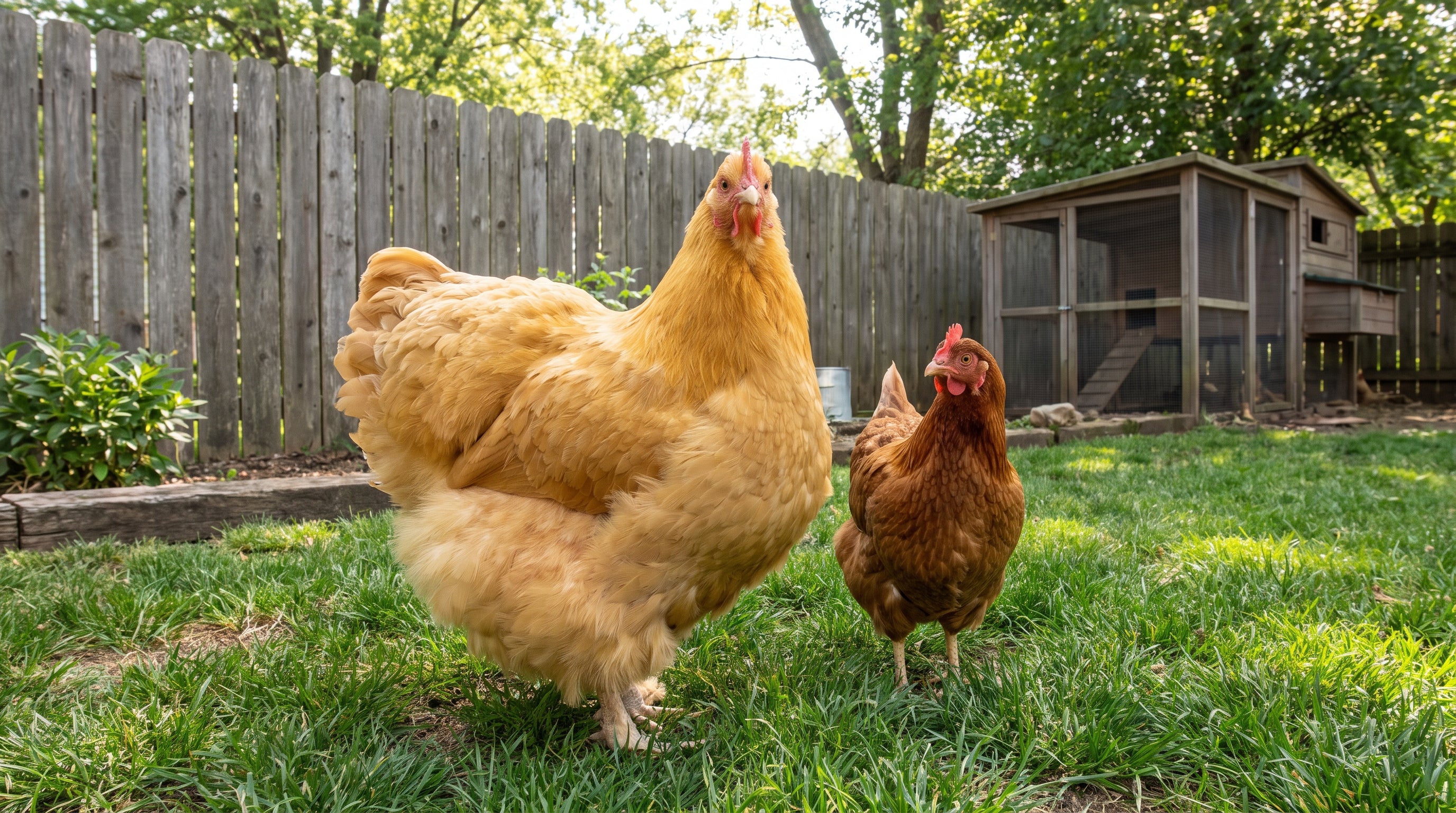
First, what counts as quiet?
Even the quietest chicken will still make chicken noises. What you are really shopping for is lower volume, less frequent vocalizing, and a calmer temperament that does not spiral the whole flock into an announcement every time a leaf falls.
- Hens vs. roosters: Most noise complaints involve roosters because crowing carries. That said, hens can still rack up complaints during laying time if the egg song is loud or your neighbors are very close.
- Egg song reality check: Many hens sing after laying. In a quiet breed, it is usually shorter and less piercing, but it is not zero.
- Flock energy: High-strung birds tend to be louder. Calm birds tend to be quieter, and they do not set each other off as easily.
Quiet chicken breeds for city yards
These are the breeds I steer city and suburb keepers toward when “keep it peaceful” is the main goal. Individual birds vary, of course, but these tend to be reliably mellow.
1) Orpington
If I could pick a single breed to charm a nervous beginner and soothe a suspicious neighbor, it would be an Orpington. They are gentle, fluffy, and usually content to chat softly while they wander.
- Noise level: Low to moderate, generally calm voices
- Temperament: Friendly, easygoing
- Eggs: Good brown egg layers
- Best for: Families, small flocks, relaxed coops
2) Australorp
Australorps are quietly hardworking. They tend to keep their feelings to themselves and just get on with the business of being a chicken, which is exactly the vibe you want when houses are close together.
- Noise level: Low
- Temperament: Steady, calm
- Eggs: Excellent brown egg layers
- Best for: “I want eggs and peace” households
3) Cochin
Cochins are big, soft, and generally unbothered. They are not usually the leaders of a neighborhood choir. They are also less likely to take off like a rocket if something startles them.
- Noise level: Low
- Temperament: Sweet, docile
- Eggs: Moderate production overall, and many slow down in winter like most breeds
- Best for: Pet-like backyard hens, calm mixed flocks
4) Brahma
Brahmas are gentle giants, and they tend to bring a calm, grounded energy to a flock. Less frantic energy usually means less frantic noise.
- Noise level: Low to moderate
- Temperament: Calm, tolerant
- Eggs: Good brown eggs, often dependable in cooler weather
- Best for: Suburban yards with a bit more space
5) Wyandotte
Wyandottes can be wonderfully steady birds and are often quieter than many popular production hybrids. In my experience, they do best when they are not crowded and the pecking order is stable.
- Noise level: Low to moderate
- Temperament: Confident, sometimes a little bossy
- Eggs: Good to solid brown egg production
- Best for: Keepers who want a hardy bird without a lot of drama
6) Ameraucana and Easter Egger types
Not every blue-egg layer is quiet, but many Ameraucanas and Ameraucana-type mixes have a pleasant, moderate voice and a thoughtful temperament. True Ameraucanas reliably lay blue eggs. “Easter Egger” is a mixed-type label, so egg color and personality can vary more from bird to bird. Many are more “curious and chatty” than “loud and demanding,” which neighbors usually tolerate better.
- Noise level: Low to moderate
- Temperament: Curious, generally even-tempered
- Eggs: Ameraucana blue; Easter Eggers can be blue, green, or sometimes tinted
- Best for: Keepers who want color eggs without the chaos
7) Silkie
Silkies are typically very quiet and very sweet, though they are not egg machines. If your priority is “peaceful backyard pets that happen to lay sometimes,” they are a solid choice.
- Noise level: Low
- Temperament: Gentle, can be timid
- Eggs: Lower production, smaller eggs
- Best for: Quiet coops, calm companions, broody moms
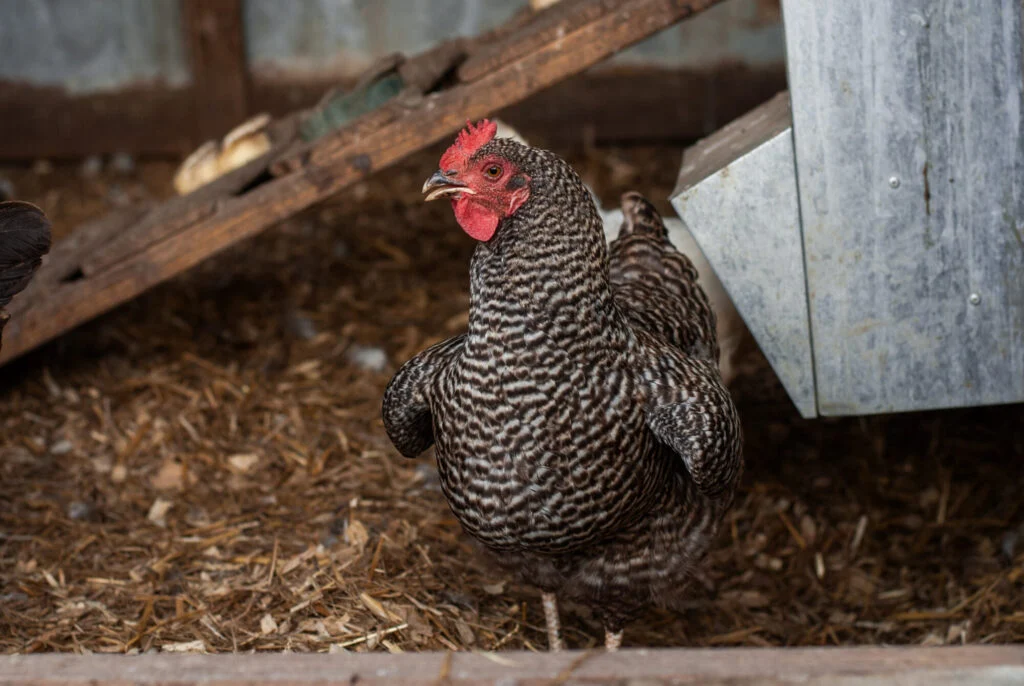
Breeds that can be louder
I am not here to villainize any chicken, but some breeds are simply more vocal or more reactive. If you are trying to keep things low-profile, consider these think-twice picks:
- Very high-production hybrids: Often busy, hungry, and quick to complain if anything is late.
- High-alert Mediterranean types: Some slimmer, flightier breeds can be more reactive, which leads to more alarm calls.
- Any rooster: Even a “quiet” rooster is still a rooster. Crowing carries.
If you already have a louder breed, do not panic. Management changes often make a bigger difference than swapping birds.
Check the rules first
Before you bring home chicks, do a quick reality check on your local ordinances and any HOA guidelines. Many areas allow hens but not roosters, limit flock size, or require a coop setback from property lines. Knowing the rules up front saves you from building a coop you have to move later.
How to keep a flock quieter
Noise usually spikes because something is uncomfortable, unstable, or exciting. Calm the cause, and the volume drops.
Give them enough space
Crowding is one of the fastest ways to get pacing, squabbling, and loud complaining. A good baseline is about 4 square feet per standard hen inside the coop and 10 square feet per hen in the run. More space is rarely a bad idea, especially in a small suburban yard where your birds cannot free range much.
Keep them secure from predators
A flock that feels hunted will sound hunted. In suburbia, that can be raccoons at night, hawks during the day, or even a neighbor dog pacing the fence.
- Use a solid latch system and cover run tops if aerial predators are common.
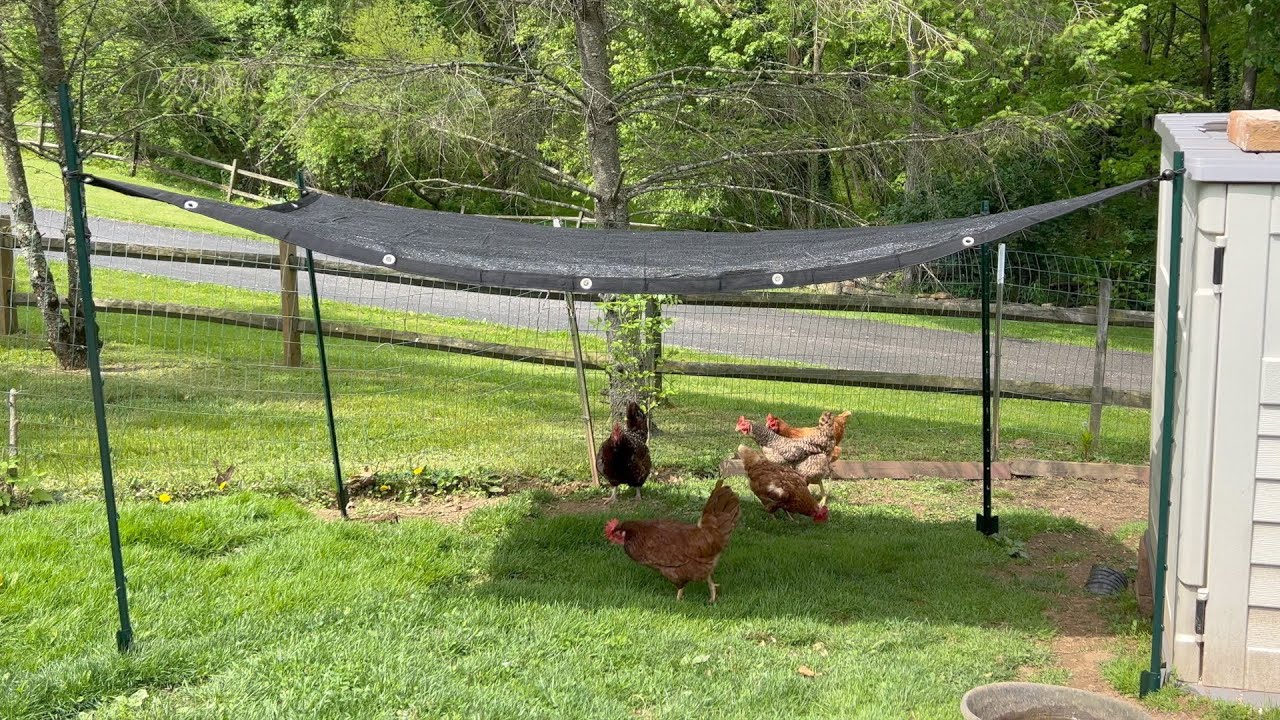
- Add a sheltered area in the run so hens have somewhere to retreat.
- Reduce nighttime stress with good ventilation and a dark, safe coop.
Avoid boredom in small spaces
Cooped-up chickens invent problems, and then they announce those problems loudly.
- Hang a cabbage or treat skewer to peck at.
- Scatter-feed a portion of scratch in deep litter so they can forage.
- Add a low perch, a stump, or a dust bath area in the run.
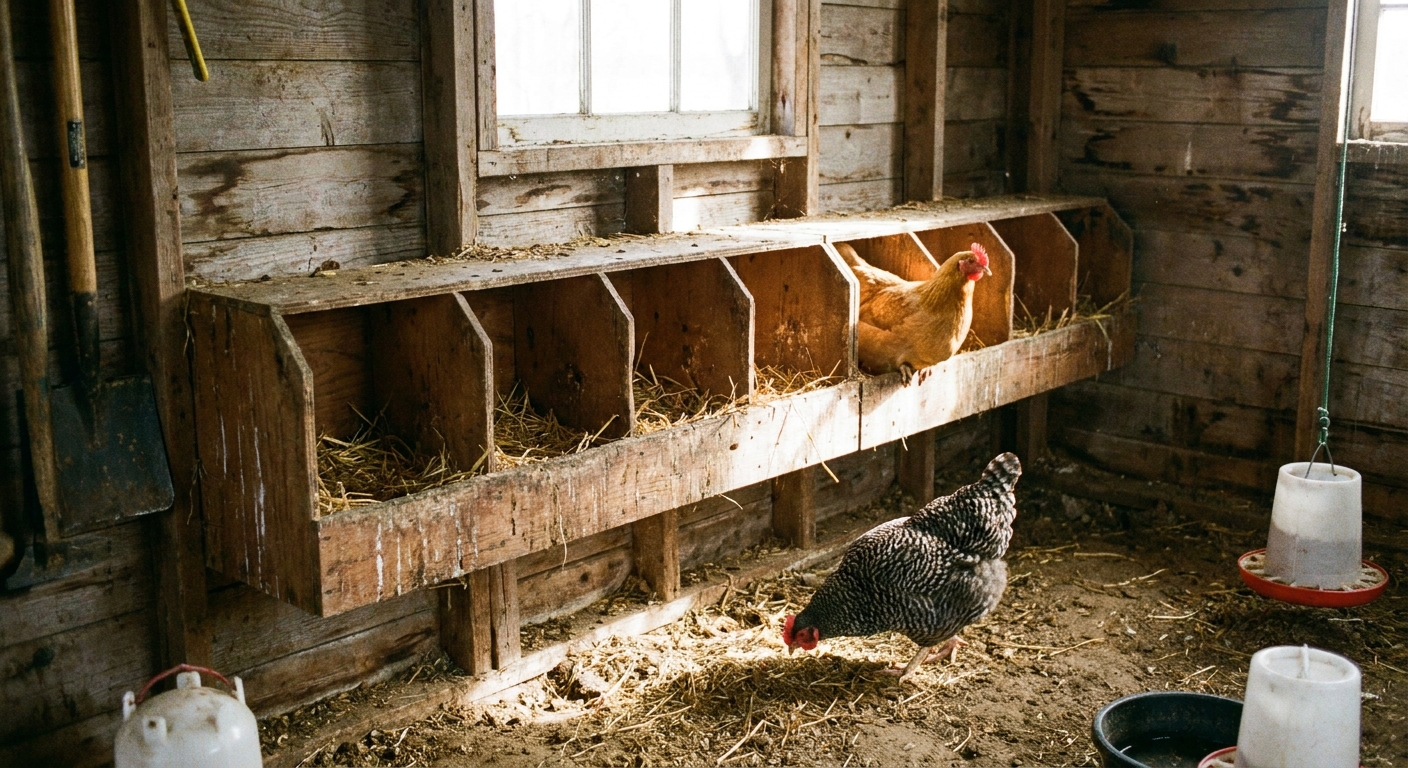
Give them enough nest boxes
Competition in the nest box line is one of the silliest, loudest dramas in chicken keeping. More nesting space and a darker corner can reduce egg song pileups.
- Aim for roughly 1 nest box per 3 to 4 hens.
- Keep nest boxes slightly dim and comfortable.
- Collect eggs regularly so boxes do not become crowded hangout spots.
Reduce egg song triggers
You cannot erase the egg song, but you can keep it from turning into a daily concert. The biggest wins are privacy, calm, and not interrupting the laying routine.
- Put nest boxes in the quietest corner of the coop and keep them darker than the rest of the space.
- Avoid big coop cleanouts or loud yard projects during the late-morning hours when many hens lay.
- If one hen is a dramatic singer, make sure she is not being crowded or bullied out of the boxes.
Keep the routine predictable
Chickens are tiny creatures of habit. When the feeder is empty or the waterer freezes, they tell everyone.
- Feed and let them out at consistent times.
- Use a larger feeder and waterer if you are gone during the day.
- Check for bullying at the feeder and add a second station if needed.
Limit early-morning commotion
If your coop faces your neighbor’s bedroom window, even a mild flock can feel loud at dawn.
- Position the coop door and run away from the closest sleeping windows.
- Use a secure, shaded run area to prevent frantic sunrise pacing.
- Consider an automatic coop door so they are not startled by you rushing out half-awake with a flashlight.
Quiet flock pairings
If you are building a small, neighbor-friendly flock, I like combinations that share a calm pace.
- Gentle and steady: Orpington + Australorp
- Cold-hardy and calm: Brahma + Wyandotte
- Quiet pets with color eggs: Cochin + Ameraucana-type birds
Try not to mix very timid birds with very assertive birds in tight quarters. Stress increases noise, and it also increases pecking.
FAQ
Are bantams quieter than standard chickens?
Often, yes, because their voices are smaller. But some bantams are feisty and opinionated. A calm temperament matters as much as size.
Can I keep chickens completely silent?
No. Hens make normal contented sounds, and many will sing after laying. The goal is reasonable backyard noise, not total silence.
Do certain colors or feather types make a chicken quieter?
Not reliably. Breed and individual temperament are far better predictors than color.
What is the quietest setup for very close neighbors?
Hens only, calm breeds (like Orpingtons or Australorps), a predator-proof coop, enough space and enrichment, and a coop placement that does not aim activity at someone’s bedroom window.
Bottom line
If I were setting up a small suburban flock specifically to keep peace on both sides of the fence, I would start with Orpingtons and Australorps, add one or two Cochins if I wanted extra sweetness, and skip the rooster entirely. Pair that with a secure, boredom-proof run, enough space, and a predictable routine, and you will have the kind of backyard chickens that quietly blend into neighborhood life, right up until you hand over a carton of fresh eggs and suddenly everyone loves your hobby.