A practical, backyard-tested guide to choosing compatible breeds and integrating new birds safely, especially when sizes, temperaments, and feather types don...
The Cluck Loom
The 7 Most Docile and Kid-Friendly Chicken Breeds
Looking for gentle backyard chickens for kids? Here are 7 calm, friendly breeds (like Silkies and Orpingtons) plus tips for choosing, handling, and staying safe.

Maggie Harper
Maggie Harper is a passionate backyard chicken keeper with over a decade of hands-on experience raising mixed flocks. Through CluckLoom, she shares practical advice on coop building, flock health, and egg production to help beginners and seasoned enthusiasts alike raise happy, healthy chickens.
Published
October 22, 2026
Last updated
October 22, 2026
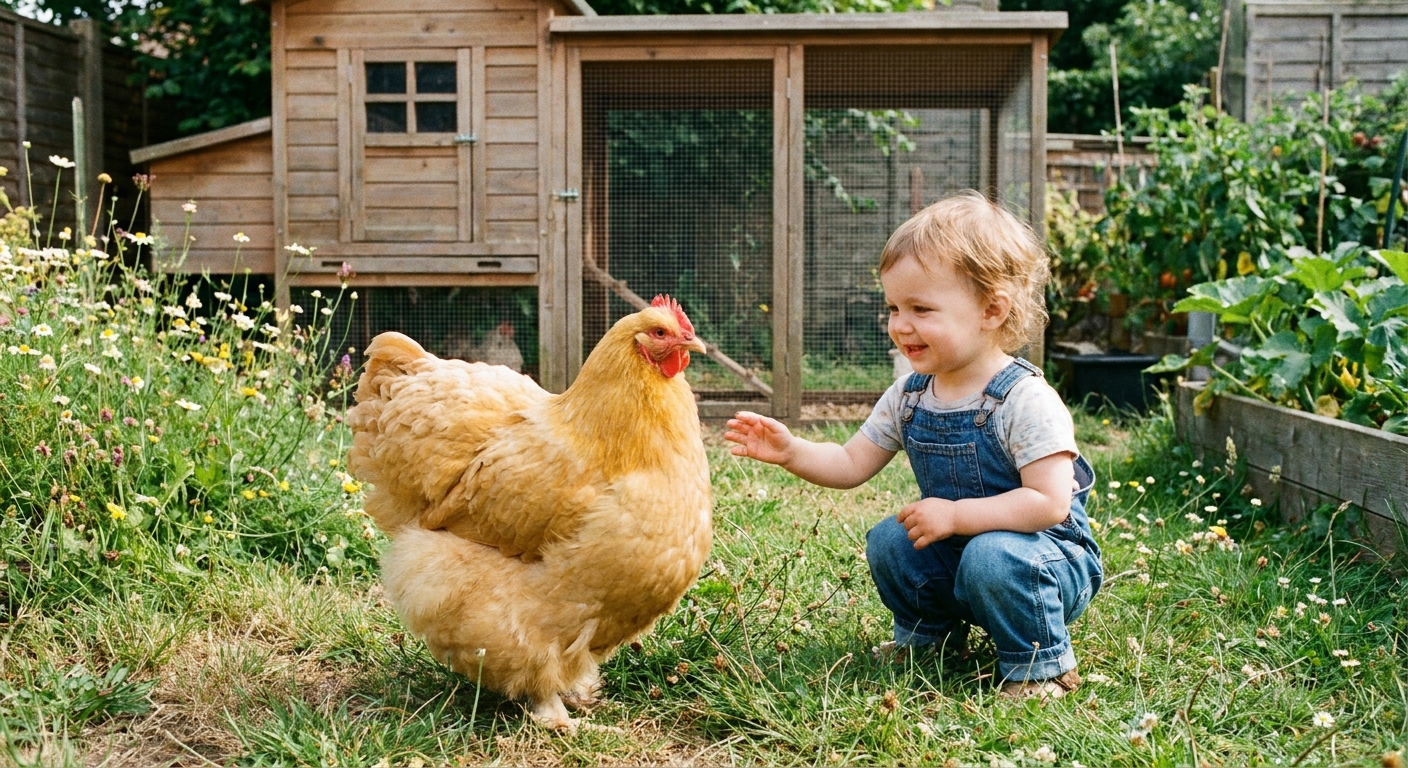
If your kids are picturing a chicken they can cuddle like a feathery housecat, I have good news and a tiny reality check. Yes, some breeds are wonderfully gentle and will happily squat to be carried around the yard. But even the sweetest hen is still a chicken. She startles, she flaps, she has opinions about bedtime, and she will absolutely poop at the least convenient moment.
That said, choosing a naturally calm breed makes the whole experience smoother for everyone, especially small hands and nervous new chicken parents. Below are seven breeds I recommend again and again for families, plus a few fence-leaning-neighbor tips I have learned after a decade of mixed-flock living (the kind you pick up chatting over the fence while chickens peck at your shoelaces).
What “kid-friendly” means
When I say a breed is kid-friendly, I am looking for a few traits that tend to show up consistently:
- Calm body language: less skittish, less likely to rocket-launch out of your arms.
- Tolerance for handling: many birds do not love being held, but some accept it with minimal drama.
- Gentle pecking habits: curious pecks happen, but a soft-mouthed bird is easier for kids to read and trust.
- Steady temperament in groups: fewer bullying tendencies make flock life calmer for everyone.
One quick note that surprises people: individual personality matters as much as breed. I have had a saintly Wyandotte and a spicy one in the same year. Breed stacks the deck in your favor, but daily handling, treats, and a low-stress setup are what seal the deal. Even within the same breed, hatchery lines and breeder lines can behave differently, so think of temperament as “likely” rather than “guaranteed.”
7 docile chicken breeds
1) Buff Orpington
If I had to pick one “family starter hen,” it is the Buff Orpington. Orpingtons are famous for their laid-back, marshmallow vibe. Mine have been the type to waddle over, blink slowly, and lean into a scratch like they have been waiting all day for it.
- Why they are great with kids: often steady, people-oriented, and usually easier to handle than more flighty breeds.
- Eggs: solid layers of light brown eggs.
- Keep in mind: their fluff can hide weight loss, mites, or dirty vent feathers, so do quick hands-on checks.
- Climate note: those big coats are lovely in cold weather, but in extreme heat they may need extra shade, airflow, and cool water.
2) Silkie
Silkies are basically living stuffed animals with feathers that feel like bunny fur. They tend to be sweet, gentle, and very tame when raised with regular attention. If your child wants a lap chicken, this is one of the best bets.
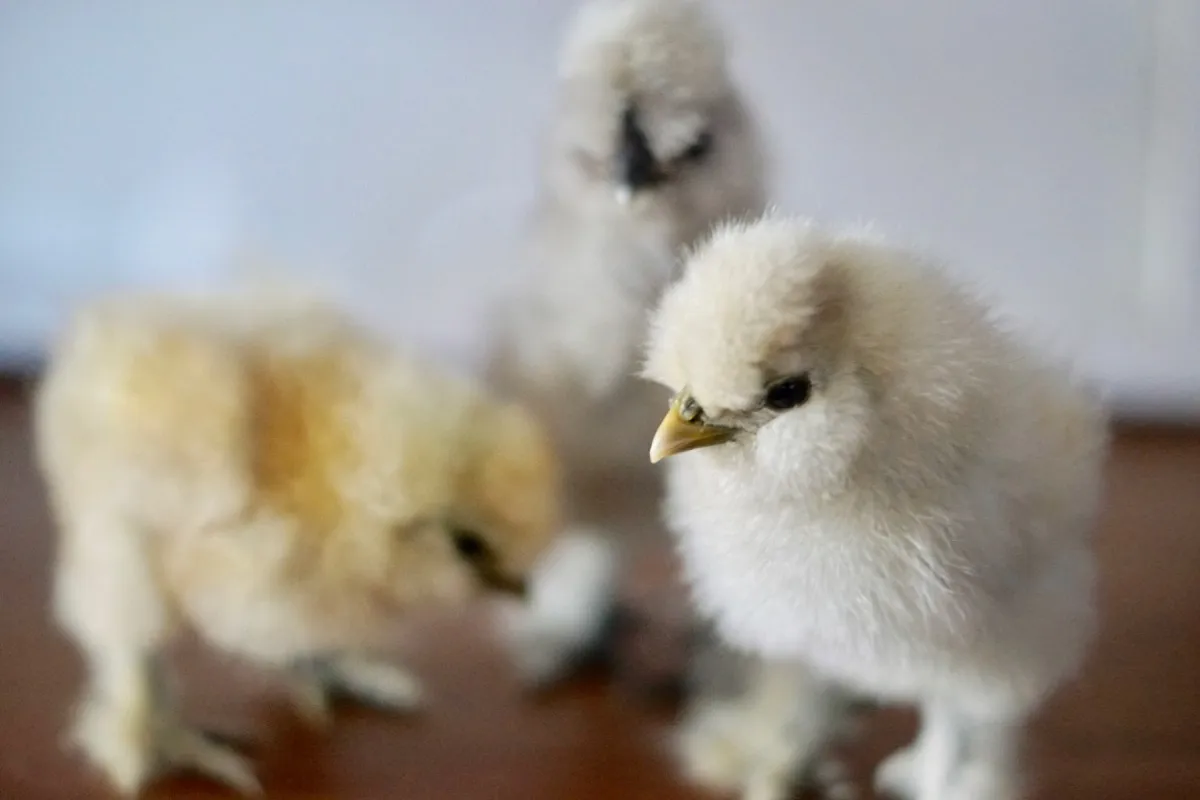
- Why they are great with kids: docile, slower-moving, and often more accepting of being held.
- Eggs: smaller, usually cream to tinted eggs, and not as many as larger breeds.
- Keep in mind: Silkies are more vulnerable to predators and bullying due to poor flight and a crest that can reduce peripheral vision. Plan a very secure run and consider keeping them with other gentle breeds.
- Weather note: wet, muddy runs are hard on Silkies. A dry, covered area matters more with them than most breeds.
3) Cochin
Cochins are big, round, and famously calm. Think “feather ottoman” energy. They are often happy to follow you around the yard and are generally patient with careful children.
- Why they are great with kids: slow and steady temperament, easygoing in many mixed flocks.
- Eggs: moderate layers of brown eggs, and many are enthusiastically broody.
- Keep in mind: heavily feathered feet can collect mud and snow. A dry run and clean litter make life easier.
- Climate note: like other heavy, fluffy breeds, they can struggle in prolonged heat without good ventilation and shade.
4) Brahma
Brahmas are gentle giants. Their size looks impressive, but many are soft-hearted and fairly unbothered by typical kid noise once they are settled. In my experience, they can be the calm anchor in a flock, the bird everyone else seems to settle around.
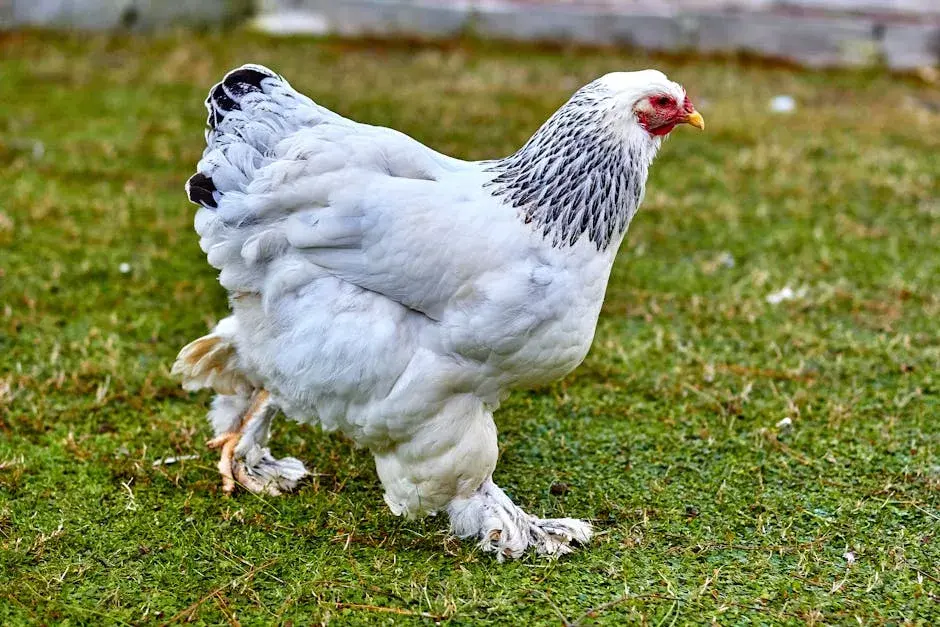
- Why they are great with kids: mellow temperament and often less flighty than lighter breeds.
- Eggs: good layers of brown eggs, and they can be more reliable than some breeds in cooler months.
- Keep in mind: they need space. A cramped run can make even a sweet bird cranky.
- Climate note: big bodies and heavy feathering mean heat management is important in hot regions.
5) Sussex (especially Speckled Sussex)
Sussex chickens tend to be friendly, curious, and people-focused. Speckled Sussex, in particular, often develop that “helpful supervisor” attitude where they want to be near whatever you are doing.
- Why they are great with kids: sociable and usually steady, great for backyard interaction.
- Eggs: strong layers of light brown to tinted eggs.
- Keep in mind: curiosity can look like pushiness. Teach kids to keep treats in an open palm and to step back if a bird gets too excited.
6) Australorp
Australorps are often recommended for eggs, but they also deserve more credit as family birds. Many are quiet, steady, and easy to integrate into a backyard routine. They tend to handle normal chaos well once they know the drill.
- Why they are great with kids: typically calm, not usually aggressive, and easy to manage.
- Eggs: excellent layers of brown eggs (often around 250 to 300 per year in good conditions).
- Keep in mind: because they are such reliable layers, keep nutrition consistent and offer calcium on the side so shells stay strong.
7) Wyandotte
Wyandottes can be wonderfully family-friendly: sturdy, confident, and cold-hardy. Many are calm in day-to-day life, though like any breed, individual birds and bloodlines vary. In my own flock, the gentlest yard greeter I have ever had was a Silver Laced Wyandotte who acted like she paid a mortgage here.
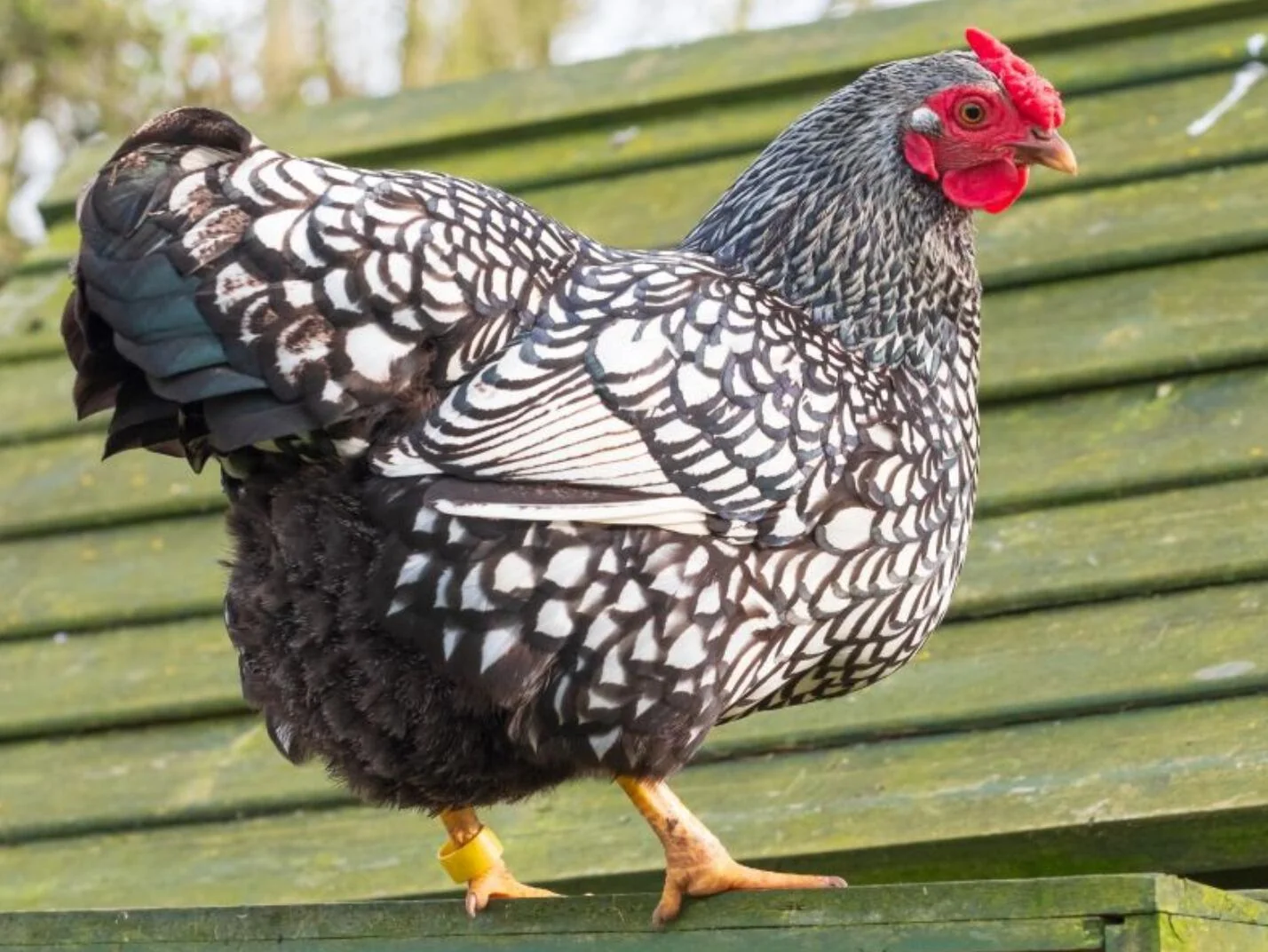
- Why they are great with kids: often steady and confident rather than frantic.
- Eggs: dependable brown egg layers.
- Keep in mind: some Wyandottes can be higher on the pecking order. Provide multiple feeders and enough space to prevent squabbles.
How to choose your birds
Even within docile breeds, choosing the right individual birds matters. Here is what I look for when I am helping a friend build a family flock:
- Start with pullets, not mature hens, if possible. Young birds adapt to your family’s routine and handling faster.
- Watch for calm curiosity. A bird that steps forward to investigate you (without panic) is a good sign.
- Avoid the constant screamer in the brooder bin. One loud moment is normal, but chronic frantic behavior often sticks around.
- Ask how they were raised. Birds handled regularly as chicks are usually more people-tolerant later.
If your kids are very young, I also suggest starting with two to four hens from one or two gentle breeds. A smaller flock is easier to supervise, and it is simpler to spot health issues early.
Handling tips that prevent tears
Most “my chicken is mean” stories are really “my chicken is scared” stories. A few small habits go a long way:
- Teach the scoop: one hand under the breast, one supporting the body, wings held gently against the sides.
- Short holds: 10 to 20 seconds at first, then set the bird down calmly before it panics.
- No chasing. Chasing turns you into a predator. Use treats or a calm cornering technique instead.
- Open-palm treats only: flat hand, fingers together. No dangling snacks from fingertips.
- Chicken chair option: have kids sit down and let a calm hen perch on their lap rather than carrying.
And my most repeated rule at my house: wash hands after chicken time, every time. Chickens can carry Salmonella even when they look perfectly healthy, so handwashing before snacks and meals is non-negotiable.
Family safety basics
A few boundaries make chickens safer and calmer for everyone:
- Toddlers should not carry chickens. Let them watch, toss a little scratch with help, or offer an open palm treat while an adult holds the bird.
- Supervise all handling. Kids move fast and chickens startle fast. It is a lively combination.
- No kissing chickens. Keep chicken snuggles on the outside of faces.
- Handwashing before eating. Not after, not eventually, but before anyone touches food.
Common questions
Do roosters make chickens less kid-friendly?
Sometimes. Many roosters are polite, but some become protective at maturity, especially in spring. If your goal is a calm, kid-friendly backyard setup, most families are happiest starting with hens only. If you keep a rooster, supervise kid interaction closely and do not tolerate aggressive behavior.
Are bantams better for kids because they are smaller?
Not automatically. Bantams are easier to lift, but some are quicker and more flighty. A calm standard-size hen is often easier for children to handle safely than a tiny bird that darts and flaps.
Which breed is the cuddliest?
In many backyard flocks, Silkies and Orpingtons are the most likely to enjoy lap time. Cochins can be very snuggly too. But the biggest factor is gentle, consistent handling from the start.
What if my child gets pecked?
Stay calm and treat it like a learning moment. Most pecks are investigating rather than aggressive. Check whether the child had shiny nail polish, a dangling snack, or fast movements. Then reset with slower handling and open-palm treats.
Care and setup basics
A docile breed cannot out-charm a stressful coop. If you want the calmest birds possible, prioritize:
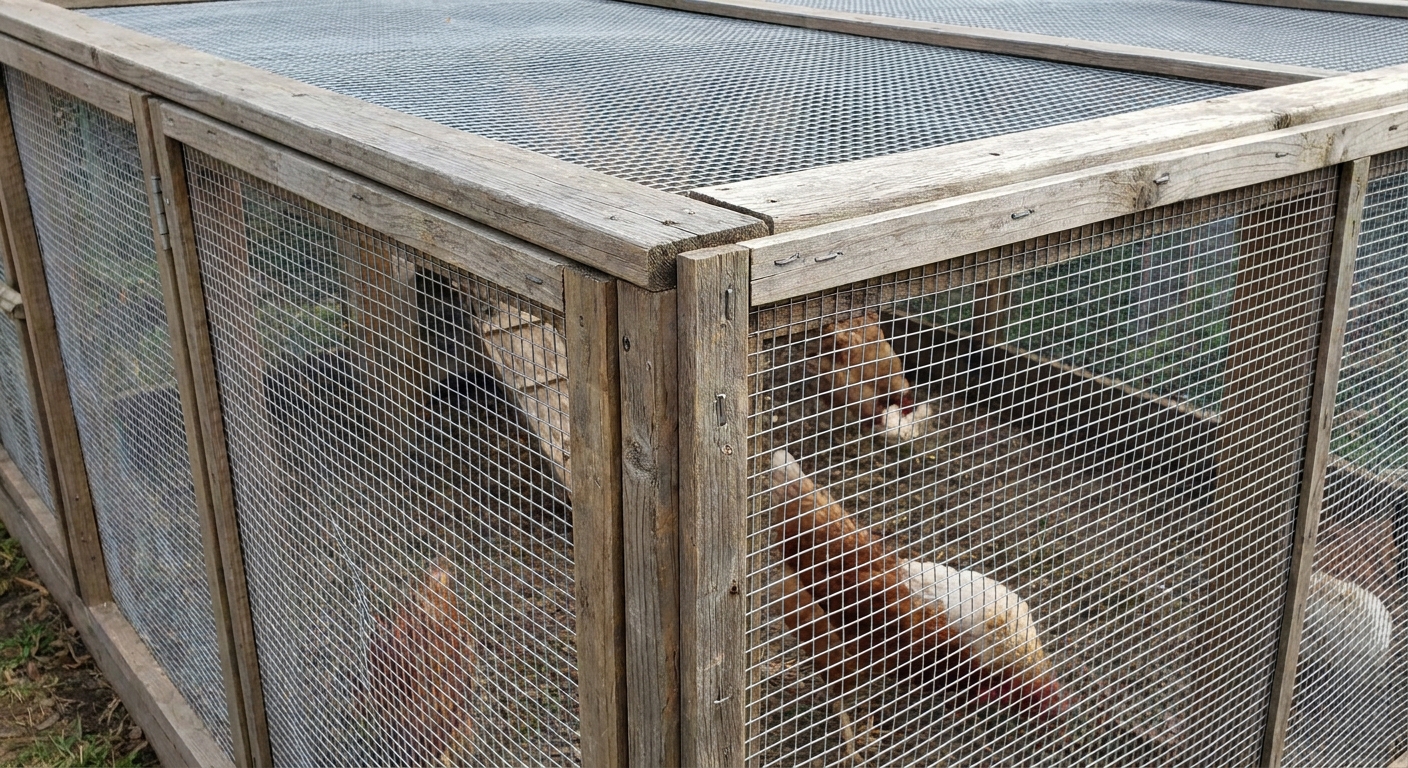
- Predator-proofing (secure latches, hardware cloth on openings, covered run if hawks are common)
- Enough space (crowding is a top cause of bullying and bad behavior)
- Multiple stations for feed and water in larger flocks
- Shade and ventilation so birds are not heat-stressed and irritable
And a quick reality check for families: chickens are “easy,” but they are not “set and forget.” Plan on daily food and water checks, a quick visual health scan, and regular coop clean-outs (how often depends on your setup, but most coops need at least a basic refresh weekly and a deeper clean on a rotating schedule).
One more before you fall in love at the feed store: check local ordinances and HOA rules, especially around coop placement and roosters. Nothing ruins the vibe like a compliance letter.
Give your chickens comfort and consistency, and their best personalities have room to show up.
A simple starter flock
If you are standing in the feed store aisle with wide eyes and a kid tugging your sleeve, here is a calm, classic mix that works in a lot of backyards:
- 2 Buff Orpingtons
- 2 Australorps
- 2 Speckled Sussex (or a Cochin if you want a dedicated snuggle bird)
You get friendly temperaments, dependable eggs, and a flock that usually settles into a peaceful routine.
And remember, the gentlest chickens are made, not just bought. A little patience, a lot of calm repetition, and a pocket full of treats can turn a good breed into a truly wonderful family bird.