A sudden egg slump usually has a simple cause. Check these common culprits, including light, molt, stress, diet, health, broodiness, and missing eggs, with p...
The Cluck Loom
The Chicken Egg Laying Lifespan
Wondering how long chickens lay eggs? Learn what to expect from pullet year to senior hen, why laying slows down, and how to care for older hens in your backyard flock.

Maggie Harper
Maggie Harper is a passionate backyard chicken keeper with over a decade of hands-on experience raising mixed flocks. Through CluckLoom, she shares practical advice on coop building, flock health, and egg production to help beginners and seasoned enthusiasts alike raise happy, healthy chickens.
Published
October 22, 2026
Last updated
October 22, 2026
I still remember my first “real” dip in egg production. I had three Rhode Island Reds, one makeshift coop, and exactly zero chill. One day I was collecting eggs like I ran a tiny breakfast factory, and the next I was staring into empty nesting boxes like they had personally betrayed me.
If you are in that stage, take a breath. Egg laying has a lifespan, just like everything else in chicken keeping. It is wonderfully patterned once you know the general flow and what can speed it up or slow it down.
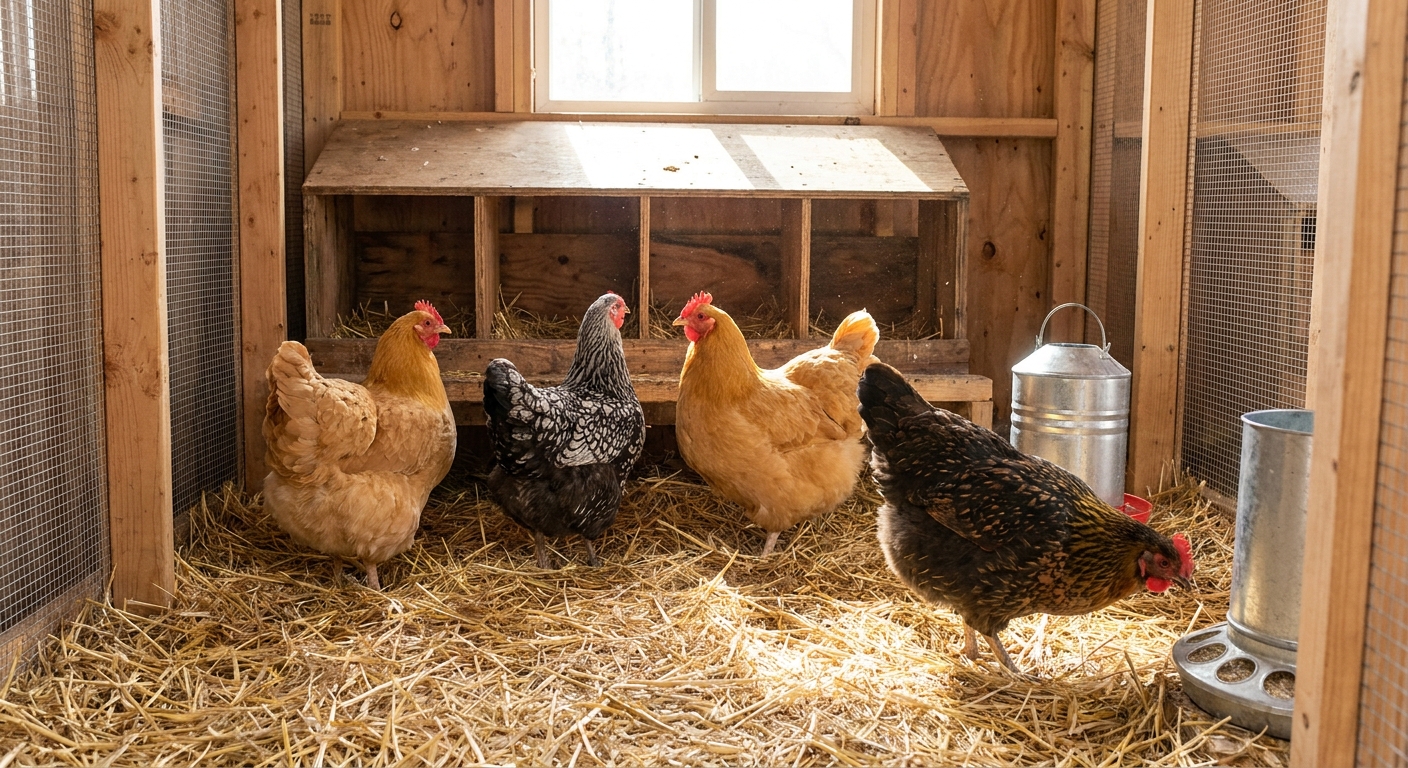
The big picture: how long do chickens lay eggs?
Most backyard hens lay their best for about 2 to 3 years, then gradually slow down. Some healthy hens will still lay at 4, 5, and even 6+ years old, but it is usually occasional rather than daily, and it varies a lot by breed and management.
Here is the simple way I explain it over the fence:
- Year 1: ramp up to peak, lots of eggs
- Year 2: still strong, often your most reliable year
- Year 3: noticeable decline for many hens
- Year 4 and beyond: “bonus eggs” phase, plus longer breaks and seasonal gaps
Individual hens vary a lot. Breed, daylight, nutrition, stress, health, and molting all matter, and I will unpack each one.
Egg laying by age: what to expect
Pullet stage (about 16 to 24+ weeks)
Most breeds start laying somewhere around 16 to 24 weeks, but there are plenty of exceptions. Heavier breeds often start later. Some lines of Ameraucanas and other blue egg layers can also be “fashionably late” compared to production breeds.
Early pullet eggs can be:
- Small or oddly shaped
- Occasionally shell-less or thin-shelled
- Inconsistent in timing
This is normal as the reproductive system gets up to speed. If you see ongoing shell problems, that is when to look harder at calcium intake, overall diet quality, or illness.
Peak production (roughly 6 months to 2 years)
This is your golden era. Many common backyard breeds lay 4 to 6 eggs per week in their prime if diet, daylight, and health are steady.
In my mixed flock, the “busy bees” during peak years have typically been the Wyandottes and my most determined Orpington ladies. The Ameraucanas are steady too, just not always as prolific, but I forgive them because blue eggs feel like a little magic trick. On the other end, production types like Leghorns (and many sex links) tend to lay very hard early, while some dual-purpose heritage birds lay a bit less per week but keep plugging along for more years.
First winter reality check
This one gets a lot of new keepers. If your pullets were hatched late spring or summer, their first winter can be confusing. Some will keep laying right through. Others will slow down or pause when days get short, even though they are still “young.” That does not automatically mean something is wrong. Often it is just daylight, weather, and their bodies choosing a break.
Early decline (around 2 to 3 years)
This is where most keepers start asking, “Is something wrong?” Usually, nothing is wrong. The hen is simply aging and her body is shifting resources.
Common changes:
- Eggs may come less frequently
- Breaks between laying cycles get longer
- Winter slowdowns become more obvious
Senior years (4 years and up)
Many seniors still lay, but the schedule can feel random. Some hens will pop out a little streak of eggs in spring, then take weeks off, then surprise you again.
At this stage, I treat eggs as a perk, not a promise. The real value of older hens is their steady temperament, their flock leadership, and the fact that they have already taught the younger birds the house rules.
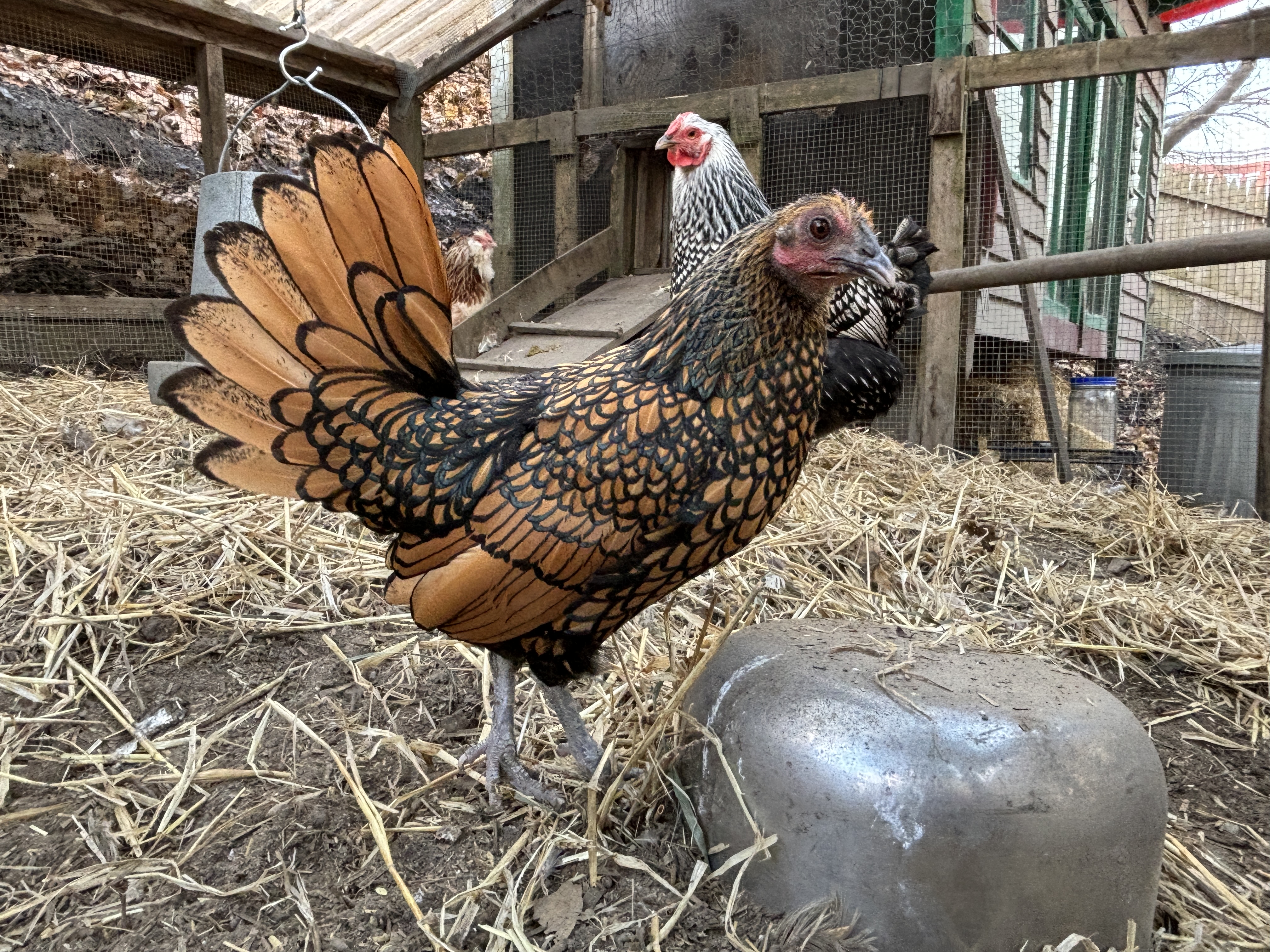
Why egg production declines
Egg laying is hard work. A hen is building a nutrient-dense food from scratch, over and over again. As she ages, her reproductive system becomes less efficient, and her body prioritizes maintenance and immune function.
There are also natural “pause buttons” that show up more often with age:
- Molting: replacing feathers takes a lot of protein and energy
- Seasonal daylight: shorter days reduce the hormones that drive laying
- Stress: predator scares, flock bullying, heat waves, and big coop changes can all interrupt laying
- Health issues: parasites, chronic respiratory problems, reproductive tract infections, and reproductive disease (including masses and cancers) become more common as hens get older
What “normal” decline looks like
Backyard flocks are not spreadsheets. Still, a realistic mental model helps.
A common pattern looks like this:
- Year 1: near maximum potential for that breed
- Year 2: similar or slightly lower than Year 1
- Year 3: a noticeable drop for many hens
- Year 4+: steady decline, with many hens laying only seasonally
Breed matters a lot here. Production hybrids are designed for heavy early laying but often peak earlier and fade faster. Heritage breeds frequently lay fewer eggs per week, but some stay in the game longer.
Also, hens are individuals. I have had a hen lay respectably at five while her same-age coop mate was fully retired. It is one of the many ways chickens keep us humble.
What affects laying the most
Daylight (the #1 non-medical factor)
Hens lay best with about 14 to 16 hours of light per day. Around 14 hours is the common threshold for consistent laying for many birds. More light is not automatically better, and pushing bright, long days year-round can be hard on a hen’s body.
You can add supplemental light, but I encourage new keepers to think carefully. Extra light can increase eggs, but it also asks a hen to work through a season when she naturally wants a break. If you choose to use it, use a reliable timer, keep mornings consistent (many people add light in the early morning), and make sure your coop is safe for early wakeups.
Nutrition
For long-term laying health, a high-quality layer feed is your foundation once hens are actively laying. I aim for:
- Consistent access to layer feed (often about 16 to 18 percent protein, depending on brand and formula)
- Oyster shell offered free-choice in a separate dish
- Clean water at all times
- Treats kept reasonable (kitchen scraps and scratch are fun, but they dilute nutrition fast)
If you have a mixed-age flock or roosters, talk with a poultry-savvy vet or experienced local keeper about whether an all-flock feed plus calcium on the side fits your setup better.
Stress and flock dynamics
Chronic bullying, overcrowding, and repeated predator scares can shorten a hen’s productive years. Calm, predictable routines help. So does space. A bored, cramped flock is an egg production problem waiting to happen.
Parasites and illness
Mites, lice, and internal worms can drain a hen’s resources. So can chronic respiratory infections. If your “aging hen slowdown” comes with weight loss, pale comb, diarrhea, wheezing, or a sudden stop in laying outside of molt or winter, it is time to investigate.
Normal aging or a problem?
I use a quick checklist when a hen slows down:
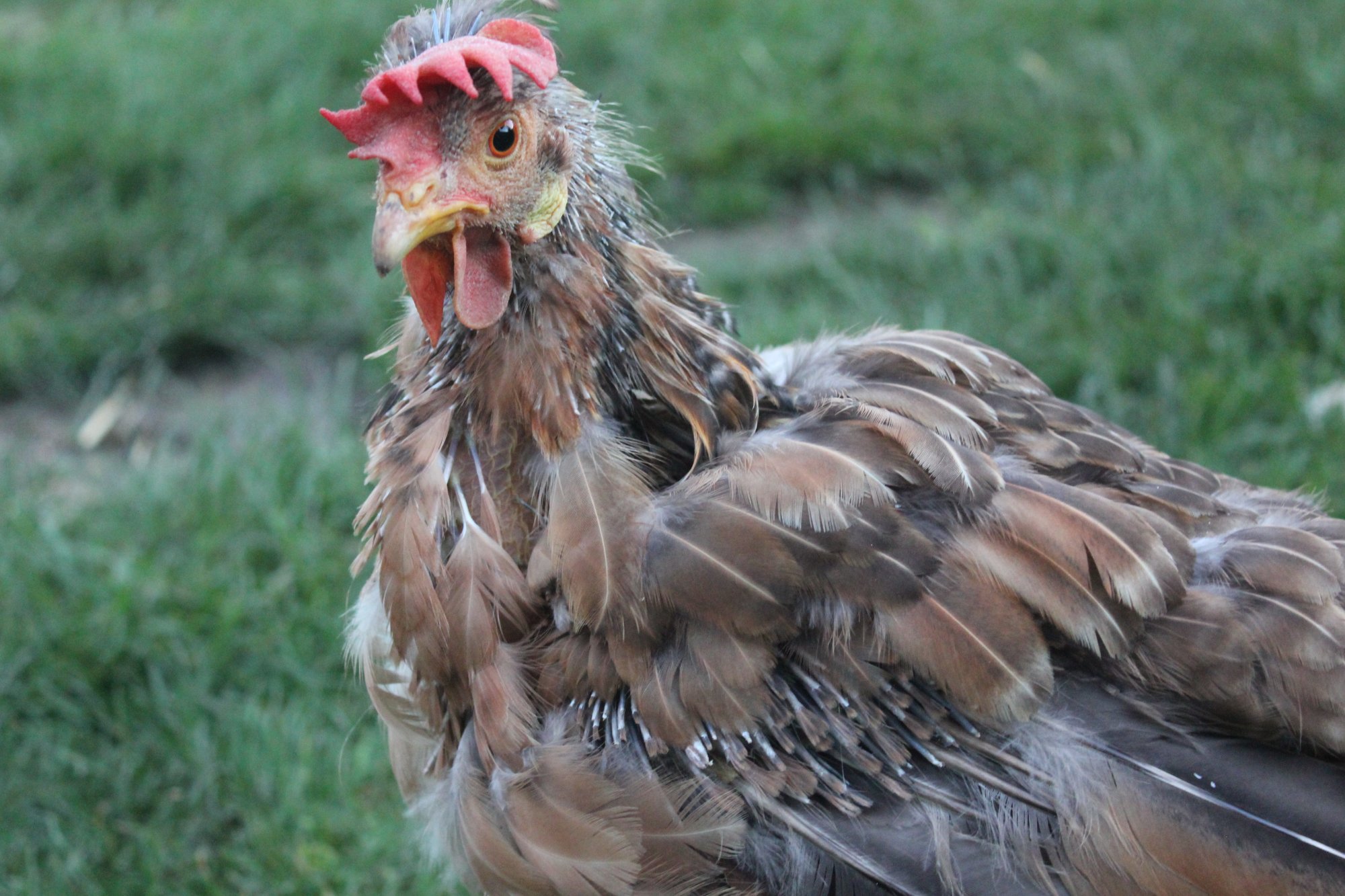
- Is she molting? Look for pin feathers and a scruffy jacket.
- Has daylight changed? Winter and late fall are classic slow seasons.
- Is she eating and drinking normally?
- Is her weight stable? Feel the breast muscle along the keel bone.
- Are droppings normal for her? Occasional weird poop happens, but ongoing changes matter.
- Is she acting “off”? Hunched posture, tail down, isolating, or labored breathing are red flags.
When in doubt, I err on the side of caution with older hens. They can hide illness impressively well, and they have less reserve to bounce back.
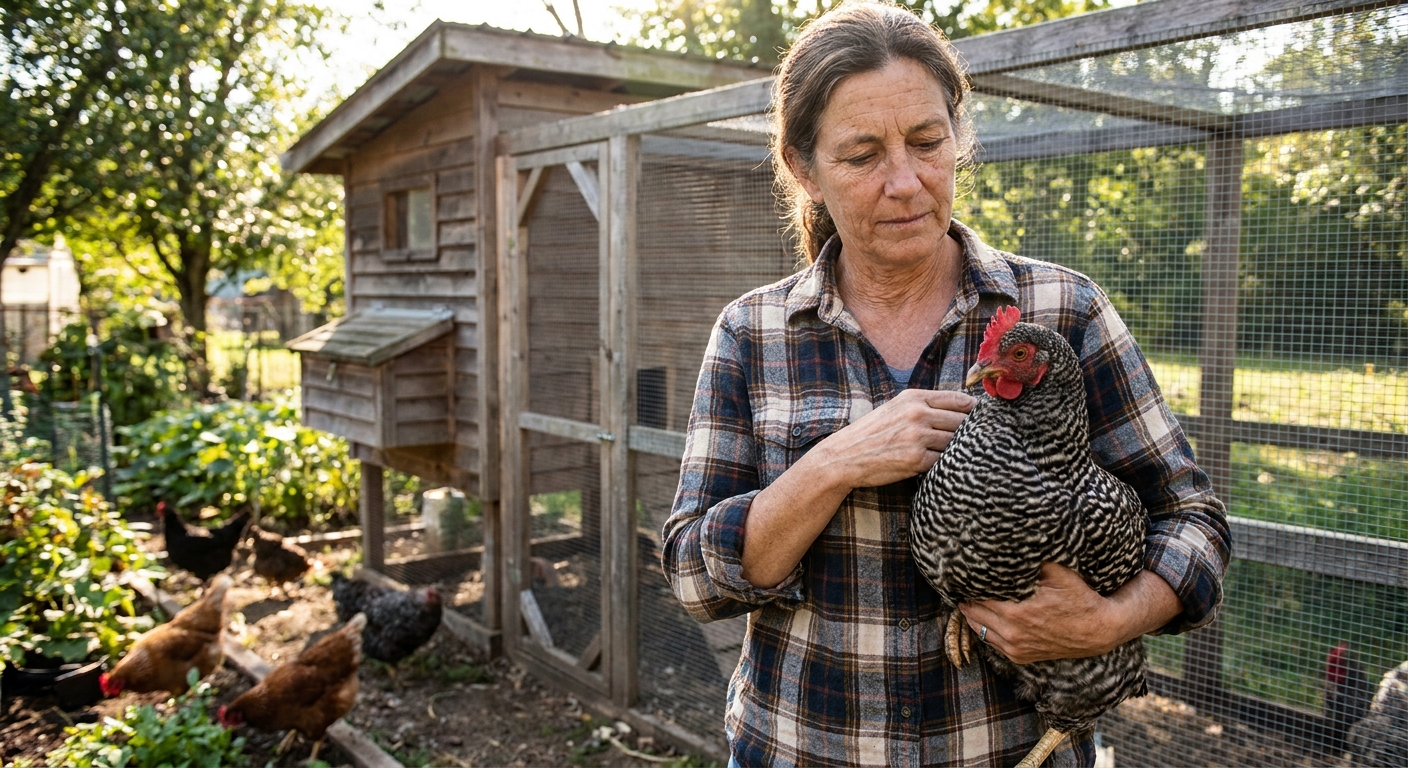
Keep older non-layers?
This is a personal decision, and I think it deserves a guilt-free answer. You are allowed to have chickens for eggs, for companionship, or both.
If you have the space and budget, keeping retired hens can be incredibly rewarding. Older hens are often:
- Calmer and easier to handle
- Great at teaching flock manners to younger birds
- Less likely to start drama at the feeder
On the practical side, a non-laying hen still eats, still needs health care, and can still be vulnerable to predators. So the “right” choice depends on your setup, local predator pressure, and what you want your flock to be.
Caring for retired hens
Keep nutrition strong
Retired hens still need balanced nutrition. Many keepers continue a layer feed if the flock includes active layers. If most of the flock is retired, an all-flock feed with calcium offered separately can make sense. The key is: do not let seniors live on scratch and scraps. It catches up with them.
Make the coop easier
Older hens can get stiff. A few simple tweaks help a lot:
- Lower roost bars or add a step to reduce hard landings
- Wider, smoother roosts to support feet
- Dry, deep bedding to protect respiratory health and cushion feet
- Easy access to food and water without having to jump or squeeze
Watch for senior issues
In my experience, older hens deserve extra monitoring for:
- Egg binding (less common than people fear, but serious)
- Reproductive infections (swollen abdomen, penguin stance, lethargy)
- Bumblefoot (scabs on the bottom of the feet)
- Arthritis or mobility changes
- Weight loss even when appetite seems normal
If something feels wrong, it is worth calling a vet who sees poultry. A quick exam can save a lot of suffering and guesswork.
Managing egg supply as hens age
If your goal is a steady basket of eggs, the easiest way to avoid the “everyone got old at the same time” problem is to stagger ages.
Options that work well for backyard keepers:
- Add a few pullets every year or two (my favorite approach for a stable egg flow)
- Raise chicks in spring so they start laying in late summer or fall, depending on breed and daylight
- Keep a mixed flock of breeds since some handle winter laying better than others
Just remember quarantine and careful introductions. New birds plus an older established flock is a whole topic of its own, and it is one you want to do slowly.
FAQ
At what age do chickens stop laying eggs completely?
Some hens stop around 3 to 4 years old, while others lay occasional eggs well past 6 years. A complete stop can be normal aging, but a sudden stop outside of molt or winter deserves a health check.
Do eggs from older hens look different?
They can. Some older hens lay larger eggs, and shells may be a bit thinner if calcium intake is not ideal. Consistent thin shells, wrinkles, or soft shells can also signal stress or illness, so keep an eye on patterns.
Will molting get worse as hens age?
Many hens have longer, more noticeable molts as they get older. It is normal for molting to pause laying completely. During molt, prioritize protein and keep stress low.
Is it safe to use lights to make hens lay longer?
It can be done safely with a timer and a predator-secure setup, but it is a tradeoff. You may get more eggs, but you are asking the hens to work through a season when their bodies naturally want a break.
What is the kindest thing to do with a non-laying hen?
Kindness looks different depending on your resources. For many backyard keepers, it means letting her retire in comfort as a pet. For others, it may mean rehoming to a pet-only home or making a humane decision if health declines and quality of life is poor.
The takeaway
Egg laying is not a straight line. It is a seasonal cycle: pullet start-up, a couple of strong years, then a gradual shift into seasonal or occasional eggs. If you plan for that from day one, it becomes a lot less stressful and a lot more enjoyable.
And if you find yourself standing in the coop doorway, holding an empty egg basket and squinting suspiciously at your hens, you are in good company. Aging happens. The good news is that a well-cared-for hen can have many happy years after her peak laying days, even if she is mostly retired from the breakfast business.