A backyard keeper’s guide to when to use chick starter, move to grower, and switch to layer feed, plus safe timing, typical protein ranges, calcium, and comm...
The Cluck Loom
When Will My Chickens Start Laying? 5 Signs Your Pullets Are Ready
Wondering when your pullets will lay their first egg? Learn the typical timeline, what can delay it, and 5 clear physical and behavioral signs your young hens are getting ready.

Maggie Harper
Maggie Harper is a passionate backyard chicken keeper with over a decade of hands-on experience raising mixed flocks. Through CluckLoom, she shares practical advice on coop building, flock health, and egg production to help beginners and seasoned enthusiasts alike raise happy, healthy chickens.
Published
October 22, 2026
Last updated
October 22, 2026
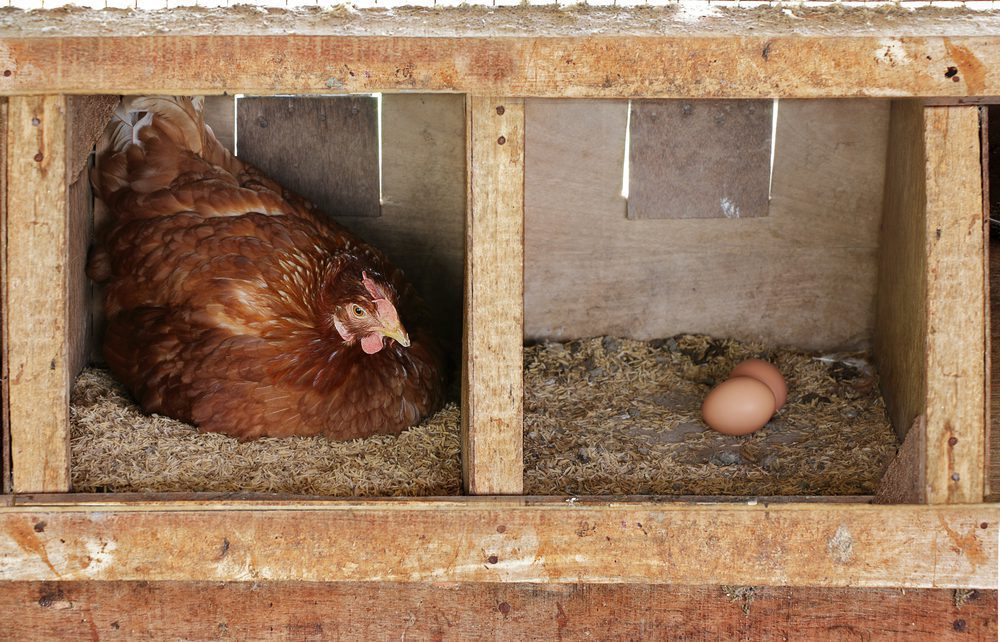
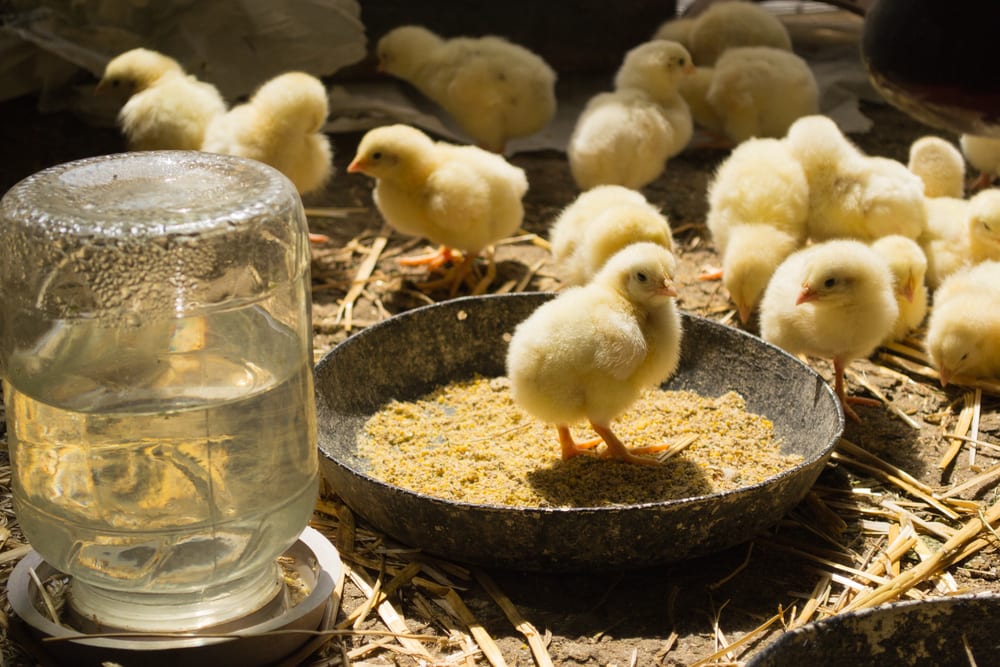
If you have pullets in the awkward teen phase, you know the feeling. One day they are fuzzy little peeps, and the next they are full-sized birds eating you out of house and home while contributing exactly zero eggs.
I started twelve years ago with three Rhode Island Reds and a wobbly DIY coop that looked like it was built during a windstorm. Those first eggs felt like winning the lottery. The good news is most pullets stick to a pretty predictable timeline, and they also give you several very real clues when the “egg switch” is about to flip.
Below is a simple timeline for the first egg, plus five tell-tale signs I watch for in my own mixed flock (Orpingtons, Wyandottes, and Ameraucanas included).
The typical timeline
Most backyard breeds begin laying somewhere between 16 and 24 weeks (about 4 to 6 months). That range is wide on purpose because breed, season, nutrition, stress, and even individual personality can move the date around.
Also, 24 weeks is not a hard deadline. Some birds start earlier (occasionally 14 to 16 weeks), and plenty of heritage, heavier, or slower-maturing lines will cruise right past 24 weeks and start closer to 26 to 32 weeks without anything being “wrong.”
Breed expectations
- Early layers (often 16 to 20 weeks): production breeds and hybrids, many Leghorn-type birds, and some very driven Rhode Island Reds.
- Middle of the road (18 to 24 weeks): many dual-purpose breeds like Plymouth Rocks and Wyandottes.
- Later starters (20 to 28 weeks, sometimes more): heavier, fluffier breeds like Orpingtons, some Marans, and other slow-maturing heritage lines.
- Bantams: varies widely by line. Some start early, some surprisingly late.
- Ameraucanas and Easter Egger types: commonly 20 to 26 weeks, and sometimes later. Also, a quick reality check: Easter Eggers are not a standardized breed, so egg color can range from blue to green (and shades vary bird to bird).
Season matters a lot. Pullets raised in spring and early summer often start on the earlier side. Pullets maturing as daylight drops in fall may pause right at the finish line and start once day length increases again. They are not being dramatic. They are just chickens.
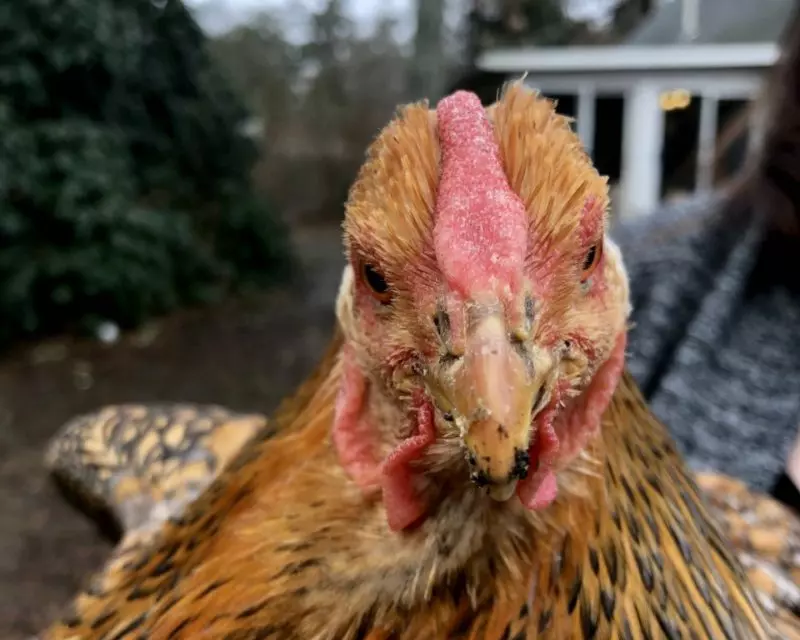
Sign #1: Red comb and wattles
This is the first sign I notice without even trying. A pullet who is gearing up to lay will usually go from a pale, flat comb to a plumper, brighter red comb and wattles. They may also feel warmer to the touch because blood flow is increasing.
If you are unsure, look at photos from two weeks ago, or compare her to a same-age pullet who still looks pale. In my coop, the “about to lay” girls start looking like they put on lipstick overnight.
Heads up: comb size and shape vary by breed. The change over time is what matters, not the absolute size.
Sign #2: Pelvic bones spread
This one is old-school, a little weird, and surprisingly useful. As a pullet approaches lay, the space between her pelvic bones widens to allow an egg to pass.
It is also not a perfect test. Breed, body size, and how confident you are at finding the bones all matter. I treat it as one clue, not a crystal ball.
How to check safely
- Wait until she is calm, ideally at roosting time when everyone is sleepy.
- Hold her securely against your body, supporting her feet and legs so she cannot kick herself free.
- With one hand, feel the two pointy pelvic bones on either side of the vent.
- In a not-ready pullet, there is often about one finger of space.
- As she gets close, you may fit two fingers (sometimes close to three) between them.
Do not force anything, and keep it quick. You are just checking spacing, not digging around. If this makes you uncomfortable, skip it. You can still predict laying just fine using the other signs.
Quick safety note: wash your hands after handling birds, and avoid extra handling if your pullets are panting or heat-stressed.
Sign #3: Squat behavior
When a pullet is nearing sexual maturity, she may start doing the “squat” when you approach. She will lower her body, spread slightly, and freeze in place. It is a submissive mating posture, and it is one of the clearest behavioral signals that hormones are kicking in.
Not every pullet does this for humans, especially if she is flighty, but many do. In my yard, the friendliest pullets start squatting for me a week or two before the first egg, and then I have to remind myself not to feel personally flattered. It is not about me.
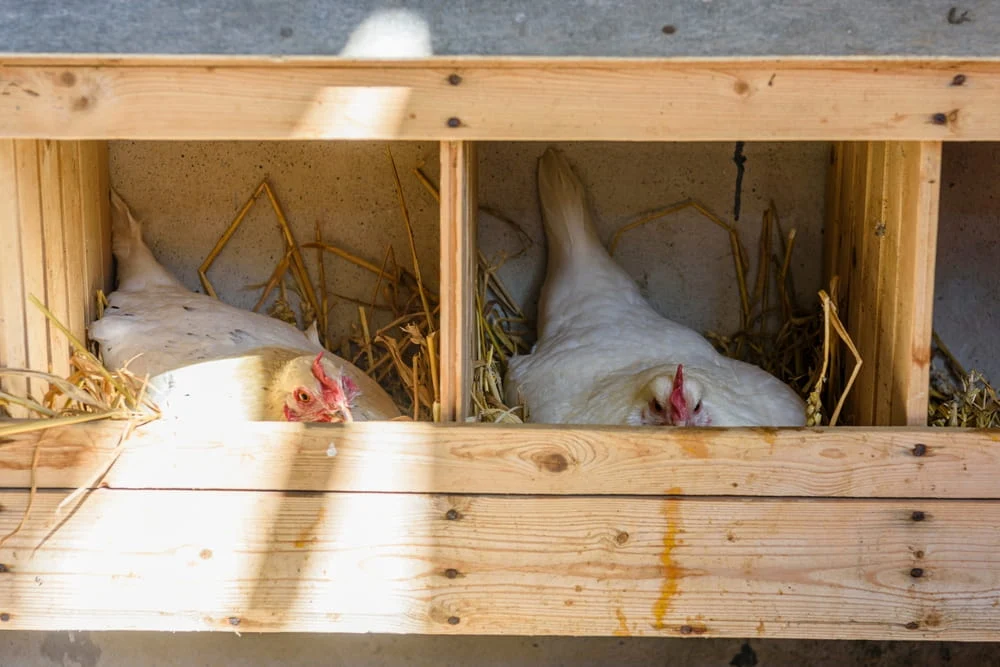
Sign #4: Nest box interest
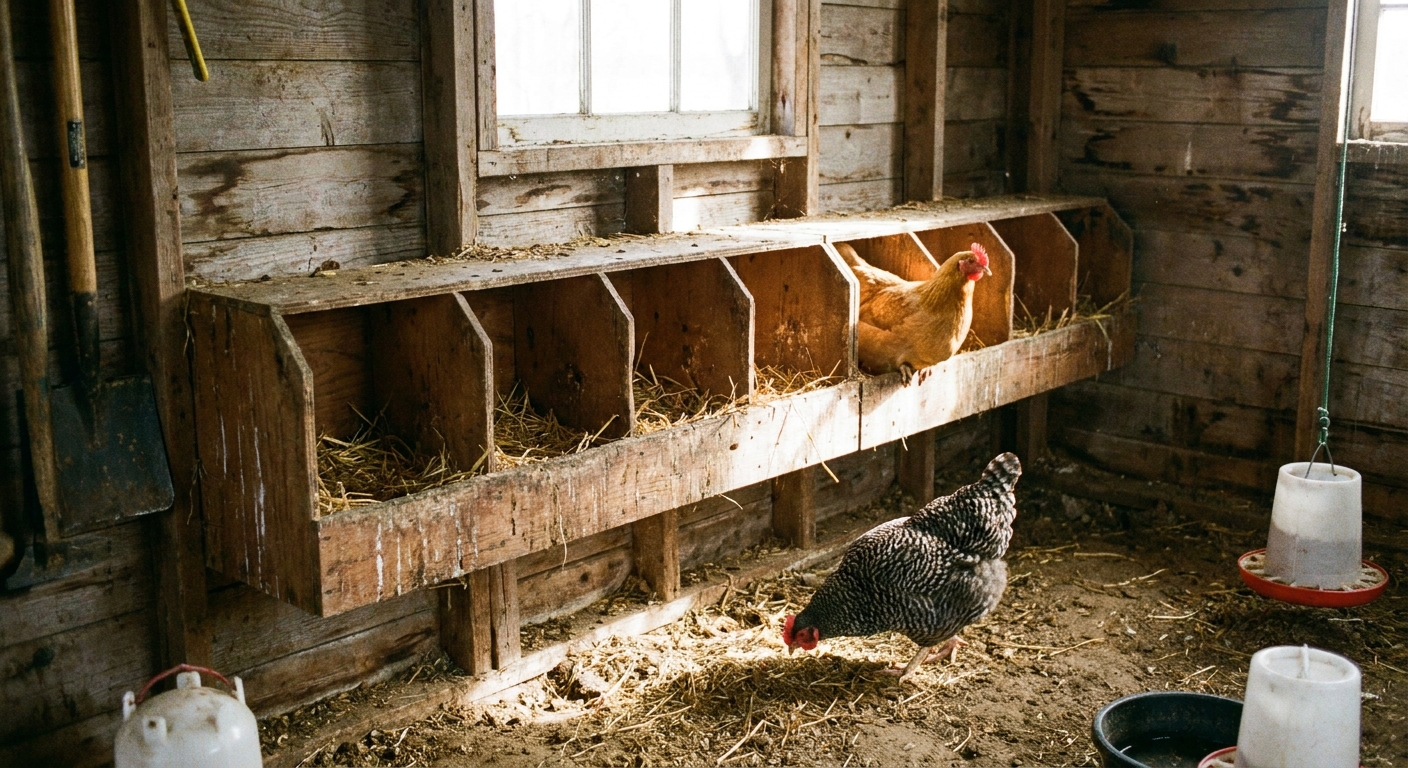
As laying gets close, pullets often become very interested in nest boxes. They will hop in, scratch around, sit for a few minutes, hop out, then repeat like they are touring apartments.
You might also see:
- More time spent inside the coop during the day
- Scratching and arranging bedding in a particular corner
- Following older hens into nest boxes (sometimes awkwardly squeezing in together)
- Annoying the current layers by staring at them while they lay
This is a great time to make sure your nesting setup is ready. I like one nest box for every 3 to 4 hens, filled with clean, dry bedding.
Simple coop tweaks that help prevent floor eggs: keep nest boxes a little darker than the rest of the coop (a curtain works), block off tempting corners, and toss a dummy egg into each box once they start scouting. Most pullets get the hint fast.
Sign #5: New layer noises
Some pullets get chatty right before they start laying. You might hear:
- Random loud squawks that seem to come out of nowhere
- Practice “egg songs” that start and stop like she forgot the lyrics
- Increased flock commentary in the morning
Not every bird is a vocalist, but if your normally quiet pullet suddenly has opinions about everything, you may be close.
What first eggs look like
First eggs are often a little surprising. They might be:
- Small: “pullet eggs” are real and totally normal.
- Odd-shaped: slightly pointy, a little long, or occasionally wrinkled.
- Inconsistent in color: especially with brown-egg layers early on.
Within a few weeks, size and shape usually settle into the hen’s normal pattern.
Common newbie panic: finding a tiny egg with a soft shell. One soft shell now and then can happen when a pullet is starting up. If it keeps happening, tighten up nutrition and consider a health check.
How to help them lay strong
1) Switch to layer feed at the right time
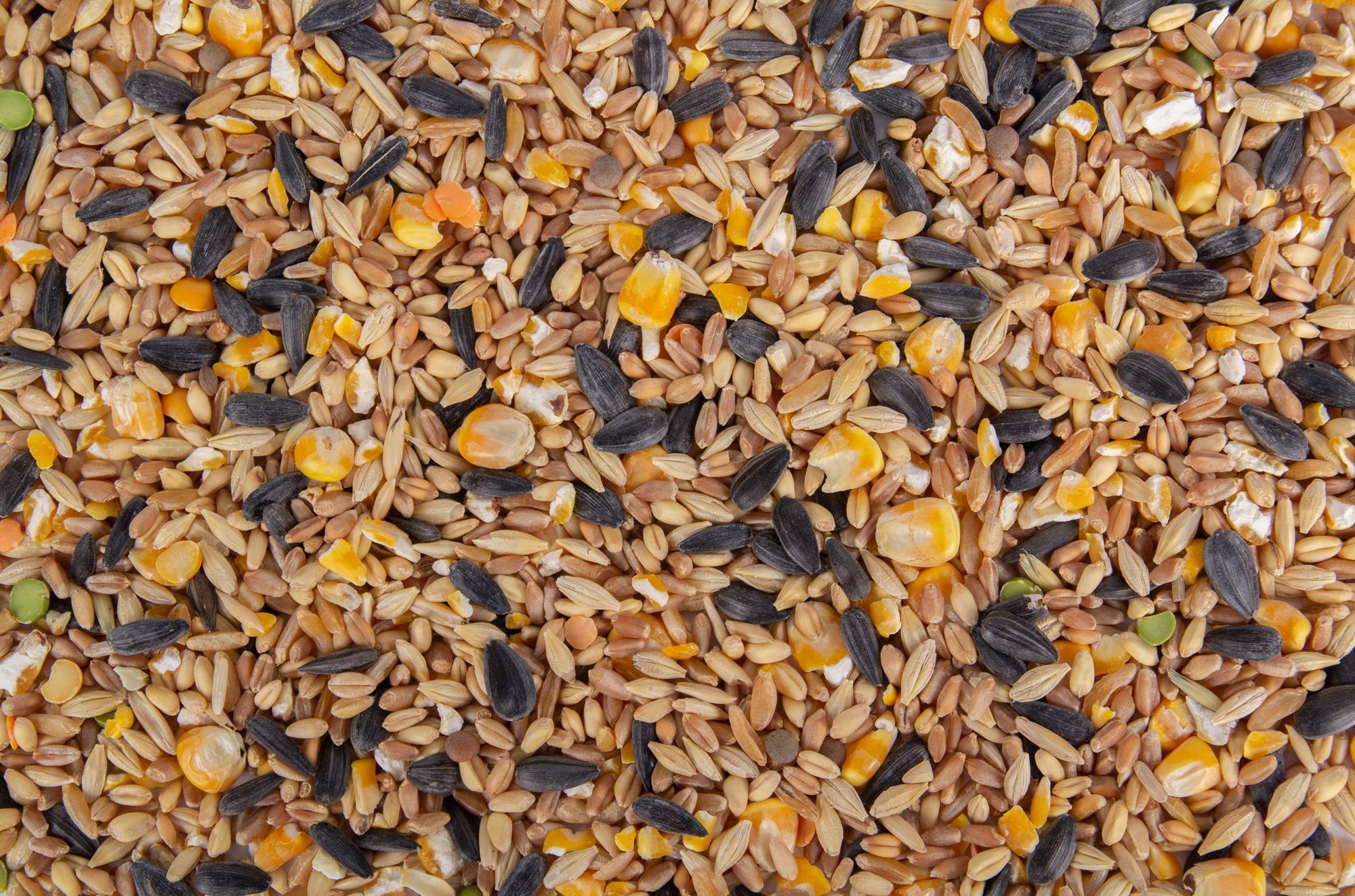
I typically keep pullets on a quality grower feed until they are close to laying age (or until the first eggs appear). Once eggs start showing up regularly, move to a layer feed with appropriate calcium levels.
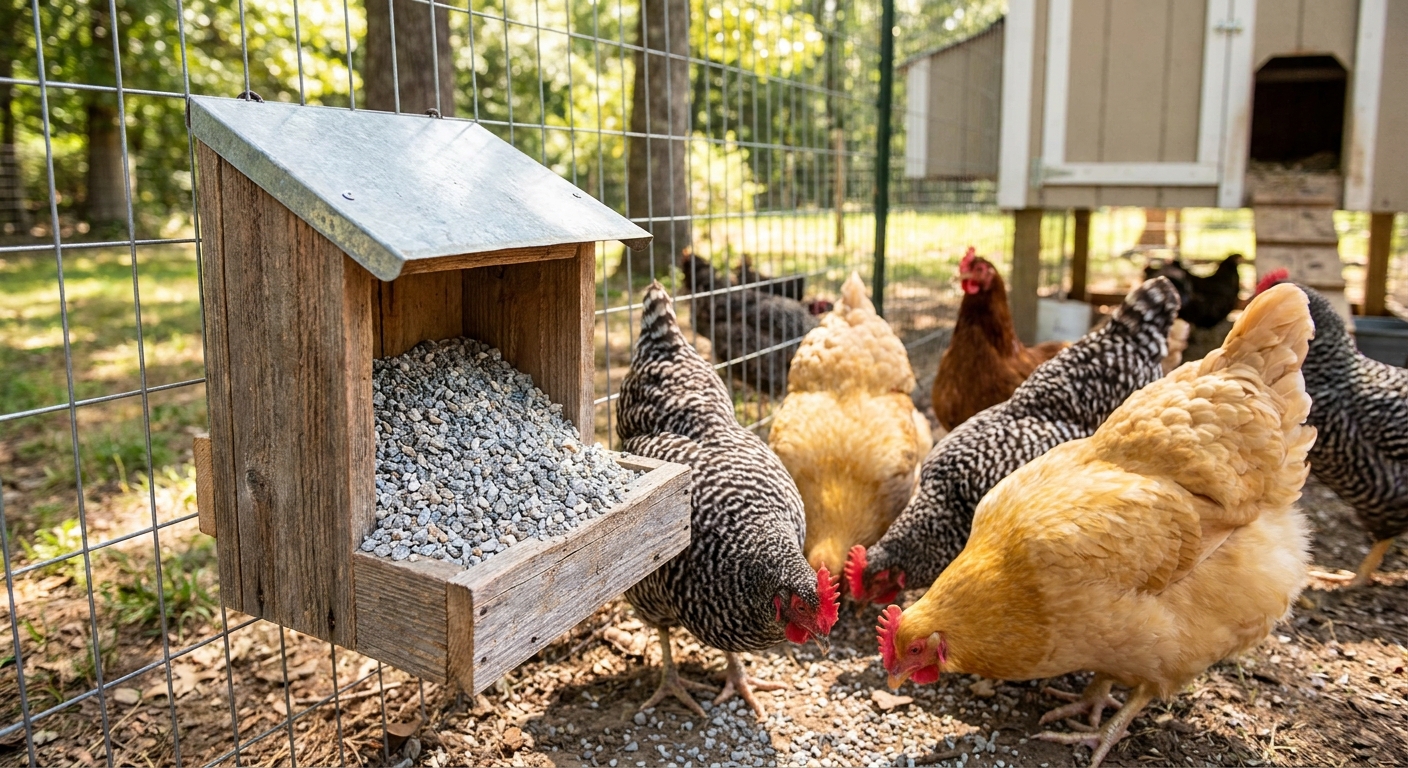
If you have mixed ages (pullets with older layers), you can use an all-flock feed and offer free-choice oyster shell on the side for the layers. That prevents young birds from getting too much calcium too early.
2) Offer oyster shell when laying begins
Once eggs are arriving, keep oyster shell available in a separate dish. I prefer free-choice rather than mixing it into the feed so each hen can take what she needs.
3) Keep stress low
Big changes can delay laying: moving coops, adding new birds, predator scares, or constant handling. Calm, predictable days help a lot.
4) Manage light thoughtfully
Hens lay best with about 14 to 16 hours of light and, more importantly, a consistent photoperiod. Many backyard keepers do not add artificial light, and that is perfectly fine. Just know that pullets coming of age in late fall and winter may wait for longer days.
If you do add light, keep it gentle and steady with a timer, and make sure your birds still get a solid dark period for rest.
If your pullets are late
If your birds are past 24 weeks and you are still staring at empty nest boxes, do not panic. For some breeds and seasons, that is still well within normal. Run through this checklist before you assume something is wrong.
- Breed and body type: heavier or slow-maturing lines often start later.
- Season and daylight: fall and winter pullets commonly delay.
- Nutrition: too many treats or scratch can dilute protein and minerals.
- Parasites: lice, mites, or worms can slow growth and maturity.
- Stress: predator pressure, dog harassment, or flock bullying.
- Illness: lethargy, weight loss, pale comb, diarrhea, or labored breathing are red flags.
- Hidden eggs: they might be laying somewhere you did not approve of, like behind the feed bin or in the shrubbery that you thought was “too open.”
If a pullet seems unwell, isolate if needed and consult a poultry-savvy vet. If she looks healthy, keep conditions steady and give her time. Chickens are rarely on our schedule.
FAQ
How long after the comb turns red will she lay?
Often within 1 to 3 weeks, but it varies. I use comb color as a “we are getting close” sign, then watch for nest box interest and squatting to narrow it down.
Will pullets lay in winter?
They can, especially if they reach maturity while days are still fairly long. But many pullets that mature in late fall slow down or wait until daylight increases. It is normal.
My pullet is sitting in the nest box but no egg. Is she broody?
Sometimes it is just practice. A true broody pullet or hen tends to camp out, puff up, growl, and protest when you try to move her. Pullets close to laying usually hop in and out and act curious rather than defensive.
Should I add fake eggs?
Fake eggs can help train hens to use the boxes and can discourage egg eating, but they do not make a pullet’s body mature faster. If you want to use them, add one to each nest box once the pullets start showing nesting interest.
The bottom line
Most pullets start laying between 16 and 24 weeks, with some breeds pushing earlier or later. Watch for the combo of red comb and wattles, widening pelvic bones, squatting, nest box scouting, and “egg song” practice. When you see several of those at once, keep your nest boxes clean, your feed consistent, and your expectations flexible.
And when that first tiny egg shows up, take a minute to enjoy it. It is one of the best little milestones in backyard chicken keeping.