A sudden egg slump usually has a simple cause. Check these common culprits, including light, molt, stress, diet, health, broodiness, and missing eggs, with p...
The Cluck Loom
Keeping Hens Laying in Winter: Supplemental Coop Lighting Pros and Cons
Short winter days can stall egg production. Learn how daylight affects laying and how to use supplemental coop lighting safely, plus the benefits, risks, and kinder alternatives.

Maggie Harper
Maggie Harper is a passionate backyard chicken keeper with over a decade of hands-on experience raising mixed flocks. Through CluckLoom, she shares practical advice on coop building, flock health, and egg production to help beginners and seasoned enthusiasts alike raise happy, healthy chickens.
Published
October 22, 2026
Last updated
October 22, 2026
Every fall I watch it happen like clockwork. The garden fades, the mornings get darker, and my egg basket goes from “omelet abundance” to “who took my eggs?” If you are a new chicken keeper, this drop can feel personal. It is not. It is biology.
Hens are designed to ramp up laying when days are long and food is plentiful, then slow down when daylight shrinks. Supplemental coop lighting can nudge your flock back into production, but it comes with real tradeoffs. Let’s walk through what is happening, what lighting can and cannot do, and how to do it safely if you choose to.
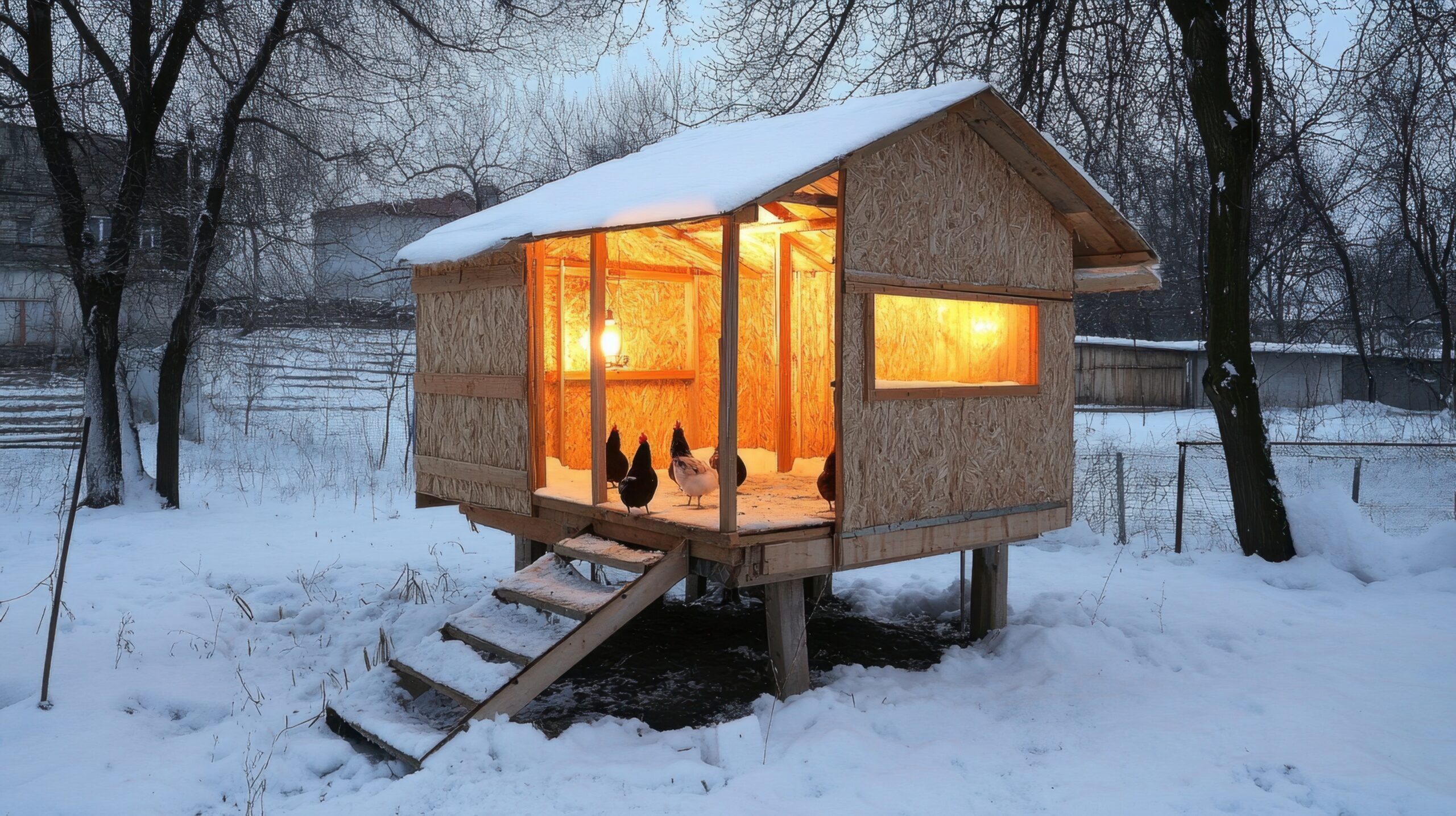
Why egg production drops in winter
The biggest driver of winter egg slowdowns is day length, not temperature. Many flocks respond best when they get roughly 14 to 16 hours of light total (natural daylight plus any added light), but it is not a hard rule. Breed, age, health, and nutrition all matter.
When daylight dips, the hen’s body prioritizes maintenance over making eggs. Producing an egg is nutritionally expensive. Short days are your flock’s natural cue to rest, molt, and conserve resources.
Light cues the brain, not just the eyes
Here is the neat part. In birds, day length is read through more than one pathway. The eyes play a role, and so do light-sensitive tissues in the head that help signal the hormonal system. More perceived “daylight” tells a hen’s body: keep laying. Less light says: take a break.
Other winter factors that can stack the deck
- Molt: Some birds molt in fall or early winter, and egg laying often pauses completely.
- Nutrition changes: Less foraging and fewer insects means fewer bonus proteins and greens.
- Stress: Drafts, dampness, overcrowding, and predator pressure can all reduce laying.
- Age: Pullets lay hard their first year. Older hens naturally slow down, winter or not.
- Point of lay timing: First-year pullets often do better in winter, but very young pullets can also delay starting if they are still growing and daylight is short, especially if they hatched late in the season.
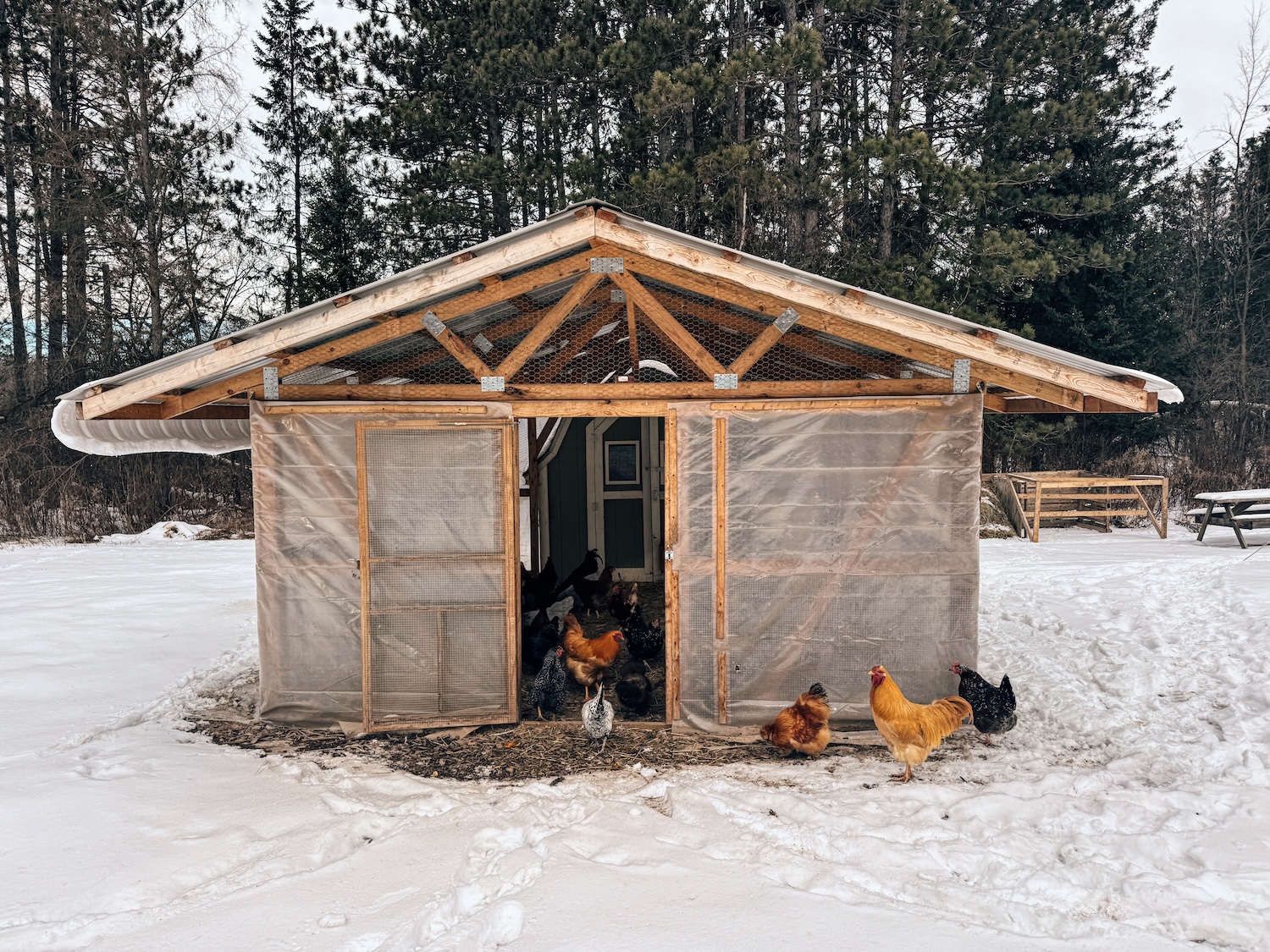
What supplemental coop lighting does
Supplemental lighting simply extends the perceived day so your hens keep their laying rhythm through the darkest months. It does not create eggs out of thin air. Your birds still need:
- Enough calories to stay warm and maintain weight
- Balanced layer feed and access to calcium
- Fresh water that is not frozen
- Low stress and a safe, dry coop
Think of lighting as turning the “go” signal back on. The flock still has to have the fuel to do the job.
One more non-negotiable: hens still need a solid, uninterrupted dark period for sleep. In practical backyard terms, aim for a consistent night with several hours of true darkness. Do not run lights so long that your flock never really powers down.
Pros of supplemental lighting
1) More consistent winter eggs
The obvious perk is a steadier supply of eggs when you want them most: holiday baking season, soup season, and “I cannot face another bowl of cereal” season.
2) Predictability for families and routines
If you sell a few dozen to neighbors or simply plan your household around home eggs, lighting can keep production from dropping to near zero.
3) Helps some flocks avoid a total stop
Not all hens shut down completely. With added light, many will keep laying at a reduced but respectable pace.
Cons and risks to consider
I am not anti-lighting. I have used it in certain years. But I always treat it like a tool, not a requirement. Here is why.
1) Less rest can mean faster wear in some birds
Hens are not machines. A natural winter break can support long-term health. Pushing for year-round laying may lead to earlier slowdowns in production for some hens over their lifetime, simply because you are asking for more total output with less seasonal downtime. Some birds handle it fine. Others look worn out by spring.
2) Over-lighting can cause stress and pecking
Too much light, too bright, or light that stays on late into the night can disrupt sleep. Overtired chickens can get cranky, and cranky chickens can pick on each other.
3) Fire and electrical hazards are real
Coops are dusty, full of bedding, and sometimes a little… let’s call it “creative wiring” from our DIY days. Heat lamps and flimsy extension cords are a bad mix. Supplemental lighting should be low-heat and securely installed. If power is involved, use outdoor-rated cords and fixtures, keep connections dry, and plug into a GFCI outlet if you can.
4) It will not override molt or poor nutrition
If your birds are molting, sick, underweight, or lacking protein, light will not magically fix it. In some cases, it can make recovery harder by asking the body to do too much at once.
5) Ethical comfort level varies
Some keepers feel strongly that hens deserve a winter rest. Others prioritize food independence and steady eggs. There is not one “right” answer, but you should choose intentionally, not out of panic when the nest boxes go empty.
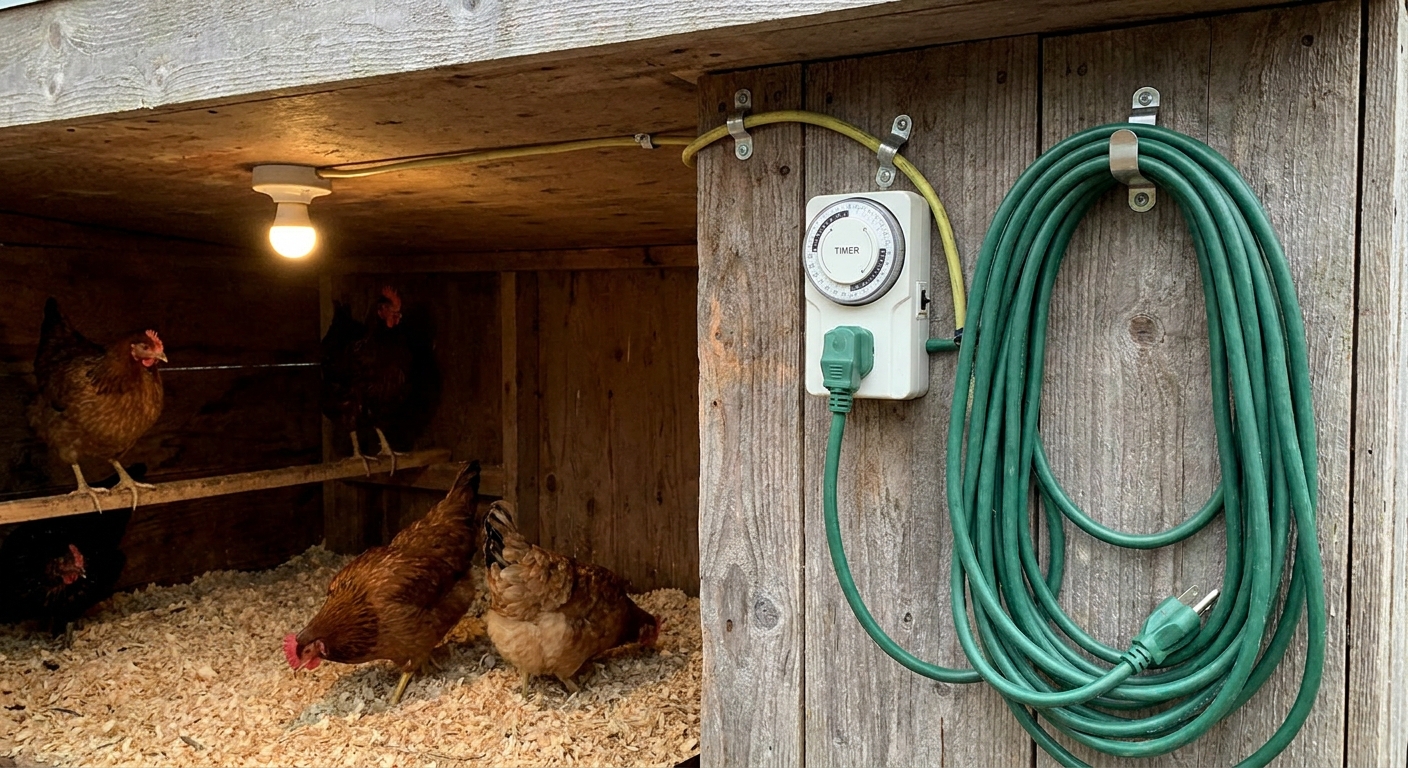
How to add coop lighting safely
If you decide to use supplemental lighting, the safest setups are simple, dim, and consistent.
Step 1: Pick a low-heat bulb
- Use LED bulbs. They stay cool and are energy efficient.
- Aim for soft, warm light. You are extending daylight, not lighting up a stadium.
- As a very rough starting point, one 40 to 60 watt-equivalent LED is plenty for many small backyard coops. If your coop is larger, add light gently rather than blasting one super bright bulb.
- Avoid heat lamps for lighting purposes. If you use heat at all, that is a separate safety conversation.
Step 2: Put the light where it cannot be pecked
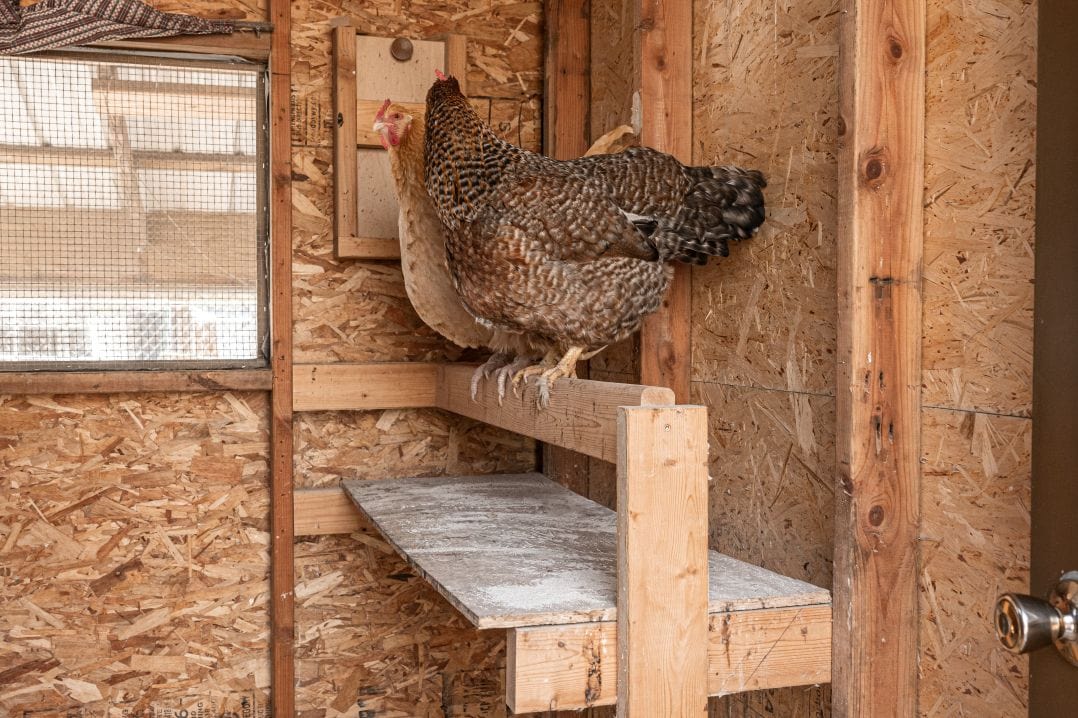
- Mount the fixture high on the ceiling or in a protected corner.
- Use a covered bulb or a guarded fixture if curious birds can reach it.
- Keep cords out of reach and secured to framing.
Step 3: Use a timer
Consistency matters. A timer prevents the accidental “oops, I left it on all night” problem.
My rule: add light in the morning, not at night. Chickens like to go to bed with the sun. If you shut lights off at night while they are still active, they can panic and injure themselves trying to find the roost.
Step 4: Aim for 14 to 16 total hours
That total includes natural daylight. If your winter day is 9.5 hours long, you might add 4.5 to 6.5 hours of light in the morning.
- Simple approach: set the timer to come on a few hours before sunrise and switch off at sunrise.
- Example: in many places, that looks like about 4:30 to 6:00 a.m. on-time with lights off at sunrise, but your exact schedule depends on latitude and season.
Step 5: Ramp up gently
You can switch to a full timer schedule in one go and many keepers do. That said, a gentler approach is to add about 30 minutes every few days until you reach your target. It can be an easier transition for the flock, especially if they have been on true winter hours for a while.
Step 6: Keep it calm and not too bright
You should be able to walk in and see feeders and roosts clearly, but it should not feel like a workshop. If your birds are unusually noisy, pacing, or pecking, dial the brightness down.
Step 7: Double down on winter basics
- Water: provide unfrozen water all day
- Feed: a quality layer ration as the base, plus scratch only as a treat
- Calcium: offer free-choice oyster shell
- Protein: consider a little extra during molt (mealworms in moderation, fish-based feed topper, or higher-protein ration)
- Ventilation: dry air and airflow above roost level prevents moisture buildup
How long to use supplemental lighting
Most backyard keepers use it during the darkest stretch and then taper off as days naturally lengthen.
- Start: when day length drops and your egg numbers noticeably slide (often late fall)
- End: when natural daylight is back near the threshold (often late winter into early spring)
If you stop, taper down gradually just like you ramped up. Sudden changes can disrupt laying and roosting routines.
Kinder alternatives to try first
If you are on the fence about lighting, these steps often bring eggs back sooner, or at least keep your flock healthier until spring.
Improve coop comfort
- Block drafts at bird level, but keep high ventilation
- Keep bedding dry and deep enough to insulate the floor
- Make sure roosts are wide enough for hens to cover their toes
Make winter feeding more intentional
- Feed layer ration free-choice (or measured generously if you have waste)
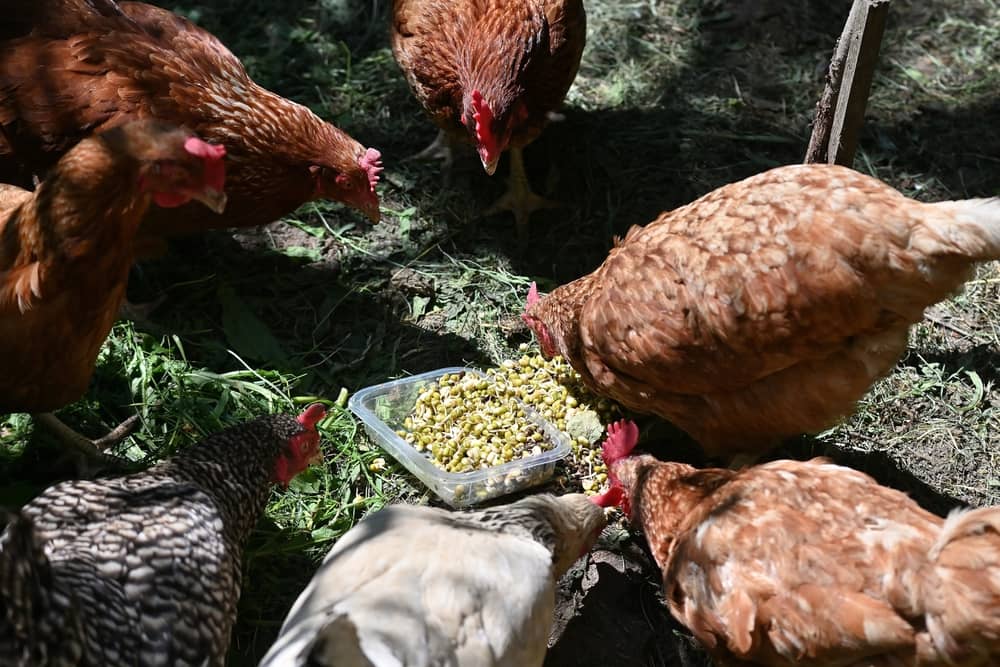
- Offer leafy greens, sprouted grains, or a winter-safe veggie treat
- Use scratch as an evening treat so they go to bed with full crops
Let older hens take a break
My older girls have earned their winter vacation. If you keep a mixed-age flock, consider letting the seniors rest while younger birds carry the egg count, naturally.
FAQ
Will supplemental light hurt my hens?
Used thoughtfully, many flocks tolerate it fine. The risk comes from pushing too hard, too bright, too long, or ignoring basic health and nutrition. I treat it as a seasonal tool, not a year-round expectation.
Do I need light in the coop or the run?
Coop lighting is usually enough because it extends “daytime” where they wake, eat, and lay. Lighting the run can encourage early activity outside when predators are still roaming, so I keep the light indoors.
How bright should the light be?
Bright enough to read a feed bag and see the roosts clearly, but not so bright your birds look wide-eyed and restless. For many backyard coops, a single 40 to 60 watt-equivalent LED is plenty.
Can I add light at night instead of morning?
You can, but I do not recommend it. Morning light is safer because the flock naturally transitions to dark at sunset. Sudden darkness at night can cause injuries and stress.
My hens have light but still are not laying. What now?
Check for molt, age, parasites, illness, stress, and nutrition gaps. Also confirm you are actually reaching roughly 14 to 16 total hours of light while still allowing a consistent dark sleep window. And yes, sometimes the answer is simply: it is winter, and their bodies are insisting on a break.
My take from the backyard
If you want a few more eggs for winter breakfasts, supplemental coop lighting can work, and it is not automatically “bad.” Just be honest about the tradeoff: you are asking your hens to keep producing when their bodies would rather rest.
When I use lighting, I keep it simple. LED bulb, timer, morning-only, and a hard stop once days start stretching out again. And I always watch the flock first. The birds will tell you if the setup feels calm and normal, or if it is turning winter into one long cranky day.
However you choose, you are not failing if the eggs slow down. Sometimes the most chicken-keeper thing you can do is shrug, make soup, and let spring do its job.