Size, placement, and bedding that keep eggs in the coop instead of under the hydrangeas. Practical tips to stop egg hiding, dirty eggs, and box squabbles.
The Cluck Loom
Troubleshooting a Drop in Egg Production
Egg basket suddenly empty? Here are 7 common reasons hens stop laying, plus broodiness and egg eating, with practical checks and fixes for backyard flocks.

Maggie Harper
Maggie Harper is a passionate backyard chicken keeper with over a decade of hands-on experience raising mixed flocks. Through CluckLoom, she shares practical advice on coop building, flock health, and egg production to help beginners and seasoned enthusiasts alike raise happy, healthy chickens.
Published
October 22, 2026
Last updated
October 22, 2026
The day your egg production drops off a cliff always feels the same: you do the usual coop walk, you reach into the nesting box with confidence, and… nothing. Maybe one lonely egg. Maybe a whole lot of judgmental hen side-eye.
I have been there. More than once. And the good news is that a “sudden” stop in laying is usually your flock responding to something very normal: changes in light, stress, diet, health, or simply time.
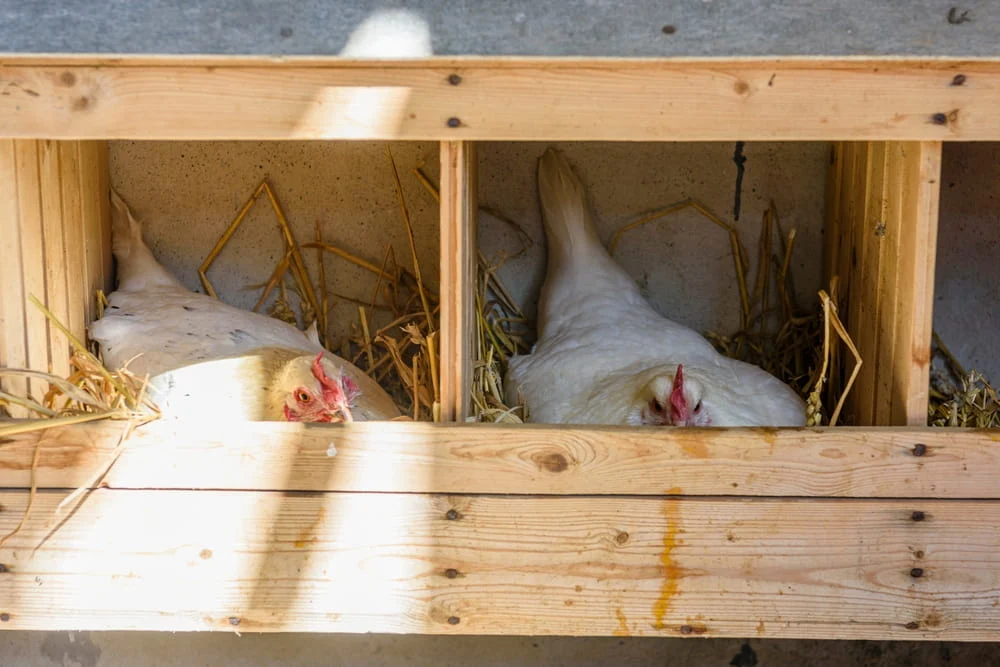
Below are seven of the most common reasons hens stop laying, plus exactly what to check so you can narrow it down fast. I also included two bonus culprits that fool a lot of backyard keepers: broodiness and egg eating.
1) Shorter days (seasonal light)
Light is the big one. Many hens lay best when they get roughly 14 to 16 hours of consistent light per day. When fall and winter roll in, your birds do what birds have always done: conserve energy.
What you will notice
- Egg numbers slide gradually over a couple weeks
- Hens otherwise look healthy and active
- Often hits hardest in late fall through midwinter
What to do
- Accept the seasonal break if you prefer a natural cycle. Your hens will typically rebound as days lengthen.
- If you want winter eggs, add a coop-safe light on a timer so mornings start earlier. Aim for about 14 hours total light, and add time slowly (15 minutes every few days) to avoid stressing them.
- Keep it gentle: one warm-white bulb is plenty. You are extending “daytime,” not hosting a stadium event.
My neighbor-fence advice: If your flock is molting or stressed too, skip the extra light and let their bodies recover first. Light can help, but it cannot outvote biology.
2) Molt (feathers first)
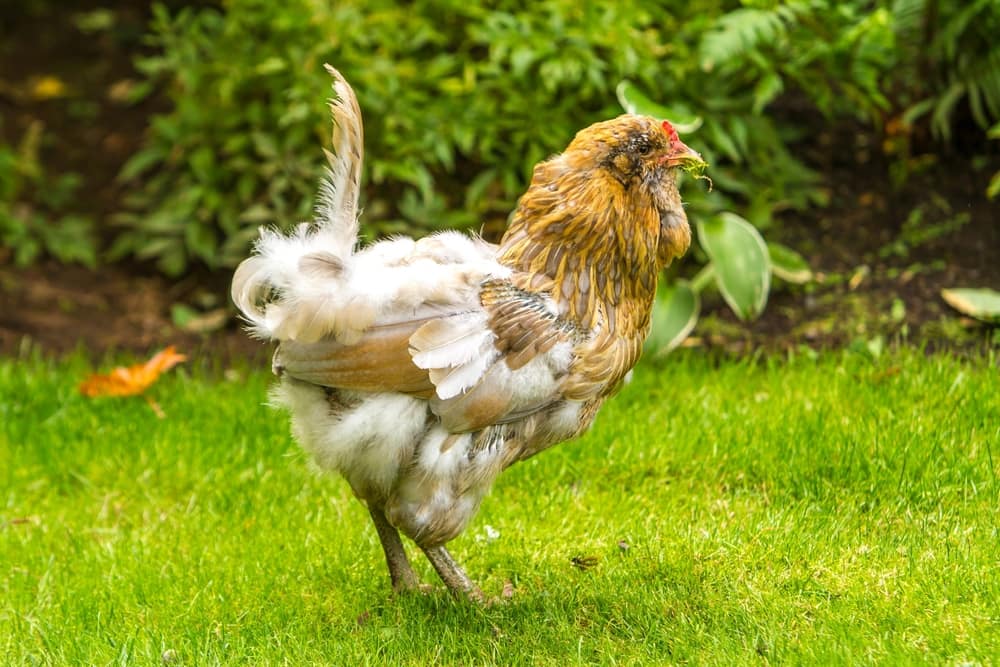
Molting is like your hen saying, “I can either build feathers or build eggs, but not both.” During a hard molt, egg production often slows to a trickle or stops completely.
What you will notice
- Loose feathers everywhere, scruffy neck or back, duller look
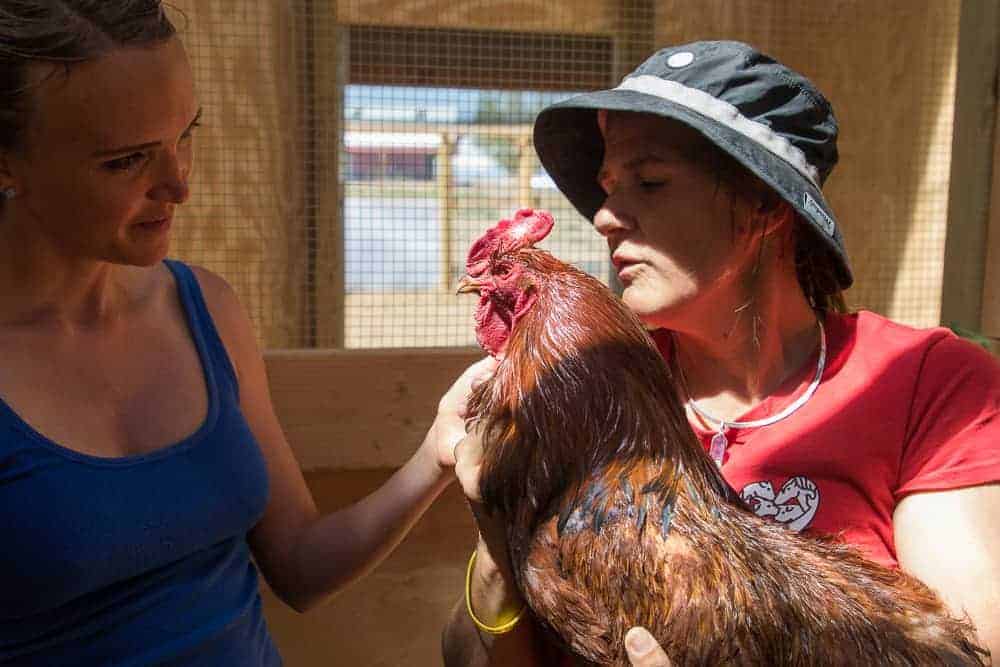
- Hens may be a bit grumpy or sensitive to handling
- Drop often happens late summer through fall, but can vary
What to do
- Feed a quality layer feed and consider a short-term protein boost (for example, mealworms in moderation, or a higher-protein flock ration if appropriate for your setup).
- Keep stress low: plenty of space, steady routine, and good ventilation.
- Be patient. Many hens resume laying after feathers come back in, though older hens may restart more slowly.
3) Age (normal slowdown)
Hens are most productive in their first year of laying. After that, production often declines each year, depending on breed and individual genetics. Some birds are rock stars longer, and some decide they have contributed enough to society.
What you will notice
- Fewer eggs overall, with longer gaps between eggs
- It is rarely truly “sudden” unless something else also changed
- Hens are 2+ years old, especially 3 to 5+
What to do
- Reset expectations: older hens usually lay fewer eggs.
- Egg size may be larger than their first season, but it varies by hen.
- If eggs are your main goal, consider adding a few young pullets to balance production.
- Support senior birds with excellent nutrition, easy access to water, and calm flock management.
4) Stress (predators and upheaval)
Hens are routine lovers. Stress can pause egg production fast, sometimes within a day or two. The frustrating part is that the stressor is not always obvious to us.
Common backyard stress triggers
- Predator pressure: a raccoon testing latches at night, a hawk patrolling, a dog harassing the run
- Flock shakeups: adding new birds, rehoming, bullying, overcrowding
- Environment changes: moving the coop, remodeling, loud construction, fireworks
- Heat stress: high temps can tank laying quickly
- Cold snaps: severe cold plus wet drafts, poor ventilation, or not enough calories can also contribute
What to do
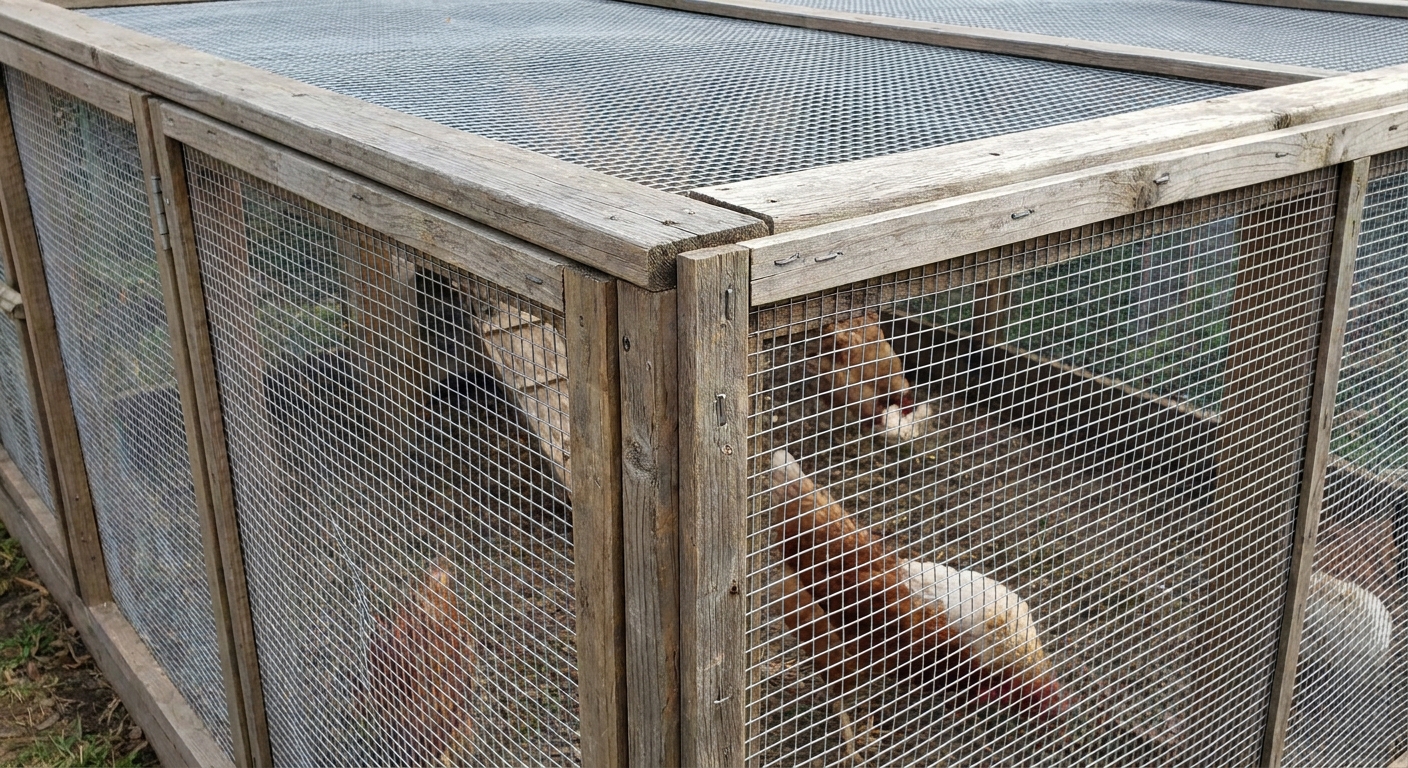
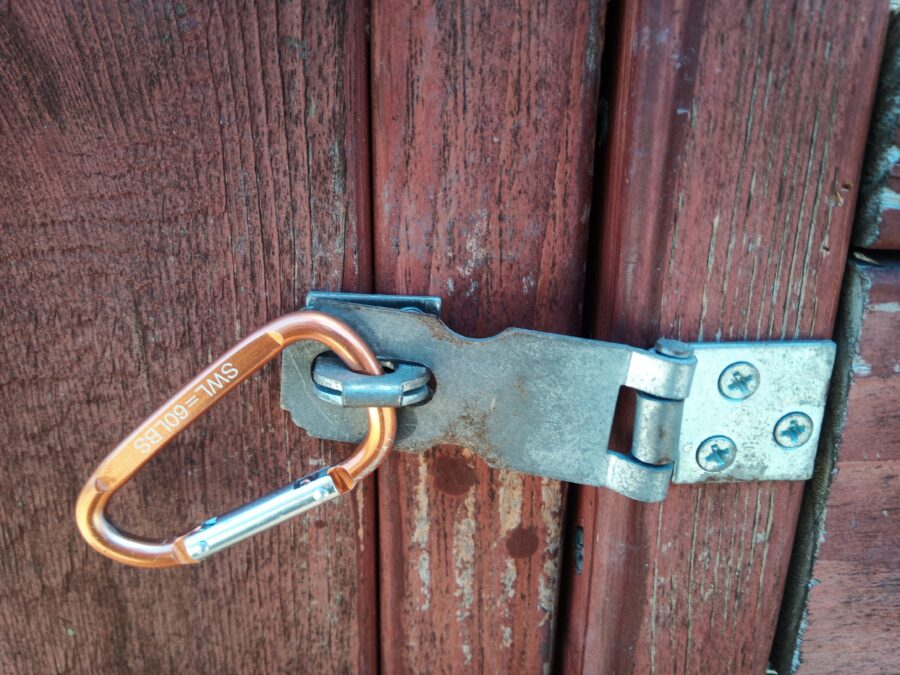
- Predator-proof first: hardware cloth (not chicken wire), secure latches (two-step if needed), and lock everything at dusk.
- Give your flock enough space , multiple feeders and waterers, and more than one nesting box to reduce conflict.
- In heat: provide shade, constant cool water, and airflow. Electrolytes can be helpful during extreme heat , but they are not a substitute for water and cooling.
- In cold: keep the coop dry and well-ventilated without drafts at roost level , and make sure they have adequate feed access.
- After a stressful event, give it a week or two. Many hens resume once they feel safe again.
5) Diet issues (treat overload)
Eggs take calories, protein, and minerals. If the diet is unbalanced, laying is one of the first things your hens will downshift on.
Quick nutrition checks
- Are they eating a fresh, quality layer feed (not stale, not moldy, stored in a sealed bin)?
- Do they have oyster shell available free-choice (especially important for heavy layers)?
- Are treats more than about 10 percent of their intake?
- Are they filling up on scratch grains and not finishing their ration?
What to do
- Make layer feed the main event, treats the side dish.
- Offer oyster shell in a separate container, not mixed into feed.
- If you have mixed ages or roosters, consider flock management options (for example, separating feeders) so layers consistently get what they need.
- Ensure constant clean water. A water disruption can shut laying down surprisingly fast.
Small but mighty tip: If you switched feeds recently, check the protein percentage and ingredients. Some flocks react to sudden changes. A gradual transition can help.
6) Health or parasites (a symptom)
If the drop is sudden and your hens also seem “off,” think health. Chickens hide illness well, so I take an egg slump seriously when it comes with behavior changes.
Red flags to watch for
- Low energy, puffed up posture, pale comb
- Reduced appetite or water intake
- Diarrhea, odd droppings, or a dirty vent
- Coughing, sneezing, nasal discharge
- Limping or reluctance to move
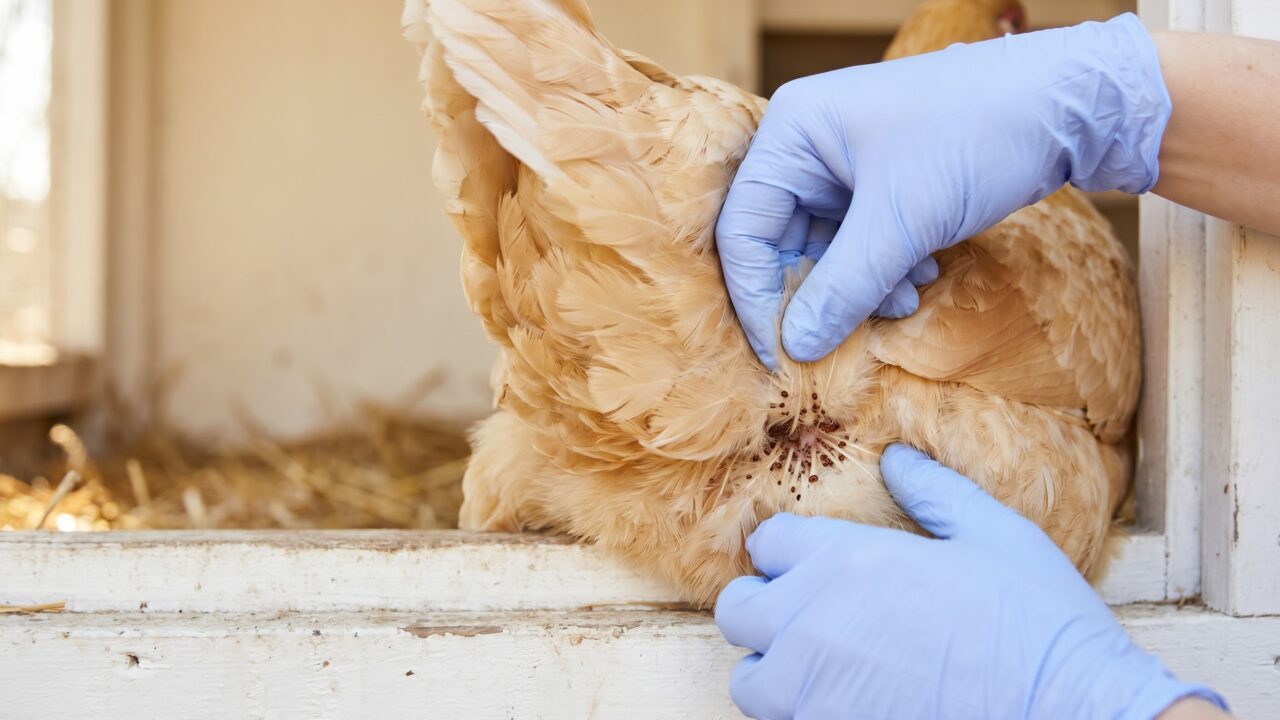
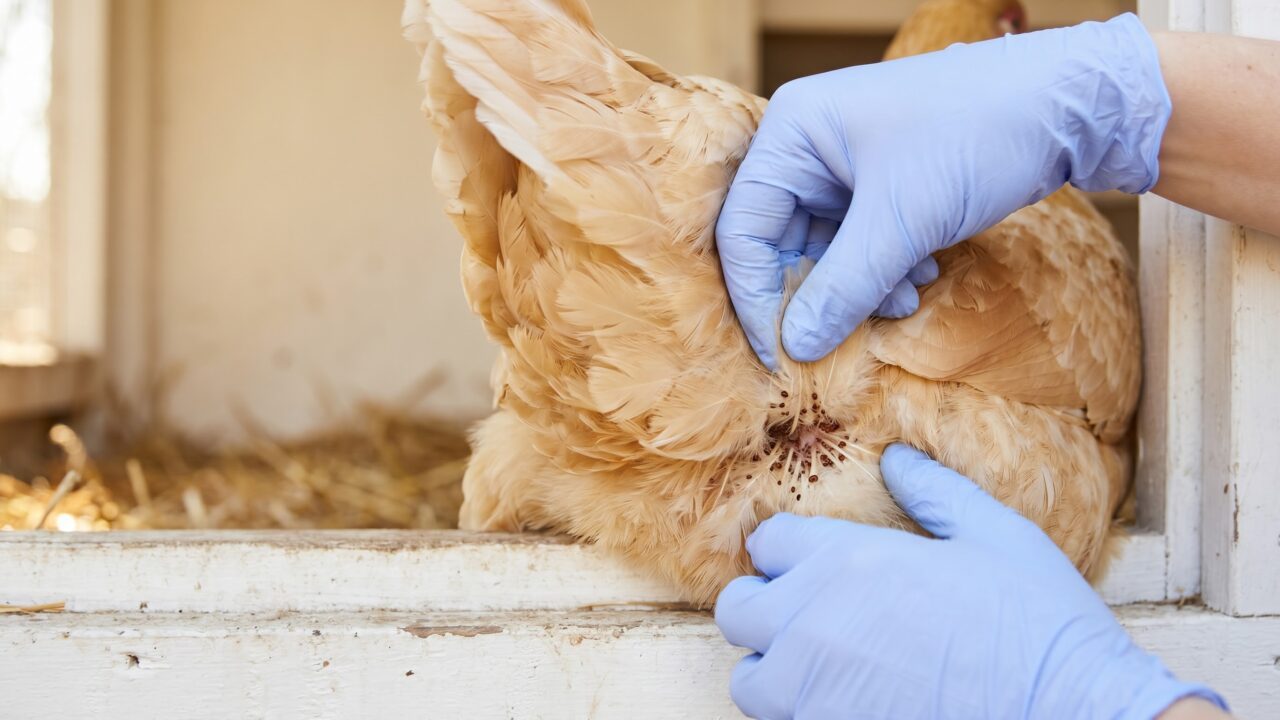
- Signs of mites or lice: dirty-looking feathers, irritated skin, specks at the base of feathers, nighttime restlessness
What to do
- Do a hands-on check : weight, keel bone prominence, vent condition, feet, and under-feather inspection around the vent and under wings.
- Check for parasites : treat promptly if you find mites or lice, and clean the coop thoroughly. Re-treat per product directions, because eggs and life cycles matter.
- Follow all label directions closely, including any egg withdrawal guidance when using medications or pest-control products around laying hens.
- If you suspect respiratory illness, egg binding, or your bird is declining quickly, contact an avian vet. Time matters.
Note: If only one hen stopped laying and she looks uncomfortable, tail down, or straining , that is a different situation than a flock-wide seasonal slowdown. When in doubt, treat it as urgent.
7) Eggs are not making it to you
Before you assume the worst, do a little backyard detective work. Sometimes eggs are being laid, but you are not seeing them: a hidden nest, egg eating, or even a small predator snagging them.
What you will notice
- Egg production “drops,” but your hens act totally normal
- One or two hens disappear for a bit during the day
- Lots of interest in corners, tall grass, under decks, inside sheds
- Occasional sticky yolk in the nest, suspicious shells, or chickens with yolk on their beaks (yes, really)
What to do
- Confine to the run until late morning for a few days so they use the nesting boxes.
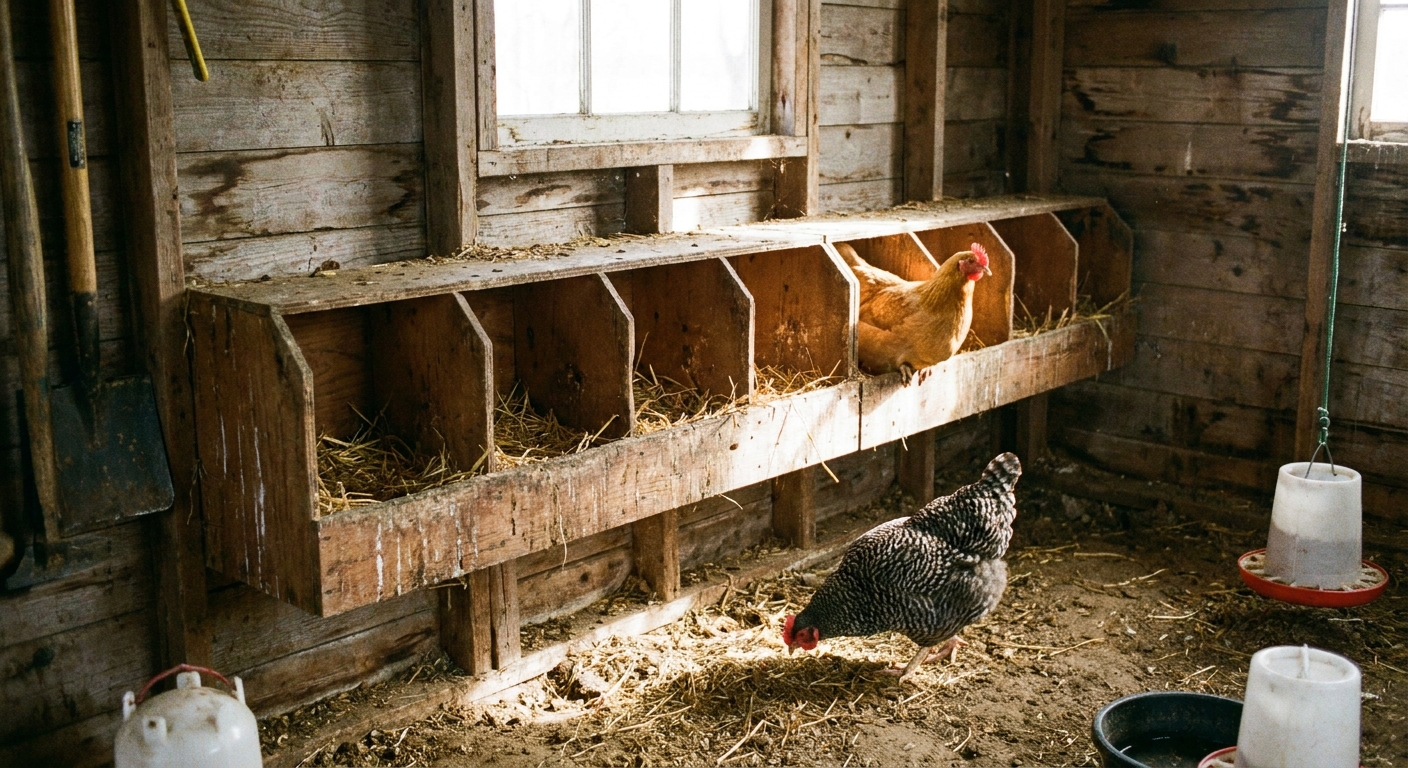
- Make nest boxes irresistible: clean bedding, dimmer corner, and enough boxes (a good rule is 1 box per 3 to 4 hens).
- Do an egg hunt: check sheltered spots, especially where you would hide something if you were a clever little dinosaur in a feather coat.
- Use fake eggs or golf balls in boxes to signal “this is the approved location.”
- If egg eating is the issue, collect eggs more often, keep bedding clean, and address thin shells with correct nutrition and free-choice oyster shell.
Bonus: Broody hen
Broodiness is the most dramatic “I quit laying” you will ever see. A broody hen stops producing, parks herself in a nest, and acts like the nest box is her full-time job.
What you will notice
- A hen staying in the nesting box for long stretches
- Growling, pecking, or puffing up when you reach under her
- Flattened posture, warm belly, and a stubborn refusal to leave
What to do
- Decide your goal: let her hatch chicks (if you are set up for it and have fertile eggs), or gently break the broody cycle.
- To break broodiness, remove access to nest boxes during the day if possible, collect eggs frequently, and increase activity and distractions in the run.
- Expect a lag. Even after she stops brooding, it can take time for laying to restart.
Quick checklist (10 minutes)
- Look at the calendar: shorter days or molt season?
- Scan the coop and run: signs of predators, broken latches, recent disruptions?
- Check feed and water: fresh layer ration, water flowing, oyster shell available?
- Observe bodies and behavior: scruffy molt, bullying, lethargy, pale combs, broody nest-sitting?
- Search for missing eggs: hidden nests, egg eating, or evidence of a thief
When laying may return
Every flock is different, but here are realistic timelines:
- Stress event: often 1 to 3 weeks after things calm down
- Feed or routine change: 1 to 2 weeks once stable
- Molt: 4 to 12+ weeks depending on severity and age
- Seasonal light drop: often improves as day length increases, unless you add supplemental light
- Illness, parasites, or medication changes: depends on cause, treat promptly and expect a slower return
- Broodiness: days to weeks after the broody spell ends, depending on the hen
If you tell yourself, “It has been a month and nothing is improving,” that is your cue to dig deeper with a hands-on health check and professional help if needed.
FAQ
Can hens stop laying suddenly for no reason?
Usually there is a reason, but it may be subtle: a predator spooked them at night, a waterer clogged, a bully started guarding the nest boxes, a hen went broody, or they found a secret nest. “Sudden” is often “we did not notice the trigger yet.”
Will chickens lay without a rooster?
Yes. Roosters are not required for egg production. They are only needed if you want fertile eggs that can develop into chicks.
How many eggs should I expect in winter?
It depends on breed, age, and whether you use supplemental light. Many backyard flocks slow down a lot in winter. Cold itself is not usually the main issue, light is.
Should I switch to a higher-protein feed to get eggs back?
Higher protein can help during molt or recovery, but it is not a magic button. Start with a solid base ration, keep treats limited, and make sure stress and health issues are addressed.
The bottom line
An empty nesting box is frustrating, but it is also useful information. Your hens are telling you something about their environment or their bodies. Check light, molt, age, stress, nutrition, health, and the very real possibility that the eggs are hidden, eaten, or guarded by a broody tyrant, and you will almost always find the culprit.
If you want, tell me your hens’ ages, your daylight hours right now, whether they are molting or broody, and what feed you are using, and I can help you narrow it down like we are chatting over the backyard fence.