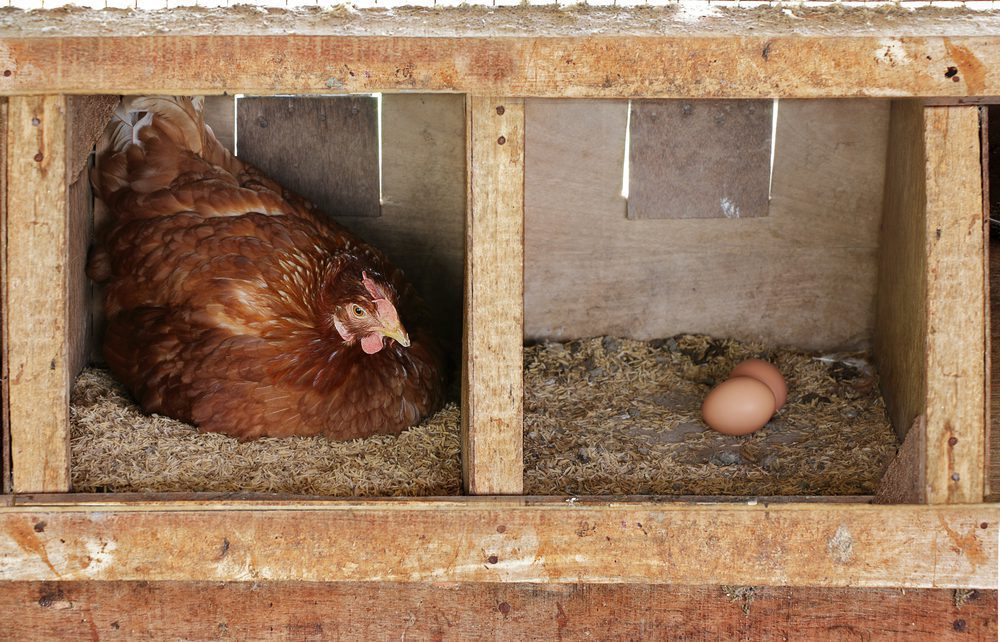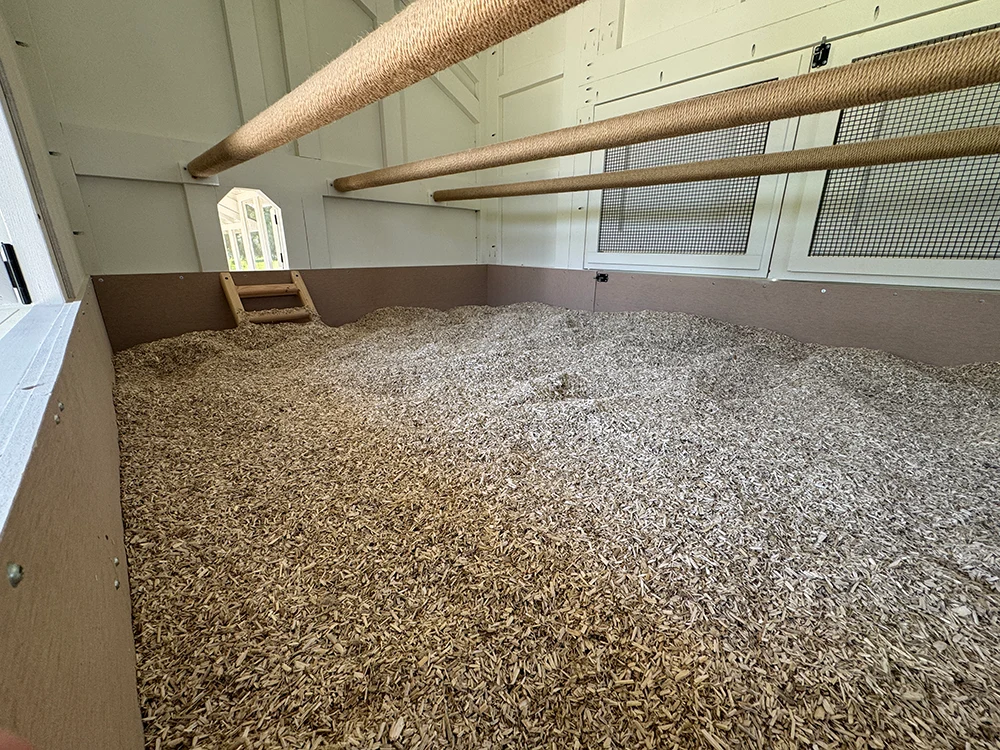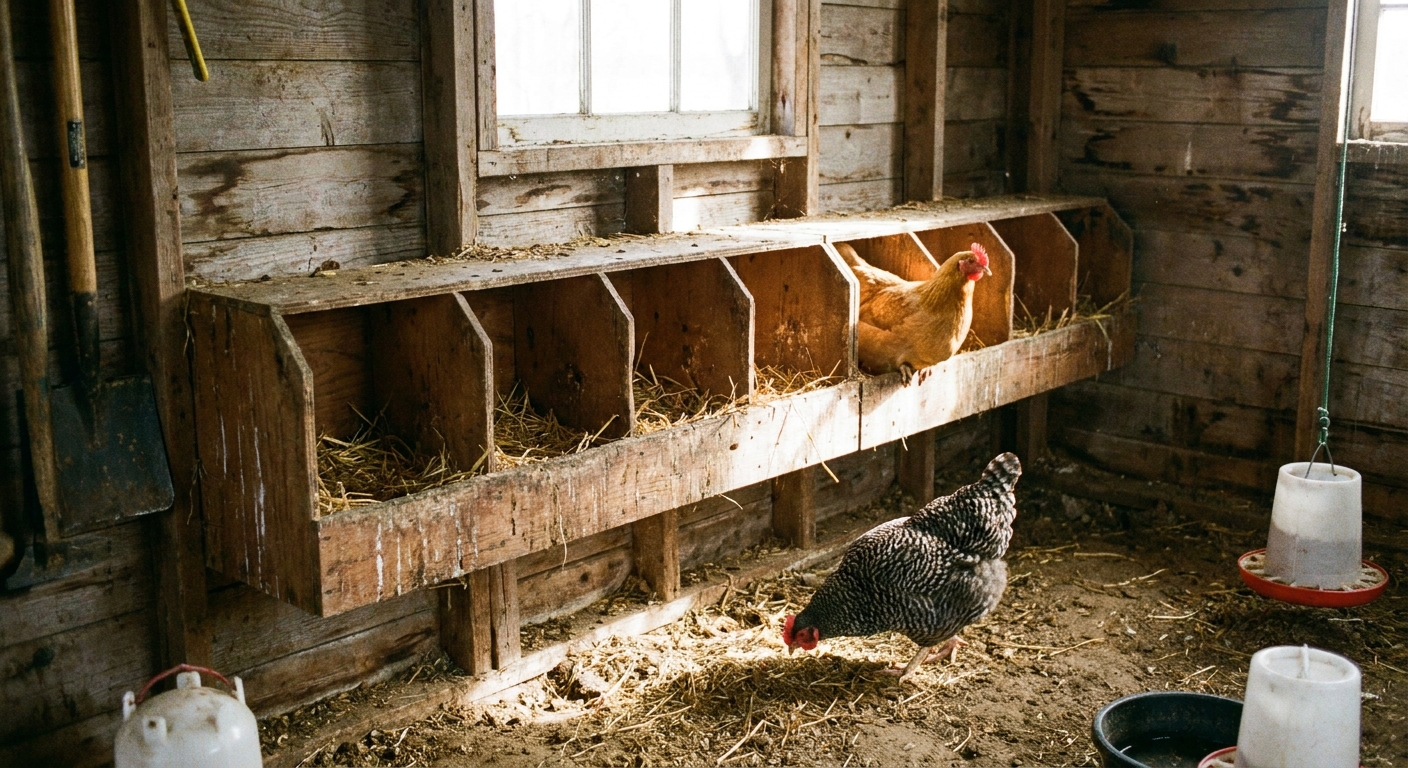
Size, placement, and bedding that keep eggs in the coop instead of under the hydrangeas. Practical tips to stop egg hiding, dirty eggs, and box squabbles.
The Cluck Loom
To Wash or Not to Wash: Cleaning and Storing Fresh Eggs
Wondering if you should wash farm-fresh eggs? Learn when to dry clean vs wash, how to wash safely, and how to store eggs on the counter or in the refrigerator for the best freshness.

Maggie Harper
Maggie Harper is a passionate backyard chicken keeper with over a decade of hands-on experience raising mixed flocks. Through CluckLoom, she shares practical advice on coop building, flock health, and egg production to help beginners and seasoned enthusiasts alike raise happy, healthy chickens.
Published
October 22, 2026
Last updated
October 22, 2026
The first time I pulled a warm egg out of a nesting box, I had two thoughts: (1) wow, this is oddly magical, and (2) um, there is definitely poop on this one. If you have chickens, you will eventually stand at your kitchen counter holding a questionable egg and asking the timeless backyard question: to wash or not to wash?
Here is the good news: there is a right answer for your situation, and it is not nearly as complicated as the internet makes it. Let’s walk through dry cleaning (cleaning without water), when washing is worth it, and how to store eggs on the counter versus the refrigerator so they stay fresh as long as possible.
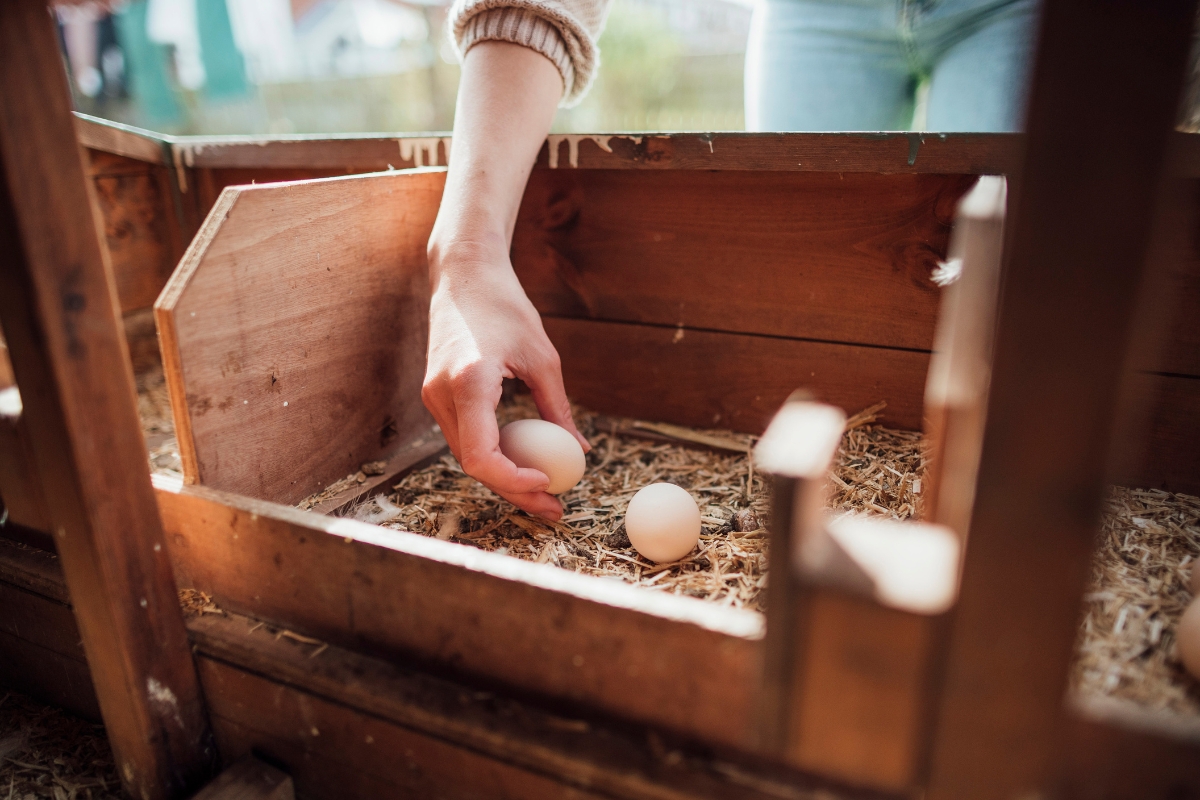
The one thing to know: the bloom
When a hen lays an egg, it comes out with a thin protective coating called the bloom (also called the cuticle). Think of it like nature’s sealant. The bloom helps block bacteria and slows moisture loss through the shell’s tiny pores.
Why this matters: when you wash an egg, you can remove that protective layer. Once the bloom is gone, the egg is more vulnerable, and it does best with consistent refrigeration for safety and shelf life.
In many places (for example, much of Europe), eggs are sold unwashed and stored at room temperature. In the United States, most store-bought eggs are washed and should be refrigerated. Backyard eggs can go either way depending on what you do at collection time, your storage conditions, and what your local food-safety guidance recommends.
Quick decision guide
If you want the simplest rule set, here it is:
- Clean, dry eggs: do not wash. Store unwashed eggs either on the counter (short-term) or in the refrigerator (longer-term).
- Dirty eggs (manure, mud, wet bedding): either dry clean or wash right away. Once washed, store in the refrigerator.
- Cracked eggs: do not store. Use immediately (fully cooked) or discard.
My most conservative, works-everywhere option: if you are unsure, refrigerate. It is the simplest way to keep conditions steady.
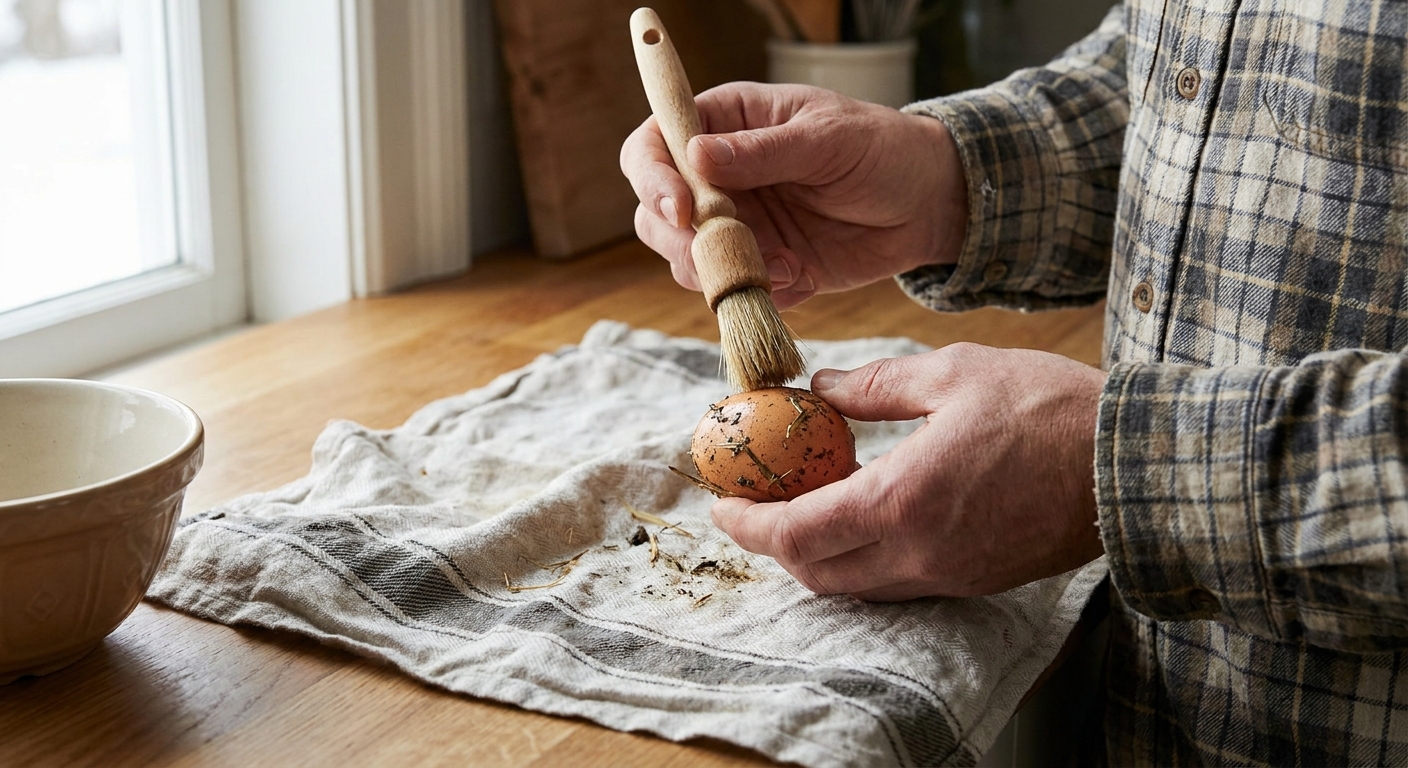
How to dry clean eggs
Most days, I dry clean. It is fast, it preserves the bloom, and it keeps my egg stash flexible.
What you need
- A dry paper towel or clean cloth
- A soft egg brush or toothbrush (dedicated to eggs)
- Fine sandpaper or an abrasive sponge (optional for stubborn spots)
Step-by-step
- Sort at the coop. I keep a “clean” pile and a “needs help” pile in my basket. This keeps the clean eggs cleaner.
- Wipe gently. Start with a dry cloth to remove dust and small smudges.
- Brush off stuck bits. Use a dry brush for dried manure or bedding.
- Spot-sand if needed. For a tiny stubborn spot, a quick buff with fine sandpaper can lift it without soaking the shell.
- Leave the rest alone. A faint stain is not an emergency. The goal is clean enough, not cosmetically perfect.
Tip from my own coop: if you are seeing lots of dirty eggs, the fix is usually in the nesting boxes, not at the sink. Add fresh bedding, block sleeping in boxes, and give your ladies enough nesting space.
When washing is better
I wash eggs when:
- There is visible manure that will not dry brush off.
- The egg is smeared or sticky.
- The egg is wet from rain or a spilled waterer (moisture can increase the risk of bacteria moving through the shell’s tiny pores).
- I am gifting eggs and I know they will go straight into the recipient’s refrigerator.
One important safety note: do not wash an egg and then leave it on the counter. Washing removes the bloom, so washed eggs belong in the refrigerator promptly so they stay cold and steady.
How to wash eggs safely
The biggest washing mistake I see is soaking eggs in a bowl of water like they are doing a spa day. Eggs are porous. Soaking increases the chance that contamination on the shell gets pulled through the pores.
Key rule: do not soak.
Do this instead
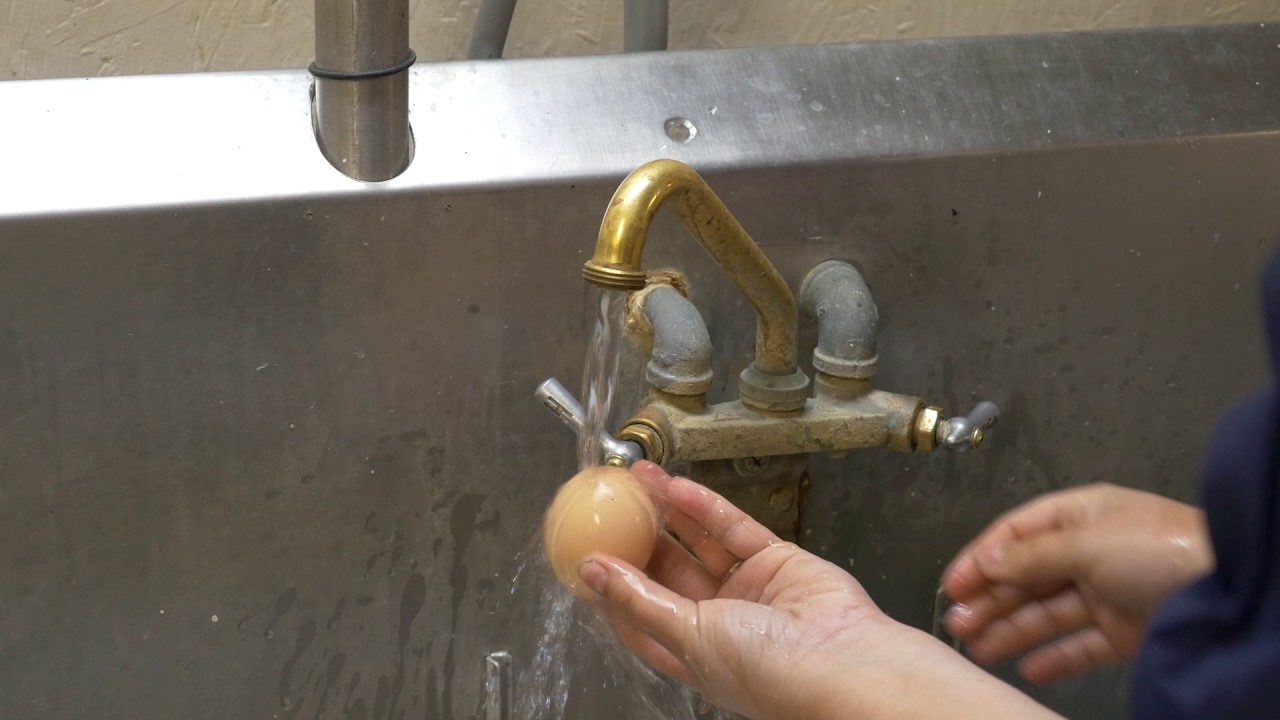
- Wash only what you need. If only two eggs are dirty, wash two eggs, not the whole carton.
- Use warm running water. Aim for water that is warmer than the egg, not colder. Cold water can cause the egg contents to contract slightly and potentially draw surface contamination inward.
- Keep it quick. Rinse and gently rub the dirty area. No long soak.
- Skip harsh chemicals. For backyard eggs, warm water and gentle friction is usually enough. If you choose to use a sanitizer, follow a food-safe product label carefully and measure, do not guess.
- Dry immediately. Pat dry with a clean towel or paper towel.
- Refrigerate right away. Put washed eggs in the refrigerator in a clean carton.
Should you use soap? I do not. Soap residues and strong cleaners are not something I want anywhere near porous shells. Warm water, a dedicated brush, and speed are your friends.
Small but important: wash away from splashes and raw-meat messes, then wipe down the sink and faucet after. Egg washing is not hard, but cross-contamination is sneaky.
Counter or refrigerator storage
The best storage method depends on whether your eggs are washed and how quickly you plan to use them. Also, local public health guidance can differ. If you want the most universally conservative approach, refrigeration wins.
Unwashed eggs on the counter
If your eggs are clean, dry, and unwashed, you can keep them at room temperature for a while. Many backyard keepers do this for everyday use when eggs are collected and eaten quickly.
- Best for: eggs you will use soon
- Keep them: out of direct sun, away from the stove, and ideally in a cool, steady room (if you can keep it at or below about 68°F or 20°C, even better)
- Use a carton or bowl: to protect from knocks and kitchen odors
Extra-clear U.S. note: U.S. food-safety guidance generally recommends refrigeration even for unwashed eggs. Counter storage is most defensible only when eggs are truly clean, kept cool and steady, and used quickly.
My practical take: if your kitchen runs warm in summer or your home temp swings, the refrigerator is the easier, safer choice for consistent freshness.
Unwashed eggs in the refrigerator
You can refrigerate unwashed eggs too. Refrigeration slows quality loss dramatically. This is what I do when production ramps up and my girls are basically running an egg subscription service I did not sign up for.
- Best for: longer storage, big spring laying surges, gifting later
- Where in the refrigerator: inside on a shelf, not in the door (the door warms up with every open)
- In a carton: yes, it reduces moisture loss and keeps eggs from absorbing odors
Washed eggs
Washed eggs should be stored in the refrigerator. Period. Once the bloom is removed, steady cold temps reduce bacterial growth risk and protect quality.
Avoid temperature swings: try not to move eggs from refrigerator to counter and back again. Condensation can form on cold shells, and that moisture is exactly what you do not want hanging around.
How long fresh eggs last
Egg lifespan depends on temperature swings, cleanliness, and whether the bloom is intact. Instead of pretending there is one perfect number, I think in terms of a typical quality window plus a reality check when you crack them.
These are typical quality ranges many backyard keepers report, not a promise. Official guidance is often more conservative, especially for washed eggs.
- Unwashed, cool room temperature: roughly 1 to 2 weeks for best quality (cool versus warm rooms matter a lot)
- Unwashed, refrigerated: often 6 to 12 weeks for good quality
- Washed, refrigerated: often 3 to 6 weeks for good quality (many mainstream references cite closer to 3 to 5 weeks for best quality)
Freshness is not just about safety. It is also about performance. Fresher eggs have firmer whites and perkier yolks, and they whip better for baking.
Bottom line: if an egg smells off, looks off, or you cannot remember how old it is, do not try to hero your way through it. Toss it.
Label and rotate
If you only gather a few eggs a week, you can get away with vibes. If you have a real laying crew, labeling saves you from “mystery carton roulette.”
My simple system
- Date the carton. Write the collection date on the carton lid.
- Oldest to the front. Put newer eggs behind older eggs.
- Separate washed eggs. If I wash a few, they go in a different carton marked “WASHED” so I know they must stay in the refrigerator.
How to check freshness
The float test
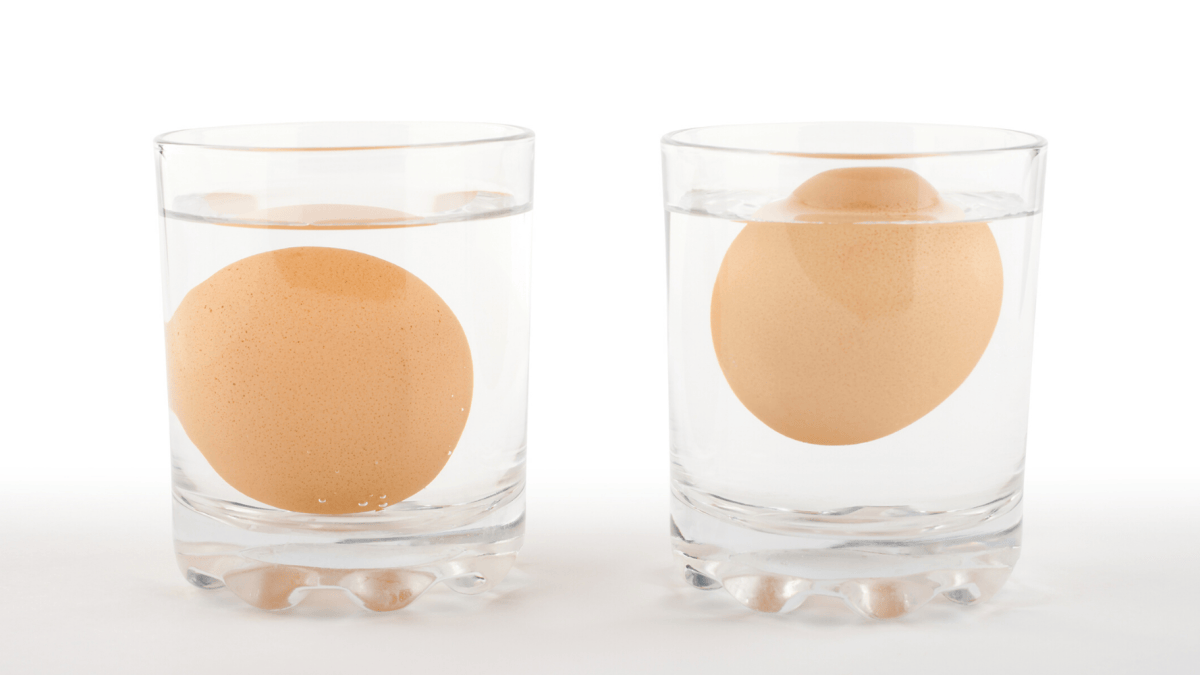
Place an egg in a bowl of water:
- Sinks and lays flat: very fresh
- Sinks but stands upright: older but often still usable (especially for baking, fully cooked dishes)
- Floats: very old and best discarded (occasionally not “rotten,” but not worth the gamble)
Floating happens as the air cell grows over time. It is a great screening tool, but it does not replace common sense. If an egg smells off when cracked, it is done.
The crack-and-sniff reality check
Bad eggs are usually not subtle. Crack into a separate bowl if you are unsure, then sniff before adding to a recipe.
Common questions
Do fresh eggs need to be refrigerated?
If they are washed, yes. If they are unwashed and clean, you have options, but the refrigerator gives you the longest shelf life and the most consistency. For a U.S.-based default, refrigeration is the safest, easiest recommendation.
Should I wash eggs right after collecting?
Not unless they are dirty. Washing clean eggs just removes the bloom for no benefit.
What if my egg has a tiny smear of poop?
Try dry cleaning first. If it does not come off, wash that egg and store it in the refrigerator. I also tend to use those “problem eggs” first in fully cooked meals.
Can I store eggs in the refrigerator door?
I would not. The door warms up every time you open it, and temperature swings shorten quality. A shelf inside the main compartment is better.
Why are my eggs dirty so often?
Usually one of these: not enough nesting boxes, hens sleeping in boxes, damp bedding, or muddy runs leading to muddy feet. Improving nest habits and keeping bedding fluffy fixes most “dirty egg” seasons.
What about high-risk eaters?
If you are pregnant, very young, elderly, or immunocompromised, play it extra safe: store eggs in the refrigerator and cook eggs until whites and yolks are firm. Soft-cooked and raw recipes are not the place to gamble.
Should I oil eggs for storage?
I skip it. Oiling can be done correctly, but it also adds a “did I do this perfectly?” variable and can trap contamination if the shell was not truly clean. For most backyard kitchens, keeping eggs clean and using the refrigerator is simpler and harder to mess up.
Cleanliness upgrades
- Refresh nesting material often. Clean bedding is the cheapest egg washer you will ever own.
- Block off nests at night. If your flock sleeps in boxes, you will get poop eggs. A simple board across the nest front at dusk can break the habit.
- Add a curtain to nesting boxes. It encourages laying in the box and reduces kicked-out bedding.
- Collect more often. Fewer hours in the nest means fewer accidents and fewer cracks.
- Provide enough nest space. Crowded nests mean stepping on eggs and messy shells.
Takeaway: keep it simple
If you only remember three things, make them these:
- Dry clean whenever you can. It preserves the bloom and keeps storage flexible.
- If you wash, store in the refrigerator. The bloom is gone, so steadiness is your safety net.
- Keep temps steady. Cool, consistent storage and gentle handling keep eggs fresher longer than any fancy trick.
Now if you will excuse me, I have a hen who insists the cleanest nesting box is the one she just rearranged into a fluffy disaster. The eggs will be worth it anyway.