A backyard-chicken keeper’s practical guide to cleaning and storing fresh eggs: bloom basics, dry cleaning, safe washing, counter vs refrigerator, and realis...
The Cluck Loom
Water Glassing and Freezing Eggs
Got a spring egg surplus? Learn two practical ways to save eggs for winter: traditional water glassing for clean, unwashed eggs and modern freezing for baking and cooking.

Maggie Harper
Maggie Harper is a passionate backyard chicken keeper with over a decade of hands-on experience raising mixed flocks. Through CluckLoom, she shares practical advice on coop building, flock health, and egg production to help beginners and seasoned enthusiasts alike raise happy, healthy chickens.
Published
October 22, 2026
Last updated
October 22, 2026
Every spring my coop turns into a tiny egg factory. One week I am begging neighbors to take a dozen, and the next week I am standing in the kitchen in November wishing my girls would please, for the love of omelets, lay just one more egg.
The good news is you can “move” some of that spring abundance into winter. Two methods work especially well for backyard keepers: water glassing (an old-school way to store raw eggs in the shell for months) and freezing (the modern, flexible method for cooking and baking).
Safety first
Egg preservation is one of those topics where people speak in absolutes. Here is my practical, backyard-keeper version, with a clear note up front.
- Water glassing is traditional, popular, and debated. It is not universally endorsed by modern food-safety agencies, and risk depends on flock health, egg handling, storage temperature, and your own comfort level. If your local public-health guidance says “don’t,” listen to that. If you want the most straightforward, widely accepted option, freeze your eggs.
- Extra-caution groups may want to skip water-glassed eggs. If you are pregnant, elderly, very young, or immunocompromised, consider avoiding water-glassed eggs entirely and stick to freezing, or consult a medical professional.
- Only preserve eggs that are clean and unwashed. The natural bloom (cuticle) helps seal pores. Washing removes it and can push bacteria inward.
- Skip cracked, thin-shelled, or mystery eggs. If it looks questionable now, it will not get better in storage.
- Use eggs from healthy hens. If you are dealing with illness in the flock or messy nesting conditions, pause preserving and fix the basics first.
- Do not use preserved eggs for raw or undercooked dishes. Whether water-glassed or frozen, use preserved eggs in fully cooked applications like scrambled eggs, hard-boiled (hard-cooked), baking, casseroles, and quiche.
- When in doubt, throw it out. Do not taste-test a questionable egg.
Pick a method
I use both, because they solve different problems.
| Method | Best for | What you get | Typical window |
|---|---|---|---|
| Water glassing | Keeping whole eggs to crack later | Raw eggs in shell (use like fresh, then cook well) | Some keepers report 6 to 12 months, varies by conditions |
| Freezing | Baking, breakfast, meal prep | Portioned eggs (beaten, whites, yolks, or cooked) | Best quality about 6 to 12 months in a steady freezer |
Water glassing
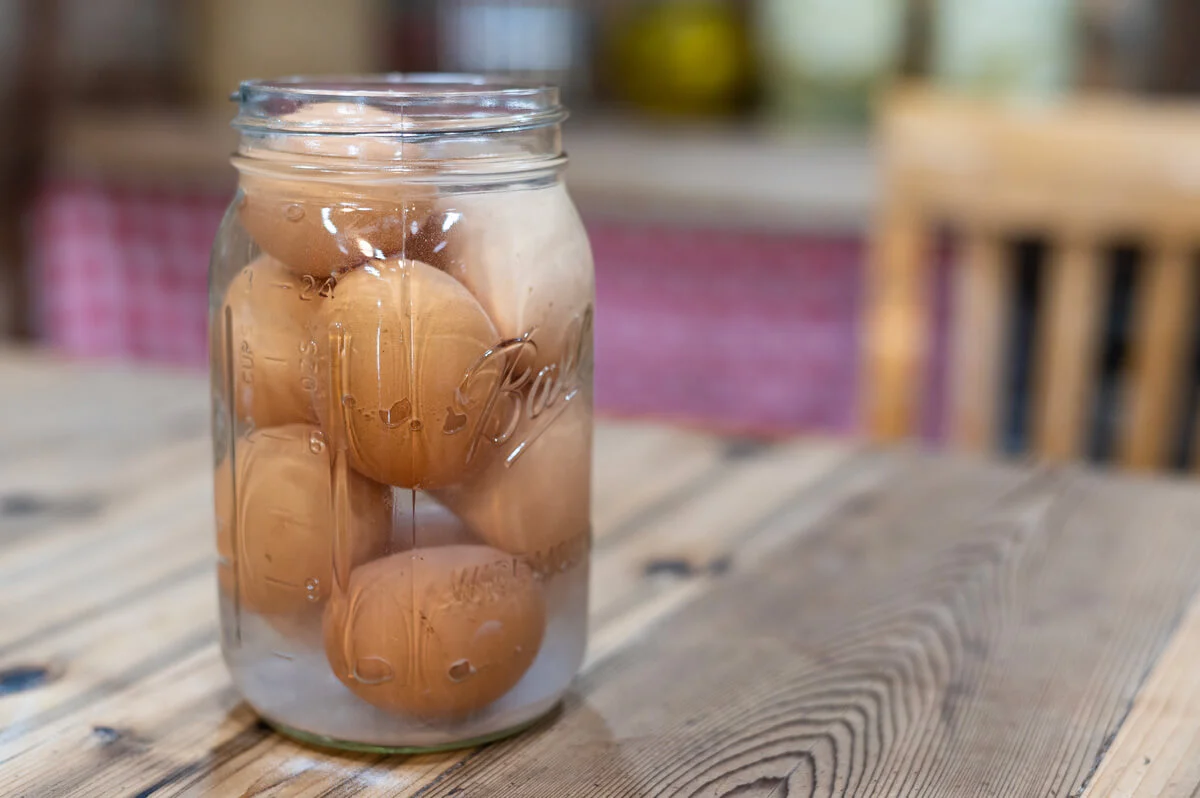
Water glassing stores eggs in a high-pH lime-water solution. The simple way to think about it is that it helps protect the shell and slows down the normal air and moisture exchange that ages an egg.
What you need
- Fresh, clean, unwashed eggs (ideally no older than a few days)
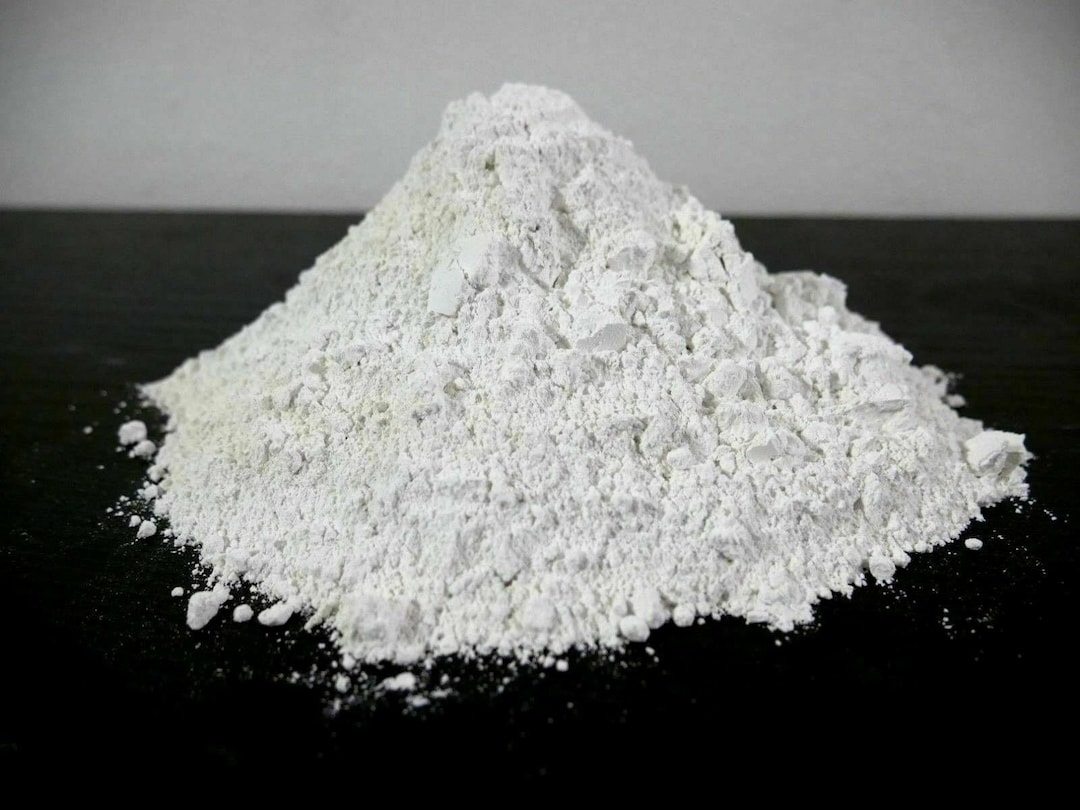
- Pickling lime (calcium hydroxide), labeled food-grade
- Potable water (filtered is nice if your tap water is heavily chlorinated or very hard)
- A non-reactive container: glass jar, food-grade plastic bucket, or ceramic crock
- Measuring spoon/cup, clean utensil for stirring, clean hands, and a cool storage spot
Important: This method is for unwashed eggs. If your eggs are muddy or poopy, do not water glass them. Use those for immediate cooking or freeze them after cracking.
Mix the lime solution
Use a weight-based ratio for consistency:
- 1 ounce (by weight) pickling lime per 1 quart of water
If you do not have a kitchen scale, you will see spoon-based recipes. Treat them as approximate because products vary in density, and do not assume “tablespoons” and “ounces” are interchangeable. When in doubt, use a scale.
Stir well using a clean utensil. The water may look cloudy and you may see some settling at the bottom. That is normal.
Step-by-step
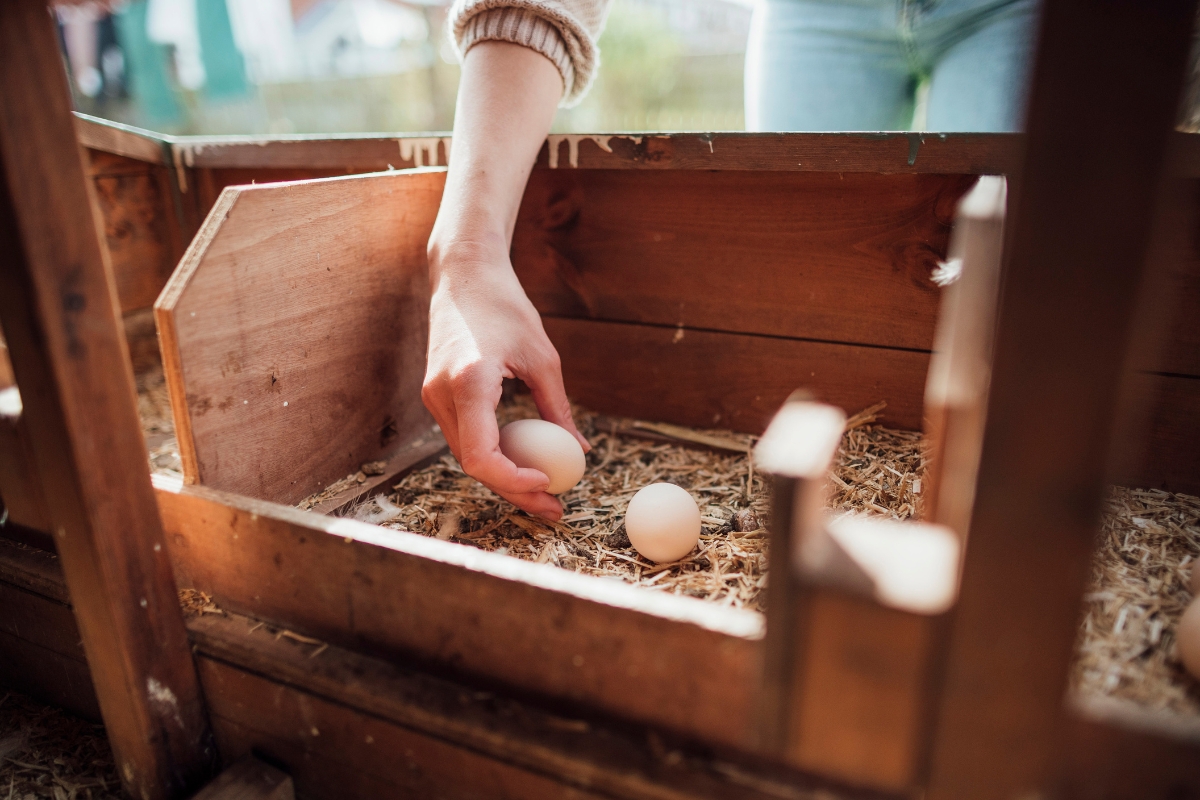
- Collect the right eggs. Choose clean, intact, unwashed eggs. I pick the smoothest, prettiest shells from the nest box and eat the rest.
- Start with a clean container. Wash it with hot soapy water and rinse well. Let it air dry.
- Add eggs gently. Place eggs into the container carefully so you do not crack any. Many keepers place eggs pointy end down to help keep the yolk centered. The biggest thing is simply not cracking shells.
- Pour in the lime water. Eggs must be fully submerged with at least an inch or two of liquid above the top eggs.
- Cover and store. Use a loose-fitting lid or cover to keep dust out. Store in a cool, dark place that will not freeze.
Temperature tip: Store them as cool as you can manage without freezing, and keep it steady. A basement or interior pantry is often better than a garage that swings hot and cold. If your storage spot feels like “room temperature,” it is probably warmer than ideal.
Maintenance tip: Check the liquid level occasionally. If it drops, top it off with freshly mixed lime solution so the eggs stay fully submerged.
How to use
When you are ready to cook:
- Wash the egg under running water right before using it.
- Crack into a small bowl first, not directly into your mixing batter or frying pan.
- Look and sniff. Discard if anything seems off. Do not taste it to “check.”
- Cook thoroughly.
In winter, I reach for water-glassed eggs first for scrambling, casseroles, and baking. Over time the whites can get a bit looser, so I do not try to impress anyone with a perfect poach.
How to spot a bad egg
- Smell: Any sulfur or rotten odor means it is done. Discard.
- Look: Odd discoloration (especially pinkish, green, or black tones), unusual cloudiness, or anything plainly abnormal after cracking is a no.
- When in doubt: Discard the egg. Do not taste it to “check.”
Troubleshooting
- Egg floats in the container: Buoyancy can change for a few reasons. I treat floaters as a red flag, remove them, and do not risk them.
- Cloudy solution: Normal. Lime water is often cloudy. What you do not want is obvious mold growth or a rotten smell.
- Cracked egg in the container: Remove it immediately. If you find a broken egg and the container smells off, do not gamble. Discard the eggs and start over.
- My eggs are not clean enough: Freeze those instead. Water glassing is picky about shell cleanliness because bacteria on the shell can work its way in through pores or tiny cracks.
Freezing eggs
If water glassing feels too fussy, freezing is your friend. I freeze eggs every spring because it is fast, it is easy to portion, and it saves me during holiday baking season.
Do not freeze in the shell
They will expand and crack. Instead, crack, beat, portion, and freeze.
Best containers
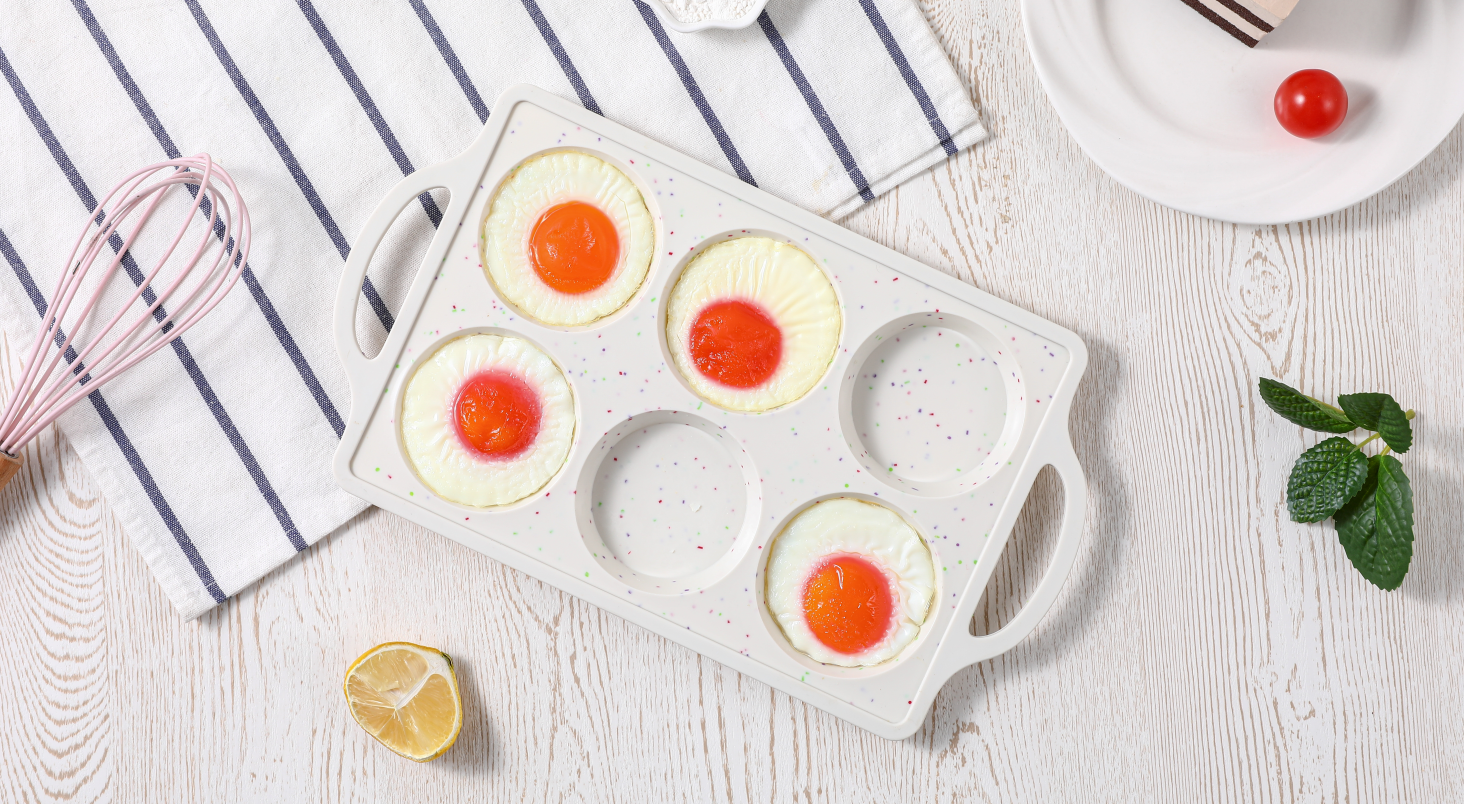
- Silicone muffin trays (pop out frozen portions, then store in a freezer bag)
- Ice cube trays for small portions
- Freezer-safe jars or containers with headspace
- Freezer bags laid flat for quick thawing
Option A: Whole eggs
- Crack eggs into a bowl.
- Beat just until blended. You are not making foam, just combining whites and yolks.
- Portion. A helpful rule of thumb: 1 large egg is about 3 tablespoons of beaten egg.
- Freeze. Once solid (if using a tray), transfer portions to a freezer bag and squeeze out excess air.
How to use: Thaw overnight in the fridge and use for scrambling, French toast, quiche, casseroles, and baking.
Option B: Egg whites
Whites freeze beautifully with no additives. Separate carefully, portion, and freeze.
Option C: Yolks
Yolks can turn gel-like when frozen. It is not unsafe, but the texture gets weird. The fix is simple: stir in a small amount of salt or sugar depending on how you will use them.
- For savory cooking: a common ratio is about 1/8 teaspoon salt per 4 yolks
- For baking/sweet: a common ratio is about 1 1/2 teaspoons sugar per 4 yolks
Label clearly so you do not accidentally put salted yolks into a birthday cake.
Option D: Cooked eggs
If your freezer is already full of garden produce, cooked eggs can be the easiest: scramble a big batch, cool quickly, portion, and freeze. Reheat gently. The texture is not fancy, but it is very weekday-friendly.
Label and rotate
Future-you will be tired, cold, and grumpy in winter. Make it easy.
- Date everything. Use a marker on freezer bags or a tag on your water-glassing jar.
- Portion for real life. I freeze in 2-egg and 4-egg portions because those match my usual recipes.
- First in, first out. Pull the oldest frozen eggs first.
Storage and thawing
- Water glassing: Some keepers report good results around 6 to 12 months when eggs are very fresh, clean, and stored as cool as possible without freezing. Quality changes over time, so use the oldest first.
- Frozen eggs: Best quality within about 6 to 12 months. Keep them tightly sealed to prevent freezer odors.
- Thaw safely: Thaw frozen eggs in the refrigerator. If you need faster thawing, keep the eggs in a sealed bag and submerge in cold water, changing the water as it warms.
- Do not refreeze once thawed. Thaw what you plan to use.
My spring workflow
When the egg basket starts overflowing, this is the routine that keeps me sane:
- Perfect, clean, unwashed eggs go into the water-glassing jar.
- Everything else gets used that week, hard-boiled (hard-cooked) for snacks, or cracked and frozen.
- Once a month I do a quick freezer inventory and move older egg portions to the front so they actually get eaten.
FAQ
Can I water glass store-bought eggs?
Usually, no. Most store eggs are washed, which removes the bloom. Water glassing relies on that natural seal. If you have access to truly unwashed farm eggs from a trusted source, those can work similarly to backyard eggs.
Can I water glass eggs with a little dirt on them?
I would not. Dirty shells can carry bacteria that may get into the egg through pores or tiny cracks. Use those eggs for immediate cooking or freeze them after cracking.
Do water-glassed eggs need refrigeration?
Not while they are stored in the lime solution, as long as they are kept cool, stable, and protected from freezing. Once you pull an egg out and wash it, treat it like a regular egg and use it promptly.
How many eggs equal one cup when frozen?
A rough kitchen conversion: 1 large egg is about 3 tablespoons. So 1 cup is about 5 large eggs plus 1 tablespoon. I still recommend portioning by “eggs” (3 tablespoons each) so recipes are easy.
What is the easiest method for beginners?
Freezing, hands down. If you can crack an egg and label a bag, you can preserve eggs for winter. Water glassing is wonderful, but it is less forgiving about egg cleanliness and it is not everyone’s comfort level from a food-safety standpoint.
Closing thought
Spring eggs are a gift, but they can also feel like a chore when the carton stack starts taking over your kitchen. Pick one method and try it with a small batch first. Once you crack open a preserved egg in December and realize Tuesday-night breakfast is possible again, you will be officially hooked.