A step-by-step, backyard-tested guide to securing your flock from foxes, raccoons, hawks, and digging predators using hardware cloth, aprons, and foolproof l...
The Cluck Loom
Chicken Tractors 101
Learn how to design a functional chicken tractor that’s safe, easy to move, and comfortable for your flock. Includes sizing guidelines, predator-proofing, materials, and daily routines.

Maggie Harper
Maggie Harper is a passionate backyard chicken keeper with over a decade of hands-on experience raising mixed flocks. Through CluckLoom, she shares practical advice on coop building, flock health, and egg production to help beginners and seasoned enthusiasts alike raise happy, healthy chickens.
Published
October 22, 2026
Last updated
October 22, 2026
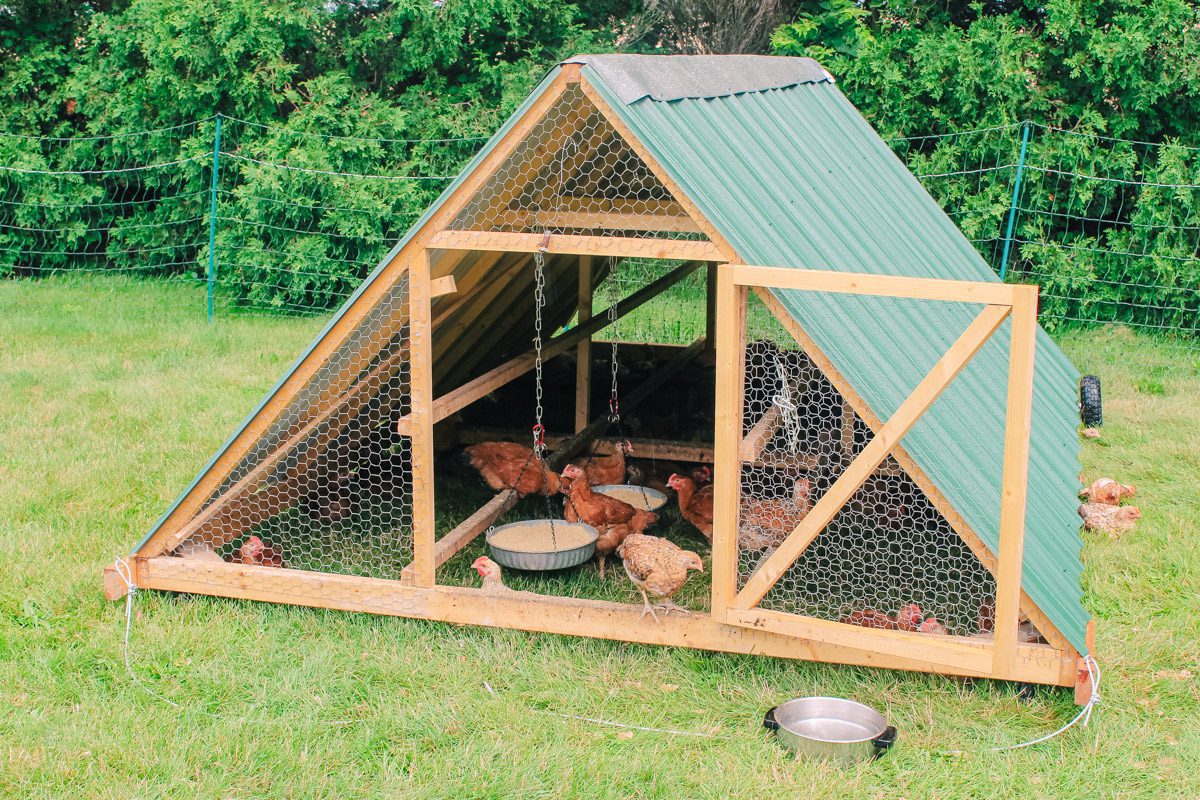
If you have ever watched your hens turn one patch of lawn into a dust bowl in a single afternoon, you already understand the magic of a chicken tractor. A tractor is simply a mobile coop and run that you move across the yard so your birds get fresh forage and your grass gets a rotating team of tiny fertilizer spreaders.
I started dabbling with tractors after my first permanent run became a muddy crater every spring. A well-built tractor fixed that fast, but only after I learned one very important lesson: a tractor is only as good as its bottom edge, wheels, and latch hardware. If those are flimsy, you will hate using it, and predators will love it.
What a chicken tractor is (and what it is not)
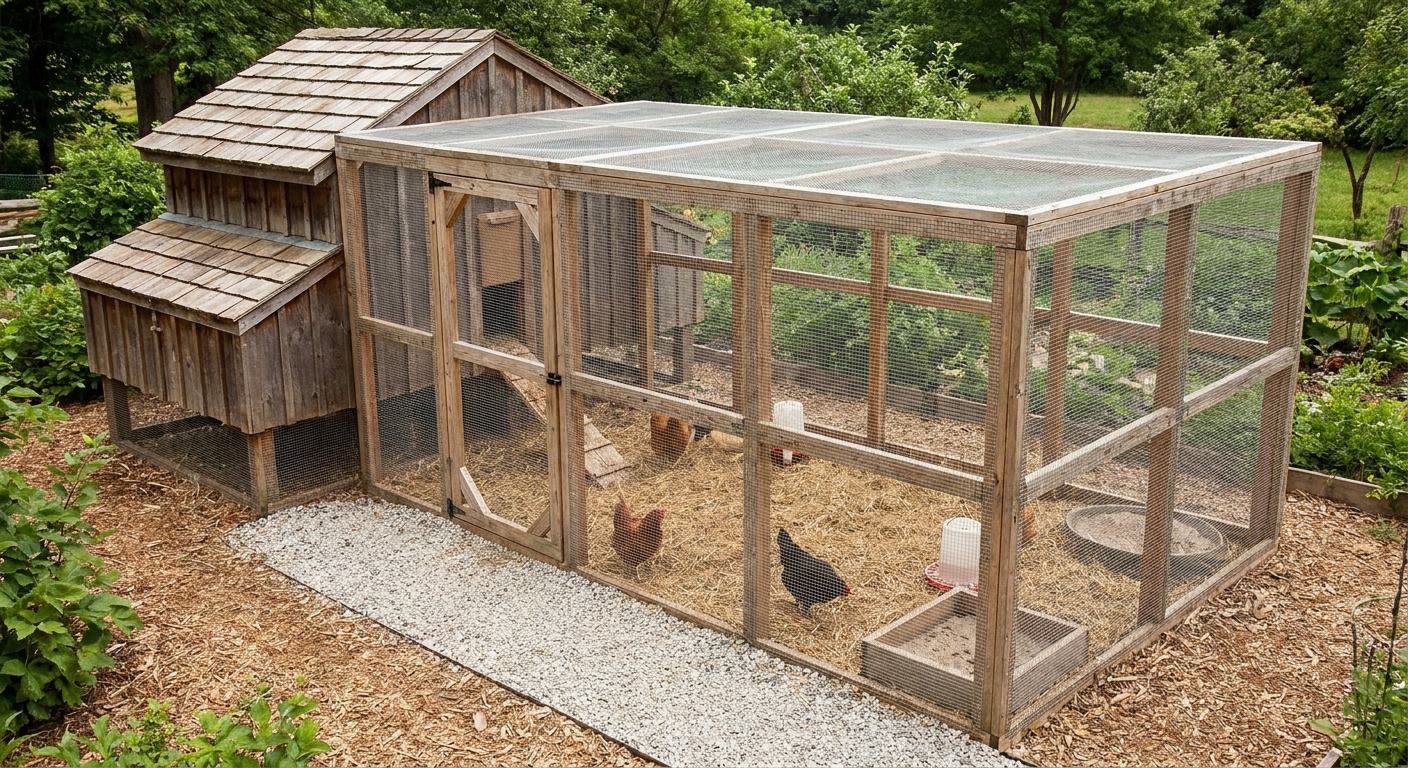
A chicken tractor is a movable enclosure that sits directly on the ground so chickens can graze. Most include two zones:
- Run area with wire sides and top for airflow and sunshine
- Protected coop area for shade, roosting, and laying
A tractor is not ideal for every setup. If you need a tall walk-in structure, if you keep a big flock, or if you live where daytime heat is extreme, a stationary coop with a large attached run may be the better tool. Think of a tractor as the best friend of small flocks, tidy yards, and people who want daily pasture without free-ranging.
Why people love tractors
- Fresh greens on rotation: Bugs, grass tips, seed heads, and all the little surprises your yard has to offer.
- Fertilizer spread out: Manure gets distributed instead of piling up in one smelly corner.
- Less mud: Moving prevents the same patch from becoming a swampy mess.
- More controlled pasture time: You can offer grazing with a roof and solid latches instead of hoping a hawk is feeling polite.
- Cleaner, but not zero-maintenance: Frequent moves keep the run side from becoming a manure mat, but you still want to do periodic checks, scrape perches, and keep feed and water areas from getting gross.
Pick your tractor style
1) A-frame tractor
A classic triangle shape. It is light and simple, sheds rain well, and can be built with basic tools. Downsides: less headroom and fewer flat wall spots to mount doors and nesting boxes.
2) Box tractor
My favorite for everyday use. It is easier to build square, easier to reinforce, and easier to add a coop sleeping cabin on one end.
3) Hoop tractor
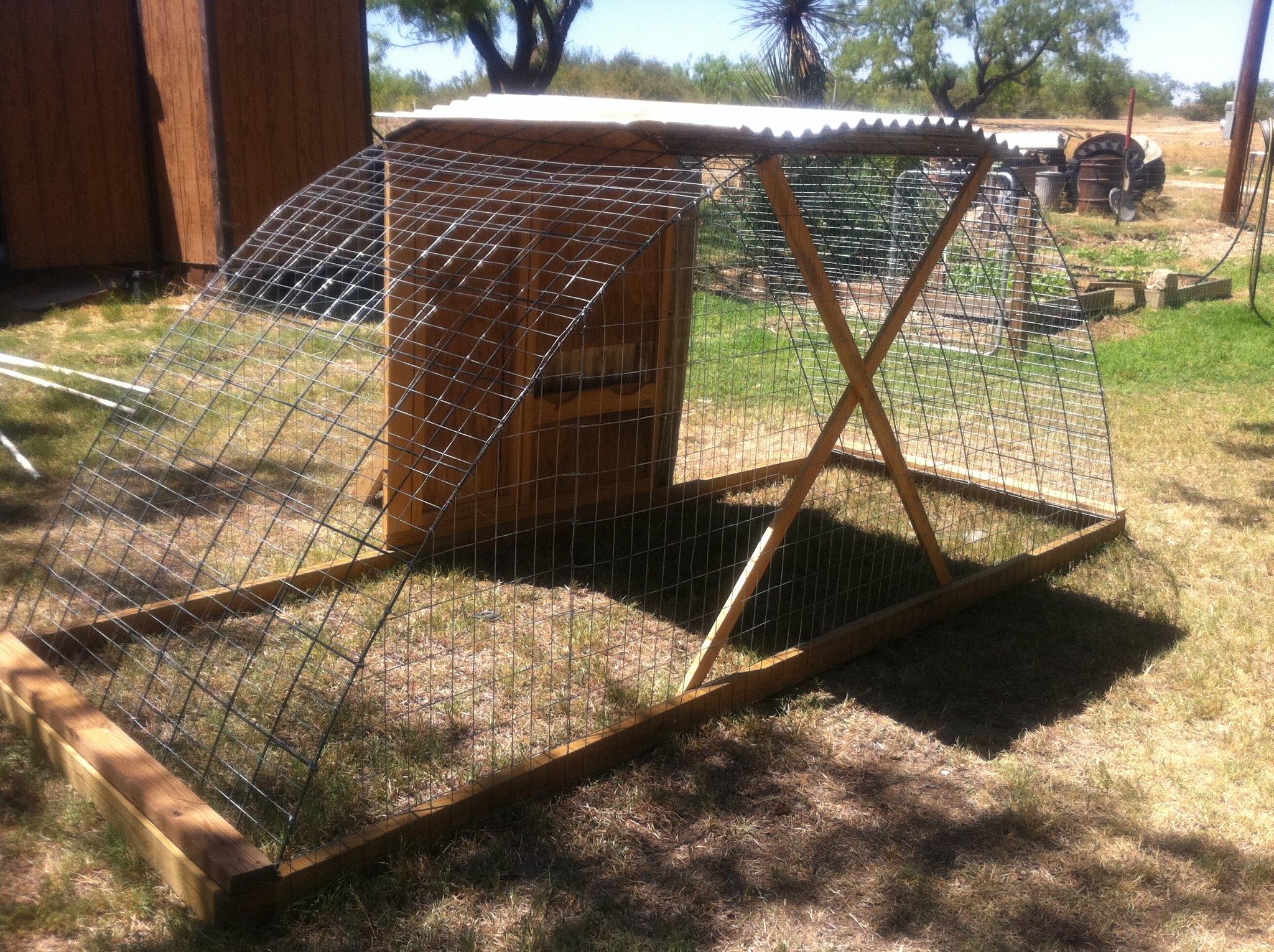
A cattle panel bent into an arch makes a roomy, lightweight run. It is great for ventilation and quick builds. The key is predator-proofing the bottom edge and using heavy wire on the lower sides.
How big should a chicken tractor be?
Start with two numbers: space for living and space for moving.
Space guidelines
These are common backyard guidelines, not unbreakable laws. Breed size, climate, and how many hours per day your birds are confined all matter.
- Inside coop (sleeping and laying): about 2 to 4 square feet per standard hen
- Tractor run (grazing space): about 8 to 15 square feet per standard hen
If you can only hit one target, prioritize the run space. Tractors shine when birds can graze, scratch, and move around without climbing over each other.
A simple sizing example
For 6 standard hens, a sweet spot is:
- Coop: about 18 square feet (for example 3 ft x 6 ft)
- Run: about 60 to 90 square feet total tractor footprint (for example 6 ft x 10 ft, or 5 ft x 12 ft)
For bantams, you can scale down a bit. For heavy breeds like Orpingtons, I do not scale down. Big girls appreciate big space.
Design goals that matter
Goal 1: Easy to move
If moving it feels like wrestling a stubborn couch, you will move it less, and then the grass dies, and then you are basically back to a stationary run with extra steps.
- Keep the width manageable: 4 to 6 feet wide moves well through gates and around garden beds.
- Add real wheels: lawnmower wheels, wheelbarrow wheels, or pneumatic tires handle uneven ground.
- Use a lift-and-roll design: wheels mounted on one end, handles on the other, so you lift slightly and roll.
- Watch your roof material: heavy roofing can make a tractor painfully top-heavy.
- Protect your back: lift with your legs, keep the tractor close, and use long handles for leverage. If you routinely struggle, shrink the footprint or recruit a second set of hands.
Goal 2: Predator resistance at the base
A tractor sits on the ground, which is great for grazing and also great for anything that likes to dig. Your weak point is the skirt line where wire meets earth. Treat these numbers as practical starting ranges, then adjust for your predator pressure and your terrain.
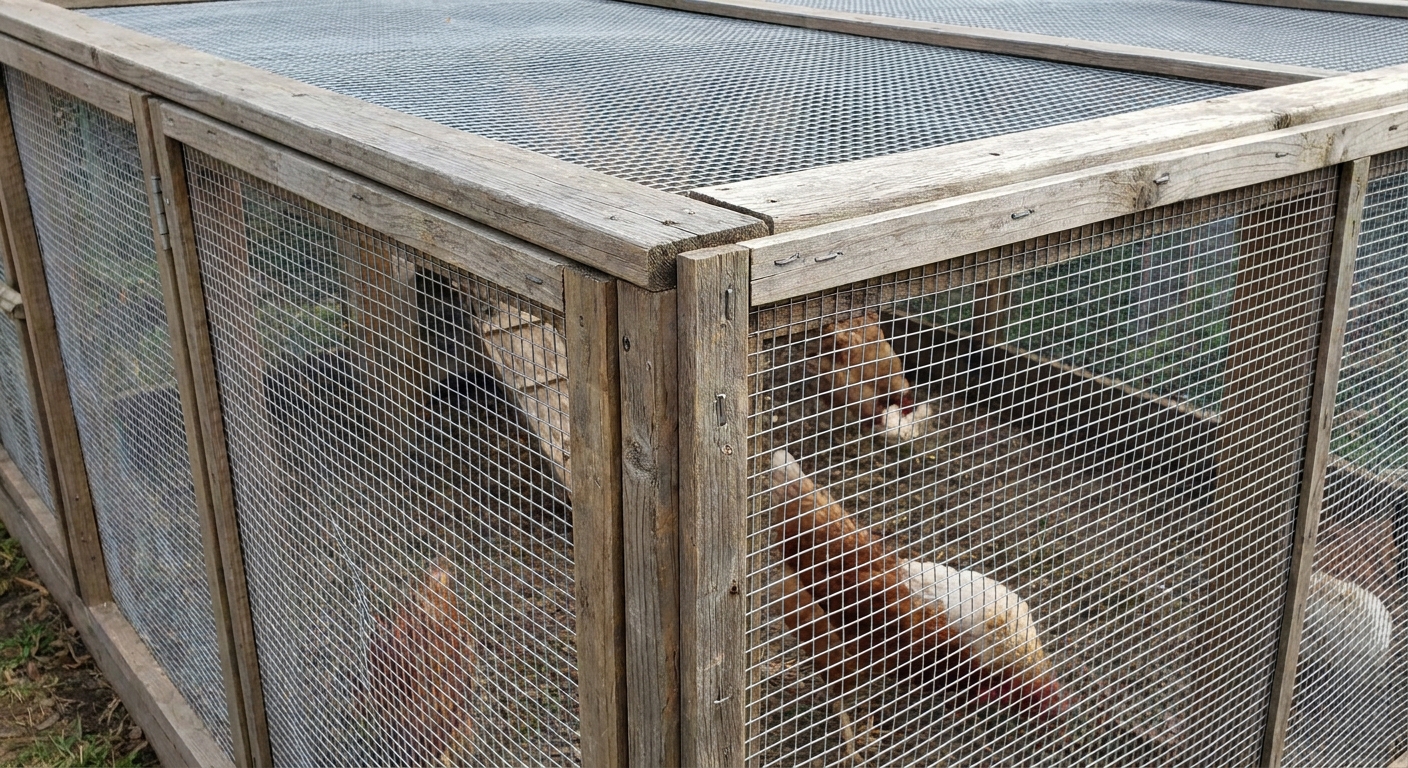
- Use hardware cloth (not chicken wire) on the lower 18 to 24 inches.
- Add a ground skirt: a 12 to 18 inch flap of hardware cloth extending outward along the base.
- Secure corners like you mean it: predators test corners first.
Chicken wire is fine for keeping chickens in. It is not fine for keeping raccoons, dogs, foxes, or weasels out.
Goal 3: Shade and weather protection
Even in mild climates, a tractor needs a solid shaded zone. Hens overheat faster than many beginners expect, especially in still air.
- Cover at least one-third of the roof with solid material or a tarp that is pulled tight.
- Provide cross ventilation in the coop section with hardware-cloth-covered vents.
- Give them a dry place to sit when the grass is wet.
Goal 4: Doors you actually use
Design for your arms, your back, and your future impatience. You want:
- At least one full-sized cleanout door on the coop area
- A wide run access door for catching birds and refreshing feed and water
- Two-step latches (or carabiners) on every opening
Materials: what to use (and what to skip)
My go-to build list
- Framing: 2x3 or 2x4 lumber (2x2 works for tiny tractors but twists easily)
- Wire: 1/2 inch hardware cloth for sides, doors, vents, and especially the bottom edge
- Hardware cloth strength: look for 19-gauge or thicker for serious predator resistance, especially on doors and the lower zone
- Fasteners: exterior screws, galvanized staples, fender washers for extra hold on wire
- Roofing: corrugated metal or polycarbonate panels, or exterior plywood with shingles
- Wheels: 10 to 16 inch pneumatic wheels for bumpy yards
- Latches: hasps plus carabiners, or lockable gate latches
What I try not to rely on
- Chicken wire: too easy to tear or pry open
- Staples alone: use screws and washers at stress points like doors and skirts
- Lightweight twist hooks: raccoons treat them like a puzzle toy
Must-have features inside
Roosts
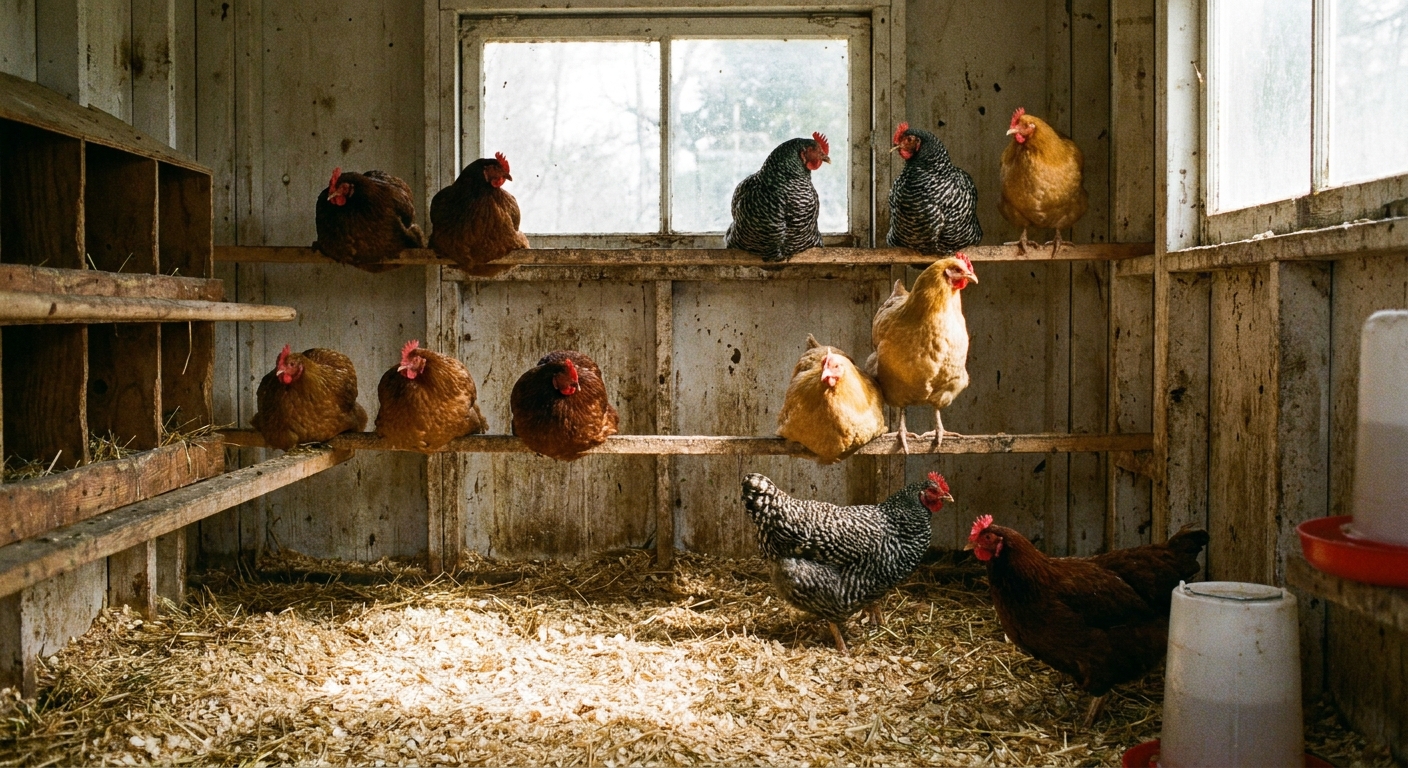
Provide 8 to 10 inches of roost space per standard hen. A 2x4 laid flat (wide side up) is comfortable, especially in colder seasons.
Nesting boxes
If your hens are laying, you will want nest boxes. In a tractor, I like external nest access so you can collect eggs without opening the run. Plan on one box for every 3 to 4 hens.
Feed and water that travel well
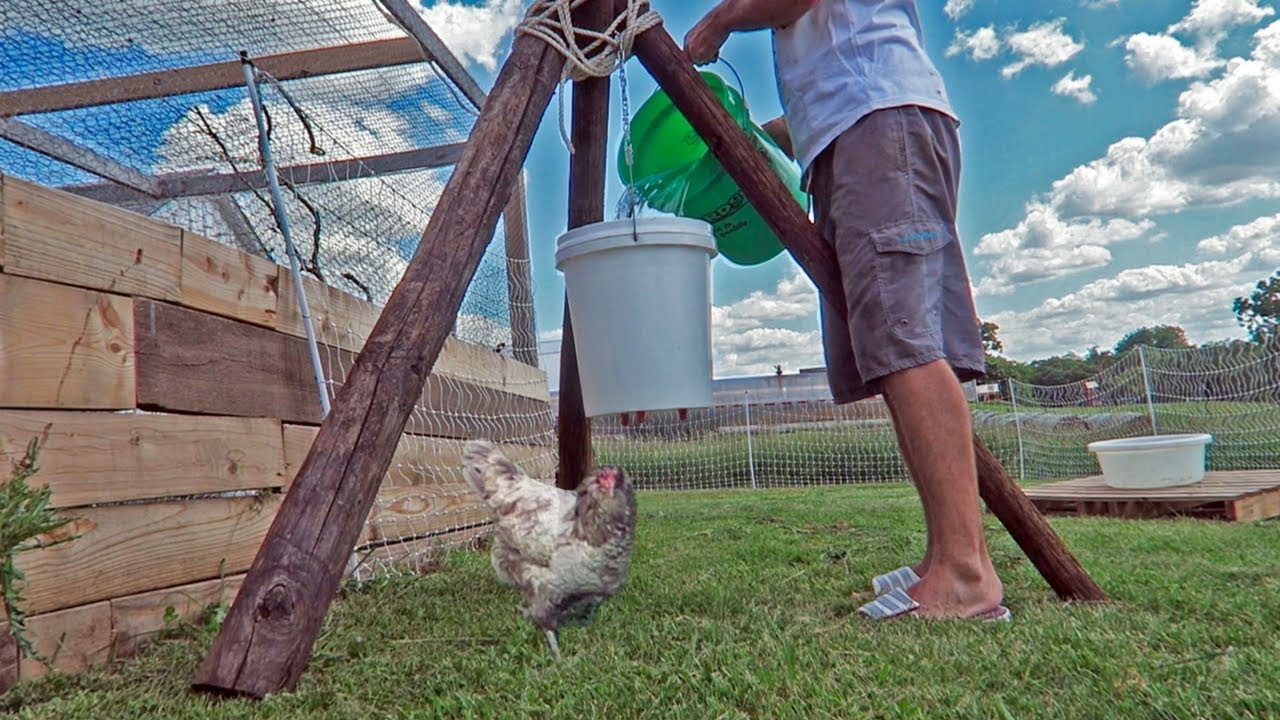
Use hanging feeders and nipple waterers when possible. They stay cleaner and do not get dumped during the daily move.
- Hang them from the frame so the height stays consistent as grass height changes.
- In hot weather, prioritize a larger water container than you think you need.
Step-by-step: design your first tractor
Step 1: Decide flock size and footprint
Write down your number of birds now and your realistic max later. It is much easier to build once than to rebuild when you inevitably fall in love with just two more.
Step 2: Choose a layout
For beginners, I suggest a rectangular tractor with a coop section on one end and a run section on the other. It balances weight, makes door placement simple, and gives you a clear shady zone.
Step 3: Build a rigid base
A square tractor that stays square is easier to move, easier to latch, and harder for predators to exploit. Add corner braces and at least one cross brace on longer sides.
Step 4: Plan wheels and handles early
Do not treat wheels as an afterthought. If wheels sit too low, the tractor drags. Too high, and you create gaps at the base. Aim for a small lift that lets you roll without leaving daylight under the frame.
Step 5: Add roof and shade
Keep the coop roof weather-tight. If your tractor run roof is wire, add a solid shade panel or tarp section so birds can cool off during the day.
Step 6: Predator-proof every opening
Doors should close tight with no flex. Use hardware cloth on any window or vent. Add carabiners to latches. If you think it is overkill, you have never met a raccoon at 2 a.m.
Night security
Many people keep birds in a tractor full time, including overnight, but night is when weak designs get exposed. Make sure your coop section has a solid door that closes securely, and check that your base sits flush with no gaps.
- High predator pressure: consider adding a hot wire around the tractor, setting it inside electric poultry netting, or using a stationary, fully fortified coop at night and a tractor for daytime grazing.
- Light sleepers: if you hear nighttime commotion, do a latch check first. Most break-ins start with a simple latch and a determined set of hands.
How often should you move it?
In active growing season, I aim for daily moves. In slower growth or during dry spells, you can move every 1 to 3 days, but watch the grass and smell the ground. Your goal is to avoid:
- Bare dirt patches
- Strong ammonia smell
- Manure buildup
- Birds pacing and looking bored
If your yard is small, create a rotation path and give each patch time to recover. Even a simple loop around the perimeter helps.
The daily rhythm
- Morning: check water, quick health scan, collect early eggs.
- Move the tractor: lift, roll, set it down flush, then walk the perimeter to confirm no gaps.
- Refresh feed: offer a measured amount so they still forage.
- Afternoon: top off water in heat, provide extra shade if the sun shifts.
- Evening: collect eggs, confirm everyone roosts in the coop section, and double-check latches.
My personal rule: if I would not feel comfortable leaving my wallet inside it overnight, it is not predator-proof enough yet.
Parasites and health
Moving onto fresh ground helps with mud and manure buildup, but it does not magically erase parasite risk. If you want the tractor to work with you, not against you:
- Move before the ground gets trashed: keeping birds on clean grass is the point.
- Rest your rotation: give areas time to recover when you can, especially in wet seasons.
- Keep water clean: most health problems I see start with dirty water and damp bedding, not a lack of grass.
Common problems
It is too heavy to move
- Reduce overall size or split into two smaller tractors.
- Switch to lighter roofing on the run portion.
- Upgrade wheels and add longer handles for leverage.
Predators are digging under the edges
- Add a hardware cloth skirt around the perimeter.
- Move more frequently so predators cannot work the same spot nightly.
- Check for gaps created by uneven ground and fill low spots.
My hens will not lay in it
- Make the nest area darker and more private.
- Use soft bedding and a fake egg to encourage use.
- Ensure the tractor is level enough that nest boxes feel stable.
The grass turns to dirt anyway
- You may need more square footage per bird.
- Move daily, not every few days.
- In drought, grass cannot rebound fast. Consider rotating on thicker areas, offering cut greens, or using a stationary run temporarily.
Heat, cold, and rain
Hot weather
- Maximize shade and airflow.
- Use larger waterers and check them twice daily.
- Move the tractor early morning or evening so birds are not stressed.
Cold weather
- Block wind, not ventilation. Moisture buildup is the real enemy.
- Keep bedding dry in the coop zone.
- Make sure roosts are wide enough for feet comfort.
Heavy rain
- Ensure the coop roof actually sheds water away from the run.
- Do not park on low spots where water pools.
- Consider a temporary rain break location like a gravel strip or covered area if your lawn becomes soup.
FAQ
Can chickens stay in a tractor full time?
Yes, as long as the tractor is spacious enough, provides a dry sheltered coop area, has excellent predator-proofing, and you move it regularly for clean ground. The biggest full-time issues I see are overcrowding, insufficient shade, and weak night security.
Do I need a floor?
Usually no. The whole point is ground contact for grazing. That said, there are exceptions. If your ground is very uneven, predator pressure is intense, or you are trying to manage a specific parasite problem, a raised or floored design can make sense. For most people, a tight base, a predator skirt, and solid latches get the job done.
What wire should I use?
Hardware cloth is the gold standard for predator resistance, especially along the bottom edge, doors, and vents. I prefer 1/2 inch mesh, and 19-gauge or thicker when possible. If you use welded wire up high to save money, keep hardware cloth on the lower zone where most attacks happen.
How many chickens can a tractor hold?
It depends on the footprint and how often you will move it. Use the guidelines above and be honest about your routine. If you are thinking every few days, size up.
Do I need to worry about local rules?
It is worth checking local ordinances and HOA rules before you build. Even when chickens are allowed, there may be requirements around setbacks, coop placement, or roosters.
A final neighborly nudge
A chicken tractor does not have to be fancy to work. It has to be secure, comfortable, and easy enough to move that you will actually do it. Build for those three things, and your hens get fresh snacks, your yard gets fertilized, and you get to enjoy the oddly satisfying routine of rolling your little flock to their next buffet.