A backyard-hen emergency guide to spotting egg binding early and helping your hen pass a stuck egg safely, plus clear red flags for urgent vet care.
The Cluck Loom
Decoding Abnormal Eggs
Soft shells, double yolks, wrinkled eggs, and lash eggs can look alarming. Learn what common egg abnormalities mean, what causes them, and when it’s time to worry.

Maggie Harper
Maggie Harper is a passionate backyard chicken keeper with over a decade of hands-on experience raising mixed flocks. Through CluckLoom, she shares practical advice on coop building, flock health, and egg production to help beginners and seasoned enthusiasts alike raise happy, healthy chickens.
Published
October 22, 2026
Last updated
October 22, 2026
The first time I found a weird egg in my nesting box, I did what most chicken keepers do: I stared at it like it was a tiny alien artifact and immediately wondered if my hens were okay. The good news is that most abnormal eggs are a one-off blip tied to stress, age, weather swings, or a small nutrition hiccup. The not so fun news is that a few odd “eggs” are actually a health warning flare.
This guide will help you match what you see to the most likely cause, what to do today, and when to stop guessing and get help.
First, a quick egg-making refresher
An egg forms in stages, and each stage can leave a clue when something goes off-track:
- Yolk release (ovary): timing glitches here can lead to double yolks.
- Albumen (white) added: stress or illness can affect consistency and volume.
- Shell membranes formed: disruptions here can show up as weak membranes, leaking eggs, or shell-less eggs if the shell stage is also compromised.
- Shell built (uterus/shell gland): calcium, vitamin D, heat stress, illness, and “rush jobs” show up as thin, wrinkled, or soft shells.
- Bloom/cuticle applied: affects sheen and protection. Washed eggs lose it, but hens can lay eggs with poor bloom too.
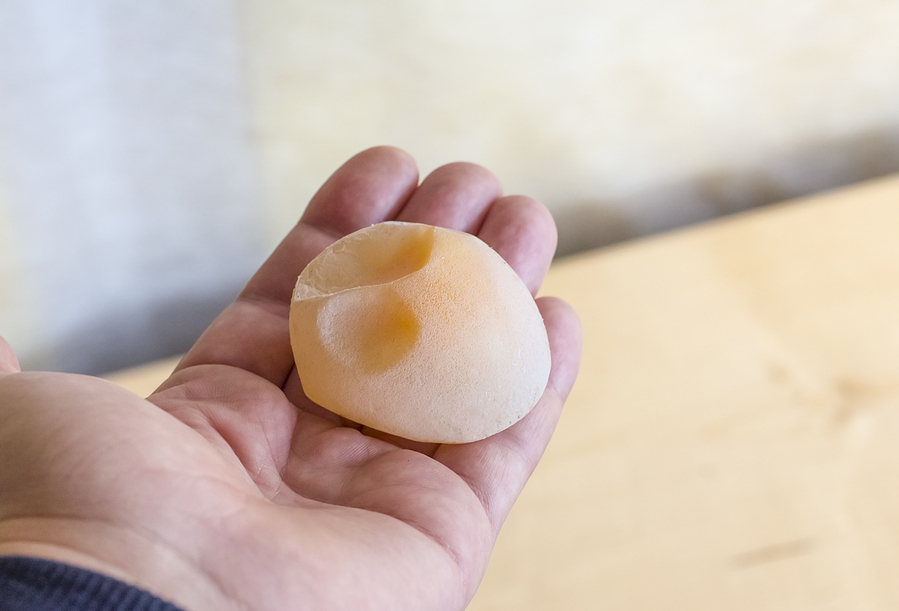
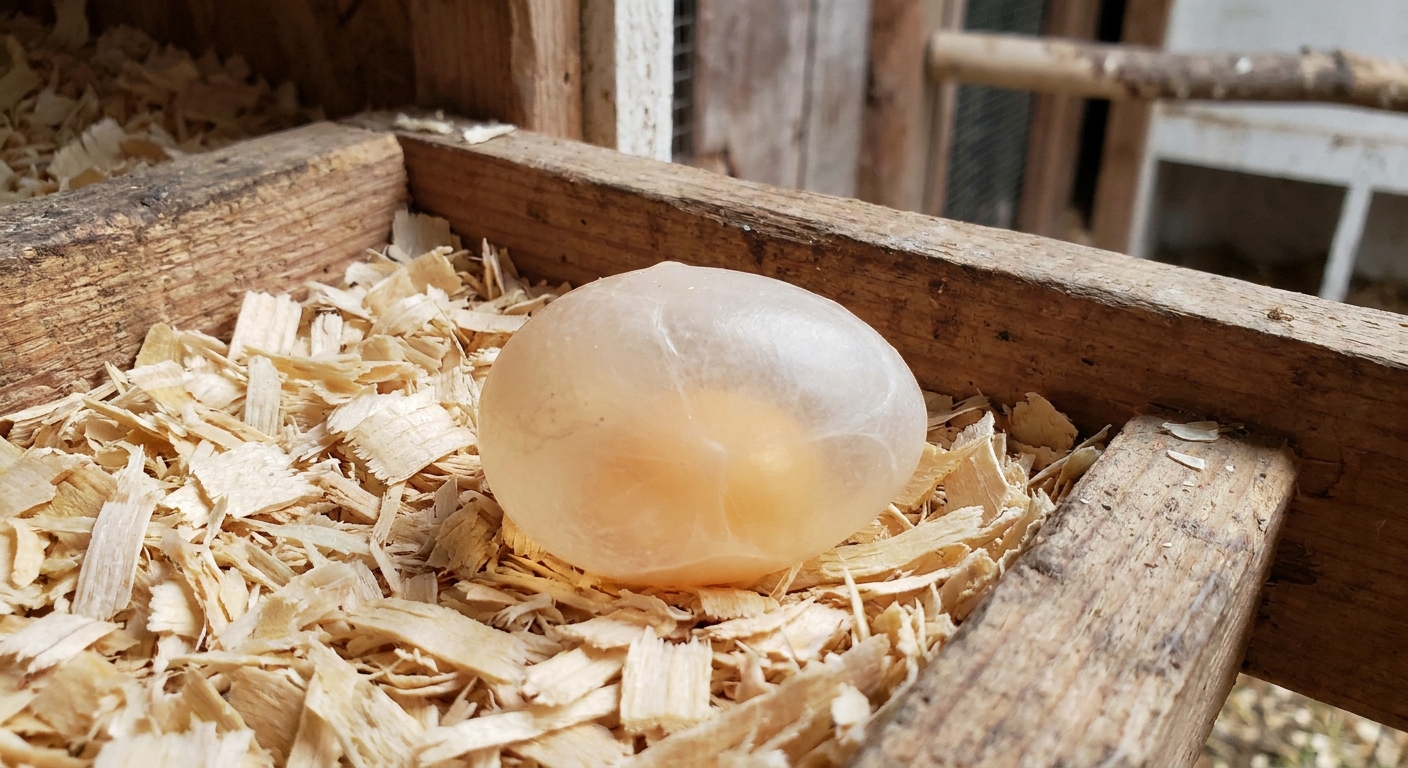
Soft-shelled and shell-less eggs
What it looks like: a rubbery egg, sometimes with a thin membrane you can dent with a fingertip. In extreme cases you get a “shell-less” egg that looks like a water balloon.
Most common causes
- Calcium imbalance: not enough calcium intake, inconsistent access, poor absorption, or a hen laying very frequently (common in high production stretches and early lay).
- Low vitamin D: hens need vitamin D to use calcium. This can pop up with prolonged indoor confinement and limited sunlight, or if dietary vitamin D is lacking.
- Heat stress: in hot weather hens pant, shift blood chemistry, and shells can get thin or soft.
- Stress or disruption: predator scare, coop changes, new flockmates, barking dog next door, you name it.
- Young pullets: early weeks of laying can be “practice mode,” including soft shells.
- Illness: infectious bronchitis (a contagious coronavirus) and some other infections can cause shell and albumen defects. Reproductive infections can too.
- Parasites or chronic poor condition: heavy parasite loads and general malnutrition can quietly chip away at shell quality over time.
What to do right now
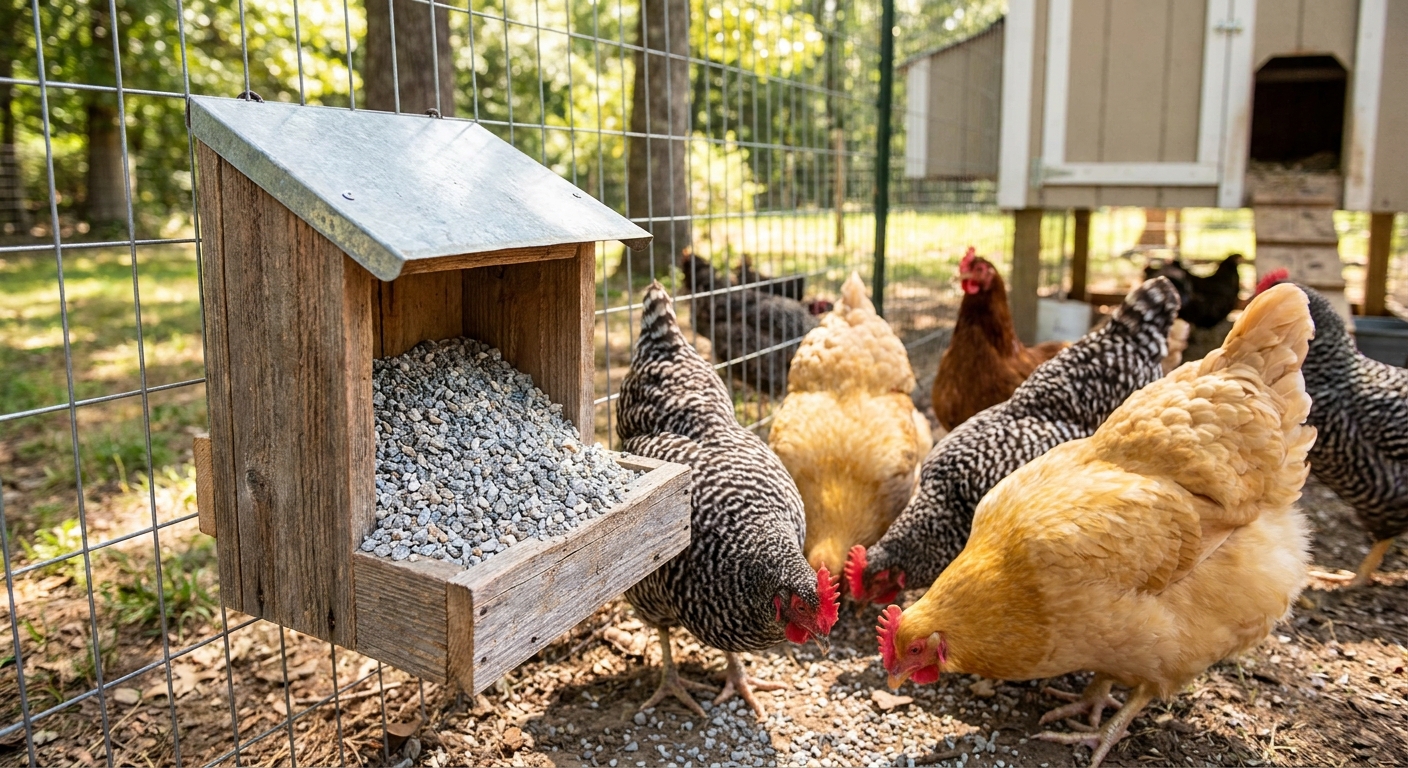
- Offer oyster shell free-choice in a separate dish. Do not mix it into feed where everyone is forced to eat it.
- Confirm layer feed is fresh and appropriate (often around 16% protein with proper calcium for layers).
- Support hydration and shade during heat. Add extra water stations and ventilation.
- Check for a pattern: one odd egg is common. Multiple soft eggs over several days is a sign to dig deeper.
- Watch for egg binding signs: a soft egg can still get stuck, and it can be harder for a hen to pass than you would think.
When to worry
- Soft-shelled eggs keep happening for one hen.
- Your hen looks fluffed, withdrawn, lethargic, stops laying abruptly, or strains in the nest.
- You see a swollen, fluid-filled abdomen, penguin stance, or foul discharge. These can point to reproductive disease or egg binding risk.
- Urgent: active straining with no egg for 30 to 60 minutes, collapse, severe weakness, or a hen that cannot stand comfortably. Treat this like an emergency and seek help fast.
Can you eat it? If the membrane is intact and it was collected promptly, some folks cook and eat it. I personally skip it because shell-less eggs are harder to keep clean and more prone to contamination, especially if they broke in a dirty nest. If there is any question about cleanliness, compost it and move on.
Double yolks
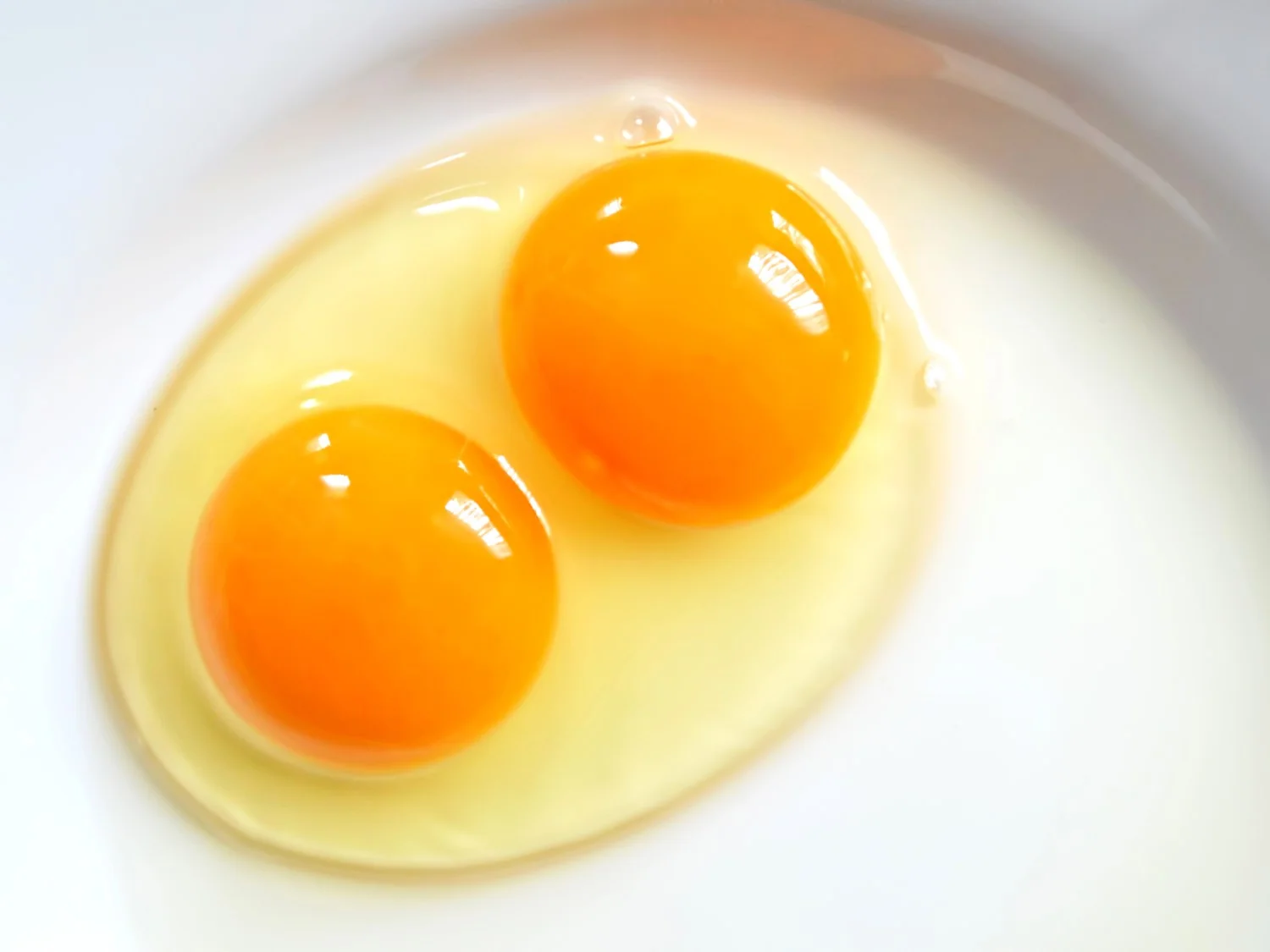
What it looks like: a noticeably large egg that, when cracked, has two yolks. Sometimes the shell looks normal, just big. Sometimes it is slightly oblong.
Why it happens
- Young hens: pullets are the champions of double yolks because their reproductive system is still syncing up.
- Breed and genetics: some lines throw doubles more often.
- Occasional timing glitch: even seasoned layers can release two yolks close together once in a while.
Should you worry?
Usually, no. Double yolks are more of a “neat find” than a medical problem. The main concern is that consistently oversized eggs can increase strain on the oviduct, especially in petite hens.
What to do
- Do nothing if it is occasional and your hen looks great.
- Watch for vent issues if she lays a run of huge eggs: blood streaks, swelling, or straining.
Can you eat it? Yes, treat it like any other egg as long as it is fresh and handled normally.
Wrinkled, corrugated, or bumpy shells
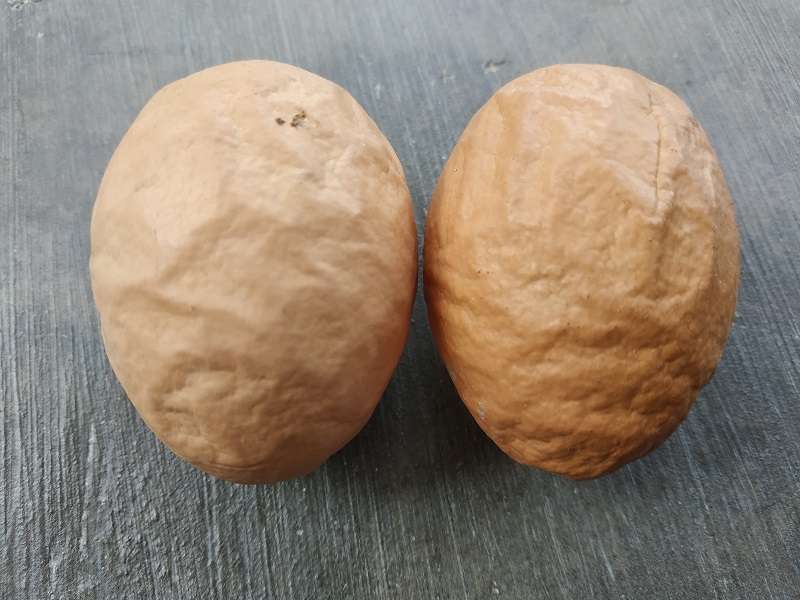
What it looks like: ridges, ripples, sandpapery texture, or a shell that looks a bit like it was built in a hurry. Sometimes the egg is misshapen too.
Common causes
- Shell gland interruption: stress, heat, a late-night fright, or illness can disrupt shell formation.
- Older hens: as hens age, shell quality often gets more variable.
- Respiratory disease history: infectious bronchitis can leave long-term shell quality issues in a flock.
- Too little calcium or poor absorption: not always thin, sometimes just rough or uneven.
What to do
- Check the basics: layer feed, oyster shell, fresh water, shade, low stress.
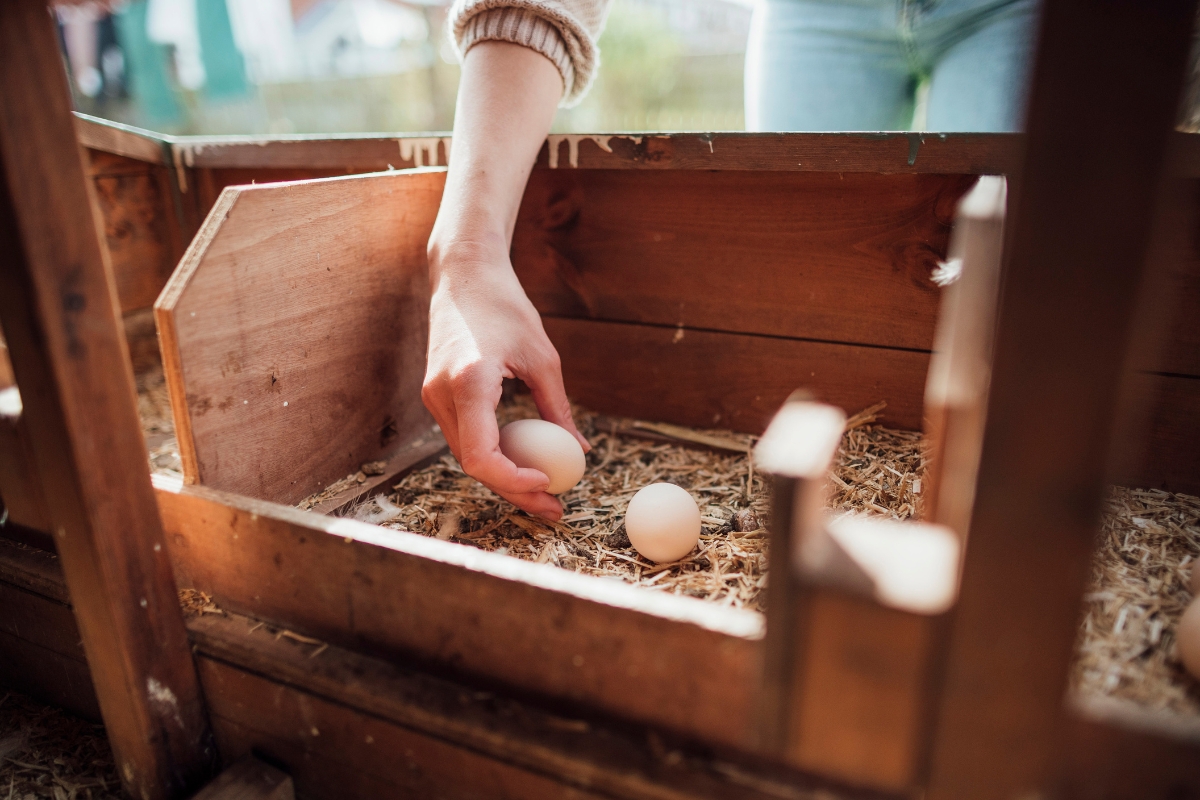
- Improve nest padding: bumpy shells crack easier.
- Track whose eggs are odd if you can. One hen may be the source.
- Quick biosecurity reset: if multiple hens suddenly lay rough or misshapen eggs, tighten routines. Quarantine new birds, limit visitors who handle poultry, and keep feeders and waterers scrubbed.
Can you eat it? Typically yes, if the shell is intact and the egg passes your normal freshness checks. More texture does not automatically mean unsafe.
Thin shells and eggs that crack easily
What it looks like: a normal-looking egg that breaks with almost no pressure, or hairline cracks appearing in the nesting box.
Likely causes
- Not enough calcium intake or inconsistent access to it.
- Low vitamin D from limited sunlight exposure or diet.
- Heat stress and chronic panting.
- Too many treats diluting nutrition. I love spoiling hens, but treats should stay modest.
- Age, especially after a couple of laying seasons.
- Parasites or chronic poor condition: a hen that is run-down often shows it in shell quality.
What to do
- Audit treats: keep extras to about 10% or less of intake.
- Offer oyster shell free-choice and ensure good feed is always available.
- Consider timing: many hens build shells overnight. If feeders are empty at dusk, some hens miss out on key nutrients.
Food safety note: do not eat eggs with cracks that sat in the nest, especially if the coop is warm. If you catch a just-laid cracked egg immediately, some people cook it right away. Use your best judgment and err on the cautious side.
Blood spots and “meat spots”
What it looks like: a small red dot (blood spot) on the yolk, or a brownish speck or string (meat spot) in the white.
Why it happens
- Blood spot: a tiny blood vessel breaks when the yolk is released. It is more common early in lay.
- Meat spot: a bit of tissue from the oviduct, more common in older hens.
Should you worry?
Not usually. If you start seeing frequent spots across multiple hens, take a look at overall stress, nutrition, and any signs of illness.
Can you eat it? Yes. Scoop it out if it bothers you.
Yolkless eggs (the tiny “fairy egg”)
What it looks like: a very small egg, often with mostly white and little to no yolk.
Common causes
- New layers: classic pullet oddity.
- Oviduct hiccup: a small bit of tissue can trigger the egg-making process without a true yolk.
When to worry
If your hen is otherwise normal and this happens once, it is usually nothing. If she is straining, lethargic, or stops laying suddenly, pay attention to possible reproductive issues.
Eggs with no bloom, pale shells, or odd shell color
What it looks like: an egg that seems unusually matte, chalky, or lacking the usual protective sheen. Or a shell color that is lighter than normal for that hen.
What it can mean
- Stress can lighten brown shells and reduce bloom quality.
- Age often leads to lighter shells over time.
- Illness can alter pigment and shell formation.
What to do
- Keep eggs clean by dry brushing when possible instead of washing. Washing removes bloom and shortens shelf life unless refrigerated.
- Look for other symptoms. Color changes alone are rarely an emergency.
Hard lumps and extra shell deposits
What it looks like: little white bumps, rough patches, or a ring of extra shell material.
Likely causes
- Shell gland overcorrecting after a minor disruption.
- Temporary irritation of the oviduct.
- Age can make these more common.
Can you eat it? Generally yes, as long as the egg is otherwise normal and clean.
Lash eggs (not actually eggs)
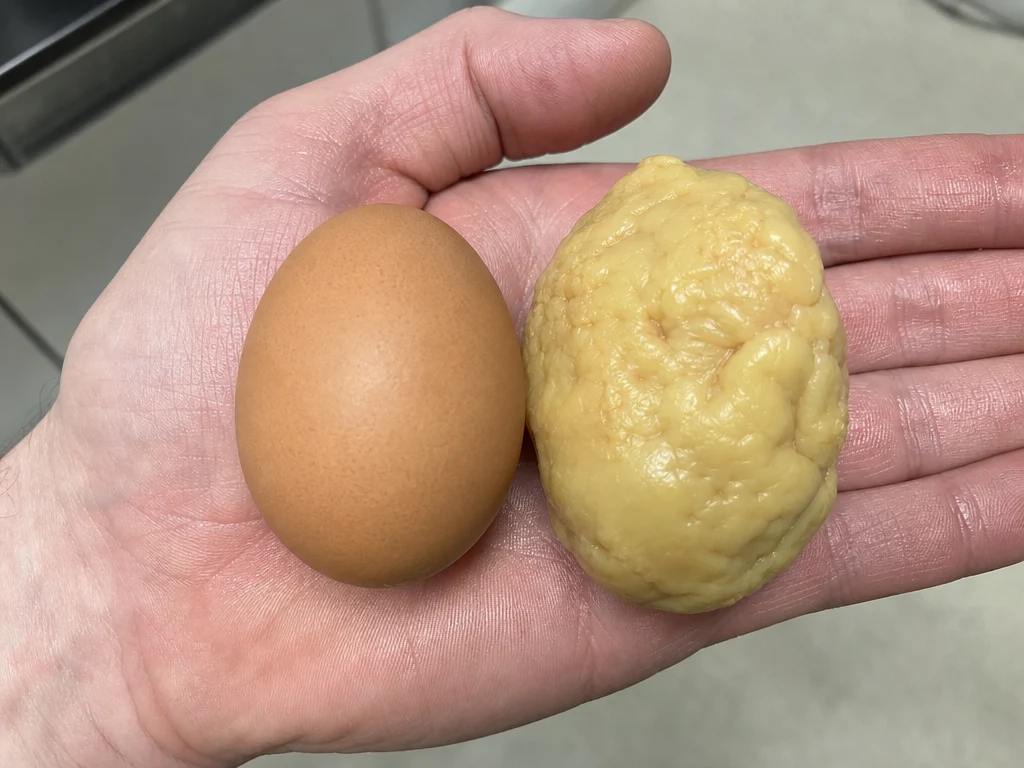
What it looks like: a rubbery, misshapen mass that may be tan, yellow, white, or mottled. It can have a strong odor. Sometimes it looks like layered tissue or cheesy material. Many people find one and think, “My hen laid a monster.”
Lash eggs are usually casts of inflammatory material from the reproductive tract. They are often associated with salpingitis and other reproductive infections or chronic inflammation, sometimes involving bacteria such as E. coli.
Why lash eggs matter
- This is not a quirky egg abnormality. It is typically a medical issue.
- The underlying infection or inflammation can worsen and may recur even if you only see one lash egg.
- Hens can look “mostly fine” at first, then decline quickly.
What to do if you find one
- Isolate and observe the hen if you know who laid it. Watch appetite, posture, droppings, and activity.
- Check for other red flags: foul-smelling vent discharge, swollen abdomen, feverish warmth, penguin stance, reluctance to move, or repeated straining.
- Contact an avian vet if possible. Treatment may involve antibiotics and supportive care. The right plan depends on the hen and how advanced the problem is.
- Do not eat it and do not confuse it with a normal egg problem.
If you cannot get to a vet
I cannot diagnose your hen over the internet, and lash eggs are one situation where guessing gets risky. What you can do at home while arranging help is basic supportive care: keep her warm, quiet, hydrated, and eating. If she is actively straining, weak, or has a swollen abdomen, treat it as urgent.
Quick “What am I looking at?” checklist
- Rubbery shell or no shell: calcium, vitamin D, heat stress, stress event, or illness. One odd egg is common. Worry if it repeats or your hen looks unwell.
- Very large egg: often double yolk, common in pullets. Usually fine.
- Wrinkled or ridged shell: shell gland disruption, stress, age, sometimes infectious bronchitis history.
- Paper-thin shell: calcium imbalance, too many treats, heat, age, sometimes parasites or chronic poor condition.
- Tiny egg: fairy egg, common early in lay.
- Rubbery smelly mass: possible lash egg. Take seriously.
When an abnormal egg is a big red flag
If you see an odd egg plus any of the signs below, it is time to shift from “monitoring” to “action”:
- Straining in the nest or repeated squatting with no egg
- Penguin stance or a swollen, fluid-filled abdomen
- Lethargy, fluffed feathers, not coming out for treats
- Foul odor from the vent or abnormal discharge
- Sudden stop in laying paired with behavior change
- Frequent shell defects in the same hen over a week or more
- Urgent: active straining for 30 to 60 minutes, collapse, severe weakness, or breathing distress
Backyard chicken keeping involves a lot of normal weirdness. Your job is not to panic at every bumpy shell, but to notice patterns. A single strange egg is trivia. A trend is information.
Egg handling tips when shells are questionable
- Collect often in hot or wet weather.
- Keep nesting material clean and dry so compromised shells are less likely to pick up bacteria.
- Refrigerate washed eggs immediately if you must wash them.
- Use the float test as a freshness clue, but remember it mainly reflects air cell size and egg age, not whether an egg is contaminated. When in doubt, toss it.
FAQ
Why did my hen lay a soft egg once and then go back to normal?
That is extremely common. A single stress event, a hot day, a brief calcium dip, or a timing glitch can produce one soft shell. If she is acting normal and it does not repeat, you can usually chalk it up to “hens being hens.”
Do I need to give calcium supplements in the water?
Most backyard flocks do best with quality layer feed plus free-choice oyster shell. Water additives are easy to overdo and can create other imbalances. I reserve stronger supplementation for vet guidance or very specific situations.
Can double yolks hatch into twins?
In theory it can happen, but in practice it is rare for both embryos to develop and hatch successfully. For most backyard keepers, double yolks are best enjoyed in the frying pan.
Is a lash egg contagious?
The lash egg itself is not a “bug” that spreads, but the underlying infections and flock conditions that contribute to illness can affect more than one bird. Good sanitation, low stress, and prompt attention to sick hens matter. If you suspect a contagious respiratory issue in your flock, tighten biosecurity and avoid swapping birds or equipment with other keepers.