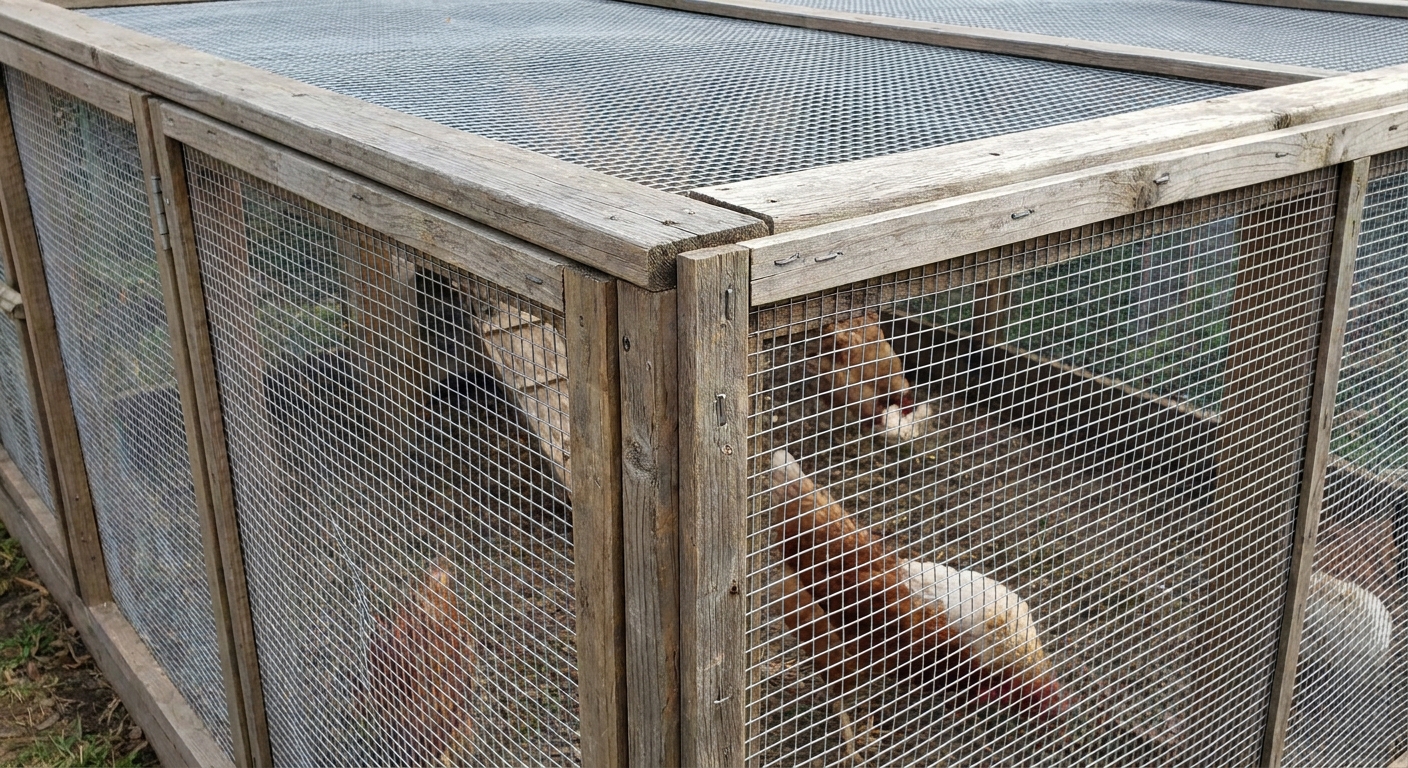
A step-by-step, backyard-tested guide to securing your flock from foxes, raccoons, hawks, and digging predators using hardware cloth, aprons, and foolproof l...
The Cluck Loom
Predator-Savvy Chicken Breeds for Free-Ranging
Want chickens that can handle free-ranging? Meet the alert, athletic breeds that forage hard, watch the sky, and react fast to hawks, foxes, and other backyard predators.

Maggie Harper
Maggie Harper is a passionate backyard chicken keeper with over a decade of hands-on experience raising mixed flocks. Through CluckLoom, she shares practical advice on coop building, flock health, and egg production to help beginners and seasoned enthusiasts alike raise happy, healthy chickens.
Published
October 22, 2026
Last updated
October 22, 2026
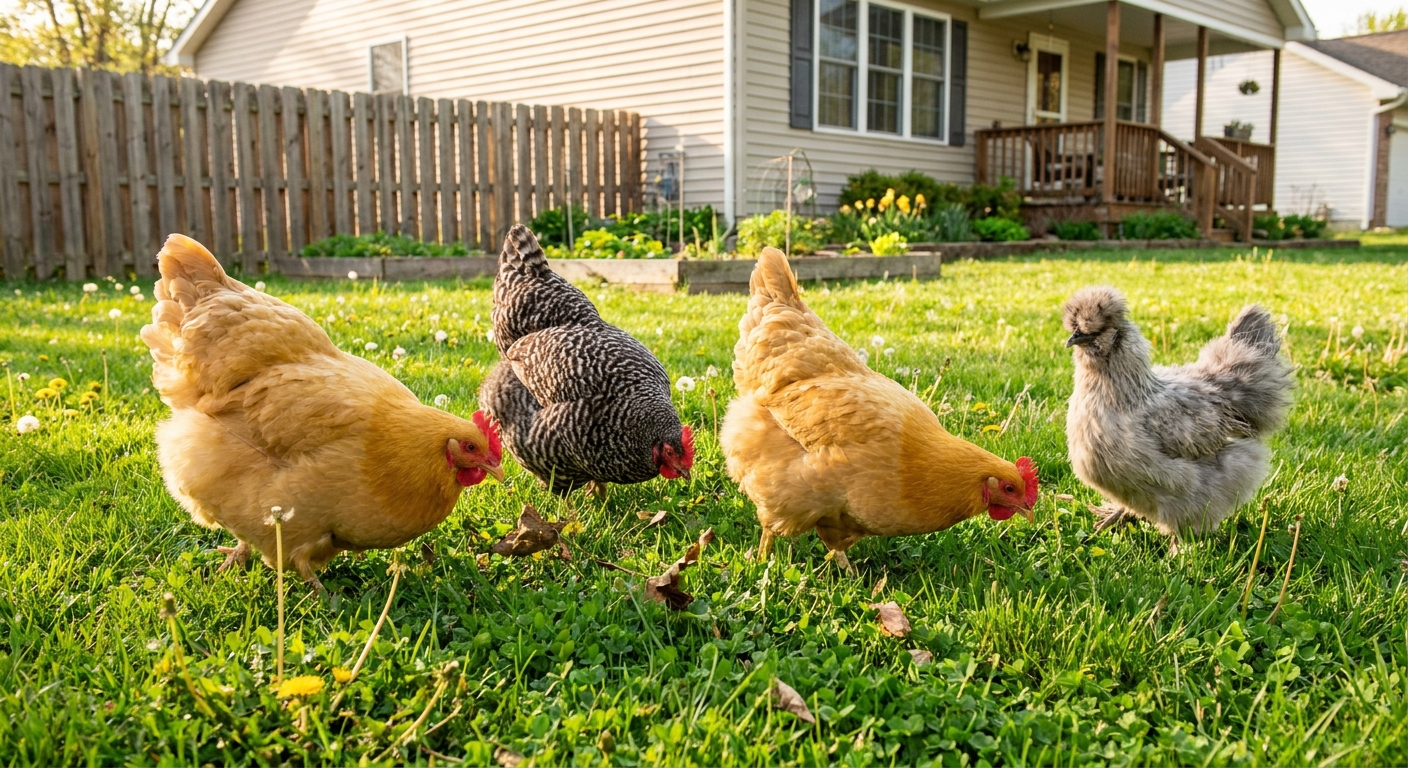
Free-ranging is one of the best parts of keeping chickens. Watching a flock spread out like tiny feathered detectives, flipping leaves, debating a worm, then sprint like Olympic athletes when someone sees something suspicious, it is pure backyard entertainment.
But free-ranging also puts your birds on the same menu as hawks, foxes, coyotes, neighborhood dogs, raccoons, and even the occasional bold owl. Some breeds are simply better wired for it. They range wider, forage smarter, keep their heads up, and hit cover fast.
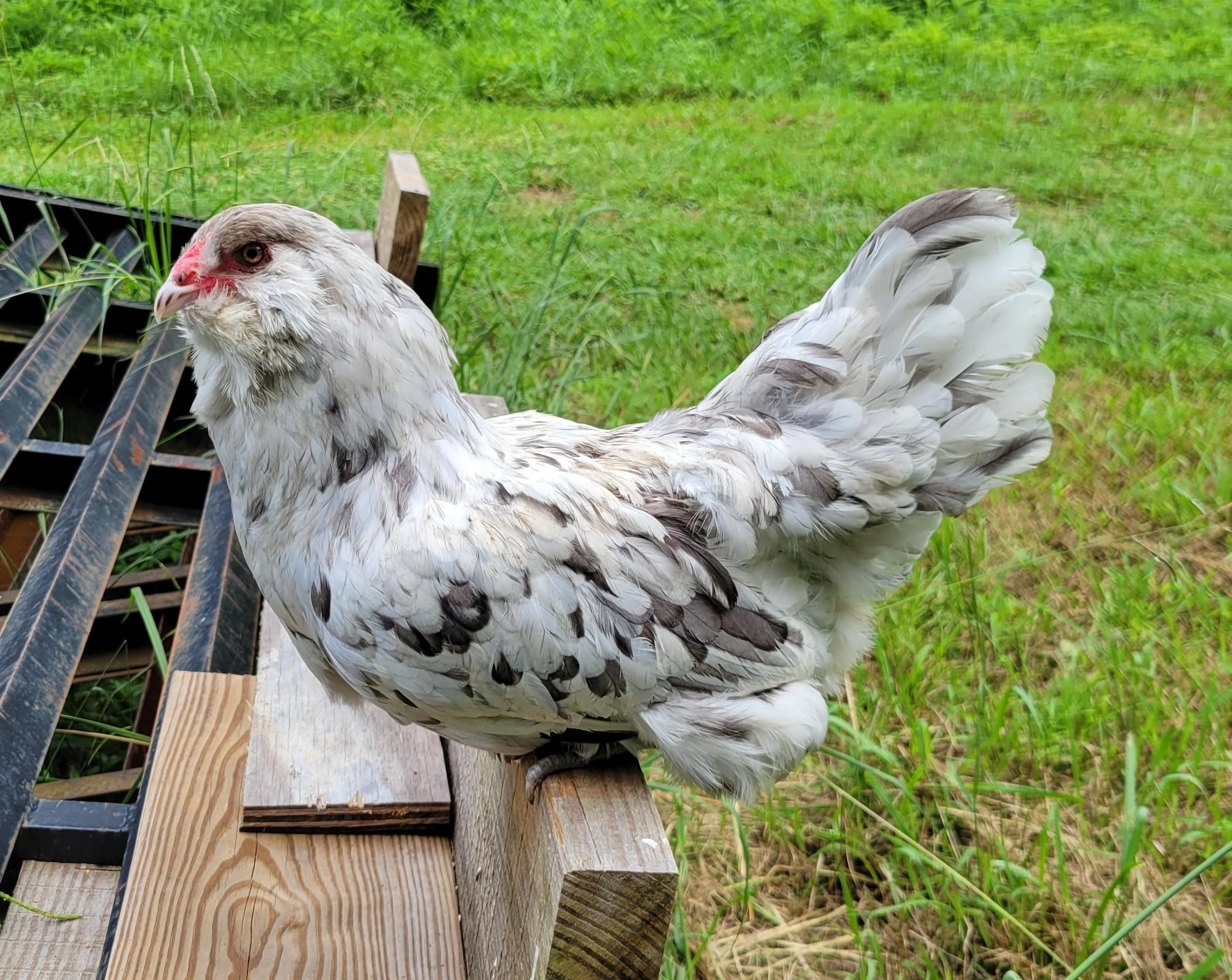
Below are chicken breeds that tend to excel at free-ranging because they are active, vigilant, and quick to use cover. I will also be honest about the big caveat: no breed is predator-proof. Your setup, your routine, and your local predator pressure matter just as much as your breed choice.
What makes a chicken predator-savvy?
When people say a breed is “predator-aware,” they usually mean a mix of temperament and body type. These are the traits I see over and over in the birds that do best outside the run.
- High alertness: They naturally scan the sky and tree line, not just the snack zone.
- Athletic build: Quick acceleration, decent flight height (even just to a low branch), and the ability to dodge into brush.
- Strong foraging drive: They stay busy and spread out rather than standing in the open waiting for feed.
- Smart use of cover: They prefer edges, hedges, and understory, not the middle of the lawn like a target.
- Fast “freeze then flee” response: When a shadow passes, they do not hesitate.
One more detail that surprises beginners: lighter breeds are often better at evasion, while heavy, fluffy breeds are often calmer and slower. Often is the key word. Individual birds vary, and some calmer, heavier hens do just fine because they stay close to cover and do not wander into wide-open space.
Also, a gentle reminder from real life: breed tendencies are just tendencies. Strain, how the bird was raised, how much cover you provide, and what predators you have all change the outcome.
Top chicken breeds for free-ranging
Every flock has individuals that break the rules, but these breeds have a strong reputation among keepers for being capable rangers with good predator sense.
Leghorn
If I had to pick a chicken that is consistently comfortable on the move, it might be the Leghorn. They are busy, light on their feet, and naturally wary.
- Why they do well: Fast, quick to get airborne when startled, and often very aware of overhead threats.
- Watch-outs: They can be more independent and less cuddly. They also like to wander, so fencing and boundaries matter.
- Best fit for: Bigger yards, rural properties, or suburban setups with solid boundaries and plenty of shrubs.
Fayoumi
Fayoumis have a well-earned reputation for being sharp little survivalists. In many flocks, they are the ones who notice trouble first and disappear fastest.
- Why they do well: Extremely vigilant, excellent foragers, fast to cover.
- Watch-outs: Not typically lap chickens. They can be noisy and a bit high-strung if you want a calm backyard vibe.
- Best fit for: Keepers who prioritize self-sufficient ranging over docility.
Welsummer
Welsummers are one of my favorite “middle ground” breeds. They tend to be practical birds: good foragers, reasonably calm, but not oblivious.
- Why they do well: Active and capable, often good at using edges and brush lines.
- Watch-outs: Roosters can be assertive. Hens are usually sensible, but still need cover from aerial predators.
- Best fit for: Families who want a productive layer that still has strong outdoor instincts.
Hamburg
Hamburgs are classic sprinters. They are quick, aware, and not easily fooled by the world around them.
- Why they do well: Agile, energetic, and naturally cautious.
- Watch-outs: They can be hard to confine if your run is small or boring. Enrichment helps.
- Best fit for: Free-range focused keepers who can offer space and interesting terrain.
Ancona
Anconas are underrated free-rangers. They are active, sharp, and often more predator-conscious than heavier dual-purpose breeds.
- Why they do well: Lively foragers, quick to react, generally hardy.
- Watch-outs: Like other Mediterranean types, they can be less “pet-like” and more business-like.
- Best fit for: Egg-focused flocks that still want strong ranging ability.
Old English Game (and other gamefowl types)
Game breeds were shaped by selection for athleticism and awareness. Even in a backyard setting, they often carry themselves like they are on duty.
- Why they do well: Fast, alert, strong escape instincts, often excellent at getting to cover.
- Watch-outs: Roosters can be intense, and some lines are more reactive. Match temperament to your household and your handling style.
- Best fit for: Experienced keepers who can manage flock dynamics and want hardy, capable rangers.
Easter Egger and Ameraucana-type mixes
Because Easter Eggers are mixes, you will see variety. Still, many lines are active, curious, and pretty savvy outdoors. In my own mixed flock, the Ameraucana-type birds are often the first to notice trouble and the first to vanish under the lilac bush.
- Why they do well: Often nimble, curious foragers with decent awareness.
- Watch-outs: Individual variation is real. Watch the bird, not just the label.
- Best fit for: Backyard keepers who want colorful eggs plus birds that enjoy working for their food.
Breeds that need extra help
Some of the most beloved backyard breeds are not naturally cautious, or they are physically slower. That does not mean they cannot free-range. It means your yard setup needs to do more of the protecting, and your timing matters more.
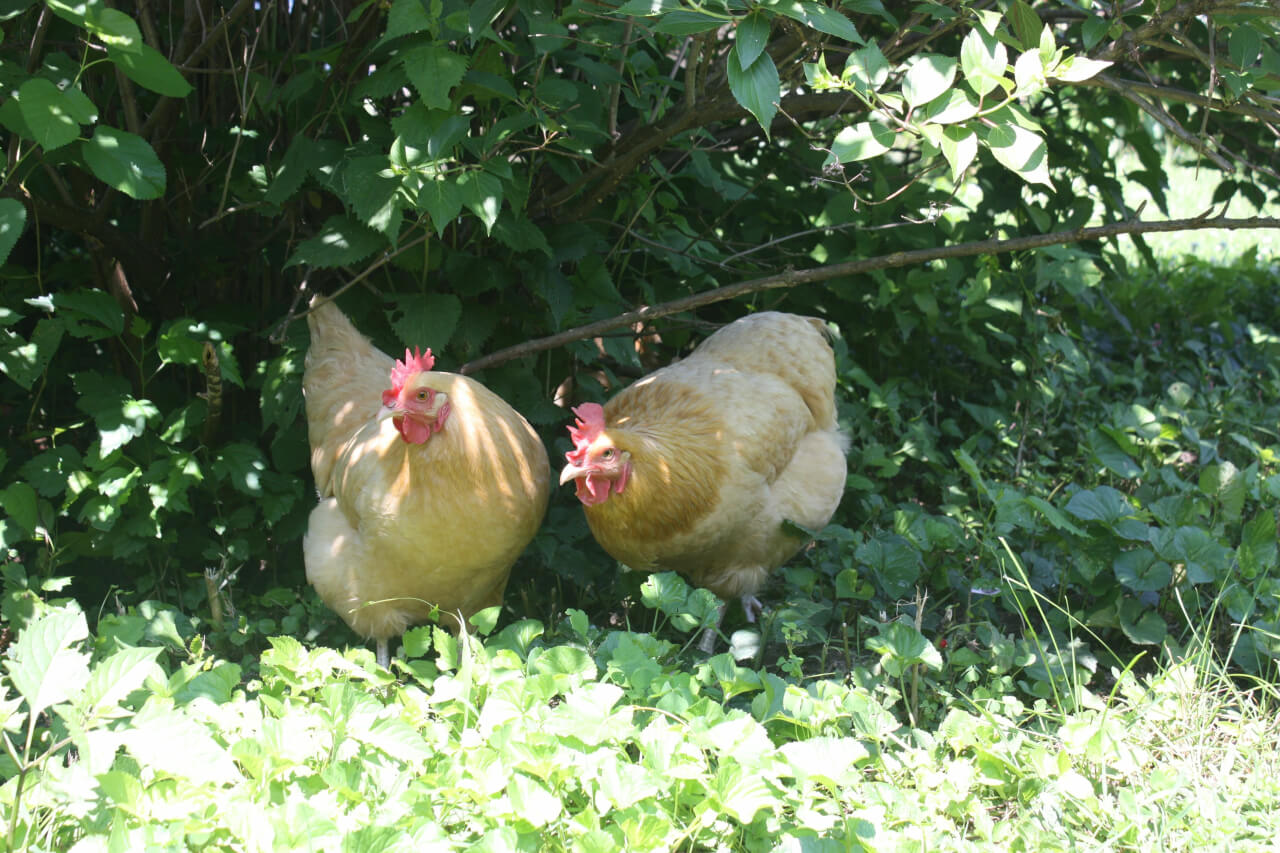
Buff Orpington
Orpingtons are sweet, fluffy, and often convinced the world is basically fine. They are also not built for quick takeoffs.
- Strengths: Calm, friendly, generally stick close to home.
- Support they need: Lots of low cover, tighter free-range windows, and a strong recall routine to get them in well before dusk.
Brahma and other heavy breeds
Big birds can be surprisingly confident, but they are not usually the birds dodging a fox at full speed.
- Strengths: Cold hardy, steady temperaments.
- Support they need: Protected ranging areas, overhead deterrents, and fewer wide-open spaces.
Silkie and Polish (top-knot breeds)
I adore Silkies, but I do not free-range them like I do my sharper birds. Silkies cannot fly well and can be easy targets. Polish can have limited vision depending on crest size.
- Strengths: Gentle, fun personalities.
- Support they need: Supervised yard time, protected pens, and trimmed crests for visibility if needed.
Set your flock up to win
Breed helps, but the yard is what turns “possible” into “pretty safe most days.” Here are the steps that make the biggest difference in real backyards.
1) Build cover like a chicken would
Chickens feel safest moving along edges. If your yard is an open rectangle of grass, you have basically built a hawk runway.
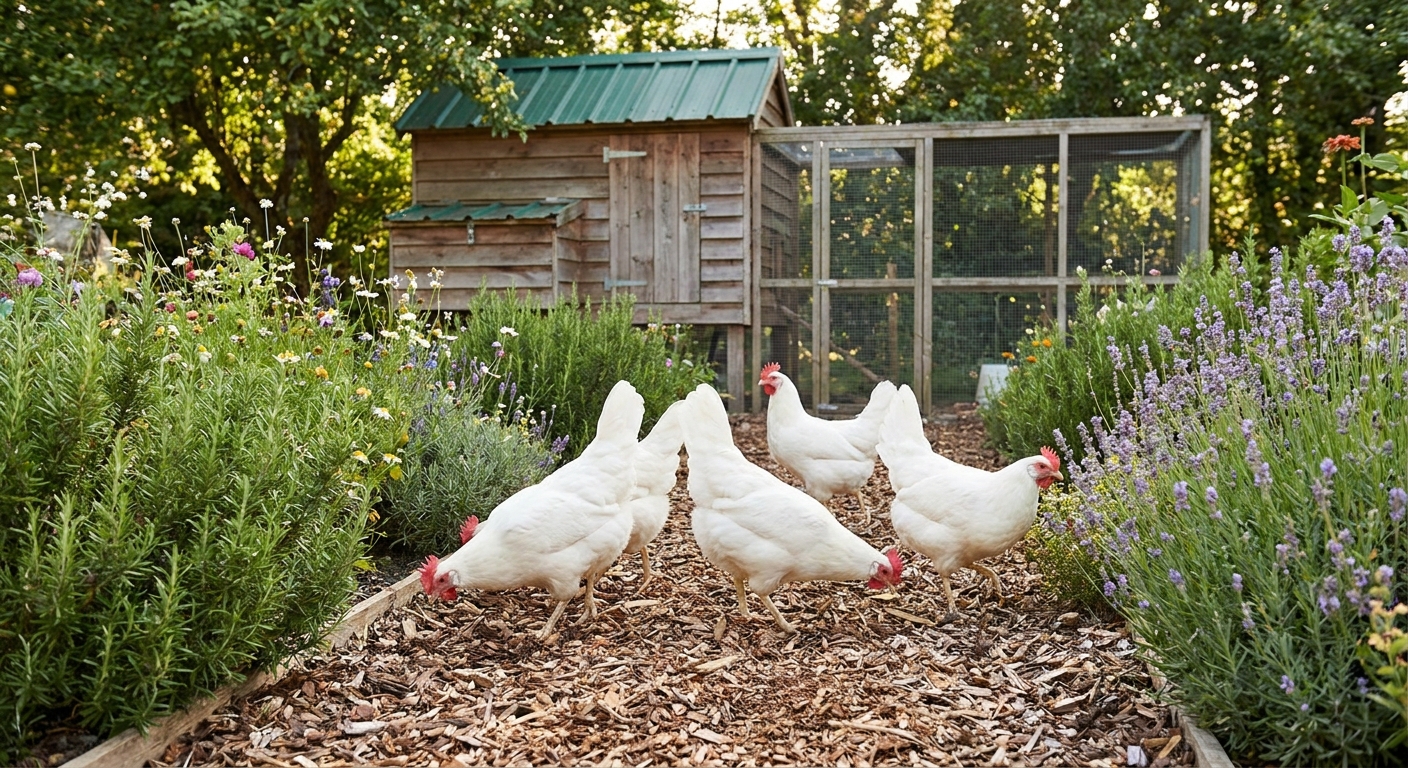
- Add low, broken-up cover: shrubs, tall ornamental grasses, berry canes, and small trees.
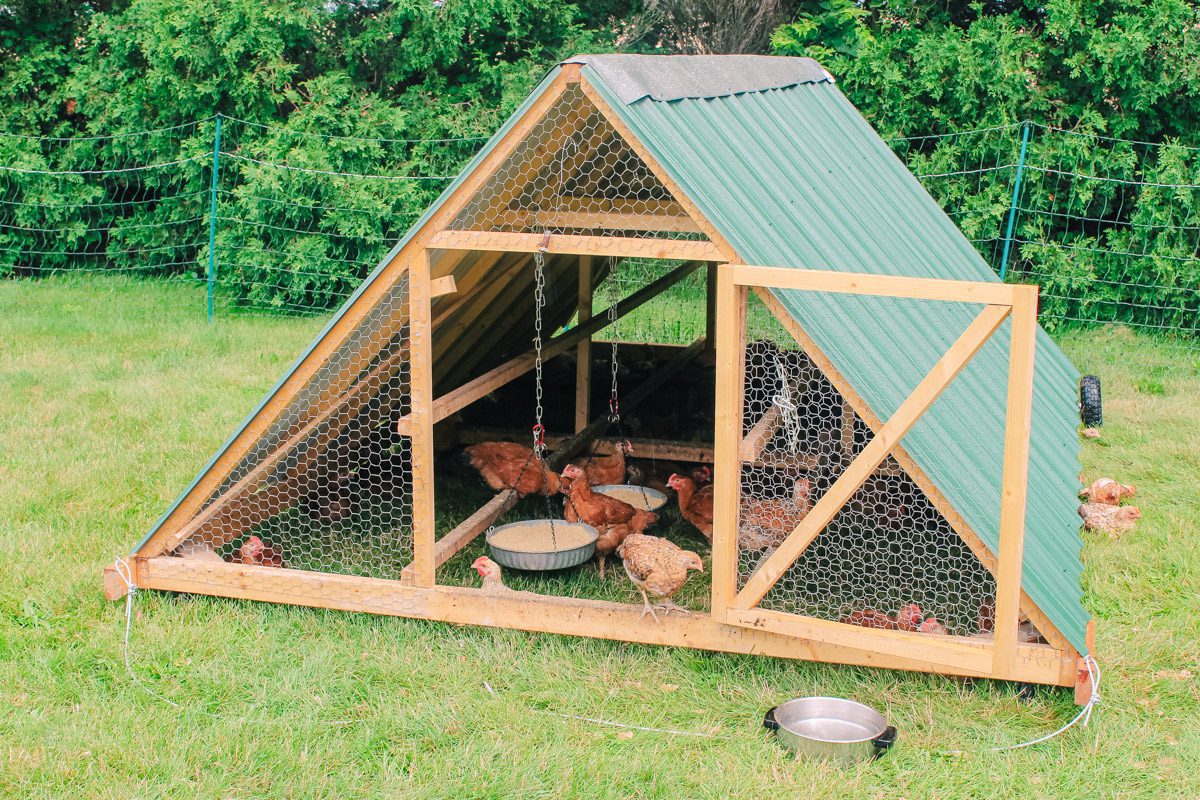
- Use movable cover: pallets leaned into an A-frame, a small picnic table, or a simple cattle panel tunnel.
- Give them multiple hide options: so every bird can tuck in without getting bullied out of the safest spot.
2) Train a recall and use it
My most practical predator tool is boring: a consistent call and a consistent treat. I use a small cup of scratch or a handful of mealworms, and I call the same phrase every time. When the sky looks dicey, I do not negotiate. I call them in.
- Start recall training inside the run for a week.
- Graduate to short free-range sessions, then recall.
- Always reward. Chickens remember who pays on time.
3) Choose safer times to range
Predator pressure varies by location, season, and even day-to-day. In many places, low-light hours can be higher risk because foxes and owls like dawn and dusk, and visibility is harder for you too. Hawks can hunt all day, but many keepers notice more flyovers when birds are active and the yard is bright and open, often mid-morning through late afternoon.
- Practical rule: range when you can keep an eye out and call everyone in fast.
- Avoid: letting birds out right at sunrise or leaving them out until bedtime, especially in winter when “dusk” sneaks up.
4) Lock down nights
Even the most predator-savvy breed is vulnerable once it is perched and sleepy.
- Use hardware cloth, not chicken wire, on windows and vents.
- Secure latches with carabiners or predator-proof locks.
- Close the coop every night, no exceptions.
5) Consider a rooster, but keep expectations realistic
A good rooster can help. He spots threats, sounds alarms, and shepherds hens into cover. A bad rooster causes chaos and injuries. Also, roosters do not beat hawks every time. Think of him as an early warning system, not security personnel.
6) Mind your season and your neighborhood
Two things that sneak up on people are seasonality and neighbor rules. When leaves drop, your “safe” yard can turn into open exposure overnight. Young birds are also more vulnerable until they learn routines and get faster. And before you add a rooster or change fencing, check local ordinances and talk to nearby neighbors. Free-ranging can also mean scratched flower beds, surprise chicken visits, and the occasional poop-on-the-porch complaint, even if your birds are angels at home.
Predator-specific tips
Hawks
- Provide overhead clutter: tree limbs, shade sails, grape arbors, or netting over part of the yard.
- Keep birds near brushy cover, not out in the center of the lawn.
- If you see hawks frequently, free-range in shorter, supervised sessions.
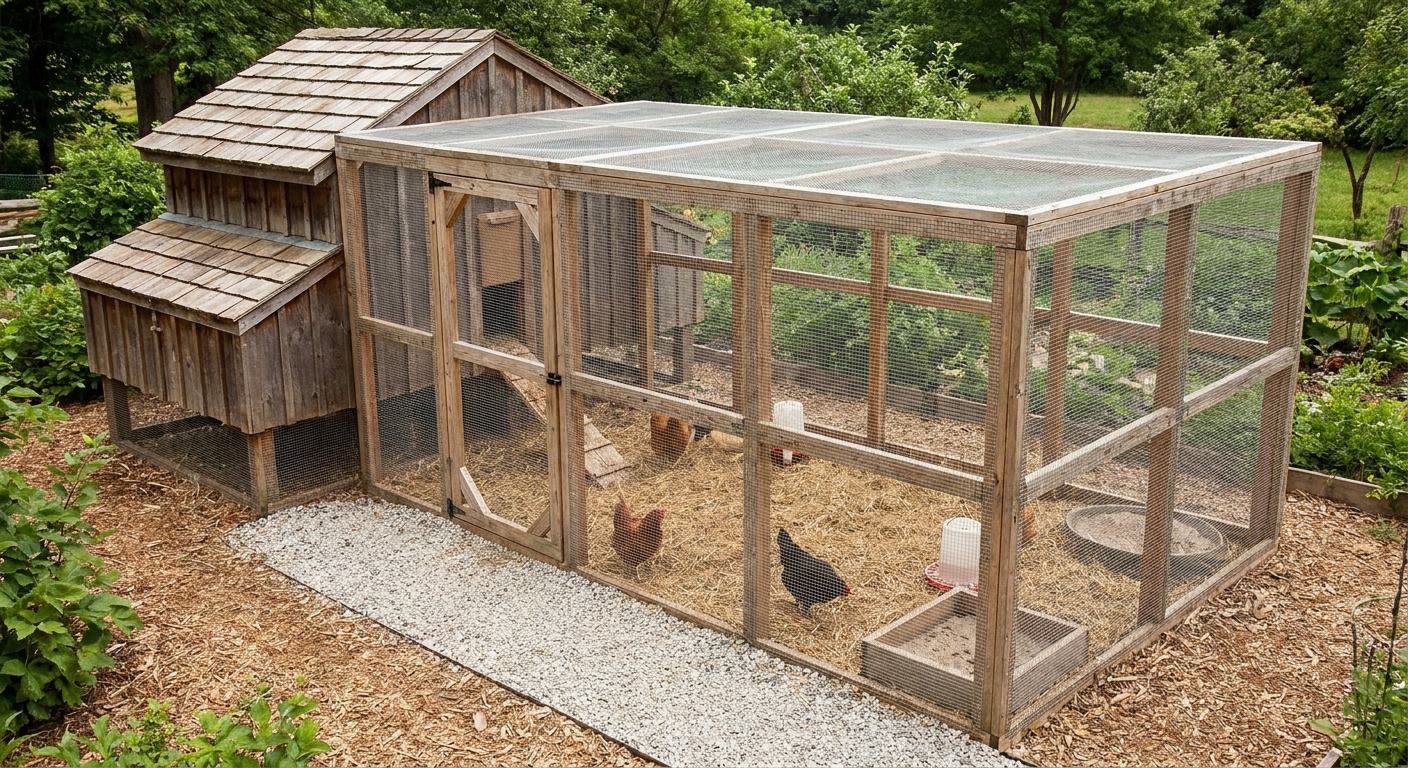
If you use netting, keep it tight and well-supported so there are no saggy pockets. Loose netting can tangle birds. For permanent covered runs, many keepers prefer solid framing with hardware cloth or a taut, heavy-duty knotted net designed for poultry.
Foxes and coyotes
- Do not rely on a chicken’s speed alone. Use fencing, keep birds closer to the house, and avoid low light.
- Pick up spilled feed to avoid attracting rodents, which attract bigger hunters.
- Motion lights can help, but do not assume they solve the problem long-term.
Raccoons
- Raccoons are mostly a coop and run problem because they are active at night, but they can also grab birds at dusk or if chickens roost outside.
- Reinforce latches and use hardware cloth.
- Do not leave waterers with feed scraps overnight near the coop.
Neighborhood dogs
- Even friendly dogs can flip into chase mode. If loose dogs are common, free-ranging without a barrier is risky.
- Consider a fenced “free-range yard” or a large mobile run instead of full open access.
Quick breed picks
- Lots of hawks, plenty of shrubs: Leghorn, Hamburg, Fayoumi, Ancona
- Foraging plus family-friendly: Welsummer, many Easter Eggers
- Smaller yard, you want them close: Welsummer, calmer Easter Eggers, some Wyandotte lines (with good cover)
- You value calm over athletic: Orpingtons can range, but give them structured safety: cover, supervision, shorter sessions
FAQ
What is the best chicken breed for avoiding hawks?
Light, alert breeds tend to react fastest to aerial threats, especially Leghorns, Hamburgs, Fayoumis, and Anconas. That said, the biggest hawk deterrent is yard design: overhead clutter and plenty of low cover so your birds can disappear in two seconds.
Do darker chickens get taken less often than lighter chickens?
Sometimes darker birds look less obvious against soil and shade, but hawks key in on movement and opportunity more than color. A white Leghorn in open grass is very visible, but a white bird under shrubs is suddenly much harder to target.
Will a rooster protect hens from predators?
A good rooster can reduce risk by sounding alarms and moving hens to cover, but he cannot guarantee safety. Some predators strike too fast. If you add a rooster, choose for temperament and manage him like part of your flock plan, not like a guard dog.
Can I free-range in the suburbs?
Yes, with smart boundaries. Suburban threats are often hawks, raccoons, and dogs. I recommend a fenced yard or a defined free-range area, lots of shrubs and hiding spots, and a reliable recall so you can bring everyone in quickly.
What is safer than true free-ranging but still lets chickens forage?
A large covered run, a chicken tractor, or a fenced paddock with netting overhead. Your birds still get sunshine and bugs, and you get a lot more control over the risk.
My bottom line
If predator pressure is high and you truly want birds that can handle themselves outdoors, start with an active, alert breed like Leghorn, Hamburg, Fayoumi, Ancona, or a savvy line of Easter Eggers. Then do the unglamorous part: build cover, train recall, and keep nighttime security tight.
Because the best “predator-savvy breed” is the one that has a safe place to run to when instinct kicks in.