Fresh air matters year-round. Here’s how to vent your coop to prevent ammonia and moisture while keeping roosting chickens out of winter drafts.
The Cluck Loom
Top Cold-Hardy Chicken Breeds for Freezing Winters
Snowy winters don’t have to mean a sad, silent coop. Here are the best cold-hardy chicken breeds with small combs, fluffy bodies, and solid winter egg production.

Maggie Harper
Maggie Harper is a passionate backyard chicken keeper with over a decade of hands-on experience raising mixed flocks. Through CluckLoom, she shares practical advice on coop building, flock health, and egg production to help beginners and seasoned enthusiasts alike raise happy, healthy chickens.
Published
October 22, 2026
Last updated
October 22, 2026
If your winter forecast looks like a snow globe that someone forgot to put down, breed choice matters. A cold-hardy chicken is basically built like a feathered parka, with a heavier body, dense feathering, and (this is huge) a smaller comb and wattles that are less likely to get frostbitten.
I started out with Rhode Island Reds in a scrappy little backyard coop and learned fast that winter is where “tough” and “thriving” split into two very different categories. The good news is that with the right breeds, you can have a flock that stays comfortable, keeps eating, and often keeps laying even when the waterer is trying its best to become an ice sculpture.
What makes a breed cold-hardy?
Cold hardiness is not just about “can they survive.” It is about how well they handle weeks of low temperatures without stress spiraling into illness, weight loss, or frostbite.
Traits that do well in deep cold
- Small combs (pea combs and rose combs are winter MVPs) that reduce frostbite risk.
- Heavier bodies that hold heat better than slim, flighty builds.
- Dense feathering, sometimes with extra fluff or downy undercoats.
- Calm temperament that tolerates short stretches of staying in during storms (as long as you still give them enough space to avoid stress and squabbles).
- Steady winter laying (not every cold-hardy bird lays well in winter, so it is worth separating those two ideas).
A quick reality check: no breed lays like it is June when days are short. If you want winter eggs, light (a consistent schedule) and nutrition matter. But some breeds keep producing more reliably than others.
Best cold-hardy chicken breeds
These are backyard-friendly breeds that tend to handle freezing climates well, especially if you pair them with a dry coop, blocked wind at bird level, and ventilation up high.
1) Wyandotte
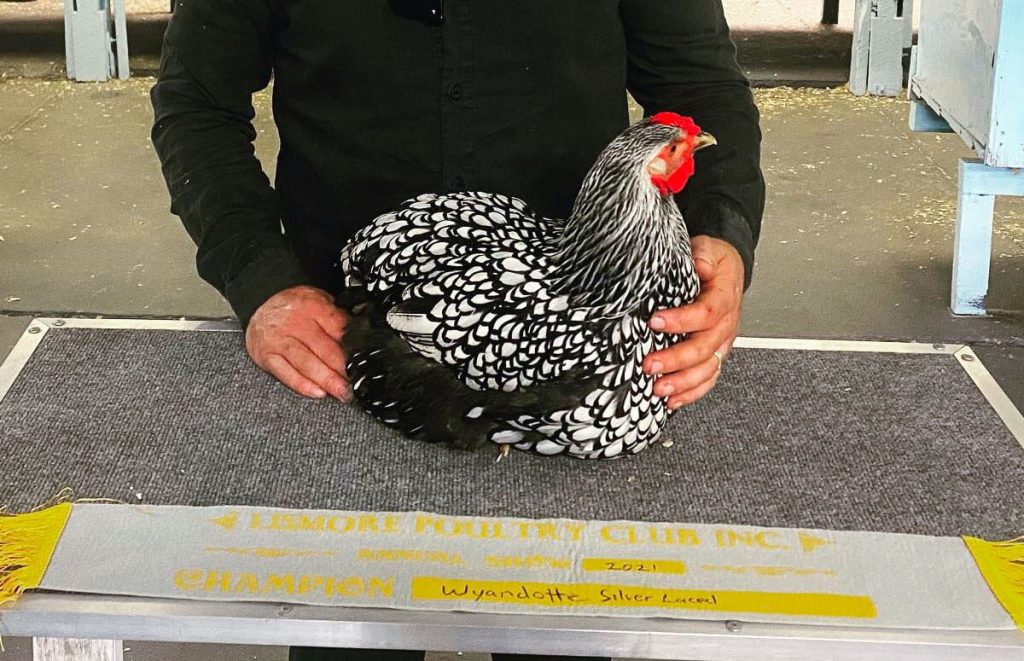
If I had to pick a “winter-proof” backyard chicken that still looks like it walked out of a storybook, it would be a Wyandotte. Their rose comb is a big reason they do so well in harsh cold.
- Why they are great in winter: small rose comb, dense feathering, sturdy build
- Eggs: good layer of brown eggs, many keep laying better than expected
- Temperament: generally calm and confident, can hold their own in flock dynamics
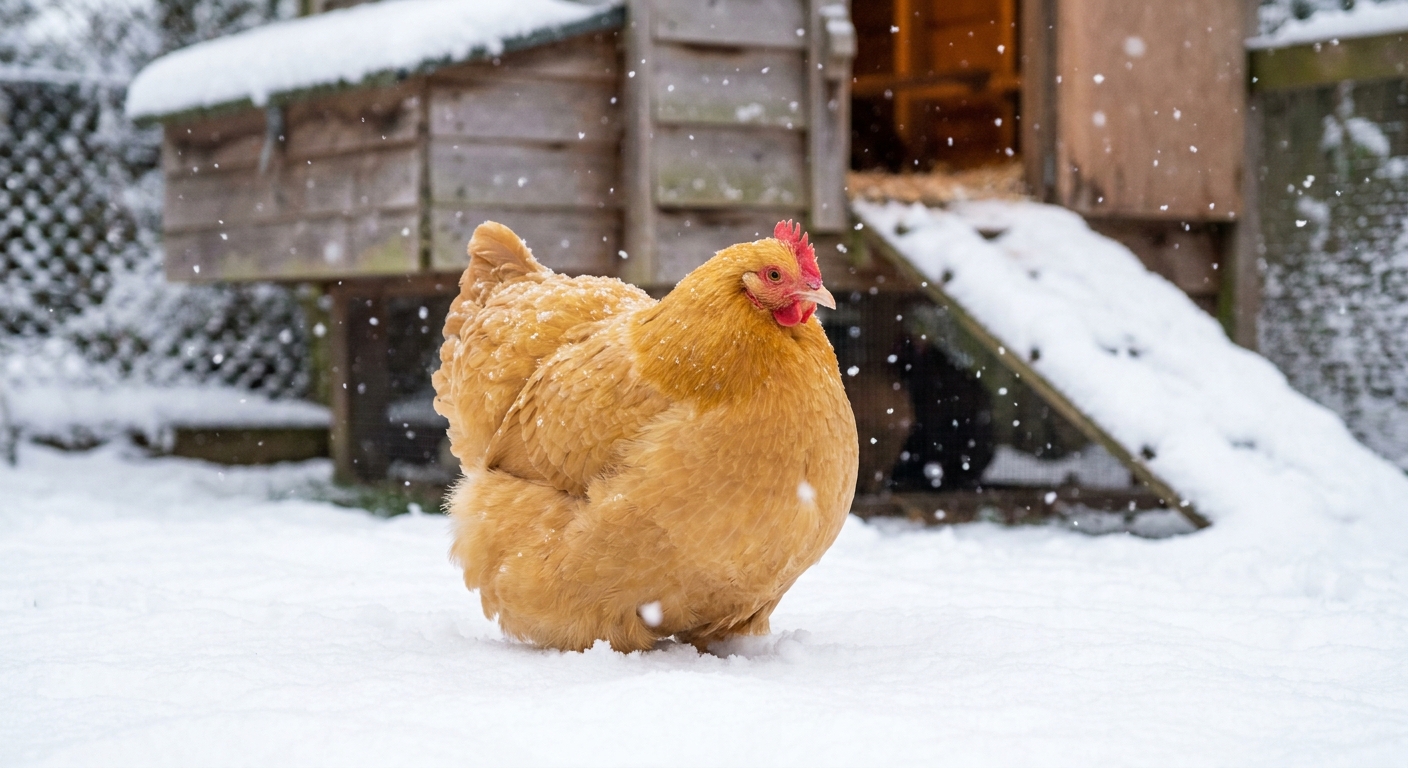
2) Buff Orpington
Orpingtons are my “big marshmallow birds.” They are heavy-bodied, fluffy, and usually sweet with people. They are also the type that will happily stand in the doorway like a bouncer while everyone else tries to come and go.
- Why they are great in winter: lots of body mass and feathering for warmth
- Eggs: reliable brown eggs, often decent through winter with solid nutrition
- Temperament: friendly and mellow, great for families
Winter tip: Their fluff can hide problems. Do quick hands-on checks during cold snaps to make sure weight is steady and vents stay clean and dry.
3) Australorp
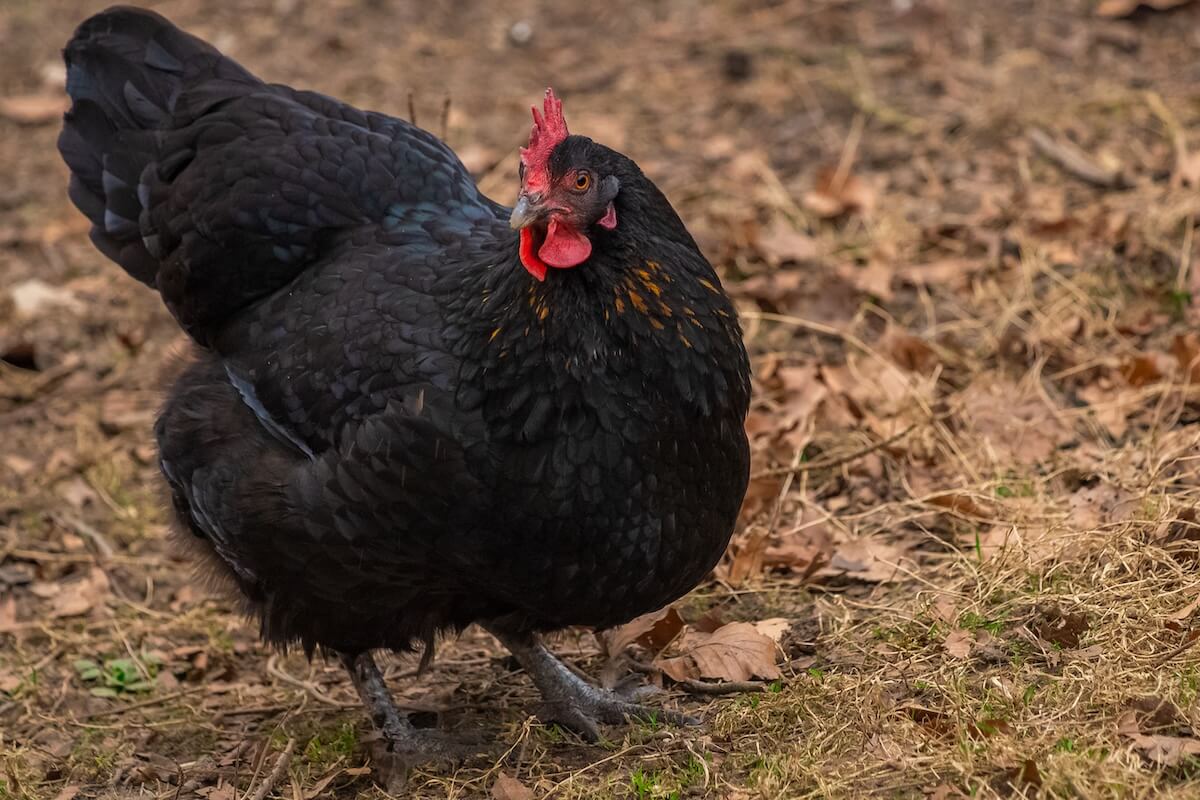
If your goal is “cold-hardy and still productive,” Australorps deserve a serious look. They are not as fancy as some breeds, but they are steady performers.
- Why they are great in winter: hardy, robust, good foragers when snow melts back
- Eggs: excellent layer of brown eggs, often a strong winter producer in a mixed flock (strain, age, and daylight still matter)
- Temperament: calm, easy to manage
4) Brahma
Brahmas are basically winter royalty. They are large, heavily feathered, and built for cold. If you have room, they are a joy to watch lumber around like feathered snowplows.
- Why they are great in winter: heavy body, thick feathering, generally cold-tolerant
- Eggs: decent layer of brown eggs, some lines lay well in winter
- Temperament: usually gentle and calm
One caution: those feathered feet can collect snow and ice balls. Keep the run as dry as possible, and lay down straw or wood chips where traffic gets slushy.
5) Faverolles
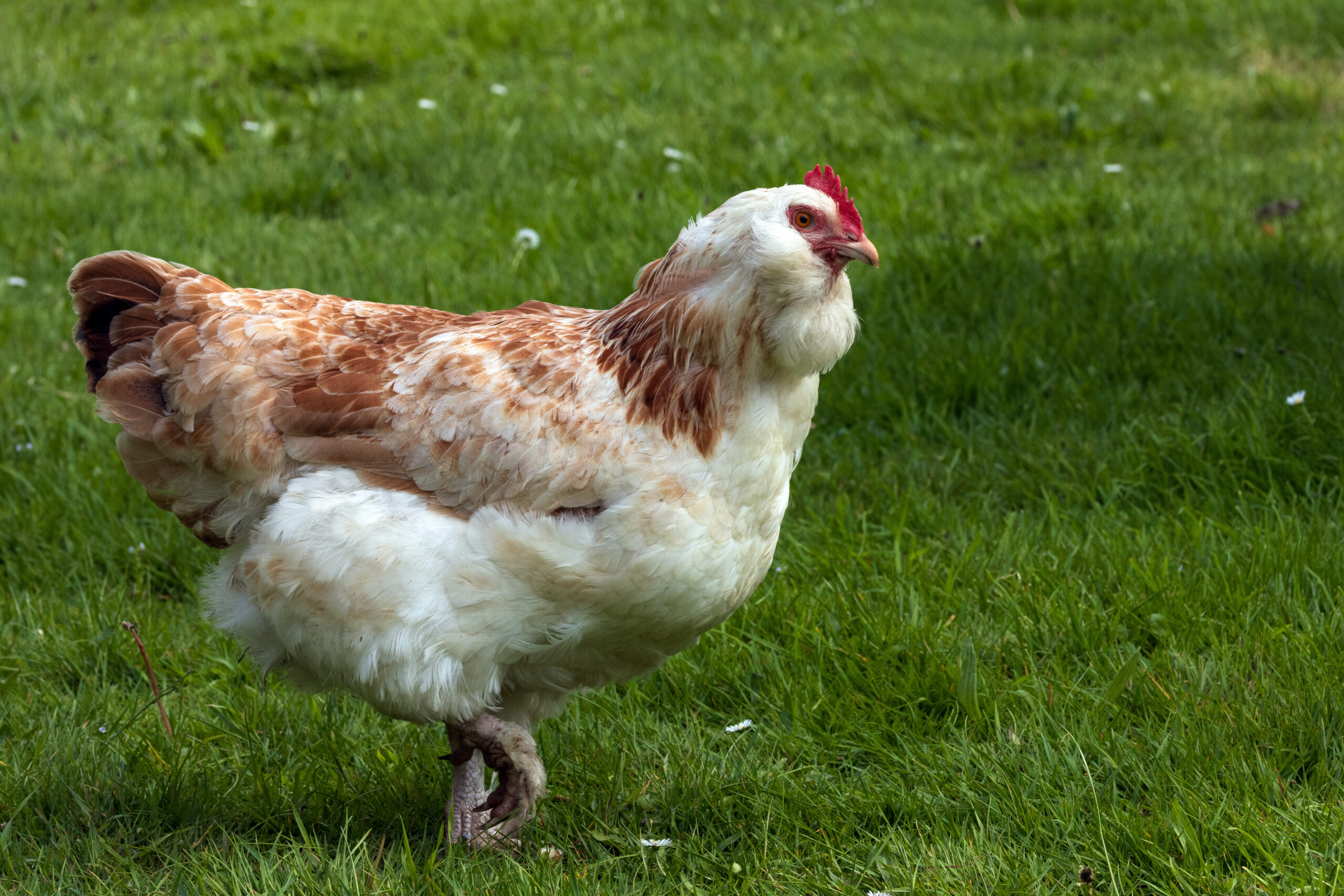
Faverolles look like they put on fuzzy slippers and a beard before stepping outside. Between the extra feathering and generally sweet personality, they can be a wonderful winter breed.
- Why they are great in winter: fluffy bodies, good cold tolerance
- Eggs: respectable production of tinted to light brown eggs
- Temperament: friendly, often lower in the pecking order
6) Buckeye
Not enough backyard folks talk about Buckeyes, but they are genuinely tough birds. They were developed with cold winters in mind and tend to be practical, hardy flock members.
- Why they are great in winter: cold-adapted, sturdy build
- Eggs: good brown egg production
- Temperament: active, capable foragers when conditions allow
7) Chantecler
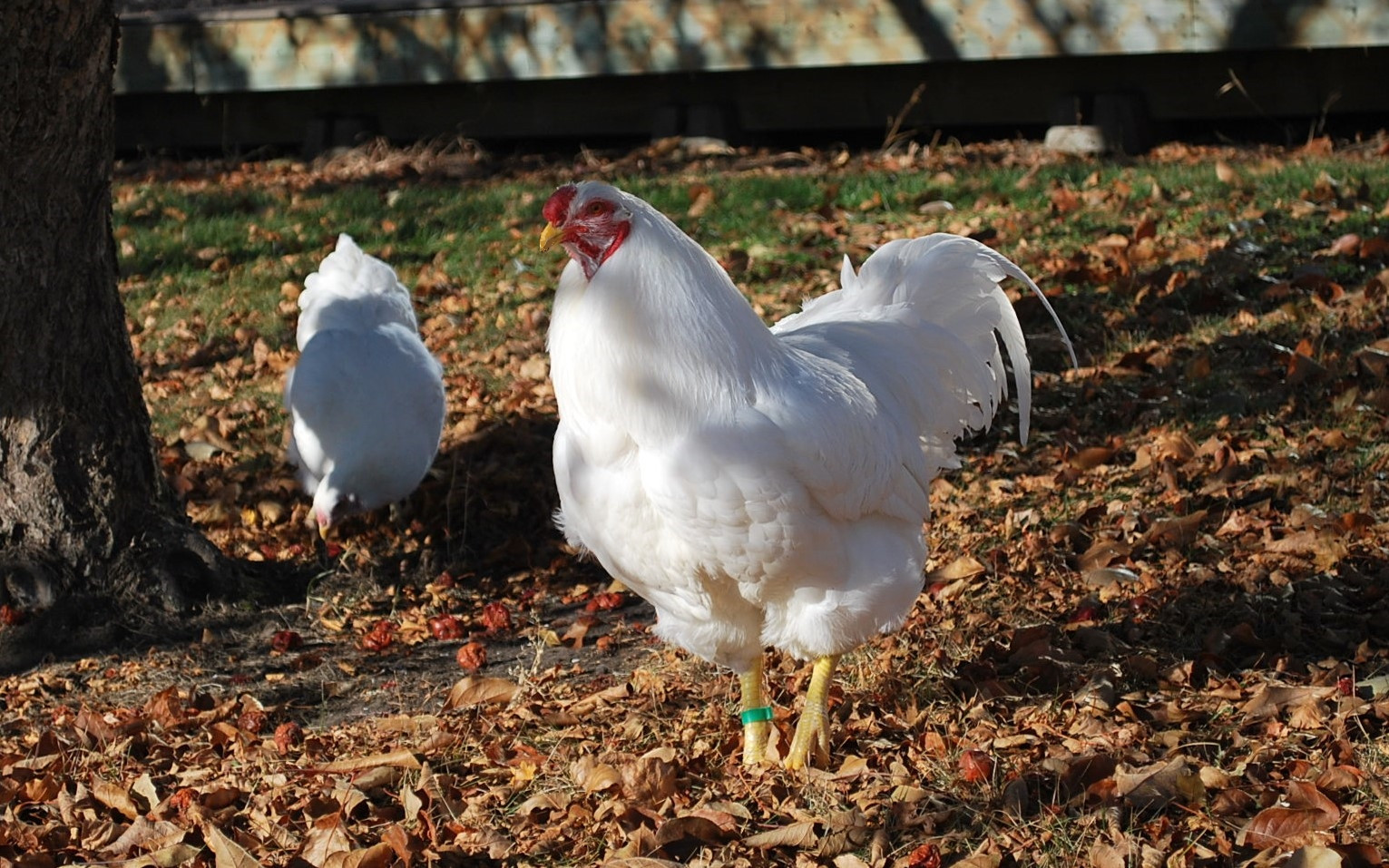
If you want a breed that was literally created to handle brutal winters, meet the Chantecler. Developed in Quebec, they are known for having small combs and strong cold tolerance.
- Why they are great in winter: excellent frostbite resistance, solid winter hardiness
- Eggs: good layer of brown eggs
- Temperament: generally calm and steady
8) Ameraucana (and Easter Egger types)
I keep Ameraucanas, and I love them in winter for one main reason: pea combs. Pea combs sit close to the head and are much less prone to frostbite than tall single combs.
- Why they are great in winter: pea comb, generally hardy
- Eggs: blue eggs (Ameraucana) and various colors (Easter Eggers), production varies by bird
- Temperament: can be a bit independent, but many are personable
Note: Winter egg output varies a lot by line, age, and whether you add supplemental light. If winter eggs are your top priority, pair them with a steadier winter layer like an Australorp or Wyandotte.
Breeds to think twice about
You can keep many breeds in cold climates with the right setup, but some require more babysitting. In deep-freeze areas, these traits can add work:
- Large single combs (higher frostbite risk), common in many Mediterranean breeds and some high-production lines.
- Very light bodies that struggle to hold heat.
- Frizzled feathers that do not insulate as well.
If you love a single-combed breed, it is not an automatic “no.” It just means you need to be extra serious about dryness, wind protection, and frostbite prevention.
Winter care that matters
Even tough birds slow down when daylight drops and the coop routine changes. These steps help the best winter breeds actually perform like winter breeds.
Keep the coop dry, not sealed
- Ventilation up high removes moisture.
- No drafts at roost level. Block wind where birds sit and sleep, but do not eliminate airflow.
- Dry bedding matters more than people think. Wet litter steals body heat fast and drives up humidity.
Moisture and wind dramatically increase frostbite risk. Frostbite can still happen in bitter, dry cold, but a damp, drafty coop is where it becomes a regular headache.
Space and roost basics
Winter is when everybody spends more time inside, so crowding shows up fast as wet litter, ammonia smell, and cranky birds. Give them enough indoor room and a solid roost so they can settle without piling on top of each other. A comfortable, wide roost also helps them cover their toes when they sleep, which is a small detail that makes a big difference in cold snaps.
Feed for maintenance and warmth
- Use a quality layer feed as the base.
- Offer scratch grains in late afternoon as a treat. It can help slightly with overnight warmth, but keep it modest so it does not replace the balanced ration.
- Make sure they have free-choice grit and oyster shell.
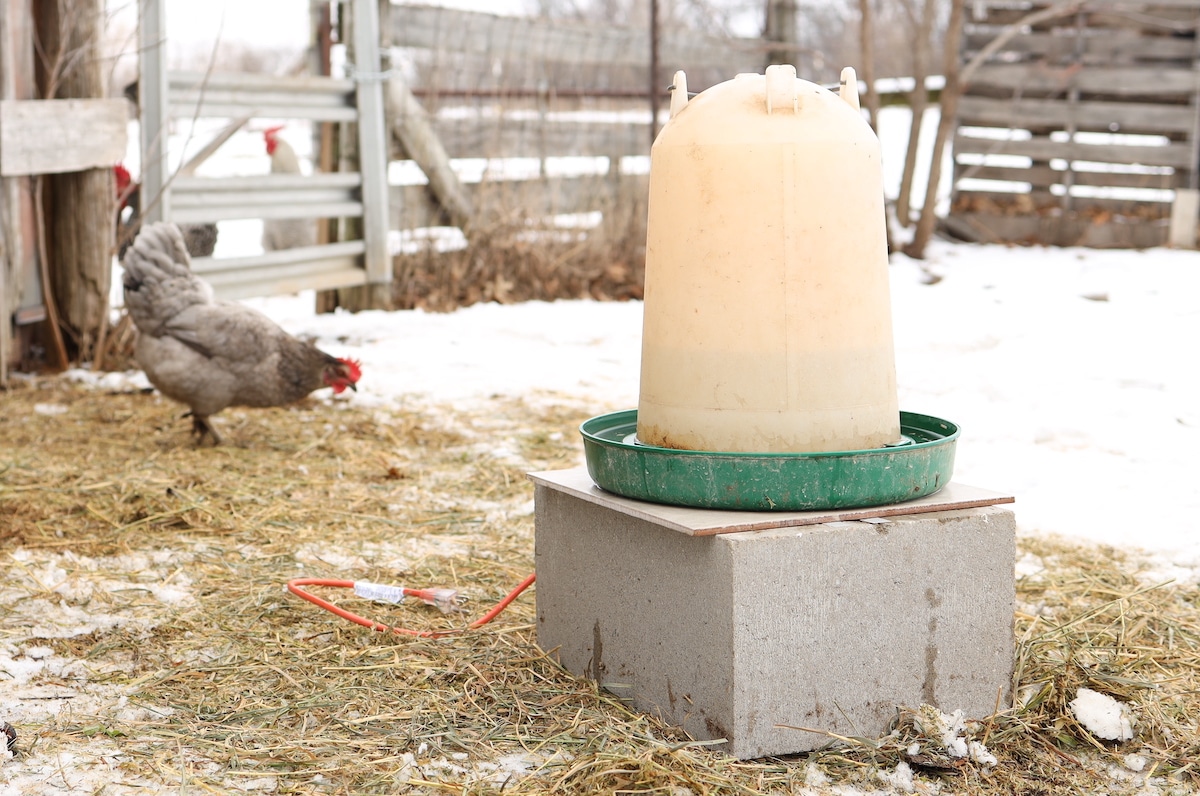
Keep water from freezing
In my experience, water is the winter deal-breaker. If they cannot drink easily, everything suffers. A heated base (used safely) or frequent refreshes is worth the effort.
Frostbite prevention
If you want one simple goal for winter, make it this: protect combs, wattles, and toes by managing moisture and wind. Skip the miracle cures and focus on the boring stuff that works.
- Check comb tips and toes during cold snaps. Early signs can look like pale or gray patches, swelling, or a stiff, tender comb.
- Keep the coop dry and deal with wet spots right away.
- Block wind at bird level in the coop and run.
- Avoid forcing wet birds outside. If they get soaked, warm them up and dry them out.
Quick pick list
- Most frostbite-resistant comb types: Wyandotte, Chantecler, Ameraucana
- Best “big fluffy insulation” birds: Orpington, Brahma, Faverolles
- Best bet for winter eggs: Australorp, Wyandotte, Chantecler (most consistent by strain, age, and lighting)
- Gentle family-friendly winter flock: Orpington, Brahma, Faverolles
FAQ
What is the most cold-hardy chicken breed?
If I had to pick one type for extreme cold, I look first at small-combed, heavy-bodied breeds. Chanteclers and Wyandottes are standouts for frostbite resistance, while Brahmas and Orpingtons excel at staying comfortable in deep cold.
Do cold-hardy chickens need a heater?
In most backyard setups, healthy cold-hardy breeds do not need a coop heater if the coop is dry, ventilated, and draft-managed. Heaters can introduce fire risk and can make power outages more dangerous if birds are not acclimated to the cold.
How cold is too cold for chickens?
Many hardy breeds handle well below freezing, but the bigger issue is wind, moisture, and lack of calories. A dry coop, wind protection, and consistent access to unfrozen water make a dramatic difference during subzero stretches.
What comb type is best for winter?
Pea combs and rose combs are excellent in freezing climates because they have less exposed surface area than tall single combs. Less exposure generally means less frostbite risk.
My neighborly bottom line
If winter is your main challenge, stack the deck in your favor: choose a breed with a small comb and a sturdy body, then give them a coop that stays dry with good airflow. Do that, and winter chicken keeping stops feeling like a survival contest and starts feeling, honestly, kind of magical. Quiet mornings, fresh snow, and a warm egg in your hand are a small joy that never gets old.