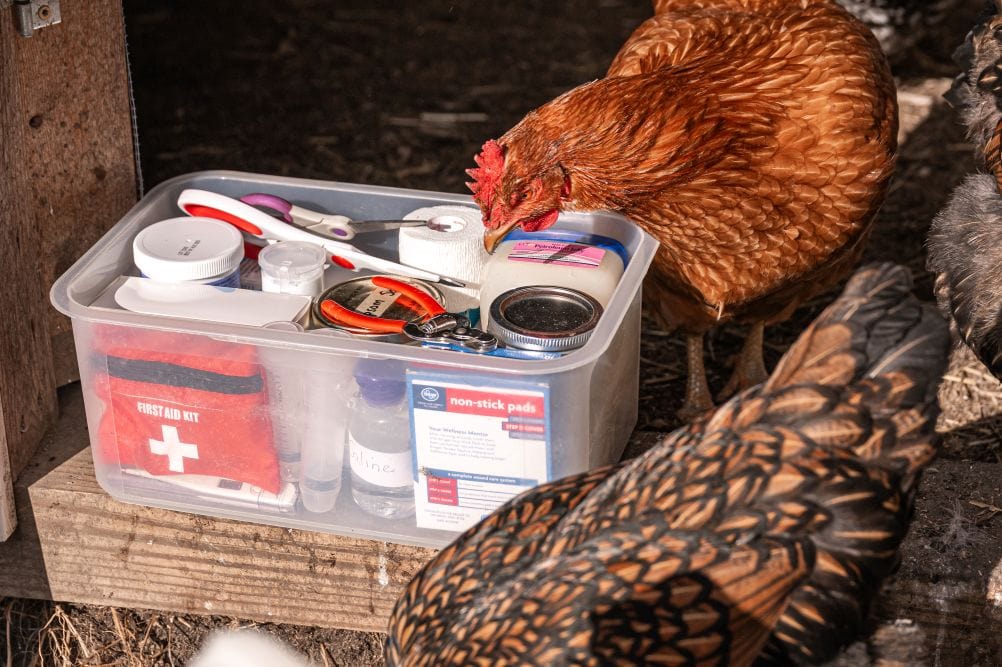
Build a chicken first aid kit you will actually use. Here are the must-have wound care items, tools, and medications for common backyard chicken issues.
The Cluck Loom
Stop Feather Pecking and Bullying in Your Chicken Flock
Feather pecking and bullying can turn a peaceful coop into chaos fast. Learn how to spot the cause, treat wounds safely, reduce triggers, and use tools like pinless peepers to restore harmony.

Maggie Harper
Maggie Harper is a passionate backyard chicken keeper with over a decade of hands-on experience raising mixed flocks. Through CluckLoom, she shares practical advice on coop building, flock health, and egg production to help beginners and seasoned enthusiasts alike raise happy, healthy chickens.
Published
October 22, 2026
Last updated
October 22, 2026
Feather pecking has a way of starting small. One missing tail feather. A little head-bobbing chase at the feeder. Then suddenly you are looking at a hen with a raw patch and a flock that seems to have learned a terrible new hobby.
I have been there. In my early days with three Rhode Island Reds and a coop that was basically a glorified garden shed, I thought pecking was just chickens being chickens. It is, until it is not. The good news is you can almost always turn it around if you treat the wounds promptly and remove the reason it started in the first place.
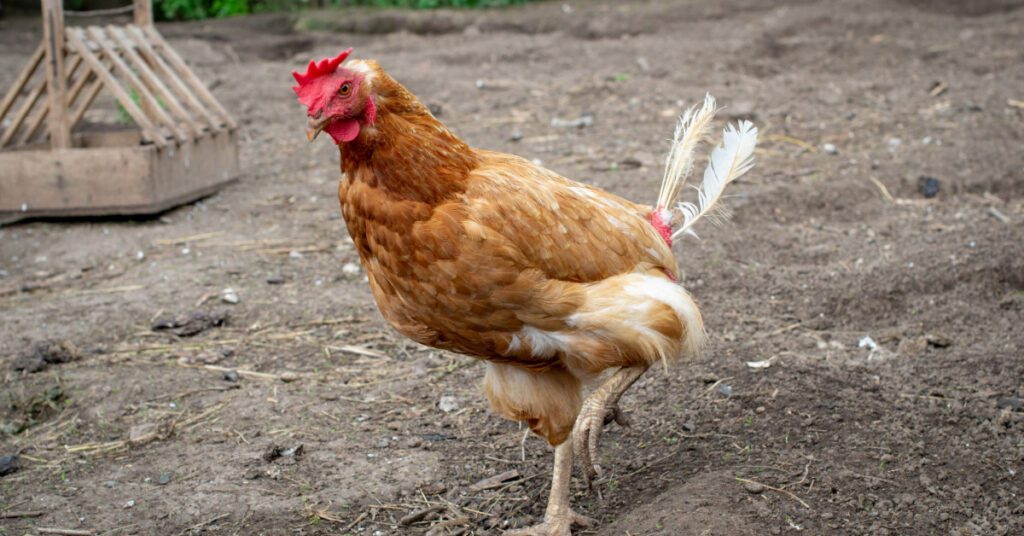
Feather pecking vs. normal pecking order
Chickens communicate with pecks. A quick peck-and-step-away moment is normal. What we are dealing with here is persistent aggression or feather-focused picking that escalates over time.
Signs it is more than routine squabbling
- Targeted body areas like the tail base, back, vent area, shoulders, or the top of the head.
- Repeated chasing where one bird cannot eat, drink, or roost without being harassed.
- Blood or visible skin. Once blood appears, pecking often escalates quickly.
- Hiding behind nest boxes or in corners, or refusing to come down from the roost.
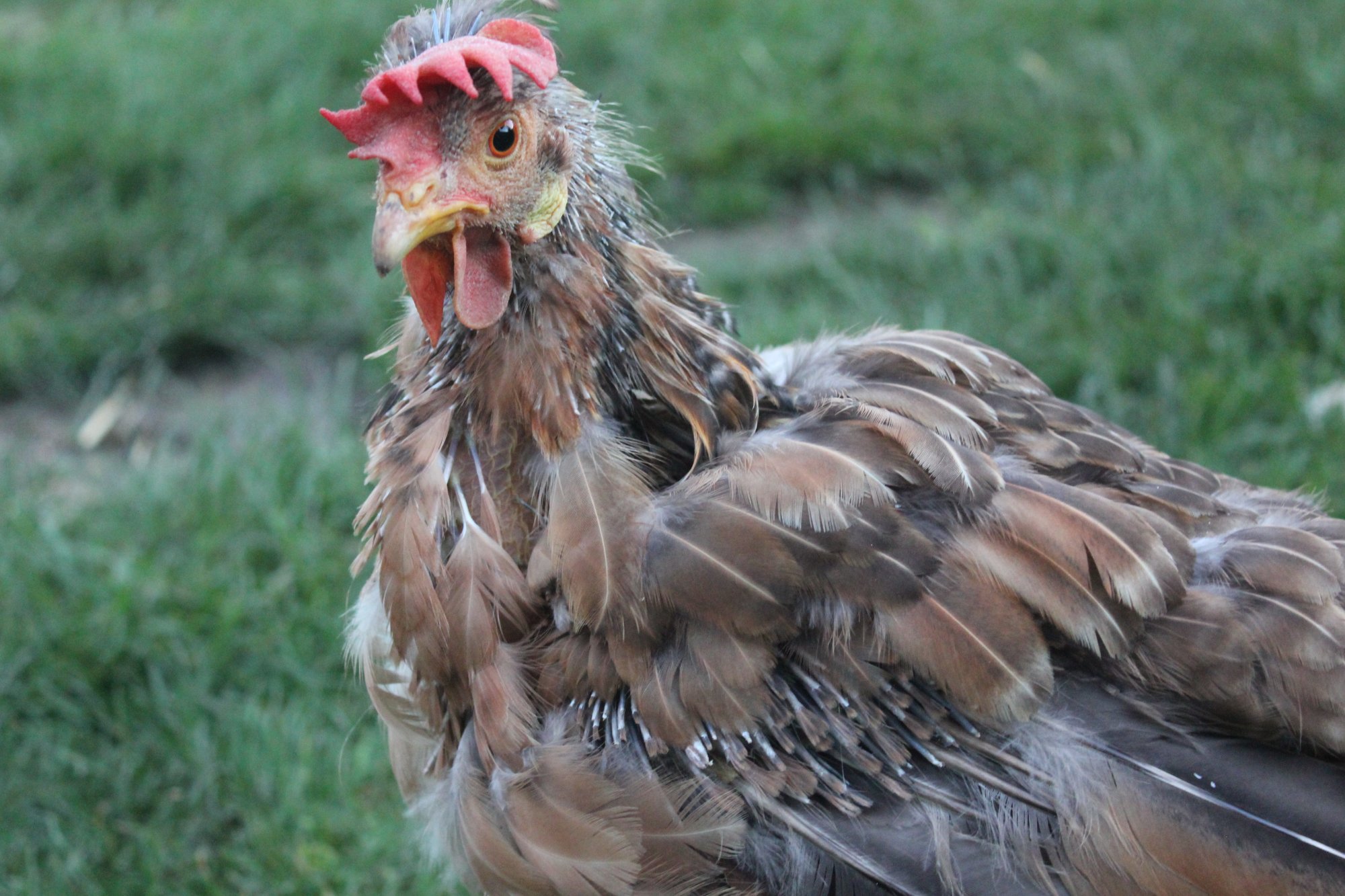
- Feathers everywhere even when the flock is not molting.
Quick checks before you assume bullying
- Molt: during molt, you will often see loose feathers and patchy areas, but you should not see torn skin, scabs from pecks, or one bird being singled out.
- Rooster wear: bare backs and sides can be over-mating rather than bullying. You may see abrasion where spurs and feet land.
- Predator panic: a scare can cause chaos, feather loss, and minor scuffles. True feather pecking keeps happening after the moment passes.
What to do right now if you see blood
If you see active bleeding or fresh red skin, go straight to the wound-care steps below and separate the bird if needed. This is one of those today, not tomorrow problems.
Find the root cause: common triggers
Feather pecking is usually a symptom, and it is often multifactorial. When you find the main trigger, your fixes get a lot more effective.
1) Overcrowding and boredom
This is the big one in backyard setups, especially in winter when birds spend more time inside. When chickens are tight on space with nothing to do, they start focusing on each other.
- Space check: many keepers aim for about 4 sq ft per standard hen inside the coop and 8 to 10 sq ft per bird in the run, but needs vary by breed, weather, and how often they are confined. When in doubt, more space and more ways to get away from each other helps.
- Add chicken jobs: hang a cabbage, toss scratch into deep litter, scatter a flake of hay, or add a pile of leaves for supervised foraging.
2) Not enough feeder or water access
Resource guarding turns into bullying fast. One dominant hen can block a feeder and trigger a daily brawl.
- Use multiple feeding stations spaced far apart. As a practical rule, I like at least two stations for small flocks, and more if you see crowding at one spot.
- Add an extra waterer, especially in summer.
- Make sure timid birds can eat without running a gauntlet.
3) Nutrition gaps
Feather pecking is not always a nutrition problem, but diet can contribute. Low protein, low salt, and amino acid imbalances (especially methionine) are all discussed in poultry welfare guidance as potential risk factors, particularly when birds are stressed or confined.
- Feed a quality complete layer feed for laying hens. Avoid making scratch the main course.
- During a molt or recovery, consider a slightly higher-protein ration temporarily, or add healthy protein treats in moderation.
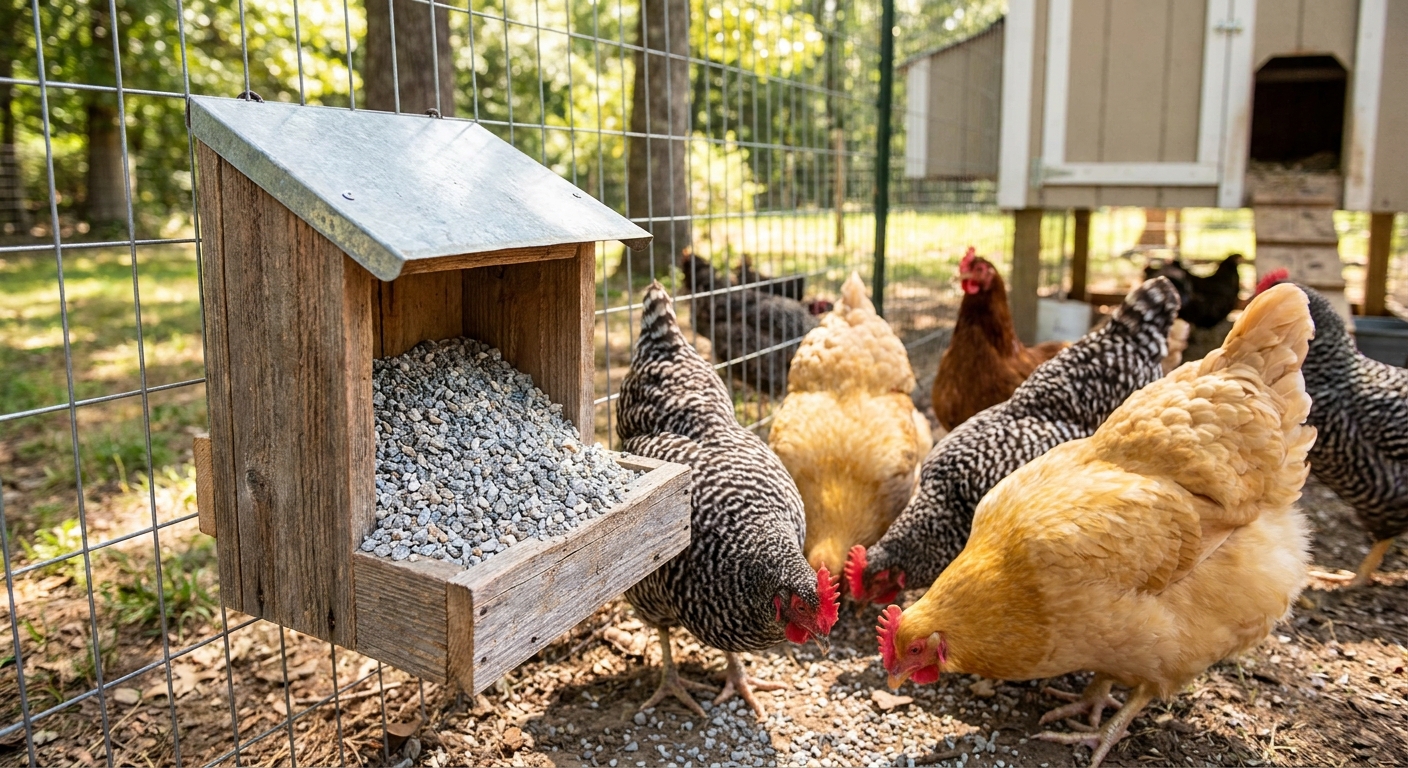
- Offer oyster shell in a separate dish for layers and insoluble grit if they do not have access to dirt and stones.
4) Bright light, especially in the coop
Too much light can keep birds keyed up and makes minor injuries more noticeable.
- Keep coop lighting soft and low if you use it at all.
- Block harsh beams that shine directly on roost bars or nest boxes.
- Avoid leaving a bright light on overnight.
5) Parasites and skin irritation
Mites and lice make chickens itch, preen, and fuss. That extra attention to feathers can turn into pecking from flockmates.
- Check around the vent, under wings, and at the base of feathers for tiny crawling bugs or clumped nits.
- Provide a dry dust bath area year-round.
- Treat the whole flock and clean the coop if parasites are confirmed.
6) Stress and flock shake-ups
Integrations, moving coops, predators lurking nearby, a broody hen coming back to the group, or even one bird returning from chicken hospital can restart the pecking order.
- Integrate slowly using a see-but-don’t-touch setup.
- Reduce stressors: add hiding spots in the run, keep routines consistent, and secure the coop against night disturbances.
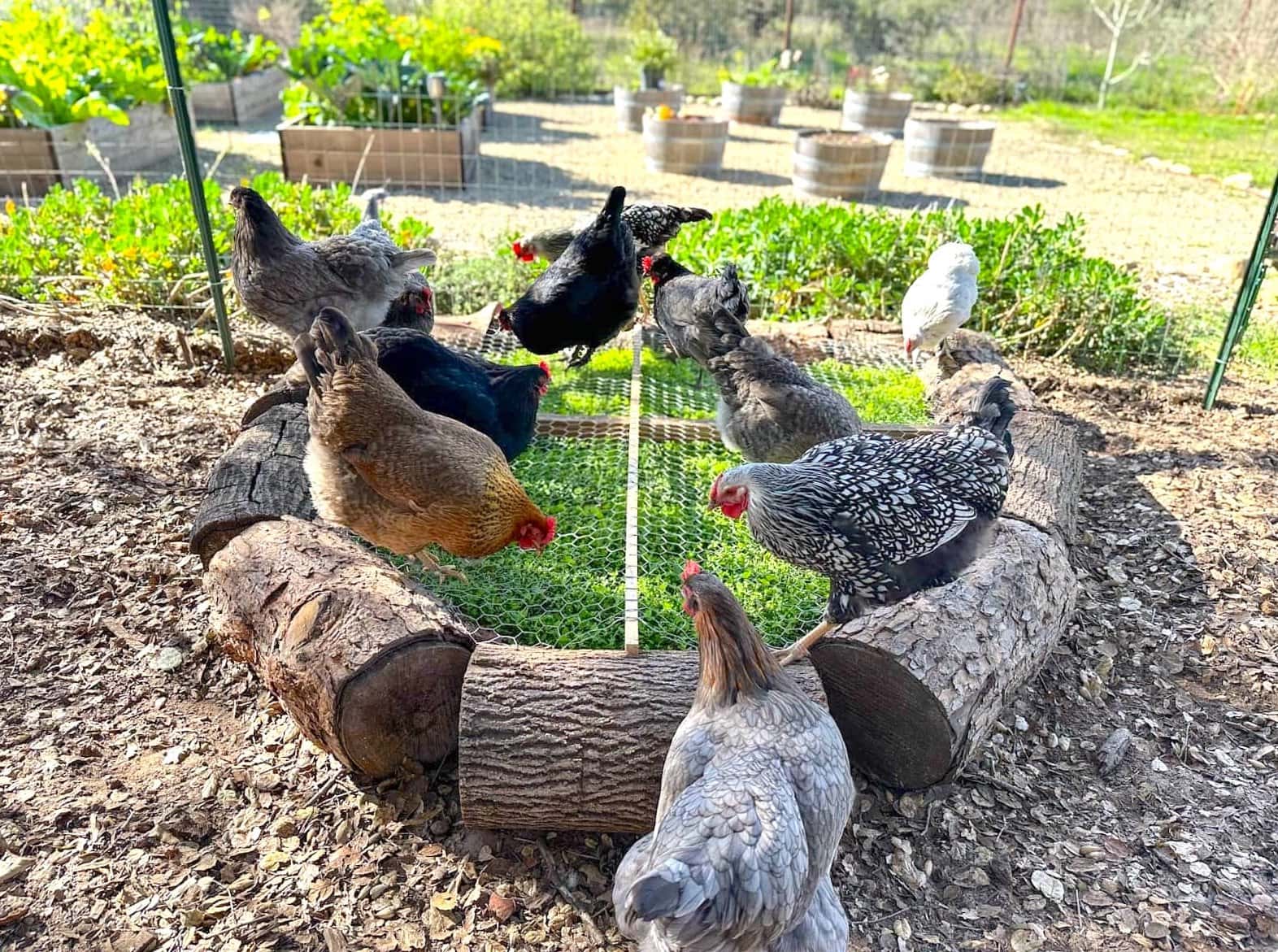
Treat peck wounds safely
When feathers are missing, the priority is preventing infection and preventing the flock from fixating on that spot again.
Step-by-step wound care
- Separate the injured bird if there is bleeding, raw skin, or repeated targeting. A dog crate inside the run works well so she can still see the flock.
- Clean gently with saline or warm water. For stuck debris, soak and dab, do not scrub.
- Disinfect carefully with a poultry-safe antiseptic, and follow the label directions. Avoid harsh products that can damage tissue, especially on open wounds.
- Dry the area before applying any topical product.
- Mask the redness with an anti-peck spray or a purple livestock wound product that is labeled appropriately for your situation. Read ingredients and do not use products that warn against use on open tissue.
- Observe daily for swelling, heat, discharge, bad smell, or a bird acting fluffed up and unwell.
Vent area warning
If the injury is near the vent, be extra cautious. Vent pecking can escalate dangerously fast. Also check for what started the attention in the first place, including diarrhea, a dirty vent, parasites, or a prolapse. If you see tissue protruding or active vent bleeding, treat it as urgent.
Biosecurity basics while you nurse a bird
- Keep the hospital setup dry, well-ventilated, and at a steady temperature.
- Wash hands and change or disinfect tools between pens.
- Do not bring soiled bedding back into the main coop.
When to call a vet
- Deep punctures, a wound near the vent, or tissue that looks torn.
- Persistent bleeding you cannot stop.
- Signs of infection or shock: lethargy, pale comb, not eating, labored breathing.
- Any suspected prolapse or internal tissue exposure.
In catastrophic injuries where tissue is badly damaged and a bird is suffering, an avian vet can talk you through emergency care and, when needed, humane euthanasia. It is a brutal topic, but it is sometimes the kindest option.
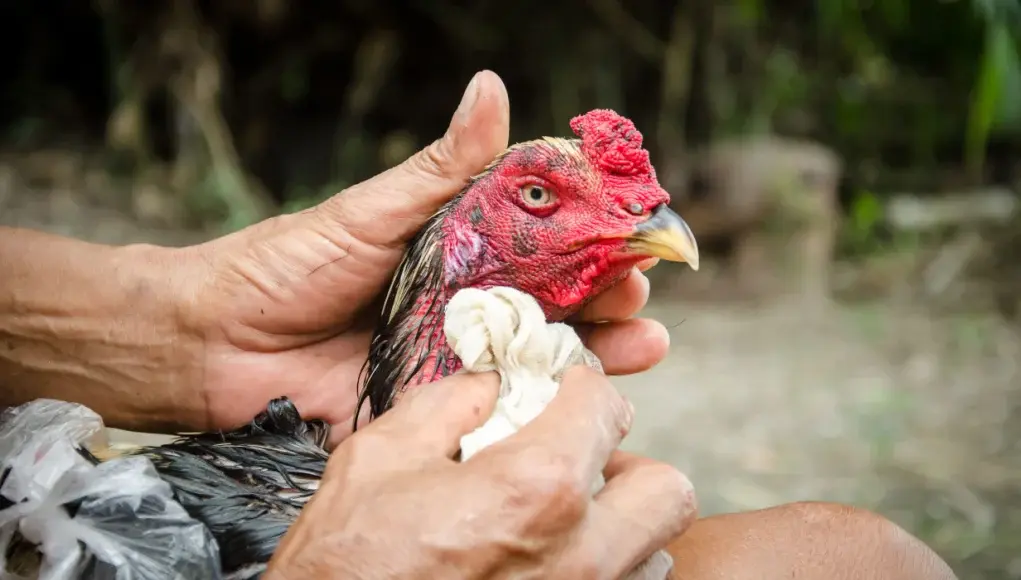
Break the behavior loop
Even after the original trigger is fixed, the flock can get stuck in the habit of picking. What helped me most was treating this like habit change: remove the opportunity, lower the stress, and keep beaks busy. You can often see improvement within a few days, but stubborn cases take longer.
Separate the bully or the victim
If you can identify the main aggressor, remove her for 2 to 7 days. When she comes back, the flock often rebalances without her running the show. If multiple birds are piling on, separating the injured bird is usually safer until feathers start to regrow.
Rearrange the coop or run
Small changes can disrupt patterns:
- Move feeders and waterers.
- Add a second roost bar at a different height.
- Place a visual barrier, like a plywood panel or shrub branch bundle, to create escape routes.
Increase foraging time
I am a big believer in controlled chaos: scatter feeding in litter, giving safe greens, or letting them scratch through a compostable pile (no moldy food) keeps beaks busy and tempers lower.
Check your rooster situation
A good rooster can keep peace, but too many roosters or an overly aggressive one can stress hens and stir up conflict. If your hens are being over-mated, you may see bare backs that invite more pecking.
Pinless peepers
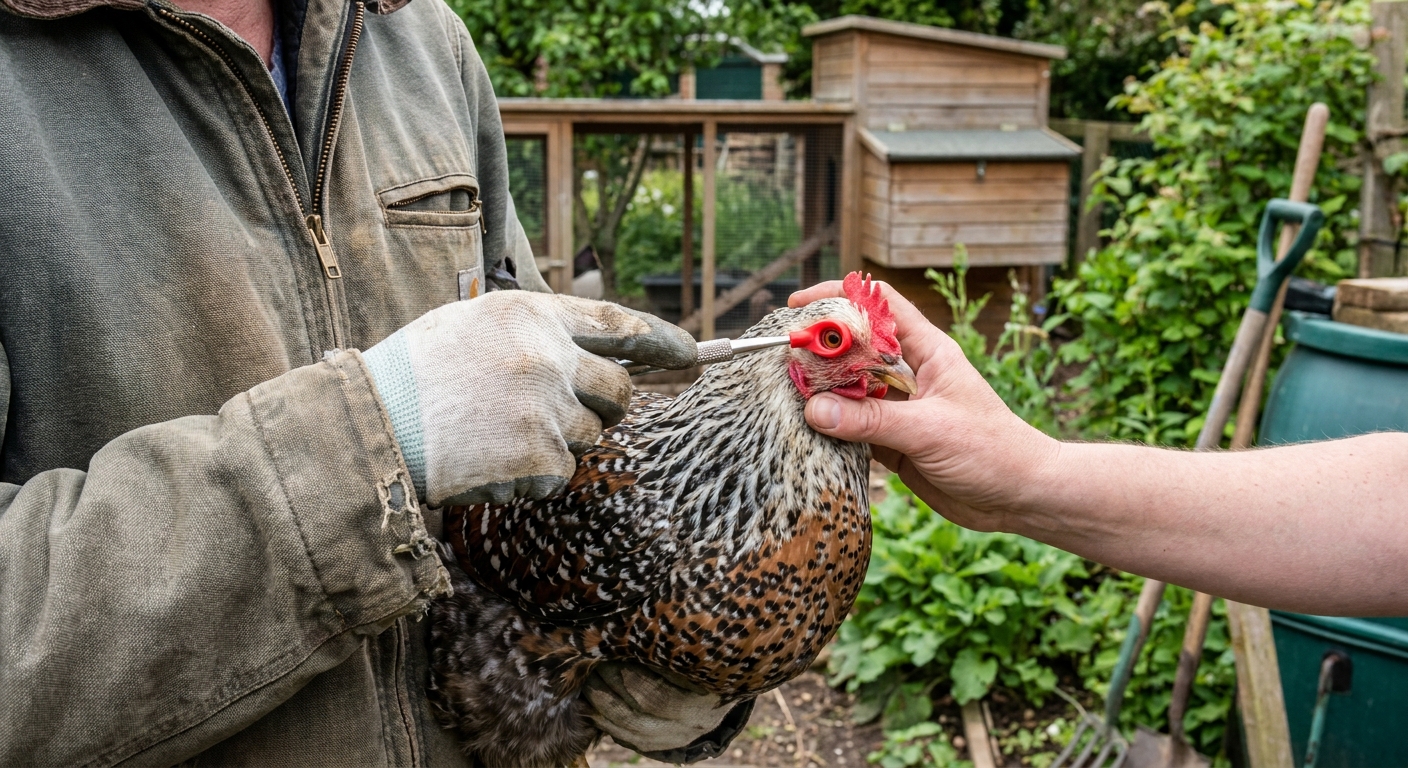
Pinless peepers can be a very effective short-term tool for chronic feather peckers. They limit forward vision just enough that a bird cannot accurately target and grab feathers, but she should still be able to eat, drink, and move around normally.
When I consider pinless peepers
- You have already addressed space, feed access, and obvious stressors.
- One or two birds are persistent bullies.
- There is repeated injury or escalating bloodshed.
- You are stuck in a cycle where the flock behaves for a few days, then starts again.
How to fit pinless peepers
- Choose the right size for standard vs. bantam birds.
- Install at dusk when birds are calmer, or in a quiet area away from the flock.
- Use the proper applicator designed for pinless peepers. It makes placement faster and reduces stress.
- Double-check comfort. The peeper should sit correctly in the nostril openings without twisting.
- Supervise closely for 15 to 30 minutes to confirm the bird can find water and eat normally. If she cannot, remove it immediately and reassess.
How long should they stay on?
Many keepers use them for 2 to 6 weeks, then reassess. I prefer the shortest time that breaks the habit. Once feathers start regrowing and the flock stops fixating, you can trial removal and watch closely for 48 hours.
Safety and legal notes
- Improper fit can injure the nostrils. Check the area regularly for irritation.
- Do not use peepers on birds with nasal deformities or respiratory illness.
- Some jurisdictions and welfare standards restrict or discourage their use. Know your local rules and choose the least-invasive option that keeps birds safe.
Other tools that can help
Chicken saddles for bare backs
If a hen is bald from over-mating or pecking, a saddle can protect skin while feathers regrow. Saddles do not fix flock behavior, but they can prevent a small problem from becoming a bloody one.
Crates and isolation pens
A dog crate or small pen inside the run is my favorite chicken time-out setup. The separated bird stays part of the flock socially, which makes reintroduction smoother.
Beak trimming
For backyard flocks, this is typically not where I go first. It is permanent and can be painful if done improperly. In severe, repeated cases, consult an avian vet or experienced professional rather than attempting anything DIY.
Reintroducing an injured bird
Reintroduction is where a lot of people lose ground. Chickens notice change, including missing feathers, odd smells from sprays, and time spent away.
A calm reintroduction plan
- Heal first: wait until there is no open skin and the area is not bright red.
- See-but-separate for 2 to 3 days: crate inside the run or a divided run works beautifully.
- Return at night: place her on the roost after dark so everyone wakes up together.
- Distract at morning feed: scatter feed or offer greens so birds are busy when she steps down.
- Watch the hot spots: the first 30 minutes in the morning and the last hour before roosting are when drama loves to happen.
If they target her again
That is your sign the flock is still keyed up or the trigger is still present. Go back to root causes, and consider peepers for the persistent aggressor.
Prevent feather pecking long-term
- Build boredom breakers into your routine: deep litter, perches, dust bathing, safe hanging treats, and occasional supervised free-ranging.
- Feed like it matters: complete ration first, treats second.
- Provide multiple stations for feed and water.
- Keep lighting gentle, especially in the coop.
- Do quick weekly health checks: parasites, injuries, weight, and behavior changes.
- Plan integrations slowly and avoid sudden flock upheaval when possible.
FAQ
Why do chickens suddenly start pecking one hen?
It is often a change the flock notices: a bird returning from isolation, a new bird added, a hen starting a molt, a minor injury that turns red, or a stressor like overcrowding or heat. Chickens can also target a bird that seems weak or different.
Will feathers grow back after pecking?
Usually, yes. If the feather follicles are not badly damaged, regrowth happens over weeks. During molt, regrowth can be slower or look patchy at first. Protect bare skin while you wait.
Is it ever just normal and I should ignore it?
A quick peck to enforce space is normal. Repeated feather pulling, chasing, blocked access to food and water, and any blood should be treated as a problem to solve, not background chicken drama.
Do pinless peepers hurt?
When properly fitted, most birds adjust quickly and behave normally. The key is correct sizing, careful application, and monitoring for irritation. If a bird cannot eat or drink easily, remove and reassess.