A sudden egg slump usually has a simple cause. Check these common culprits, including light, molt, stress, diet, health, broodiness, and missing eggs, with p...
The Cluck Loom
How to Break a Broody Hen Safely
Got a hen glued to the nest box? Learn how to spot broodiness, use a broody breaker cage, and cool her down safely so she returns to laying.

Maggie Harper
Maggie Harper is a passionate backyard chicken keeper with over a decade of hands-on experience raising mixed flocks. Through CluckLoom, she shares practical advice on coop building, flock health, and egg production to help beginners and seasoned enthusiasts alike raise happy, healthy chickens.
Published
October 22, 2026
Last updated
October 22, 2026
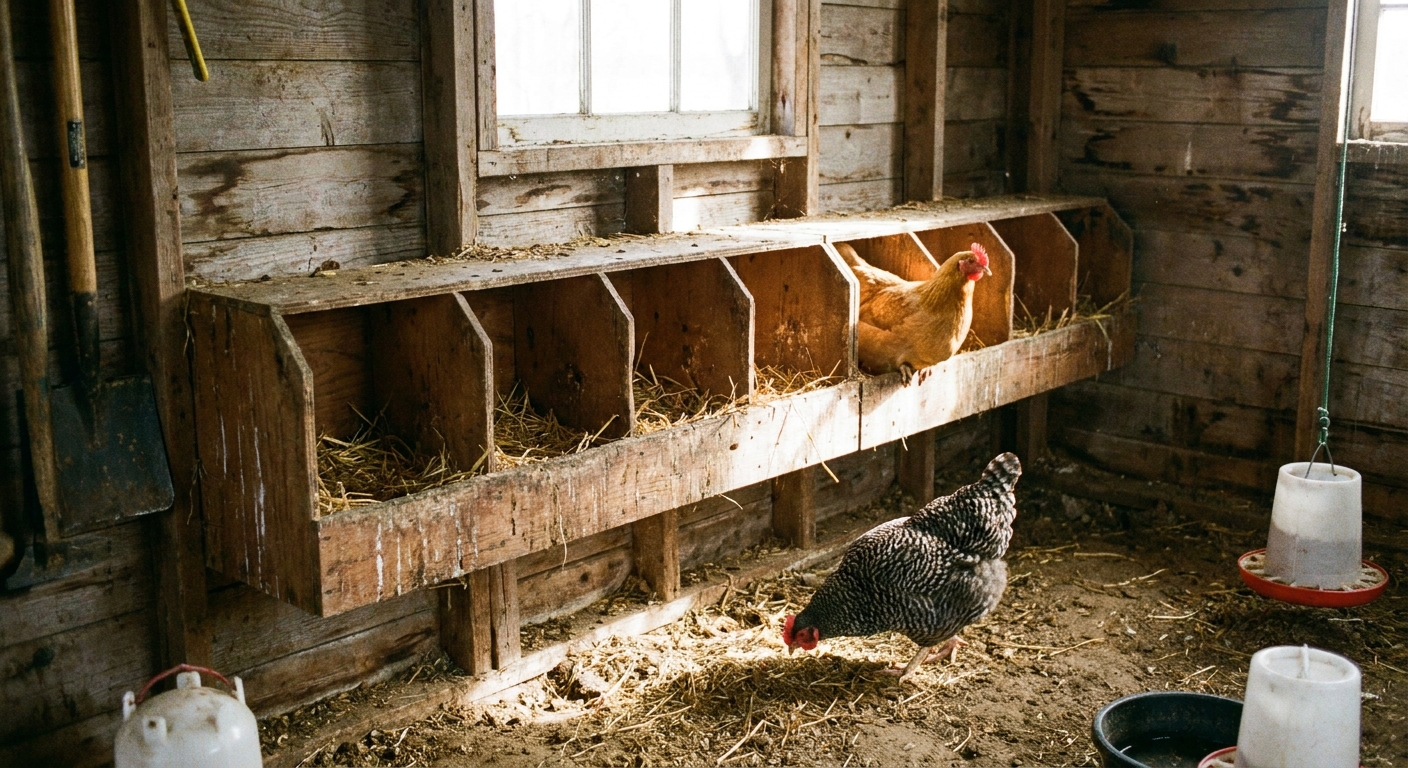
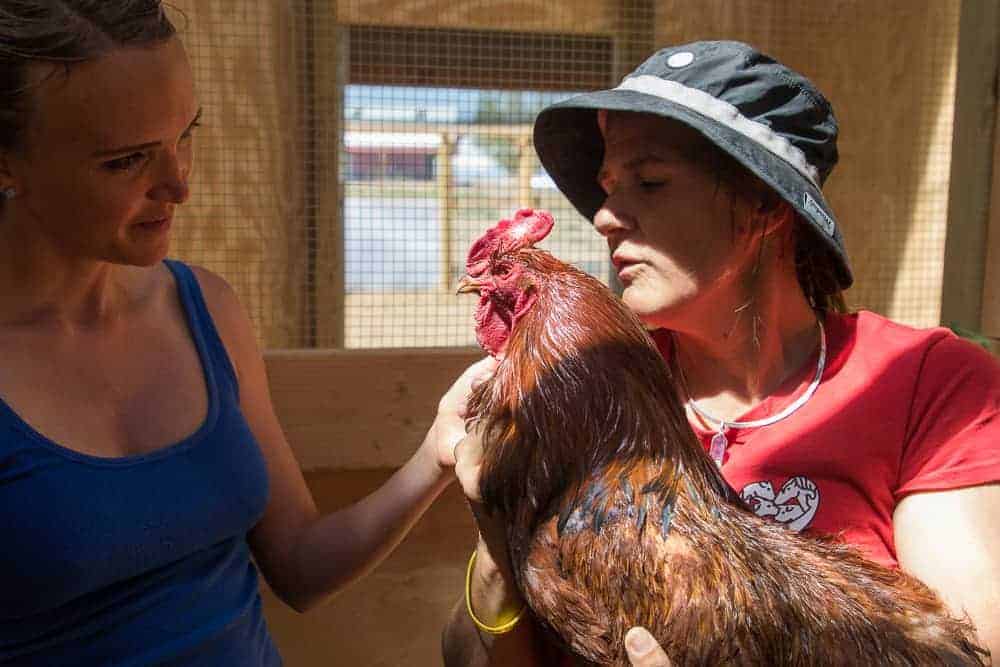
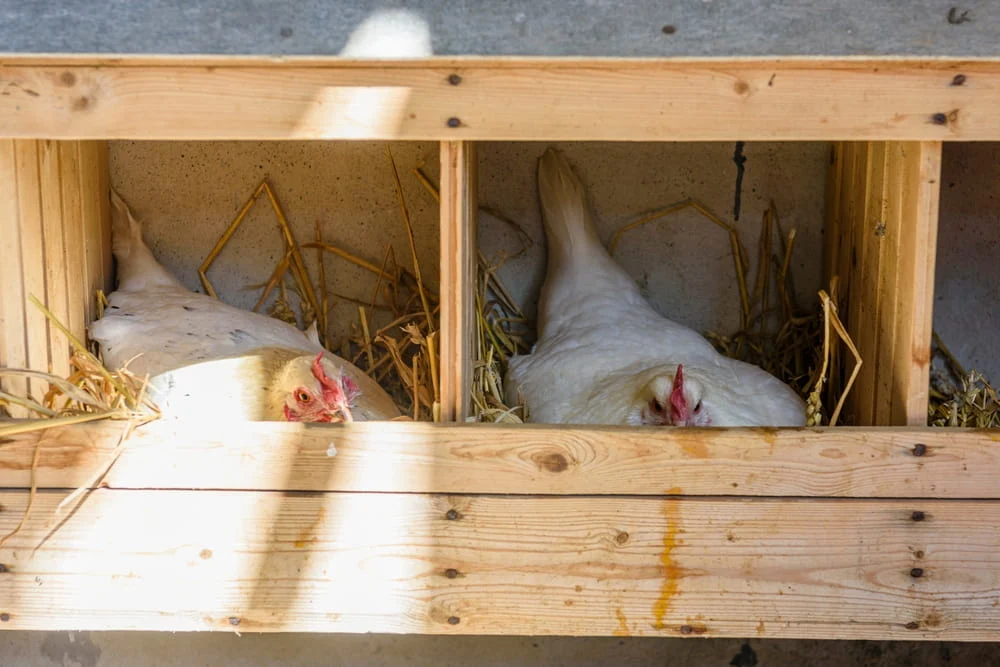
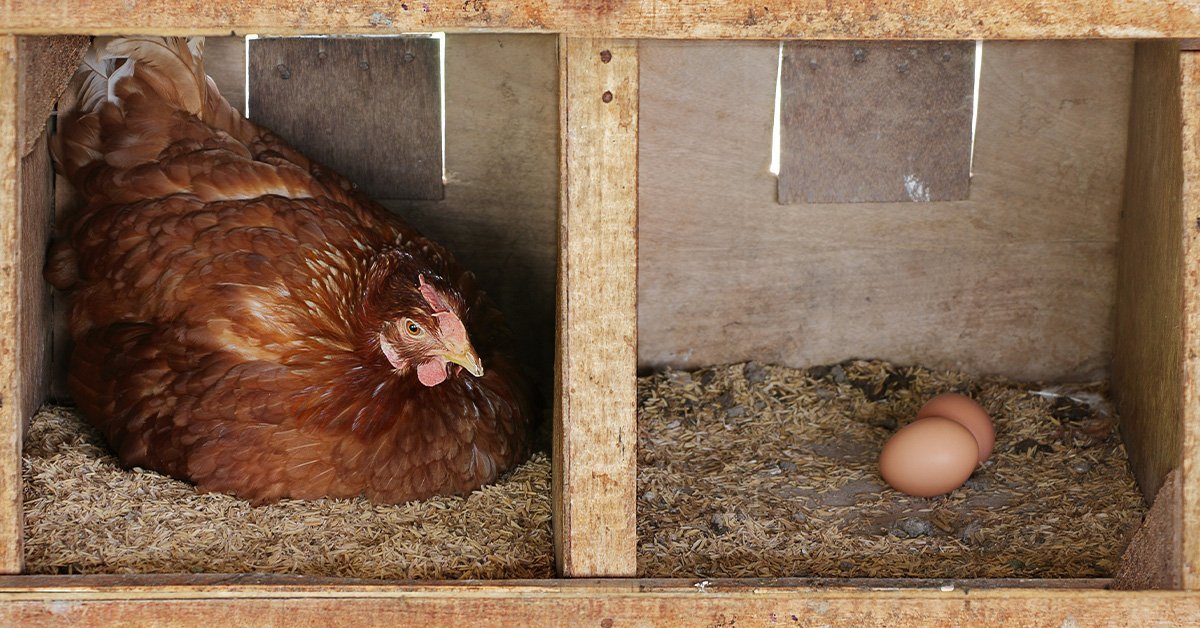
If you have ever reached into a nesting box and been met with a dinosaur growl and a peck aimed straight at your knuckles, congratulations: you have a broody hen. Broodiness is normal, and some breeds are practically built for it, but it can slam the brakes on egg production and turn your sweetest hen into a puffy little bouncer who refuses to leave the nest.
The good news is you can usually break a broody hen safely and kindly. The goal is simple: interrupt the “I am incubating eggs” mindset by cooling her body and removing the cozy, dark nest conditions that keep her locked in.
First, make sure she is actually broody
Hens can linger in nest boxes for a few reasons. Before you start any broody-breaking routine, look for these classic signs.
Broody behavior checklist
- She stays on the nest all day, not just long enough to lay.
- She puffs up and growls or makes a low, angry cluck when you approach.
- She pecks or “bucks” at your hand when you reach under her.
- She does the broody poop, one giant, dramatic dropping when she finally gets up.
- She plucks breast feathers (a bare patch helps warm eggs).
- She returns to the nest immediately after being removed, especially at night.
If she is only hanging out in the box mid-morning and leaves after an hour or two, you might be seeing a hen seeking a quieter, darker spot to rest (or to get out of summer heat), bullying over nest boxes, or a hen who simply likes the real estate. A truly broody hen is committed.
Is it safe to break broodiness?
For a backyard flock, yes, it is generally safe to break a broody hen as long as she is eating, drinking, and you use humane methods. What you want to avoid are old-school “shock” tactics like dunking her in ice water. That is stressful and unnecessary.
When to pause and check health first
Do a quick wellness check before you assume broodiness is the only issue:
- She seems weak, pale, or wobbly
- Labored breathing, coughing, or nasal discharge
- Foul smell from the vent or discharge
- Hard, swollen belly or straining
If you see those, treat it like a health problem, not a behavior problem.
What breaks broodiness
Broodiness is fueled by hormones and reinforced by a warm, dark, nest-like environment under her body. Most broody-breaking methods work by doing two things:
- Cooling her underside (lowering the “incubation” signal)
- Removing access to the nesting box (breaking the habit loop)
Some hens snap out of it in a couple of days. Others, especially heavy setters like Orpingtons and Cochins, can take closer to a week or more. Consistency matters more than force.
Method 1: Broody breaker cage
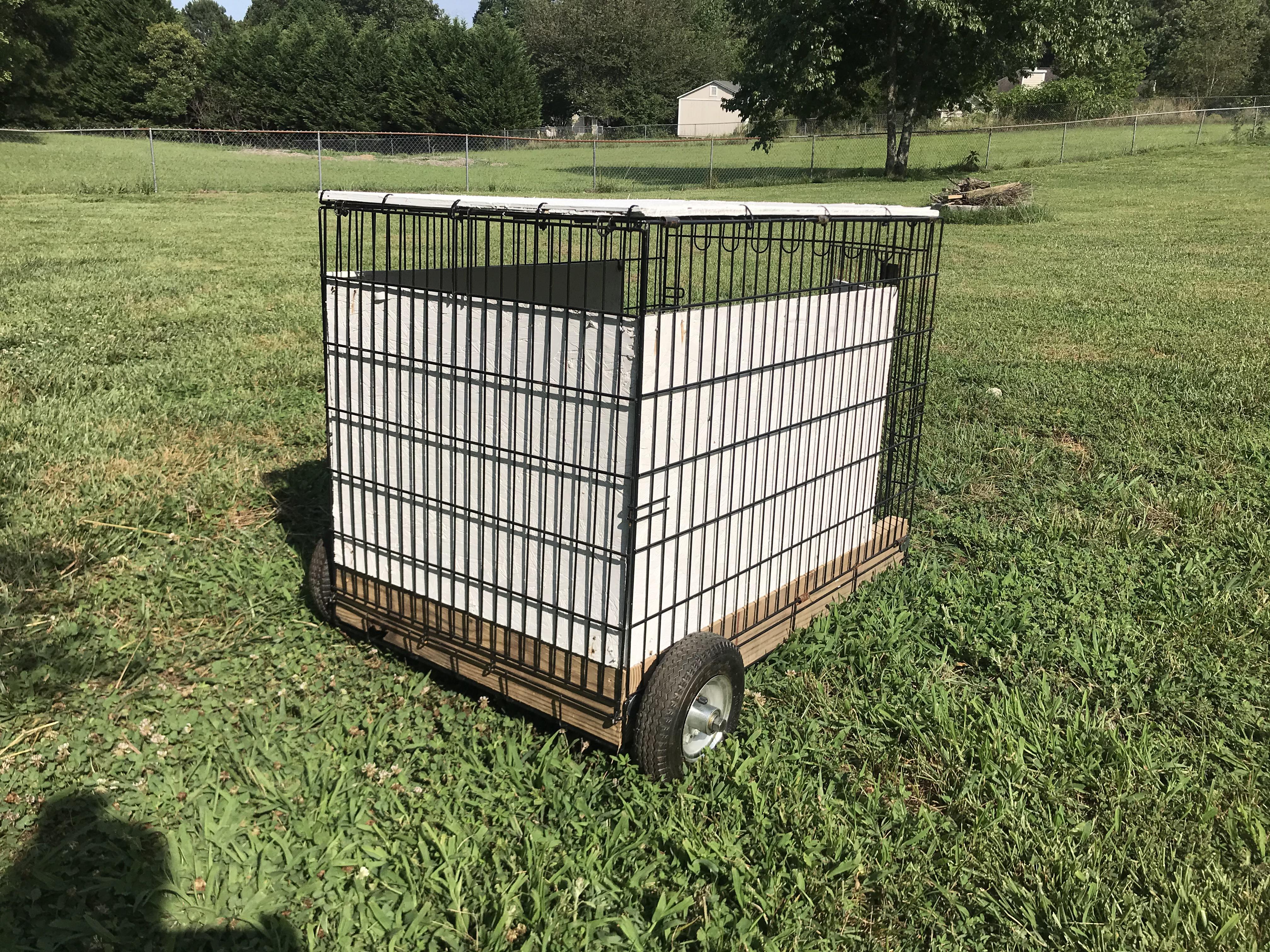
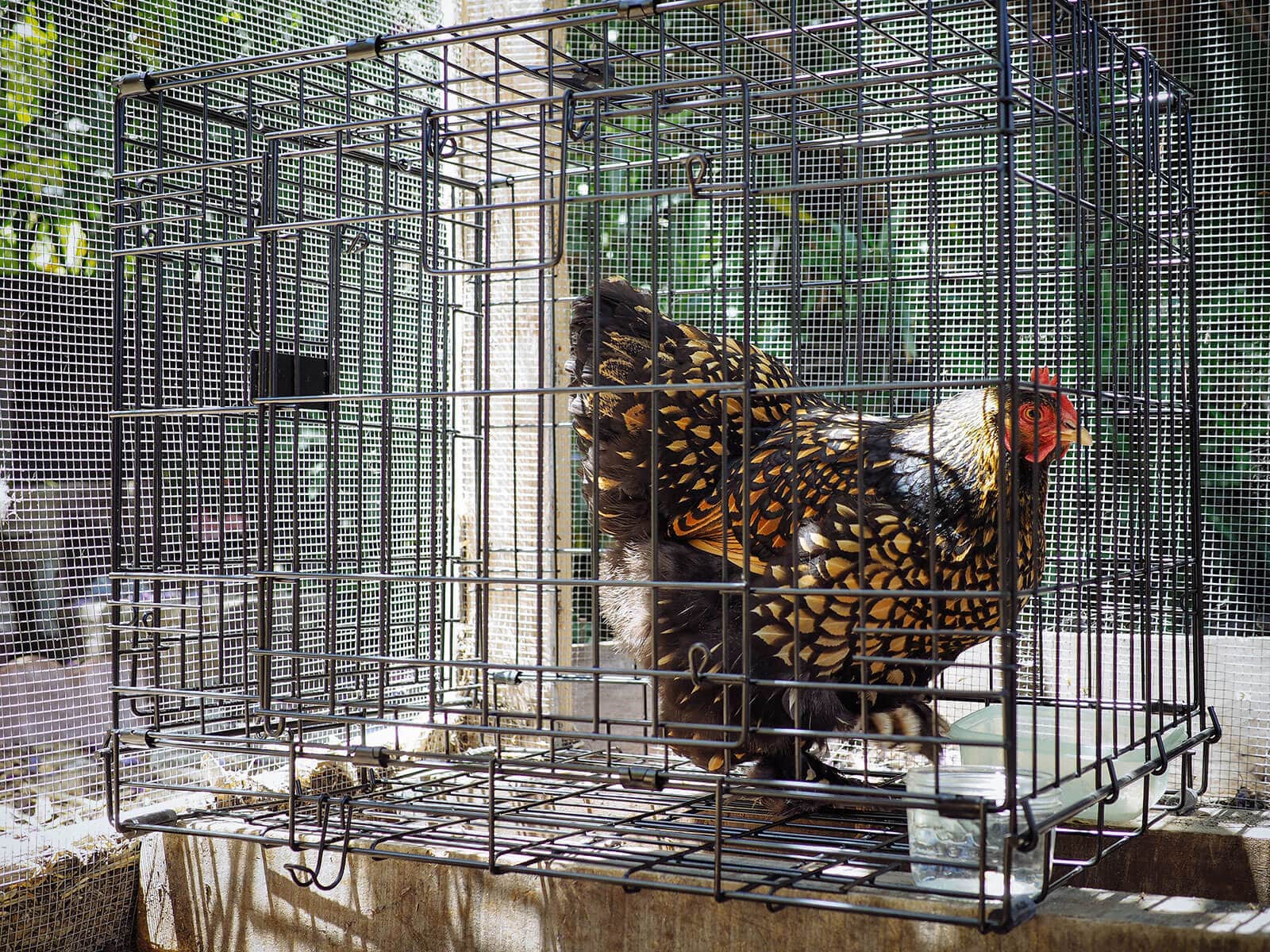
If you only try one method, make it the broody breaker cage. It is the most predictable, and when set up correctly it is very humane. The concept is simple: a well-ventilated wire-bottom area that prevents her from settling into a warm, cozy “nest” position.
What you need
- A wire dog crate or a wire-bottom cage with good airflow
- Food and water dishes that cannot tip easily
- A spot that is dry, shaded, and predator-safe (garage, covered run, secure shed)
- Optional: a droppings tray or cardboard under the crate for easy cleanup
Skip bedding. No straw, no shavings, no nest pad. You can add a flat roost bar or a piece of 2x2 for comfort, but keep it from becoming “nest-like.”
Step-by-step
- Wait until after dark (she will be calmer), then lift her off the nest.
- Place her in the broody breaker cage with food and water.
- Keep her there for several days. Many hens break within 2 to 4 days, but stubborn girls sometimes need a week or longer.
- Check her twice daily to ensure she is eating and drinking and that temperatures are safe.
- Do the “test release”: let her out near the flock and watch. If she beelines for the nest box and plants herself, back into the cage she goes for another 24 hours.
Where to put the cage
My favorite location is inside the run under cover, where she can see and hear the flock. That keeps stress down and helps her reintegrate faster. If your run is not predator-proof, indoors is fine as long as it is well ventilated and not hot and stuffy.
Temperature and weather notes
- In summer, prioritize shade and airflow. If you are uncomfortable standing in that spot, your hen will be, too.
- In winter, keep the crate out of wind and damp. Cool airflow under her is the point, but a drafty, wet setup is not.
How you know it worked
- Her comb often looks less dry and more colorful
- She stops making the broody growl
- She shows normal chicken curiosity: scratching, pacing, watching the others
- She stops doing the tight, “pancaked” nest posture. (A quick squat when you touch her back can also be normal mating or submission behavior, so look at the whole picture.)
Method 2: Block nest boxes
If you catch broodiness on day one or two, sometimes you can break it by making the nesting boxes unavailable.
Step-by-step
- Collect eggs early and often. A full clutch encourages broodiness.
- Block off the nesting boxes for 2 to 3 days.
- Plan for normal laying: leave one acceptable box open for the rest of the flock, or unblock the boxes briefly in the morning so your layers can lay, then re-block them once eggs are collected.
- Provide an alternative “busy zone”: hang a cabbage, toss scratch into deep litter, add a dust bath tub.
- At night, place her on the roost with the flock instead of letting her sleep in the box. If she keeps sneaking back into the nest after lights-out, this is a sign you may need the cage method.
This method is low-effort, but it is not always enough once her hormones are fully switched on.
Method 3: Cooling and airflow
You will hear “cool her down” a lot, because broodiness thrives on a warm belly. The broody breaker cage accomplishes this naturally through airflow. If you need a gentle boost, focus on cooler surfaces and ventilation, not extreme cold.
Safe cooling options
- Wire-bottom time during the day, even if she sleeps in the coop at night. Just make sure she cannot sneak back into a nest box once the flock is put to bed, or you can undo your daytime progress.
- Elevated pen with a breeze under it, kept out of direct sun.
- Cool, shaded concrete floor under a crate for short periods, as long as it is not damp and she has traction.
Avoid: ice baths, cold water dunking, leaving her in direct sun, or isolating her where predators or stress will pile on.
Method 4: Keep her busy
Some hens break faster when you combine the cage method with extra distraction once they are released. Think of it as breaking the routine and giving her something else to do besides sprint back to the nest.
- Free range time or supervised yard time
- Scatter feeding to encourage foraging
- Fresh greens hung at head height
- New dust bath (dry soil, sand, and a little wood ash if you use it)
This will not overpower strong broodiness by itself, but it absolutely helps the transition back to normal flock life.
When she lays again
Once you break broodiness, many hens return to laying in about 1 to 3 weeks. That said, it can be faster or it can stretch longer, especially if she sat hard for weeks or you are dealing with winter light levels.
A few factors affect timing:
- How long she was broody (a day versus three weeks makes a difference)
- Time of year (short winter days slow everyone down)
- Breed and age (heavier, broody-prone breeds may take longer)
- Body condition (broodies sometimes lose weight and need time to rebuild)
If she was broody for a while, she may also do a mini molt after, which can delay laying further. Keep nutrition steady and stress low.
Care while she is broody
A broody hen’s biggest risks are dehydration, weight loss, and mites. Even if you plan to break her quickly, it helps to support her body through the process.
My quick care routine
- Offer fresh water daily close to the nest if she is still sitting.
- Check her body condition: feel the keel bone. If it is sharp, she needs intervention fast.
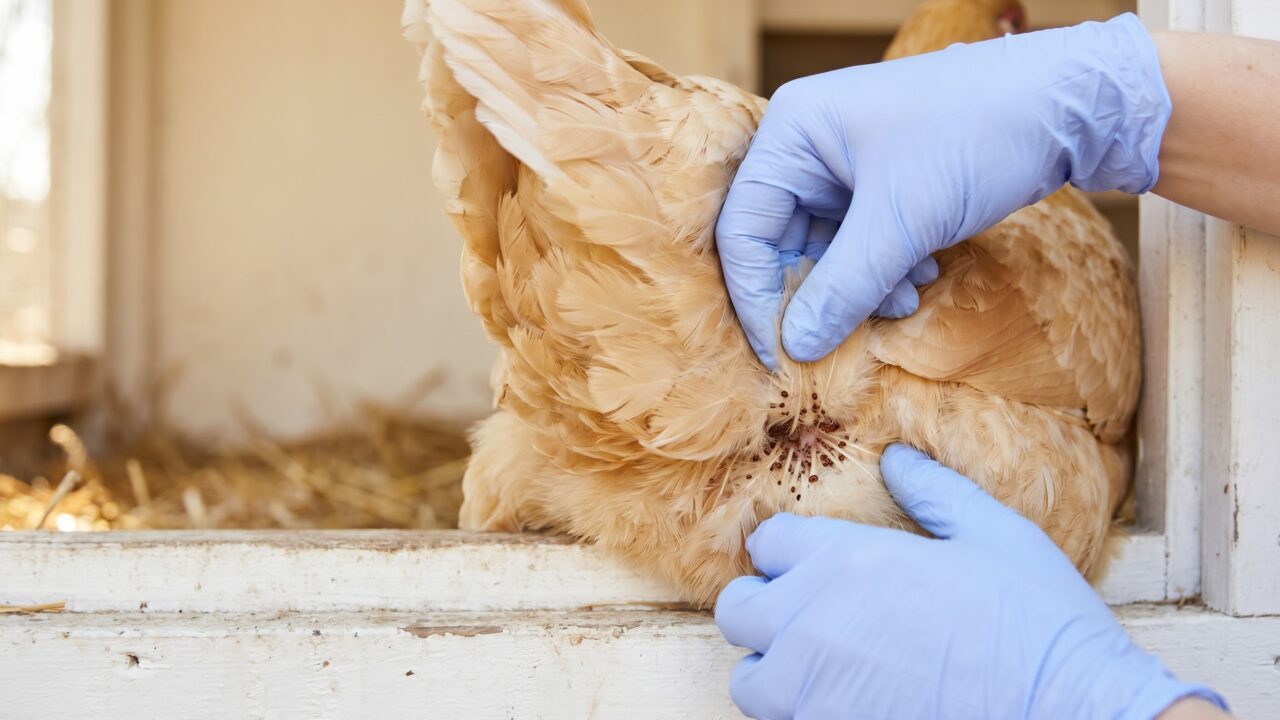
- Do a mite check around the vent and under wings. Broodies can be more vulnerable to parasites when they sit for long stretches.
- Feed a quality layer feed and consider a little extra protein if she has dropped weight.
- Keep the nest clean. If she is sitting in filth, that is a fast track to trouble.
Preventing it next time
You cannot always prevent broodiness, especially in natural setters, but you can reduce the triggers.
- Collect eggs daily, twice daily during peak laying.
- Keep nesting boxes bright (good ventilation and no overly dark corners).
- Limit “perfect nest” material overflowing into the box.
- Provide enough nesting boxes so hens are not queuing up and camping.
- Use ceramic eggs cautiously. They can encourage a hen who is already on the edge.
Common questions
Should I let her hatch eggs instead?
That can be a great choice if you are prepared for chicks, have a plan for roosters, and can manage biosecurity and space. If you do not want chicks, breaking broodiness is kinder than letting her sit for weeks on nothing.
Will breaking broodiness hurt my hen?
Not when done humanely. The broody breaker cage method focuses on airflow and removing nest access, not fear or extreme cold.
She breaks, then goes broody again. Why?
Usually she was released too early, or she still has easy access to a dark, cozy nesting box. Put her back in the broody breaker for another 24 to 48 hours and block the boxes if possible.
Can I break two broody hens at once?
Yes, as long as the cage is large enough for normal movement and both hens can eat and drink without bullying. Two broodies together can also reinforce the behavior, so if you have the space, separate cages tend to work faster.
My broody hen is sitting on eggs. Should I remove them?
If you are breaking her, remove eggs promptly. Mark any eggs you intend to incubate so you do not accidentally collect them, and do not let other hens keep adding fresh eggs to her clutch.
A quick pep talk
Broody hens feel dramatic because they are dramatic. One day they are politely laying in the morning, and the next they are fused to a nest box like it is their job. Stay calm, be consistent, and choose the method that matches your setup. In my flock, the wire crate broody breaker has saved my sanity more times than I can count, and my hens bounce back to their usual quirky selves pretty quickly.
If you are deciding between methods, start with the broody breaker cage if you can swing it. It is the most reliable, and it usually ends the standoff faster for both of you.