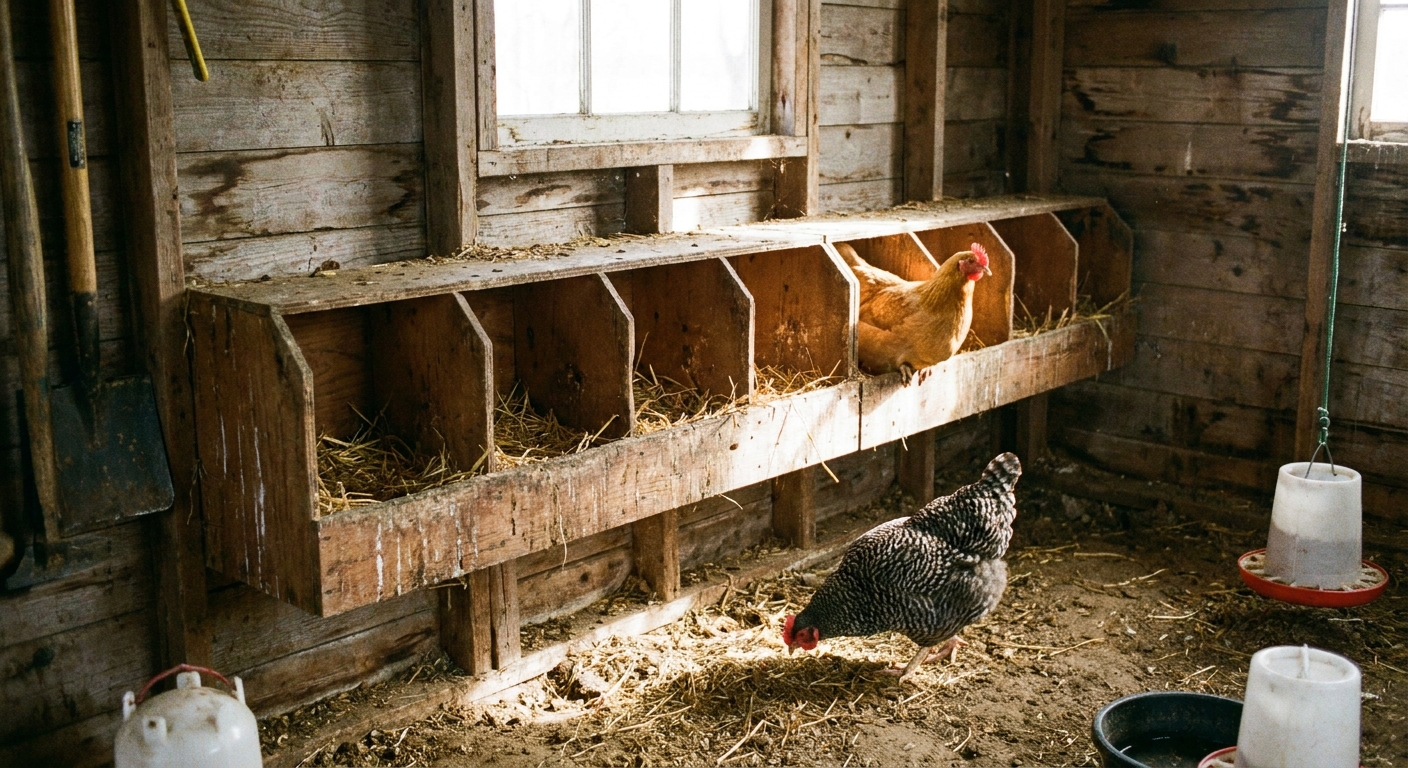
Size, placement, and bedding that keep eggs in the coop instead of under the hydrangeas. Practical tips to stop egg hiding, dirty eggs, and box squabbles.
The Cluck Loom
Stop Chickens From Eating Their Own Eggs
Egg-eating is a nasty habit, but you can stop it. Here are 8 proven strategies to prevent broken eggs, rule out other causes, and protect your egg basket.

Maggie Harper
Maggie Harper is a passionate backyard chicken keeper with over a decade of hands-on experience raising mixed flocks. Through CluckLoom, she shares practical advice on coop building, flock health, and egg production to help beginners and seasoned enthusiasts alike raise happy, healthy chickens.
Published
October 22, 2026
Last updated
October 22, 2026
If you have ever walked into the coop expecting a warm egg and found a suspiciously clean nesting box instead, welcome to one of the most frustrating chicken keeping milestones: egg-eating.
The tricky part: this habit can start for a very innocent reason (a thin shell, a bumped egg, a curious peck) and then turn into a full-blown flock hobby. The good news is you can usually stop it, especially if you act fast and make it harder for chickens to succeed.
Below are eight prevention strategies I have used myself and recommended to neighbors over the fence. Mix and match them based on what is causing the breakage in your coop.
First, confirm what is taking the eggs
Before you assume you have an egg-eater, make sure it is actually a hen doing the deed. Eggs can also disappear thanks to rats, snakes, or other predators. Broody hens can also stash eggs in hidden corners.
- If eggs are fully missing: think predators, hidden nests, or a hen carrying an egg off (it happens).
- If you find wet nesting material, smeared yolk, or broken shells: that points more strongly to breakage followed by hens cleaning up.
- If you find punctured shells: a hen may be intentionally pecking, or you may have a rodent problem.
If you can, spend a few days observing. A cheap coop camera or simply hanging around during laying hours can tell you a lot.
Why egg-eating starts
Egg-eating often starts with broken eggs, not bad behavior. Once a hen gets a taste of raw egg, it is high-protein and rewarding, and the habit can stick unless you change the setup.
- Thin or brittle shells: commonly tied to calcium, vitamin D, or overall diet, but also age, heat stress, illness, and shell gland issues.
- Accidental breakage: overcrowded nesting boxes, too little bedding, eggs rolling, or hens stepping on eggs.
- Boredom and stress: too little space, too much light in nest boxes, not enough enrichment.
- A repeat offender: one hen learns the trick and teaches the rest by example.
If shell quality suddenly worsens or stays poor even after nutrition tweaks, consider a health check. Parasites, respiratory illness, and some viral diseases can affect shells. A poultry-savvy vet or your local extension office can help you troubleshoot what is going on in your area.
8 proven prevention strategies
1) Collect eggs more often (start early, then hit peak laying)
This is the least glamorous fix and also one of the most effective. The fewer opportunities they have, the faster the habit fades.
- Aim for 2 to 3 collections per day if egg-eating is happening.
- Do an early morning check, then prioritize mid-morning through early afternoon, when many hens lay.
- If you cannot do midday pickups, collect as early as possible and again at dusk.
If you have kids in the house, assigning “egg patrol” is a surprisingly effective cure for a lot of coop problems.
2) Use ceramic eggs or dummy eggs to break the reward
Hens learn fast. If pecking an egg regularly leads to disappointment, many will stop bothering.
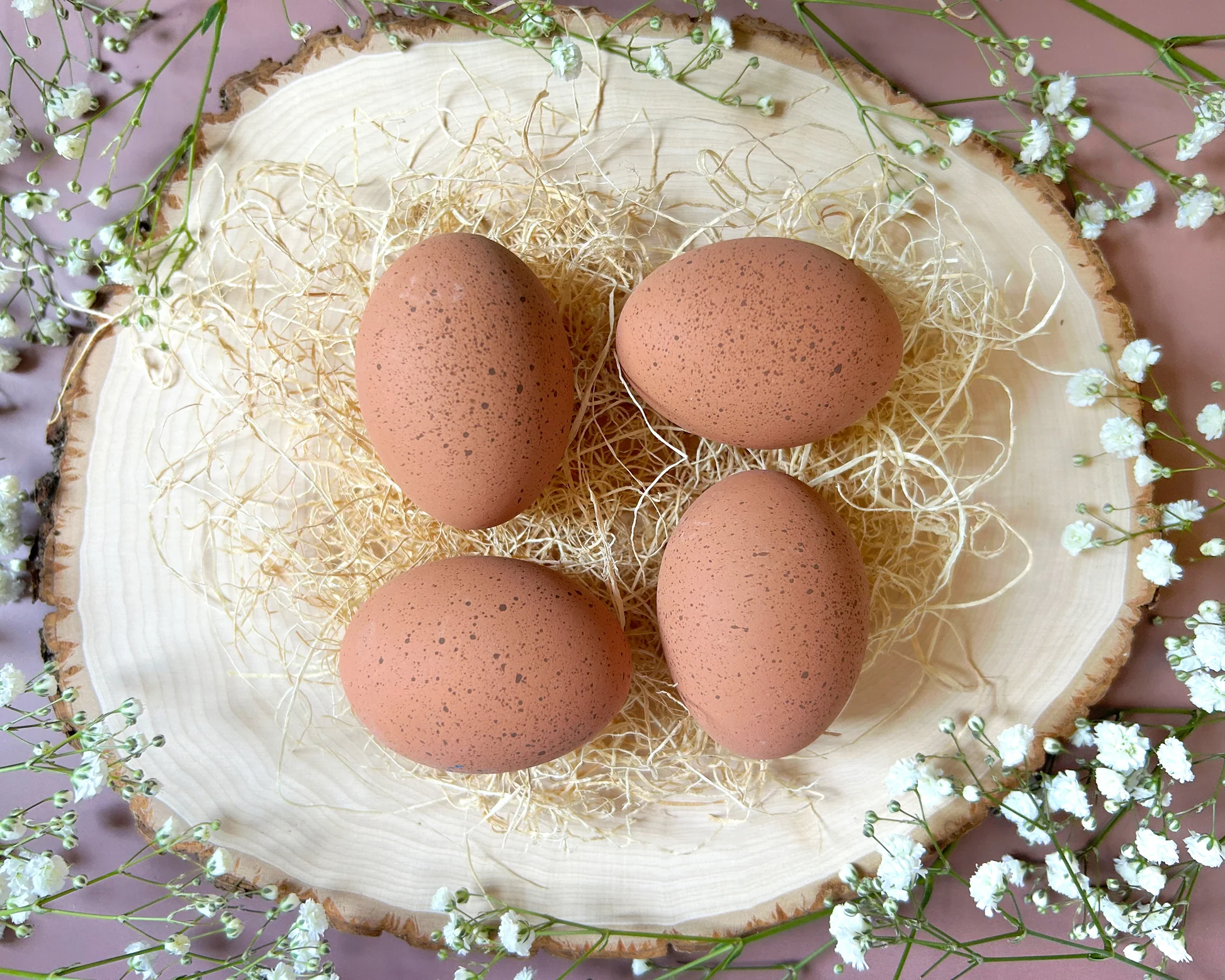
- Use ceramic nesting eggs (my favorite because they are heavy and convincing).
- Golf balls can work in a pinch, but some hens ignore them because they feel wrong under the beak.
- Place 1 to 2 dummy eggs in the nesting boxes where the problem happens.
Keep them in place for at least a couple weeks after you think the issue is resolved. You are trying to outlast the habit.
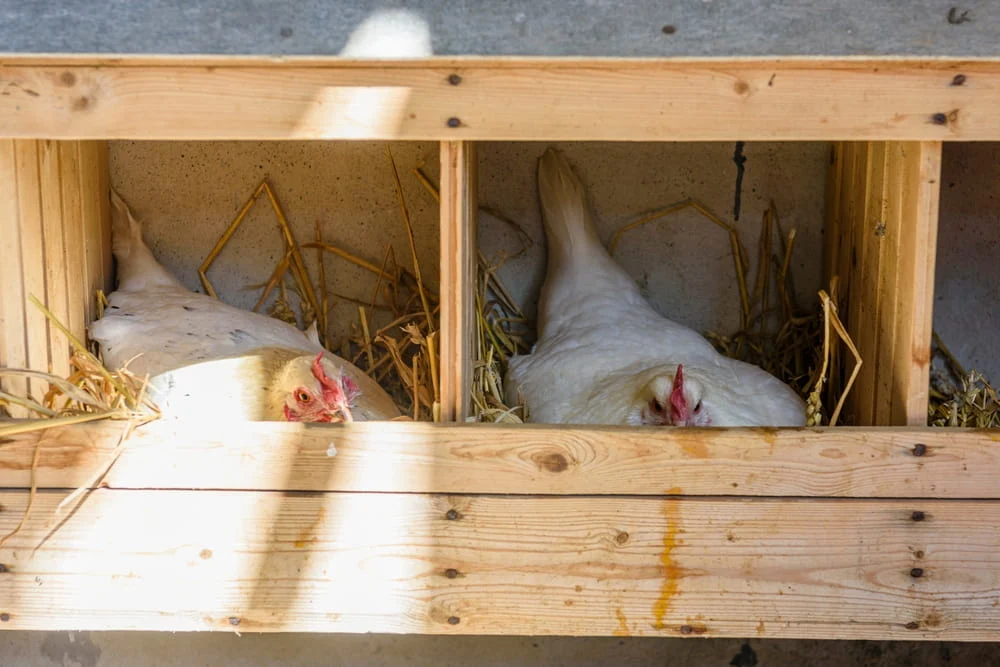
3) Make nest boxes darker, calmer, and more private
Bright nest boxes encourage poking and pecking. A dim, tucked-away box encourages laying and leaving.
- Add a nest box curtain using burlap, feed sacks, or a strip of canvas.
- Move nest boxes away from the busiest areas of the coop if possible.
- Block direct sunlight hitting the nest box opening.
I have seen curtains reduce broken eggs all by themselves because hens stop milling around inside the box like it is a lounge.
4) Add more bedding (standard boxes should cushion, not roll)
Eggs crack when they hit wood, get stepped on, or get laid onto a thin layer of shavings. In a standard nest box, your goal is a soft landing and a stable “nest bowl” that keeps eggs from skittering around.
- Use 3 to 4 inches of pine shavings or chopped straw.
- Build a shallow bowl shape so eggs settle into one spot.
- Check for slanted floors that make eggs roll to the edge.
- Remove any sharp edges, protruding screws, or rough spots inside the box.
If you are using nesting pads, make sure they are not so slick that eggs slide around when a hen stands up.
5) Fix nutrition: calcium, protein, and overall balance
Thin shells and weak shells are the spark that starts egg-eating in many coops. If an egg breaks easily, someone will eventually investigate with her beak.
- Feed a complete layer feed as the main diet once hens are laying.
- Many flocks do well on a layer ration around 16 to 18 percent protein (check your bag and choose a feed appropriate for your birds and their stage of life).
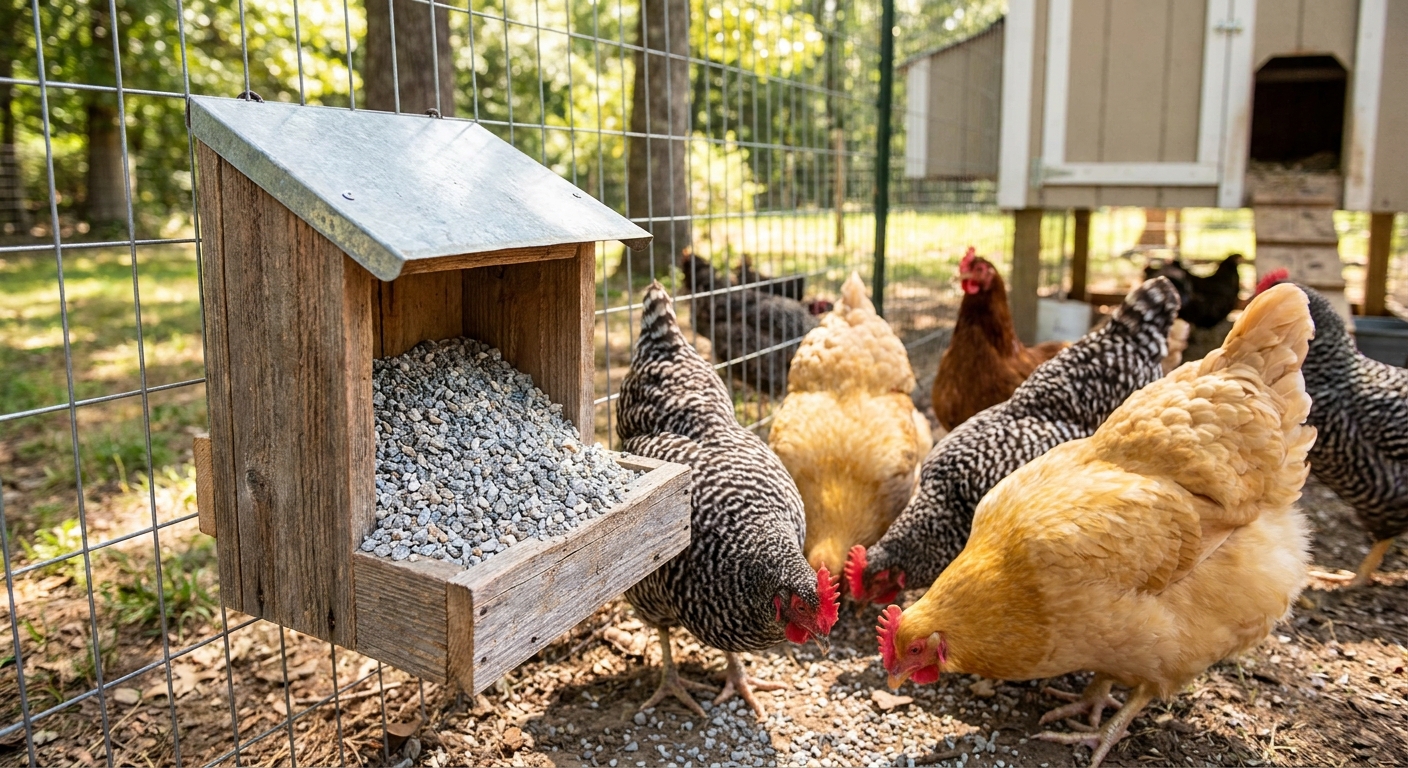
- Offer free-choice oyster shell in a separate dish (do not mix it into feed for everyone).
- Make sure birds have access to fresh water at all times. Dehydration can reduce egg production and can contribute to poorer shell quality.
- If you are feeding lots of scratch or kitchen treats, scale back so they are not diluting the balanced ration.
Quick note on eggshells: You will hear “feed the shells back.” That can be fine if shells are baked and crushed into tiny bits so they do not resemble eggs. If you are actively fighting egg-eating, I usually stick to oyster shell until the habit is gone.
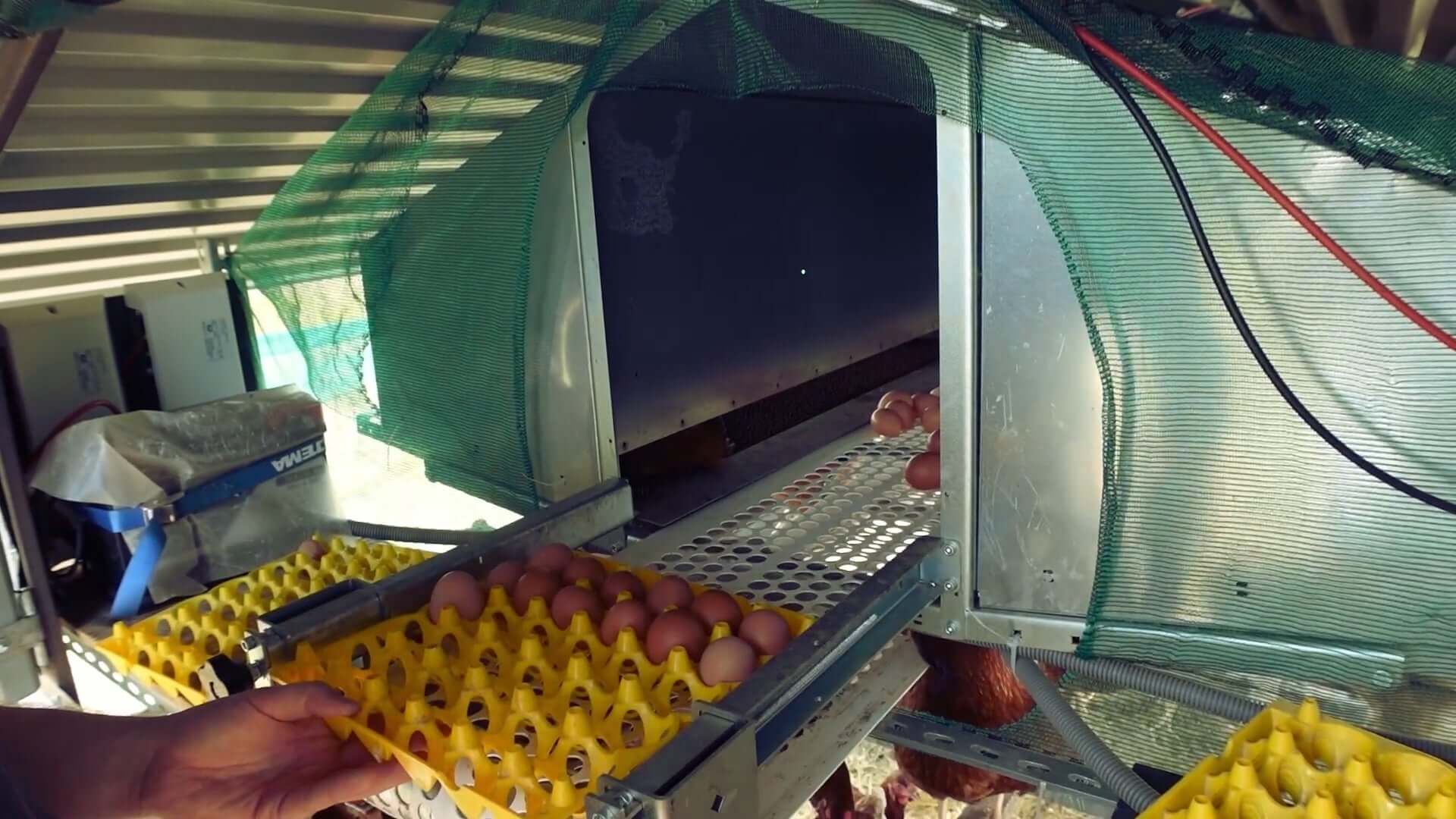
6) Use a roll-away nesting box (or modify your boxes to hide eggs)
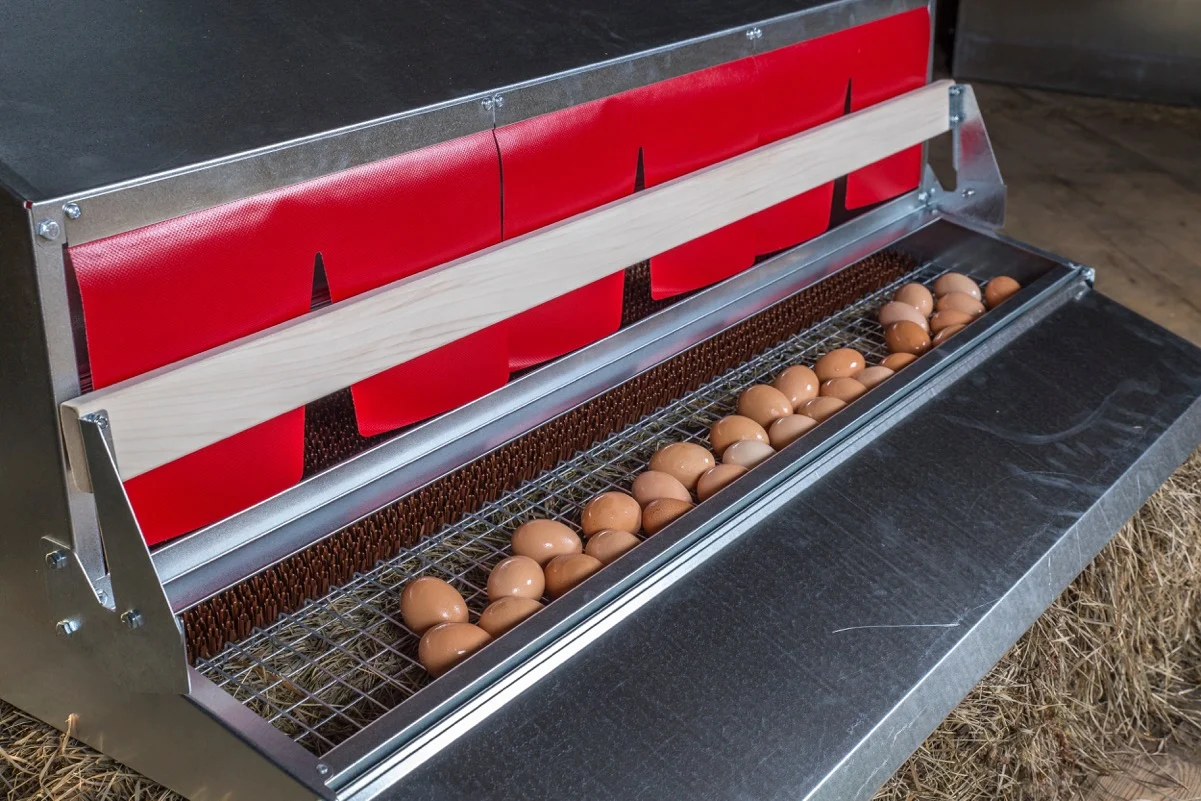
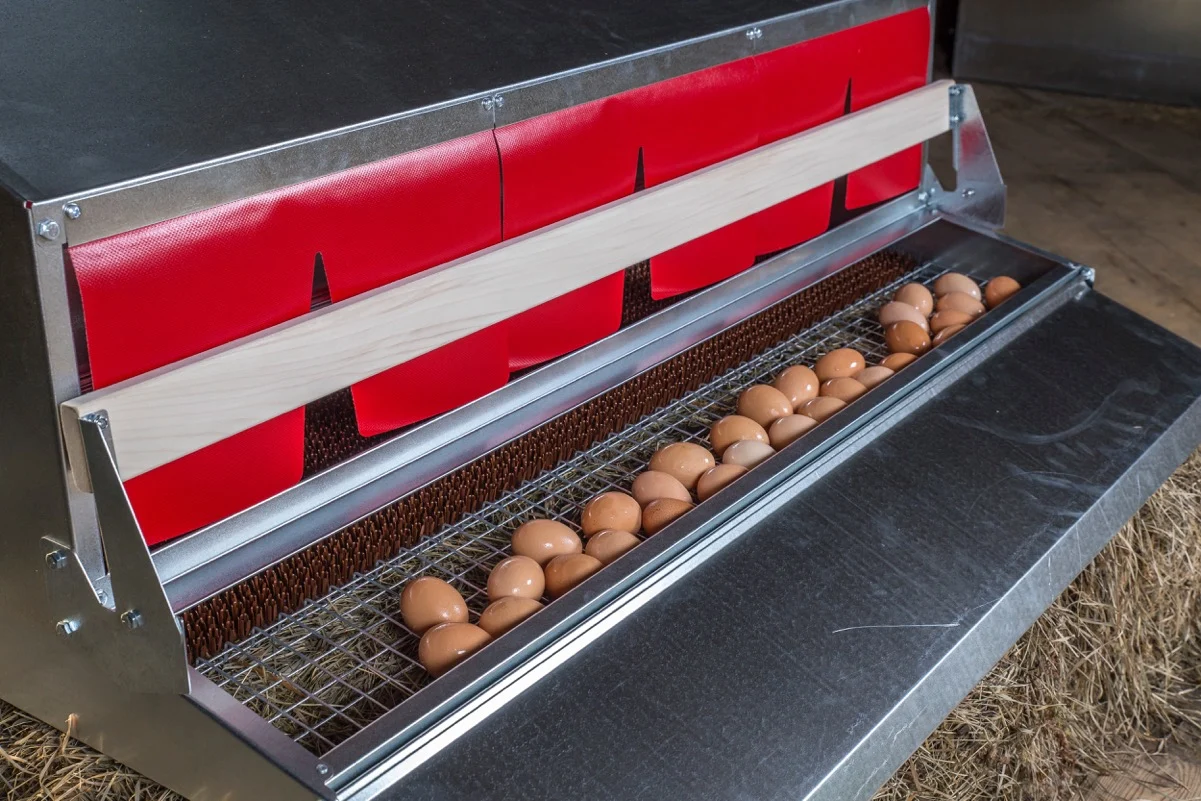
Roll-away boxes are the closest thing to “set it and forget it” you will get with egg-eaters. The egg rolls gently away to a covered tray where hens cannot reach it.
- Buy a roll-away nest box insert or a full unit.
- DIY option: create a slight slope with a soft mat so the egg rolls behind a lip into a collection area.
- Make sure the roll is gentle, not a drop. Cracked eggs defeat the purpose.
If you cannot swing roll-aways, even a rear egg collection slot or a small covered corner can reduce successful snacking.
7) Reduce crowding and stress (space matters)
When hens are shoulder-to-shoulder, eggs get stepped on, kicked, and broken. Stress also increases odd behaviors, including egg-eating.
- Provide enough nest boxes. A common rule of thumb is 1 box per 4 to 5 hens, though flocks vary.
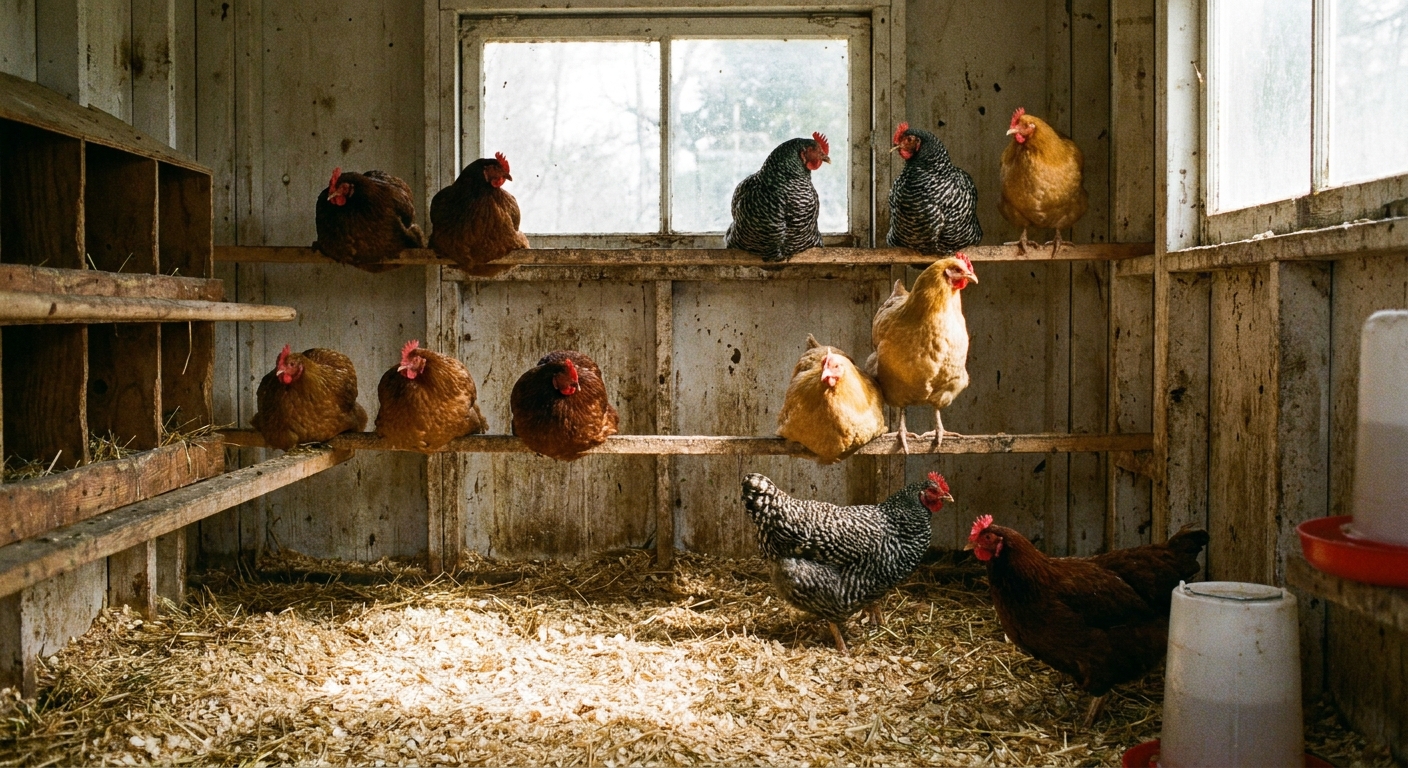
- Reduce coop congestion with adequate roost space and clear pathways.
- If you have a bully who camps the boxes, address it with extra boxes, curtains, or temporary separation.
- Add enrichment in the run: a cabbage on a string, leaf piles, a dust bath spot, or a pecking block.
Egg-eating hens are often bored hens. Giving them something else to do is not “fluffy.” It is prevention.
8) Identify and manage the repeat offender
Sometimes you do everything right and still find yolk crimes. In many flocks, it is one hen teaching the rest.
Ways to narrow it down:
- Watch the coop during peak laying time.
- Look for a hen with dried yolk on her beak or feathers (not always present, but it happens).
- Check if the problem happens only in one particular box.
If you find the culprit, you have a few options. The goal is always management and flock harmony, not punishment.
- Separate temporarily and retrain with dummy eggs, then reintroduce.
- Switch to roll-away boxes so she cannot access fresh eggs.
- As a last resort, rehoming may be the kindest choice if the habit is persistent and spreading. Some hens never fully quit once they perfect the technique.
I know that last one is hard. I have been there. But one dedicated egg-eater can wipe out the joy of keeping layers if you let it drag on for months.
What not to do
- Do not rely on “hot sauce eggs” as your main plan. Birds have fewer receptors for capsaicin than mammals, so the deterrent effect is inconsistent. You also risk creating more broken eggs in the process.
- Do not leave broken eggs in the nest. Clean up immediately so the taste and smell are not reinforced.
- Do not underfeed to “teach a lesson.” Hunger increases bad habits and stress.
- Do not plan on routine beak trimming for a backyard flock. Focus on preventing breakage and removing access. Management fixes usually work, and they keep your birds comfortable.
Fast troubleshooting
- Cracked eggs in the box: more bedding, calmer boxes, collect more often, reduce crowding.
- Thin shells: layer feed, oyster shell, cut back treats, consider heat stress and age, and check health if it is sudden or severe.
- Only one box is a problem: curtain it, relocate it, or convert it to roll-away style.
- Happens right after laying: dummy eggs plus faster collection, consider roll-away boxes.
- Happens more in winter: check lighting routines and boredom, add enrichment and ensure good nutrition.
- Eggs vanish with no mess: look for hidden nests and signs of predators or rodents, and use a camera if you can.
FAQ
Will chickens stop eating eggs on their own?
Sometimes, but I would not bet your egg basket on it. Once the habit becomes rewarding, most hens keep doing it until you remove access, remove breakage, or both.
Is egg-eating a sign of calcium deficiency?
It can be. Calcium issues often show up as thin or fragile shells, which then crack and tempt hens. That said, shell quality can also be affected by age, heat stress, and illness. Offer free-choice oyster shell, feed a complete layer ration, and if shells stay poor, consider a health check.
Can I still feed eggs back to my flock?
Yes, but serve them in a way that does not look or feel like an egg. Scrambled eggs or hard-boiled and chopped eggs are the safest options when you are trying to prevent egg-eating.
Do roll-away boxes really work?
They are one of the most reliable fixes for determined egg-eaters because they remove the opportunity. The key is correct slope and a protected collection tray so eggs do not crack and hens cannot reach them.
7-day action plan
- Day 1: Deepen bedding, add curtains, and place 1 to 2 ceramic dummy eggs in each active nest box.
- Days 1 to 7: Collect eggs at least twice daily, ideally early and again during peak laying.
- Day 2: Put out free-choice oyster shell and tighten up treats so layer feed is the main diet.
- Day 3: Add enrichment in the run and check for crowding or a nest box bully.
- Day 4: If eggs are going missing with no mess, look for a hidden nest and check for signs of rodents or other predators.
- Day 7: If eggs are still disappearing, plan a roll-away solution or start identifying the repeat offender.
Egg-eating feels personal when it is your breakfast on the line, but it is usually just chickens being chickens. With a few coop tweaks and faster egg collection, most flocks get back on track quickly.